San Antonio is known for large hail, and most of the claims we see in Bexar County and the surrounding towns are roof claims. The insurer usually agrees a storm happened. The fight is over whether hail damaged your roof enough to replace it, or only enough to justify a small repair or nothing at all. We inspect the roof, document hail damage by slope, write an Xactimate estimate, and answer the carrier's arguments with evidence.
We work out of Belton and drive to San Antonio, New Braunfels, Boerne, Schertz, Seguin and the rest of the area to inspect property in person.
Four arguments San Antonio carriers make on hail claims
"The damage is wear and tear, not hail"
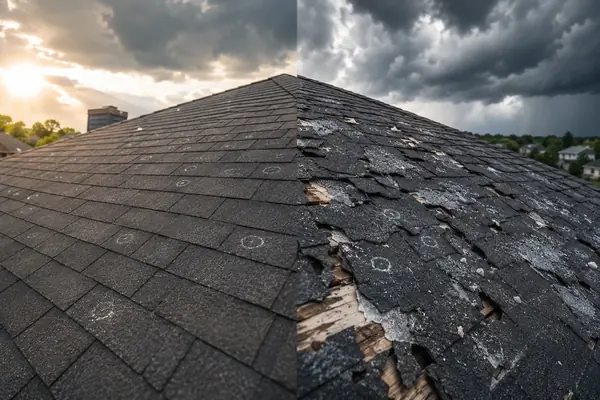
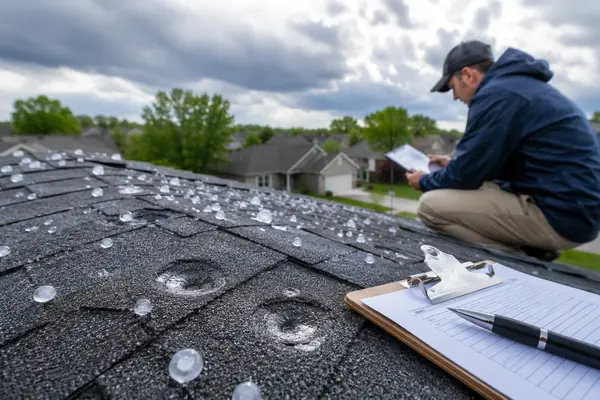
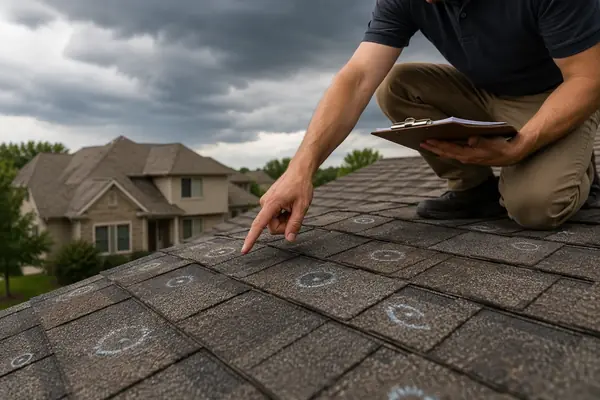
Granule loss, blistering and cracking happen to every shingle roof in South Texas sun. Hail damage looks different: random impact marks with exposed mat, fractured or bruised shingles that feel soft when pressed, and matching dents on soft metals like vents, gutters, downspouts and AC fins. We photograph test squares on each slope and the collateral damage that ties the impacts to one storm.
"The hail was too small"
Carriers sometimes cite a weather report showing small hail at the nearest station. Hail size varies street to street. Measured dents in soft metal on your own property are better evidence than a reading miles away. Use the storm report lookup below to see what was reported near you on the date of loss.
"It's only cosmetic"
Toward Boerne, Bulverde and the Hill Country, standing-seam and screw-down metal roofs are common. Many policies carry a cosmetic damage exclusion that removes coverage for dents that don't affect how the roof works. The claim then depends on functional damage: opened seams, broken fasteners or washers, cracked coatings, and dents at laps that hold water. Read cosmetic vs. functional hail damage before you accept a "cosmetic only" letter.
"The storm was too long ago"
If you didn't notice hail damage until a leak months later, the carrier may say you reported late. Many Texas policies set a one-year or similar deadline to report wind and hail damage, but the terms vary. Check the "Duties after loss" and "Suit against us" conditions in your own policy, and see how long you have to file a hail claim in Texas.
Free toolStorm report lookupFind NOAA hail and wind reports for a date and place to pin down your date of loss.Check how your roof is paid before you argue the estimate
Two policy features change a San Antonio hail payment more than any line item:
- A percentage wind and hail deductible. In hail-prone areas, the deductible is often 1–2% of dwelling coverage rather than a flat amount.
- An ACV roof schedule or endorsement. Some policies pay roof damage at actual cash value based on the roof's age, so an older roof gets a much smaller check and no recoverable depreciation.
Pull the declarations page and endorsements first. If the policy pays replacement cost, the carrier usually holds back depreciation until the work is done, and you then claim it. If it's an ACV roof schedule, the argument shifts to the scope and pricing of the repair.
Cracked walls and slabs: what's covered and what isn't
Foundation movement is usually excluded. San Antonio's expansive clay soils, and the shallow limestone in parts of the north side and Hill Country, cause slabs and walls to shift as the ground dries and wets. Most homeowners policies exclude settling, cracking and earth movement. A storm claim will not pay to level a foundation that moved on its own.
There are exceptions worth checking. If a plumbing leak under the slab soaked the soil and caused movement, some policies cover the resulting damage, and many cover the cost of accessing and repairing the leak itself. A foundation contractor or engineer can help tell the difference. We'll tell you plainly when a crack is not a covered loss, so you don't spend months on a claim that can't succeed.
After a hailstorm in San Antonio
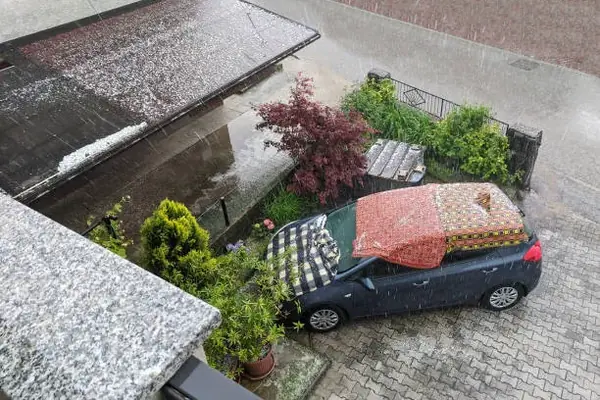
- Write down the date and time of the storm, and photograph hailstones next to a coin or ruler if you can
- From the ground, photograph gutters, downspouts, window screens, AC units and vehicles for dents
- Check ceilings in each room for new stains, and photograph them
- Read your declarations page for the wind and hail deductible and any ACV roof endorsement
- Report the claim and note the claim number; don't sign a repair contract that assigns your claim to a roofer
- Be at the adjuster inspection, or have someone there who can point out every damaged area
Texas law bars a roofer from acting as your public adjuster on a roof they're repairing. If a contractor offers to "handle the insurance," read can a public adjuster work for a contractor.
When we help
We take San Antonio hail claims that were denied, underpaid, or are about to be inspected. We write the estimate, meet the adjuster on the roof, respond to engineer reports, and advise on appraisal when the dispute is over the amount of loss. Our fee is a percentage of the claim payment, capped at 10% by Texas law, with no upfront cost. See our roof and hail damage claims service for the full process.
Communities covered from this page
Don't see your town? We serve every Texas county. Ask us about your property.
Frequently asked questions
Will homeowners insurance cover foundation cracks in San Antonio?
Usually not when the cause is soil movement or settling, which most policies exclude. Damage caused by a covered event, such as a sudden plumbing leak under the slab, may be covered depending on the policy.
The insurer says my hail damage is only cosmetic. What does that mean?
Your policy likely has a cosmetic damage exclusion, common on metal roofs. It removes coverage for dents that do not affect the roof's function, so the claim depends on proving functional damage such as opened seams or broken fasteners.
How do I prove hail hit my house on a specific date?
Combine NOAA storm reports for that date with dents on soft metals at your property and photos taken soon after the storm. Our storm report lookup finds reports near your address.
My roof was paid at actual cash value. Can I get depreciation back?
If your policy has an ACV roof schedule or endorsement, depreciation is generally not recoverable. If it is a replacement cost policy, depreciation held back is usually paid after the repair is completed.