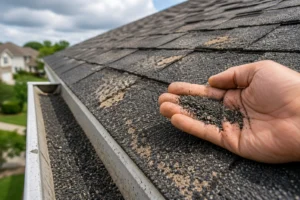

Texas hailstorms can destroy a roof in minutes. But many homeowners wait weeks or even months before asking the big question: how long do you have to file a hail claim in Texas? That delay can become expensive. Insurance companies expect policyholders to report damage quickly. The longer homeowners wait, the harder it often becomes to prove what actually happened. Evidence changes. Roof conditions deteriorate. New storms complicate inspections. And suddenly, what should have been a straightforward claim becomes a frustrating dispute. Understanding the filing timeline early helps protect both your roof and your financial recovery after a storm.
Understanding Hail Insurance Claims in Texas
Texas experiences some of the most severe hailstorms in the country. That is why hail-related roof claims are incredibly common across the state. From Dallas to San Antonio to smaller rural communities, hail damage creates billions of dollars in property losses every year. A hail claim is a request for insurance coverage after hail damages part of the property. Depending on the policy, coverage may apply to:
- Roofing systems
- Gutters
- Siding
- Skylights
- Windows
- HVAC equipment
- Interior water damage
The challenge is timing. Many homeowners assume visible leaks are required before filing a claim. That is not true. Some hail damage remains hidden for weeks before interior problems begin appearing. By then, complications often increase.
How Long Do You Have to File a Hail Claim in Texas?
There is no single statewide deadline that applies to every insurance policy in Texas. Instead, the answer depends heavily on the homeowner’s individual policy language. Most policies require “prompt notice” after discovering damage. Others provide more specific deadlines such as:
| Policy Requirement | Possible Timeline |
|---|---|
| Prompt notice | As soon as reasonably possible |
| Specific reporting clause | 6 months |
| Extended reporting clause | 1 year |
| Broader filing allowance | Up to 2 years |
This is why homeowners researching how long do you have to file a hail claim in Texas should review their insurance policy carefully after every major storm. The safest approach is simple. File early. Waiting rarely helps a claim.
Why Filing Quickly Matters
Time works against damaged roofs. Texas heat, heavy rain, wind exposure, and additional storms can all change roofing conditions rapidly after hail impacts occur. Insurance companies know this. That is one reason delayed claims often receive greater scrutiny.
Evidence Changes Over Time
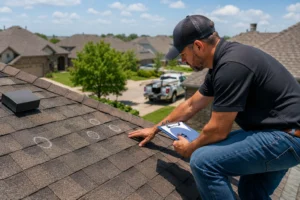
Fresh hail damage looks different than older roof wear. Inspectors often evaluate:
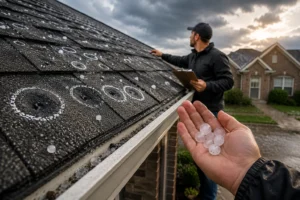
- Granule displacement
- Circular impact bruising
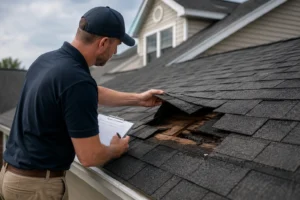
- Fractured shingles
- Soft metal dents
- Oxidation patterns
- Seal strip separation
Over time, these indicators become harder to evaluate accurately. That creates uncertainty. And uncertainty creates disputes. Over time, roofing systems experience complex material stress interactions somewhat similar to Tribology, where friction, wear, and surface deterioration gradually change how materials respond to external impacts.
Interior Damage Can Spread
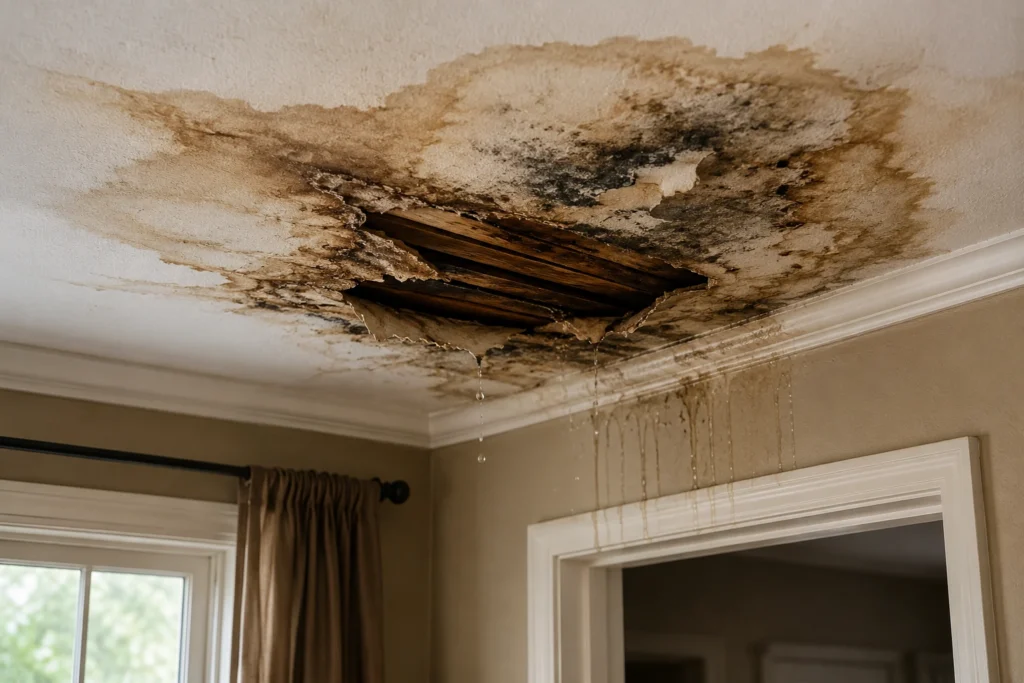
Not all hail damage causes immediate leaks. Sometimes water slowly enters beneath shingles and underlayment before becoming visible inside the home. That can lead to:
- Ceiling stains
- Mold growth
- Wood rot
- Insulation damage
- Electrical concerns
In severe cases, hidden moisture pathways can spread unpredictably through structural layers almost like an Anastomosis network connecting multiple hidden intrusion points throughout the roofing system. The longer moisture remains hidden, the larger the repair costs often become.
Additional Storms Complicate Everything
Texas weather rarely pauses for homeowners. If another hailstorm hits before the original claim gets reported, insurance companies may question:
- Which storm caused the damage
- Whether the roof already had prior deterioration
- If the homeowner delayed mitigation efforts
- Whether damage worsened due to neglect
That situation becomes difficult fast.
What Happens If You Wait Too Long to File?
Delays do not automatically destroy every hail claim. But they absolutely make claims harder. Insurance companies may argue:
| Insurance Company Argument | Meaning |
|---|---|
| Wear and tear | Damage developed naturally over time |
| Deferred maintenance | Roof problems existed before the storm |
| Late reporting prejudice | Delay affected inspection accuracy |
| Prior damage | Roof was already compromised |
| Multiple storm uncertainty | Exact storm date cannot be verified |
This is one reason homeowners searching how long do you have to file a hail claim in Texas should avoid waiting until visible leaks become severe. Early documentation creates stronger claims. Almost always.
Signs You May Already Have Hail Damage
Some hail damage is obvious immediately after a storm. Other forms remain hidden. That is why inspections matter.
Exterior Warning Signs
Watch carefully for:
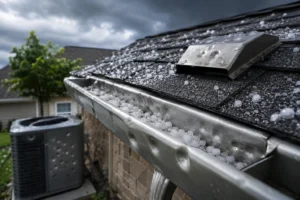
- Dented gutters
- Damaged flashing
- Missing granules
- Cracked shingles
- Lifted shingles
- Broken roof tiles
- Metal vent dents
- Damaged window screens
Soft metals often reveal hail impacts first because they dent easily.
Interior Warning Signs
Inside the property, warning signs may include:
- Ceiling discoloration
- Bubbling paint
- Damp attic insulation
- Water stains
- Mold odors
- Dripping after rainfall
Even small stains deserve attention after severe Texas storms.
Immediate Steps After a Texas Hailstorm
The hours after a storm can significantly affect the outcome of a claim. Strong documentation early in the process often becomes critical later.
Prioritize Safety
Never climb onto the roof immediately after severe weather. Wet roofing materials become dangerous quickly. Instead:
- Inspect from the ground first
- Watch for fallen electrical lines
- Check for broken glass
- Look for structural instability
Safety matters more than fast photos.
Document Everything
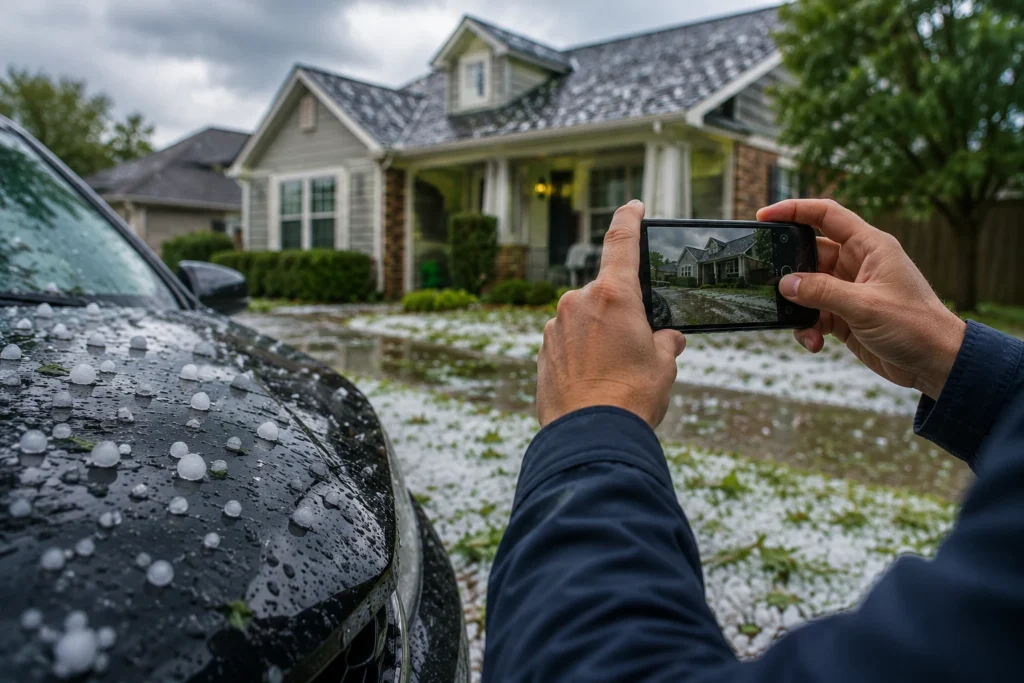
Take photographs immediately if conditions are safe. Capture:
- Wide-angle roof photos
- Close-up impact damage
- Gutters and downspouts
- Siding damage
- Window impacts
- Interior leaks
Video footage helps too. Save weather reports from the storm date whenever possible.
Create an Organized Claim Timeline
Documentation strengthens credibility. Keep records of:
| Documentation | Why It Matters |
|---|---|
| Photos | Visual proof of damage |
| Weather reports | Storm-date confirmation |
| Inspection reports | Independent evaluation |
| Emails with carrier | Communication history |
| Repair receipts | Proof of mitigation efforts |
Organization becomes incredibly important if disputes later develop.
Why Professional Roof Inspections Matter
Many homeowners cannot safely or accurately identify hail damage themselves. That is completely normal. Professional inspections often uncover hidden problems such as:
- Bruised shingles
- Underlayment damage
- Flashing separation
- Ventilation issues
- Lifted seal strips
- Hidden moisture intrusion
Different roofing materials also react differently to hail. Asphalt shingles, tile roofs, and metal roofing systems all show damage differently. That technical distinction matters during insurance evaluations.
How Insurance Companies Evaluate Hail Claims
Insurance adjusters typically inspect several areas during the claim process. That includes:
- Roof slope direction
- Impact density
- Roofing material condition
- Soft metal indicators
- Interior water damage
- Roof age
- Ventilation systems
Photos become central evidence during these inspections. So do measurements.
What Adjusters Sometimes Miss
Not every inspection identifies the full scope immediately. Commonly overlooked items may include:
- Flashing damage
- Ridge cap impacts
- Ventilation components
- Underlayment deterioration
- Drip edge damage
- Code-required upgrades
This is why supplemental claims sometimes become necessary later during repairs. Especially on larger Texas roofing systems.
Can You File a Claim for Older Hail Damage?
Sometimes. But older hail claims become much more difficult to prove successfully. The biggest challenge is establishing exactly when the damage occurred. Insurance companies often ask:
- Which storm caused the damage?
- Was the roof already deteriorating?
- Why was the damage not reported earlier?
- Did maintenance issues contribute?
Still, homeowners occasionally discover hail damage months later because:
- Leaks developed gradually
- Attics were rarely inspected
- Previous inspections missed hidden impacts
- Multiple roofing layers concealed damage
This is another reason homeowners asking how long do you have to file a hail claim in Texas should act quickly after major storms rather than waiting for obvious interior problems.
The Role of a Public Adjuster in Texas Hail Claims
Some hail claims stay relatively straightforward. Others become extremely complicated. Public adjusters work on behalf of policyholders during insurance disputes and negotiations. Unlike carrier adjusters, they represent the homeowner’s interests. That distinction matters. A public adjuster may assist with:
- Reviewing policy language
- Organizing evidence
- Managing inspections
- Evaluating repair estimates
- Negotiating settlements
- Handling supplemental claims
Homeowners commonly seek additional help when:
- Claims get delayed
- Coverage becomes disputed
- Settlement offers feel incomplete
- Roof damage is extensive
- Multiple inspections disagree
Large Texas hail claims often become documentation battles as much as inspection battles.
Common Mistakes Homeowners Make
Some hail claim mistakes are avoidable. Others happen simply because homeowners feel overwhelmed after severe storms.
Waiting Too Long for an Inspection
This is incredibly common. Many homeowners assume the roof is fine because no leak appeared immediately. Unfortunately, hidden hail damage often develops slowly.
Throwing Away Documentation
Keep everything. That includes:
- Temporary repair invoices
- Contractor reports
- Emails
- Inspection photos
- Estimate revisions
- Weather reports
Even small records may become important later.
Accepting the First Estimate Too Quickly
Initial estimates are not always complete. Some omit:
- Flashing
- Drip edge
- Ventilation upgrades
- Interior repairs
- Code-required improvements
Review estimates carefully before approving repairs.
Tips to Strengthen Your Hail Claim
Homeowners who stay organized generally create stronger claim positions. Simple habits make a major difference.
Photograph Damage Immediately
Fresh evidence carries weight. Especially before temporary repairs begin.
Save All Communication
Keep records of:
- Emails
- Voicemails
- Inspection appointments
- Claim updates
- Estimate revisions
Good organization prevents confusion later.
Understand Your Deductible
Texas hail deductibles vary widely between policies. Know your financial responsibility before repairs begin.
Request Reinspection if Necessary
Sometimes additional inspections reveal major missed damage. That happens more often than many homeowners realize.
How Long Do You Have to File a Roof Hail Damage Claim in Texas?
The answer depends on the policy. But homeowners should remember something important: Waiting usually increases claim difficulty. That does not mean every delayed claim fails. However, delays often create:
- Weaker evidence
- More disputes
- Greater inspection uncertainty
- Increased carrier scrutiny
- Complicated storm-date verification
That is why homeowners researching how long do you have to file a hail claim in Texas should focus on acting quickly rather than simply searching for the final deadline. Fast action protects evidence. And evidence drives successful claims.
Final Thoughts
Texas hailstorms create serious roofing damage every year. Some problems appear immediately. Others stay hidden for months before leaks finally emerge. Either way, timing matters. Homeowners who inspect early, document thoroughly, organize records carefully, and understand their insurance policy deadlines usually place themselves in much stronger positions during the claims process. Waiting creates uncertainty. And uncertainty creates disputes. If you suspect roof damage after a Texas hailstorm, act quickly. Take photos. Schedule inspections. Save records. Review your insurance policy carefully. Because when it comes to how long do you have to file a hail claim in Texas, early action almost always creates stronger outcomes.
FAQs
The deadline depends on your insurance policy, but most policies require homeowners to report damage promptly after discovery. Filing quickly usually creates stronger claims.
Yes, but delayed claims often face greater scrutiny from insurance companies. The longer you wait, the harder it may become to prove the damage came from a specific storm.
Insurance companies may argue the damage resulted from wear and tear, poor maintenance, or another storm event. Delays can weaken important evidence.
No. Some hail damage remains hidden for weeks or months before moisture intrusion becomes visible inside the home.
Insurance rate changes depend on several factors, including your insurer and claim history. In many cases, hailstorms affect entire regions rather than individual homeowners alone.
Yes. Professional inspections can identify hidden damage that homeowners may not notice from the ground.
Yes, especially if there is limited documentation or uncertainty about when the damage occurred. Strong evidence becomes extremely important in older claims.
Take photos of roof damage, gutters, siding, windows, and any interior leaks. Save weather reports, inspection reports, and repair receipts as well.
You can request additional inspections or supplemental reviews if important damage was overlooked. Many claims require revisions after repairs begin.
Not every claim requires one, but public adjusters may help when claims become delayed, disputed, underpaid, or highly complex.