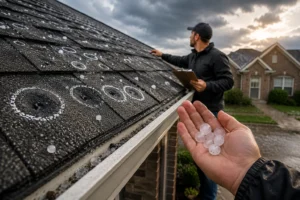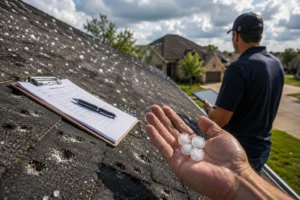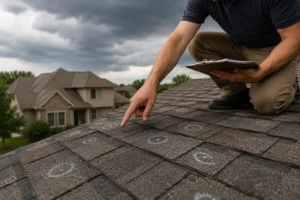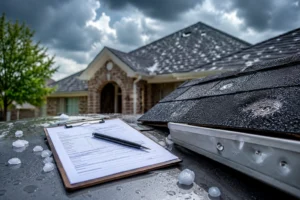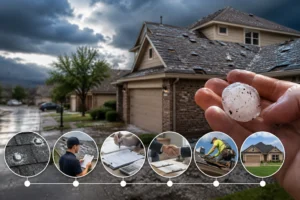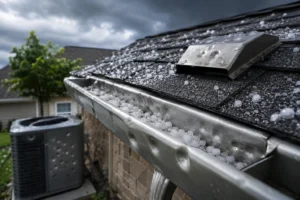

When an insurance adjuster missed roof damage during an inspection, the consequences can become expensive fast. A roof that initially looks fine may later develop leaks, moisture intrusion, mold, or structural deterioration after hidden storm damage starts spreading beneath the surface. And honestly, this happens more often than homeowners expect. After major Texas storms, adjusters may inspect dozens of properties daily. Inspections move quickly. Roofs are steep. Some damage simply does not appear obvious during the first visit. That is why many homeowners later discover their original estimate missed critical repairs entirely. The good news? You still have options. If an insurance adjuster missed roof damage, homeowners can document additional issues, request supplemental payments, challenge incomplete estimates, and protect themselves before the damage worsens.
Why Roof Damage Gets Missed So Often
Roof claims are more complicated than they appear. From the ground, many roofs look completely intact after storms. But hidden damage underneath shingles or flashing can continue developing quietly for weeks. Sometimes longer.
Roof Inspections Often Happen Under Pressure
Insurance adjusters commonly handle large inspection volumes after hailstorms and wind events. That creates limitations. Several factors may affect inspection quality:
- Steep roof pitch
- Wet roofing surfaces
- Safety concerns
- Limited attic access
- Poor weather conditions
- Aging roofing systems
- Time pressure during catastrophe claims
Even experienced adjusters can overlook subtle storm impacts during rapid inspections. And unfortunately, hidden damage rarely stays hidden forever.
Some Roof Damage Appears Later
This is where many homeowners become frustrated. Not all storm damage creates immediate leaks or visible destruction. Some roofing problems gradually worsen over time as materials expand, contract, and weaken. For example:
| Hidden Damage Type | What Happens Later |
|---|---|
| Bruised shingles | Cracks expand gradually |
| Lifted shingles | Wind weakens seal strips |
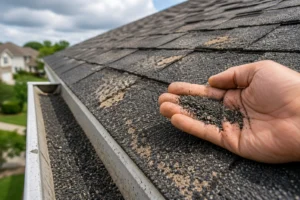
| Granule loss | UV exposure accelerates deterioration |
| Moisture intrusion | Mold and rot develop |
| Flashing displacement | Leaks appear later |
A roof may survive the storm but still suffer functional damage that shortens its lifespan dramatically. That distinction matters during insurance negotiations.
Common Types of Roof Damage Insurance Adjusters Miss
When an insurance adjuster missed roof damage, the overlooked issues often follow predictable patterns.
Hail Damage
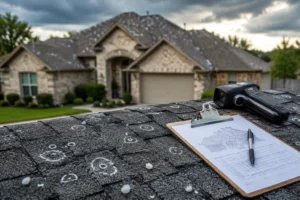
Hail creates some of the most disputed roofing claims in Texas. Certain impacts are obvious. Others require close inspection and experience to identify correctly. Frequently missed hail-related issues include:
- Granule displacement
- Asphalt bruising
- Fractured shingle mats
- Soft metal dents
- Cracked seal strips
- Gutter impacts
- Chimney cap damage
Older roofing systems become especially vulnerable because aging shingles lose flexibility over time. Once shingles become brittle, even moderate hail can create long-term deterioration.
Wind Damage
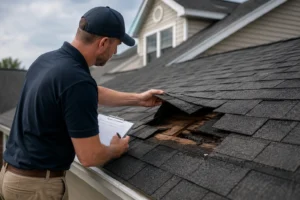
Wind damage is commonly underestimated during initial inspections. Strong winds may not remove shingles completely. Instead, they partially lift roofing materials and weaken the adhesive seals underneath. Commonly overlooked wind issues include:
- Creased shingles
- Broken seal strips
- Lifted flashing
- Ridge cap displacement
- Exposed underlayment
- Fastener pull-through
The roof may appear stable initially while becoming increasingly vulnerable to future water intrusion.
Water Intrusion Is Often the Biggest Threat
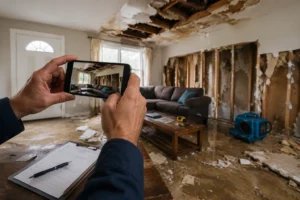
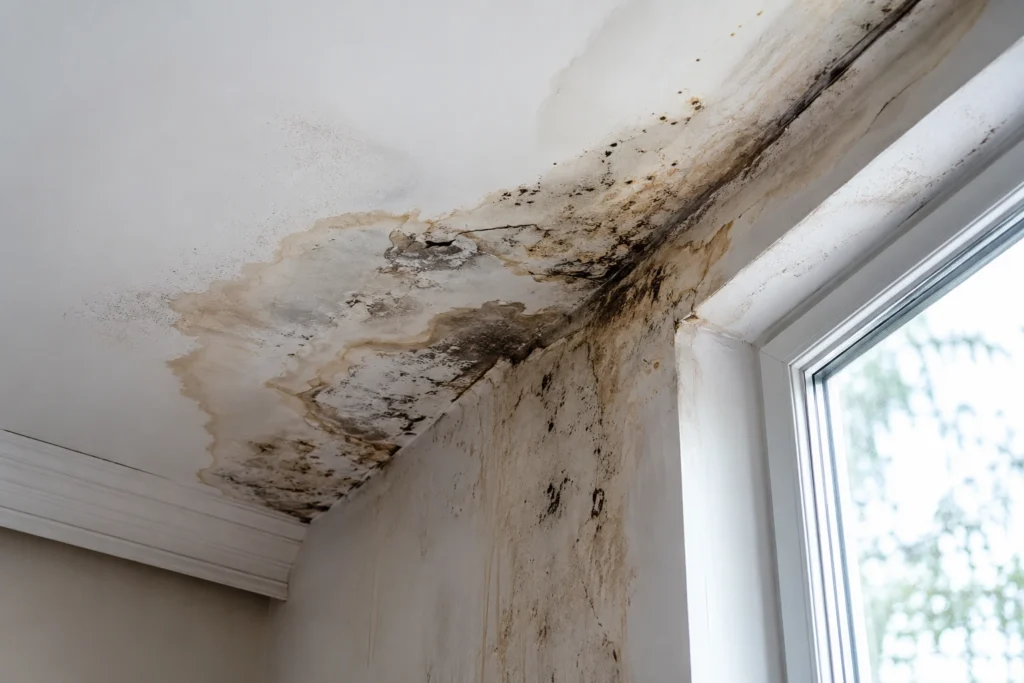
Visible roof damage is only part of the problem. Water intrusion creates secondary damage inside the structure, often spreading silently through insulation, decking, and interior walls. Once moisture enters the system, problems escalate quickly.
Signs of Hidden Moisture Problems
Watch carefully for:
- Ceiling discoloration
- Musty odors
- Bubbling paint
- Damp attic insulation
- Mold growth
- Soft drywall
- Warped ceiling textures
Once moisture enters the structure, microbial growth can begin surprisingly fast, especially in humid environments where conditions support Mycology related contamination concerns inside attics and wall cavities. By the time interior symptoms appear, the roof leak may already be weeks old.
Signs the Insurance Adjuster Missed Roof Damage
Homeowners often sense something feels incomplete after receiving the initial insurance estimate. Pay attention to that feeling.
Your Contractor Finds Additional Damage
This happens constantly during roofing projects. Contractors may uncover:
- Decking deterioration
- Moisture intrusion
- Flashing failures
- Additional shingle damage
- Ventilation problems
- Structural weaknesses
- Code compliance issues
That does not automatically mean the contractor is exaggerating damages. In many cases, contractors gain access to areas the initial inspection could not fully evaluate.
Repair Costs Increase Dramatically
One of the clearest indicators that an insurance adjuster missed roof damage is when repair pricing rises significantly after work begins. Why? Because demolition exposes hidden problems. Roofers may discover:
- Rotten decking
- Water-soaked insulation
- Structural movement
- Multiple roofing layers
- Improper flashing installation
- Ventilation deficiencies
Those discoveries often trigger supplemental insurance claims. And honestly, supplements are extremely common in storm restoration work.
Why Missed Roof Damage Creates Bigger Problems
Small roofing issues rarely remain small for long.
Water Damage Spreads Quickly
Moisture travels aggressively once it enters the roofing system. Affected areas may include:
- Roof decking
- Rafters
- Drywall
- Insulation
- Flooring
- Electrical systems
Even minor leaks can create thousands of dollars in secondary interior damage. And delayed repairs complicate insurance disputes later.
Insurance Carriers May Argue the Damage Is Old
This becomes a major issue for delayed claims. If repairs are postponed too long, carriers may argue:
- The damage resulted from wear and tear
- Poor maintenance contributed
- The roof deteriorated after the storm
- Additional weather caused new damage
Documentation becomes critical protection against those arguments. Without evidence, disputes become much harder to resolve successfully.
What Homeowners Should Do Immediately
When an insurance adjuster missed roof damage, speed matters. Not panic. Action.
Document Everything Thoroughly
Photos become powerful evidence during roofing disputes. Take wide-angle and close-up images of:
- Roof slopes
- Gutters
- Flashing
- Ceiling stains
- Attic moisture
- Damaged shingles
- Interior leaks
- Exterior elevations
Do not rely solely on the carrier’s inspection photos. Create your own documentation immediately.
Save Weather Information
Storm records strengthen claims substantially. Helpful evidence may include:
- Hail reports
- Wind speed records
- Weather service data
- Storm tracking reports
- Neighboring property damage
Weather documentation helps establish causation during supplemental negotiations.
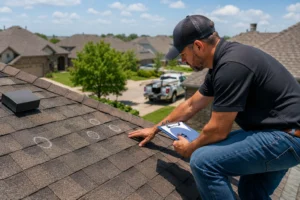
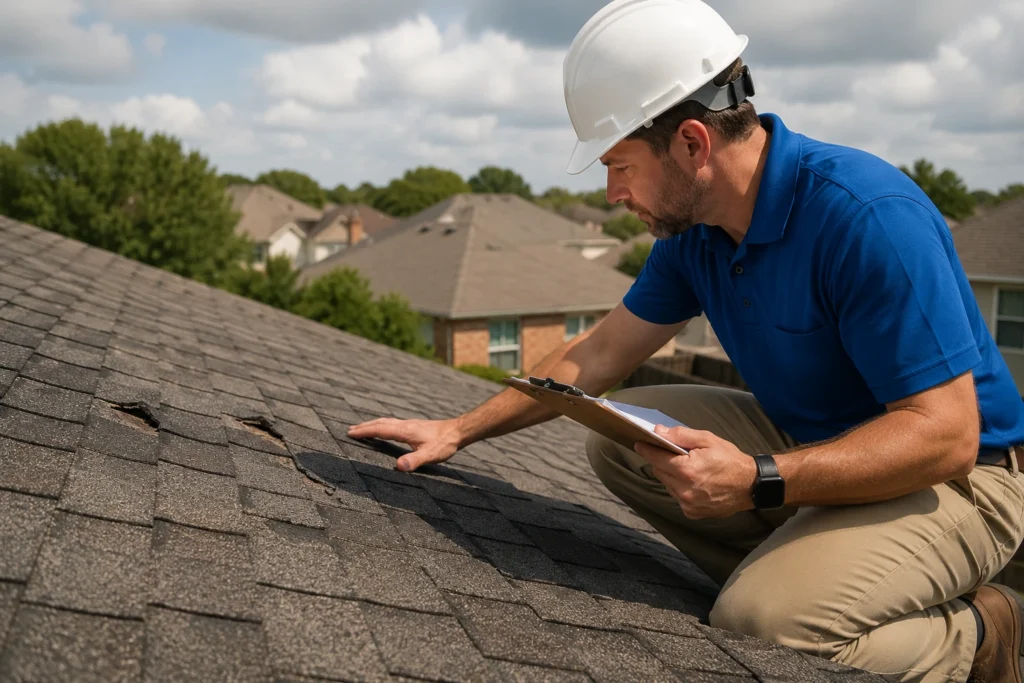
Get an Independent Roof Inspection
This step matters enormously. Independent roofing evaluations frequently reveal problems overlooked during initial inspections. Look for contractors experienced with:
- Texas storm restoration
- Insurance supplements
- Roofing code compliance
- Detailed damage documentation
A strong inspection report should include:
| Inspection Item | Why It Matters |
|---|---|
| Photos | Visual evidence |
| Moisture readings | Confirms hidden leaks |
| Damage mapping | Identifies affected areas |
| Code references | Supports supplements |
| Repair scope | Clarifies missing items |
Strong documentation changes negotiations quickly.
Review the Insurance Estimate Carefully
Most homeowners focus only on the payout amount. That is a mistake. Review the estimate line by line. Seriously. Missing items often hide inside incomplete scopes.
Commonly Omitted Estimate Items
Watch for missing charges involving:
- Drip edge replacement
- Flashing upgrades
- Ventilation components
- Starter shingles
- Ridge caps
- Dumpster fees
- Permit costs
- Steep roof charges
- Deck repairs
- Underlayment replacement
Some omissions happen accidentally. Others become negotiation points during supplements. Either way, incomplete scopes can leave homeowners paying major out-of-pocket costs.
Understanding Supplemental Claims
Supplements are normal in roofing claims. Very normal. A supplemental claim requests additional payment for damage discovered after the original estimate.
Why Supplements Happen
Roof systems contain multiple hidden layers. Contractors often cannot fully inspect those layers until repairs begin. Common supplement triggers include:
- Hidden decking damage
- Additional material replacement
- Moisture intrusion
- Building code upgrades
- Manufacturer requirements
- Material pricing increases
When an insurance adjuster missed roof damage, supplements often become the tool used to correct incomplete estimates.
Building Codes Can Increase Roofing Costs
Building code compliance becomes one of the biggest reasons roofing claims increase after inspections. Older roofs frequently fail to meet current Texas requirements.
Common Roofing Code Issues
Contractors often uncover problems involving:
- Deck renailing
- Flashing replacement
- Drip edge installation
- Ventilation corrections
- Underlayment standards
- Fastener spacing
These requirements increase repair costs significantly. And most homeowners do not anticipate those expenses during the initial inspection. Over time, repeated storm exposure creates cumulative structural stress on roofing materials, a process somewhat comparable to Fatigue, where repeated pressure weakens surfaces long before complete failure becomes visible.
Why Documentation Wins Roofing Disputes
Insurance disputes are rarely resolved through emotion. They are resolved through evidence. That means:
- Clear photos
- Moisture readings
- Contractor reports
- Building code citations
- Manufacturer specifications
- Detailed estimates
The stronger the documentation, the harder incomplete estimates become to defend. This is exactly why experienced storm restoration contractors maintain extensive inspection records during claims.
When to Consider Hiring a Public Adjuster
Not every claim requires a public adjuster. But some situations absolutely benefit from one. Especially when:
- The claim is underpaid
- Roof damage is disputed
- Supplements become complicated
- Large storm losses are involved
- Multiple inspections disagree
A public adjuster represents the policyholder, not the insurance company. That distinction matters tremendously.
What Public Adjusters Actually Do
An experienced public adjuster may:
- Review insurance estimates
- Reinspect the property
- Document overlooked damage
- Negotiate supplemental payments
- Coordinate evidence
- Communicate directly with carriers
Their goal is to ensure the claim reflects the actual damage present. Not simply the first inspection.
Mistakes Homeowners Should Avoid
Certain decisions create much larger problems later. Avoid these mistakes whenever possible.
Accepting the First Estimate Too Quickly
Initial inspections are not always complete. Review everything carefully before approving repairs or closing claims.
Hiring Cheap Contractors
Low bids often create poor workmanship. Poor workmanship later creates insurance complications. Always verify:
- Licensing
- Insurance coverage
- Storm restoration experience
- References
- Local reputation
Waiting Too Long to Act
Delays create additional deterioration. And additional deterioration complicates claims. Temporary mitigation matters enormously. Protect the structure immediately whenever possible.
Failing to Keep Records
Organized documentation strengthens your position tremendously. Keep:
- Inspection reports
- Emails
- Receipts
- Photos
- Contractor estimates
- Claim correspondence
Small details become important later. Very important.
Final Thoughts
When an insurance adjuster missed roof damage, homeowners often feel trapped between confusing inspections, rising repair costs, and frustrating claim delays. But overlooked damage does not mean the process is over. You still have options. The key is acting quickly, documenting thoroughly, and understanding how storm-related roofing claims actually evolve after inspections. Many roofing problems only become visible once contractors begin deeper evaluations and repairs. And honestly, that is completely normal in storm restoration work. The strongest homeowners approach claims strategically. They gather evidence, compare estimates carefully, protect the property before hidden moisture and structural deterioration worsen. Most importantly, they do not assume the first inspection tells the entire story. Because sometimes, the biggest roofing problems are the ones nobody noticed the first time around.
FAQs
Yes, many homeowners reopen claims after contractors discover additional storm damage during repairs or inspections. Proper documentation is critical when requesting supplemental payments.
Strong evidence includes photos, contractor reports, moisture readings, weather data, and detailed repair estimates that show overlooked storm-related issues.
Absolutely. Hail damage can weaken shingles, flashing, and underlayment without creating immediate visible leaks or major exterior damage.
Insurance companies may approve supplements if the additional damage is properly documented and connected to the covered storm event.
Yes. Independent roofing inspections often uncover issues that were not fully identified during the original adjuster inspection.
Delayed leaks may indicate hidden storm damage that worsened over time. Homeowners should document the damage immediately and notify their carrier as soon as possible.
Yes. Older roofs can still qualify for coverage if the storm created functional damage beyond normal aging or wear and tear.
Contractors often uncover hidden decking damage, moisture intrusion, or code compliance issues once roofing materials are removed during repairs.
Yes. Local building code requirements can increase repair costs significantly, especially when older roofs fail to meet current installation standards.
A public adjuster may help when claims are underpaid, damage is disputed, supplements become complicated, or the insurance adjuster missed roof damage during the original inspection.