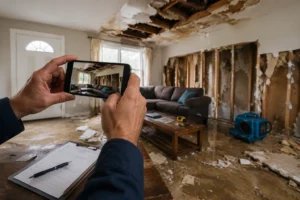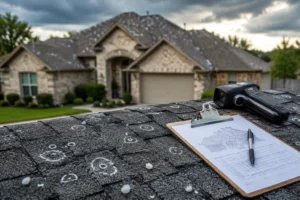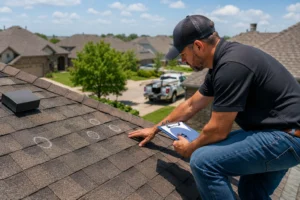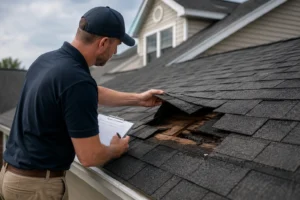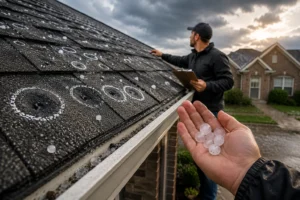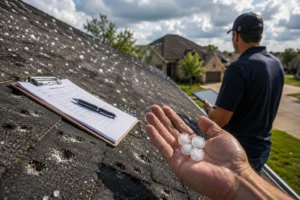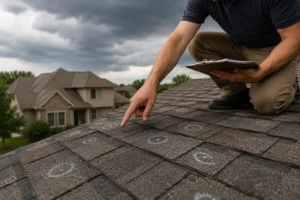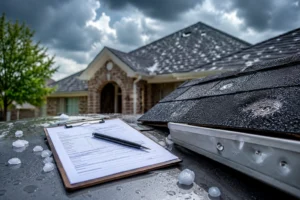

A storm hits hard. Hail slams into the roof. Gutters dent. Water stains suddenly appear inside the home. Then the insurance estimate arrives and the numbers feel completely off. An underpaid hail damage insurance claim can leave homeowners frustrated, overwhelmed, and stuck paying thousands out of pocket for repairs that should have been covered properly. And honestly? This situation is incredibly common in Texas. Many homeowners assume the insurance company’s first estimate is final. It is not. Important damage often gets missed, pricing can be too low, and building code upgrades may be excluded entirely. The result is a settlement that fails to restore the property correctly after a major hailstorm. The good news is that underpaid claims can often be challenged successfully with strong documentation, careful inspections, and organized negotiations.
What Is an Underpaid Hail Damage Insurance Claim?
An underpaid hail damage insurance claim happens when the insurance company accepts the claim but pays less than what is reasonably needed to complete repairs properly. This is different from a denied claim. The carrier may agree that hail caused damage while still disputing the repair cost. That distinction matters because homeowners may still have opportunities to pursue additional compensation. Common examples of underpaid hail claims include:
- Partial roof replacement approvals instead of full replacement
- Missing roofing components in the estimate
- Low labor pricing
- Ignored code upgrades
- Excessive depreciation
- Interior damage exclusions
- Cosmetic-only damage classifications
Large Texas hailstorms often create thousands of claims simultaneously. When claim volume increases, inspections sometimes become rushed. That is where underpayments begin.
Why Insurance Companies Sometimes Underpay Hail Claims
Not every low settlement happens intentionally. But several common factors regularly contribute to claim underpayments.
Catastrophe Claim Volume
After major Texas storms, insurance carriers may process enormous numbers of claims within a short period. That creates pressure. Temporary catastrophe adjusters are frequently assigned to storm zones to help handle the workload quickly. Some are highly experienced. Others may lack familiarity with local roofing systems, Texas code requirements, or regional contractor pricing. Fast inspections often miss important details.
Incomplete Roof Inspections
Some hail damage is easy to spot immediately. Other damage is subtle. Bruised shingles, lifted tabs, flashing damage, compromised underlayment, and soft metal impacts may require detailed inspection techniques to identify properly. A quick walk around the property rarely tells the full story. Commonly overlooked damage includes:
| Commonly Missed Damage | Why It Matters |
|---|---|
| Soft metal dents | Confirms hail severity |
| Flashing damage | Can create leaks |
| Ventilation damage | Impacts roof lifespan |
| Underlayment issues | Hidden moisture risk |
| Interior staining | Indicates water intrusion |
The shorter the inspection, the greater the chance that damage gets overlooked.
Pricing Disputes
Insurance companies frequently rely on estimating software to determine repair pricing. The problem is simple. Real-world contractor pricing changes constantly after large storms. Labor shortages, material demand spikes, permit costs, and supply chain issues can increase roofing prices rapidly throughout Texas markets. When pricing software lags behind actual market conditions, settlements often come in too low.
Policy Interpretation Disputes
Some underpaid claims involve disagreements about policy language itself. This may include:
- Actual cash value versus replacement cost
- Cosmetic damage exclusions
- Matching disputes
- Code upgrade coverage
- Depreciation calculations
Many homeowners never review these details until problems appear during the claim process.
Signs Your Hail Damage Claim May Be Underpaid
Sometimes the warning signs are obvious. Other times, they hide inside the estimate itself.
The Contractor Estimate Is Much Higher
This is one of the biggest red flags. If experienced roofing contractors consistently estimate repairs far above the insurance settlement, the claim likely deserves closer review. Large pricing gaps often indicate:
- Missing repair items
- Incomplete inspections
- Low material pricing
- Ignored code requirements
The Inspection Felt Rushed
You notice this immediately. The adjuster spends only a few minutes at the property, takes a handful of photos, glances at the roof, and leaves quickly. Thorough hail inspections usually require far more time than that. Especially on steep or complex roofs.
Important Roofing Components Are Missing
Carefully review the estimate for missing items such as:
- Drip edge
- Starter shingles
- Ridge cap
- Flashing
- Ventilation components
- Ice and water barriers
- Steep roof charges
Missing line items usually mean missing money.
The Scope Sheet Looks Generic
Vague repair descriptions can signal incomplete evaluations. Detailed scopes matter because every repair component affects the settlement amount.
Types of Hail Damage Commonly Missed
Not all storm damage looks dramatic immediately after impact. That creates problems during claims.
Roof Surface Damage
Hail can create:
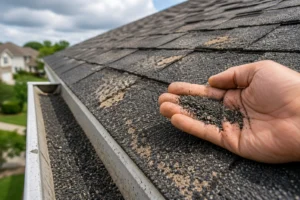
- Granule loss
- Bruising
- Cracked shingles
- Fractures
- Lifted tabs
These problems weaken roofing systems over time even if leaks have not developed yet.
Soft Metal Damage
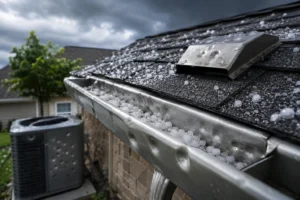
Soft metal components help confirm hail severity. Dented vents, flashing, gutters, and downspouts often support broader roof damage findings during inspections. Some carriers attempt to classify these dents as cosmetic only, even when they indicate substantial storm impact.
Hidden Structural Damage
Some of the most expensive storm damage remains hidden initially. Water intrusion beneath roofing materials may damage:
- Roof decking
- Insulation
- Ventilation systems
- Structural framing
These issues often appear weeks or months after the storm.
Interior Water Damage
Small ceiling stains should never be ignored. Even minor discoloration may signal moisture intrusion inside the attic or wall systems. Delayed repairs can lead to mold growth and structural deterioration over time.
How to Document an Underpaid Hail Damage Insurance Claim
Documentation changes everything during claim disputes. Organized evidence creates leverage.
Take Detailed Photos
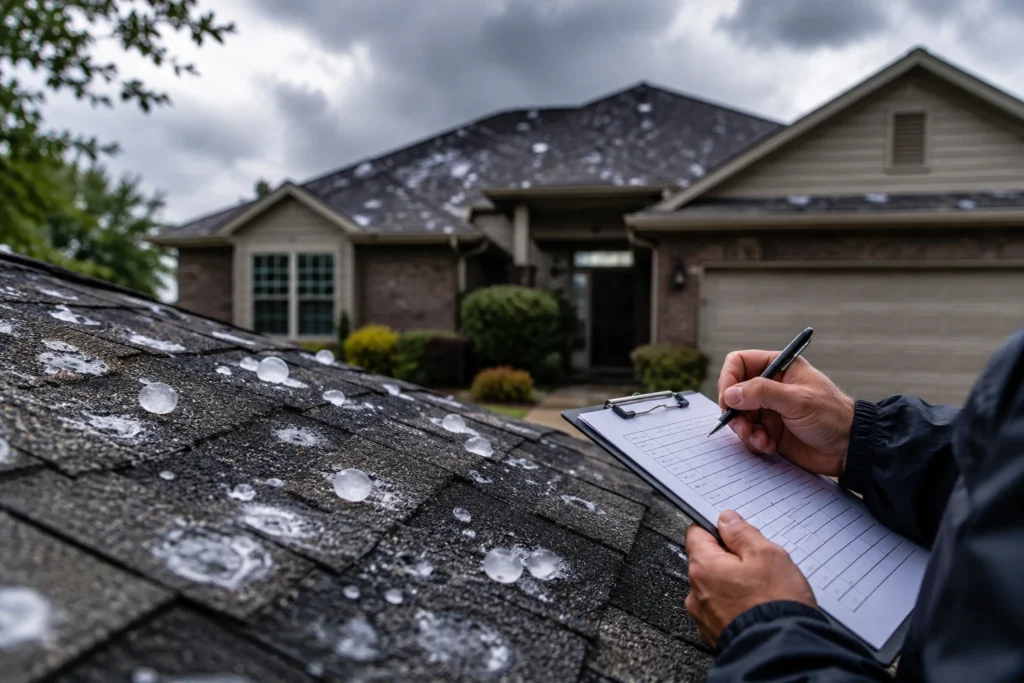
Strong photo documentation should include:
- Wide-angle roof photos
- Close-up hail impacts
- Soft metal dents
- Interior water stains
- Damaged gutters
- Storm debris around the property
Date-stamped images help establish clear timelines.
Gather Independent Inspections
Do not rely entirely on a single inspection. Independent roofing contractors often identify missing damage, overlooked code issues, or incomplete scope items that support supplemental negotiations later.
Keep Communication Records
Maintain records for:
- Emails
- Claim numbers
- Inspection dates
- Phone call summaries
- Contractor estimates
- Adjuster conversations
The more organized the documentation becomes, the stronger the claim position usually gets.
Use Weather Reports
Storm verification reports can help support causation during claim disputes. Detailed weather mapping often confirms hail size, storm timing, and impact zones. In some severe claim investigations, roofing professionals rely on highly detailed inspection methods with near Forensic engineering levels of analysis to identify hidden structural concerns.
Understanding Insurance Scope Sheets
Many homeowners focus only on the payout number. That is a mistake. The scope sheet itself often reveals where the underpayment occurred.
What a Scope Sheet Includes
A proper scope should contain:
| Scope Item | Purpose |
|---|---|
| Tear-off labor | Removes damaged roofing |
| Underlayment | Provides moisture protection |
| Flashing | Prevents leaks |
| Ventilation | Maintains airflow compliance |
| Disposal fees | Removes roofing debris |
If items are missing from the scope, they are usually missing from the payment too.
Common Underpayment Areas
These items frequently trigger supplemental requests:
- Drip edge installation
- Deck renailing
- High roof access fees
- Steep roof charges
- Ventilation upgrades
- Flashing replacement
Experienced contractors often identify these omissions immediately.
The Role of Building Codes in Hail Claims
Building codes matter more than many homeowners realize. Older roofs frequently fail to meet current standards during replacement projects. That increases repair costs. And those additional costs may qualify for coverage depending on the policy.
Common Code-Related Upgrades
| Code Upgrade | Why It Increases Cost |
|---|---|
| Drip edge installation | Required by current standards |
| Deck renailing | Improves wind resistance |
| Ventilation upgrades | Prevents moisture buildup |
| Ice barriers | Required in certain roof areas |
Ignoring these upgrades can create severely underpaid settlements.
Ordinance and Law Coverage
Some insurance policies include Ordinance and Law coverage, which may help pay for code-required upgrades during repairs. Many homeowners overlook this entirely because they never review the policy details closely enough. That oversight can become expensive. During complicated negotiations, claim files can begin resembling a Palimpsest, with multiple revisions, layered documentation, and evolving repair scopes appearing throughout the process.
What to Do If Your Hail Damage Claim Was Underpaid
The first settlement is not always the final answer. That point matters.
Request a Reinspection
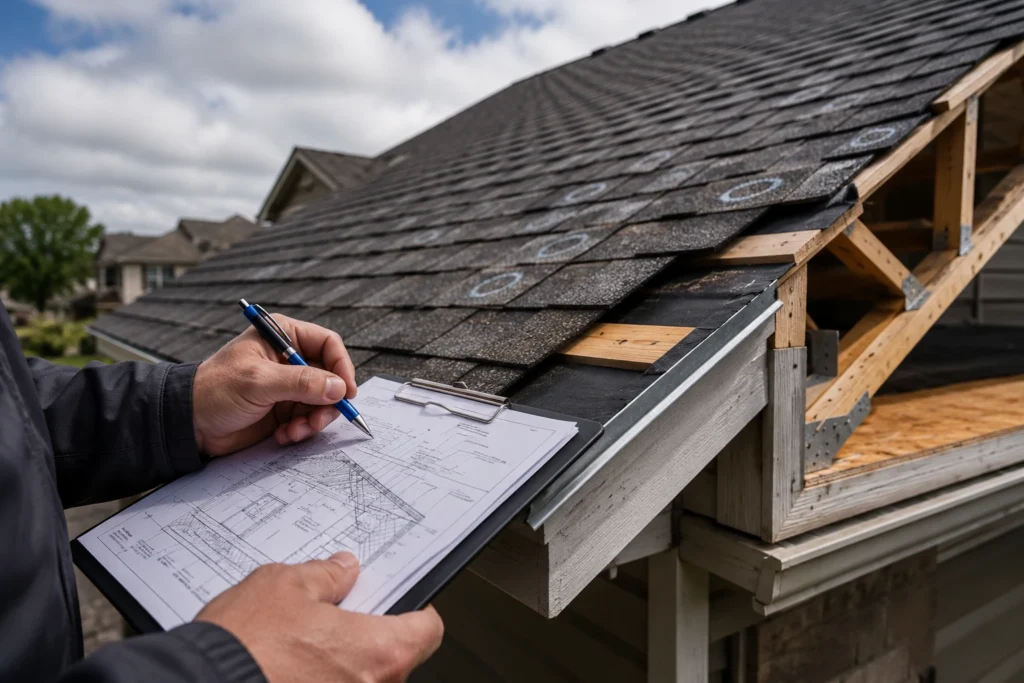
If important damage was overlooked, request another inspection with supporting documentation. Bring:
- Contractor estimates
- Photos
- Code references
- Supplemental findings
Specific evidence strengthens reinspection requests significantly.
Submit Supplemental Documentation
Supplements are extremely common during large hail claims. Additional estimates, hidden damage discoveries, code upgrades, and updated contractor findings often justify increased payments during repairs.
Review the Insurance Policy
Pay close attention to:
- Deductibles
- Exclusions
- Depreciation language
- Replacement cost provisions
- Cosmetic damage limitations
Understanding the policy improves negotiation leverage.
Stay Professional During Negotiations
Frustration is understandable. But organized communication consistently works better than emotional arguments. Insurance disputes are evidence battles. Not volume contests.
How a Public Adjuster Can Help
A public adjuster represents the policyholder rather than the insurance company. That distinction becomes important during large or disputed hail claims.
What Public Adjusters Typically Handle
They may assist with:
- Policy review
- Damage documentation
- Supplemental estimates
- Negotiations
- Claim organization
Large storm claims become overwhelming quickly. Professional structure can help homeowners navigate the process more effectively.
Why Texas Hail Experience Matters
Texas roofing systems vary significantly. Metal roofs, steep-slope systems, tile roofs, and regional code requirements create technical inspection challenges that require experience and local market knowledge. That expertise can affect settlement outcomes dramatically.
Mistakes Homeowners Make After an Underpaid Settlement
Some mistakes unintentionally weaken claims even further.
Accepting the First Offer Too Quickly
Initial settlements are not always accurate. Homeowners sometimes sign agreements before understanding the true repair cost. Once hidden damage appears later, reopening claims becomes more difficult.
Delaying Repairs
Small leaks become large problems quickly. Water intrusion may eventually cause:
- Mold growth
- Structural deterioration
- Ceiling damage
- Insulation problems
Delays increase both repair costs and future claim complications.
Throwing Away Documentation
Never discard:
- Photos
- Estimates
- Emails
- Inspection reports
- Repair invoices
Strong records often become critical during supplemental negotiations.
Preventing Future Hail Claim Problems
Preparation before the next storm matters.
Schedule Regular Roof Inspections
Annual inspections help establish roof condition before future storm events occur. That documentation can strengthen later claims significantly.
Understand the Insurance Policy
Know your:
- Deductible structure
- Coverage limits
- Cosmetic exclusions
- Endorsements
- Claim deadlines
Too many homeowners learn these details after damage already happens.
Maintain Property Records
Keep records for:
- Roof age
- Prior inspections
- Maintenance history
- Contractor repairs
Detailed property history supports stronger claims over time.
Conclusion
An underpaid hail damage insurance claim can place enormous financial pressure on homeowners trying to recover after severe Texas storms. The repair process becomes even harder when important damage gets overlooked or settlement amounts fail to reflect real-world repair costs. But homeowners still have options. Detailed inspections, organized documentation, strong supplemental evidence, and careful policy review can significantly improve claim outcomes. Many underpaid claims are eventually corrected once overlooked damage, building code requirements, and hidden repair costs are properly documented. The key is acting early. Review every estimate carefully. Compare contractor scopes closely. Keep communication organized. And most importantly, do not assume the insurance company’s first number automatically represents the true cost of restoring the property correctly after a hailstorm.
FAQs
It means the insurance company approved the claim but paid less than what is needed to properly repair the storm damage.
Yes. Homeowners can request a reinspection, submit supplemental documentation, and negotiate additional payment if damage was overlooked.
Large differences between contractor estimates and the insurance payout are often a strong warning sign of underpayment.
Absolutely. Independent inspections often uncover missing damage or code-related repairs that were not included in the original estimate.
Soft metal dents, flashing damage, underlayment issues, and hidden water intrusion are frequently overlooked during fast inspections.
Yes. Certain policies may cover code-required upgrades through Ordinance and Law coverage provisions.
The timeline depends on the policy language and claim circumstances, so homeowners should act quickly after identifying problems with the settlement.
It depends on the severity of the damage, policy coverage, and whether repairs can properly restore the roofing system.
Yes. Public adjusters may assist with documentation, estimate reviews, supplemental negotiations, and policy interpretation.
Keep all photos, inspection reports, estimates, invoices, emails, and claim correspondence in case disputes arise later.