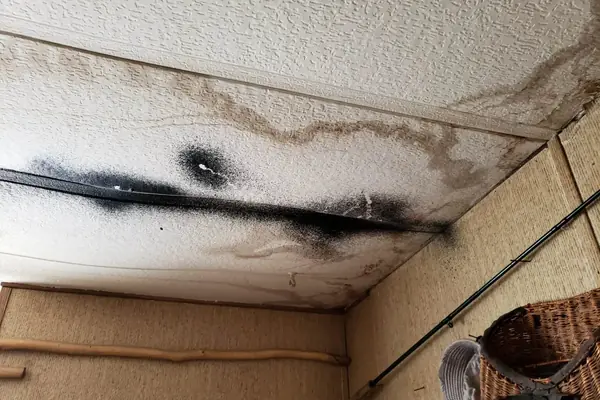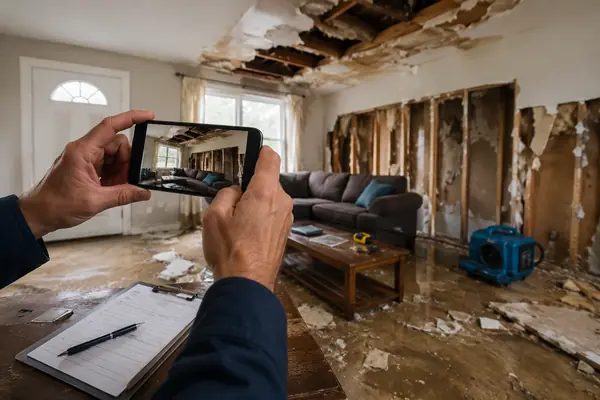
A water damage public adjuster documents where the water came from, maps how far it spread, and prices the dry-out, tear-out and rebuild so the carrier pays for the whole loss rather than the part it can see. Most water claims that go wrong do so in the first two weeks: the cause is described loosely, wet materials are missed, or the mitigation bill is cut and the homeowner is left to pay the difference.
Common water losses we handle
- Burst and frozen pipes. Winter Storm Uri in February 2021 burst pipes in attics, exterior walls and garages across the state. Freeze losses still come up every winter, and they usually involve both a plumbing repair and widespread interior damage.
- Appliance and supply-line leaks. Failed washing machine hoses, ice-maker lines, dishwasher connections, toilet supply lines and water heaters.
- Slab leaks. A leak in a supply line under a slab foundation can wet flooring across several rooms before anyone notices.
- Roof leaks after storms. Water entering through wind or hail damage to the roof. The interior damage is tied to the roof claim, so both have to be documented together. See our page on roof and hail claims.
Sudden and accidental, or continuous seepage
Most Texas homeowners policies cover water that escapes suddenly and accidentally from a plumbing system or appliance, and exclude damage from water that leaked continuously or repeatedly over time. The same stained subfloor can fall on either side of that line, so the carrier's first job is deciding which story your loss tells.
Usually treated as sudden and accidental
- A supply line that ruptured and flooded the kitchen overnight
- A pipe that froze and split during a hard freeze
- A water heater tank that failed and released its contents
Usually argued as long-term seepage
- A slow drip under a sink that rotted the cabinet floor
- A shower pan that leaked for months
- Staining with multiple tide lines or established mold growth
Many losses have both: a sudden failure on top of an older, small leak. The adjuster may try to label the whole thing long-term. We document the failed part, keep it if possible, and record the pattern of damage so the sudden portion is separated from any pre-existing condition. Policy wording on these exclusions varies, so we read yours rather than assume.
Mold sublimits
Many Texas policies limit mold remediation to a small sublimit or exclude it unless the mold results from a covered water loss. Mold also strengthens the carrier's argument that the leak was long-term. Fast mitigation is the best protection on both counts. If mold is already present, find the mold provisions in your policy before remediation starts so you know what is covered.
Flood versus wind-driven rain
Standard homeowners policies exclude flood, meaning surface water rising from outside. That needs a separate NFIP or private flood policy. Rain that enters through a storm-created opening in the roof or walls is a different coverage question, and wind-driven rain coverage depends on the policy wording. When a storm brings both rising water and roof damage, documenting which rooms were hit from above and which from below matters. Our hurricane and windstorm page covers that dispute in more detail.
Mitigation invoices and how carriers dispute them
Your policy requires you to protect the property from further damage, which usually means calling a water mitigation company to extract water and run drying equipment. Carriers then scrutinize those invoices. The common objections:
- Too many air movers or dehumidifiers for the size of the room
- Equipment left running for more days than the readings justified
- Monitoring, antimicrobial or containment charges called unnecessary
- Pricing above the carrier's preferred rates
The answer is the drying log. Daily moisture readings, equipment counts and photos showing when each area reached dry standard are what justify the bill. We review the mitigation company's documentation, ask for missing logs, and present them with the claim. We coordinate with your mitigation company but don't take payment from it. Texas law forbids that (§4102.158).
Moisture mapping, tear-out and access
Water travels under flooring, behind baseboards, into wall cavities and down into lower floors. A visual inspection misses most of it. We use moisture meters to map the wet area room by room and record the readings on a floor plan, then capture the rooms with a Matterport 3D scan so the layout, cabinets and finishes are on record before tear-out.
The estimate then has to include the cost of getting to the damage and putting it back:
- Removing and replacing baseboards, drywall to the wet line, insulation and flooring
- Detaching and resetting or replacing cabinets and countertops
- Access costs to reach a slab leak or wall pipe, such as cutting flooring or concrete, where your policy covers tear-out
- Painting whole rooms or wall runs so the repair blends
- Continuous flooring that runs into undamaged rooms, where the policy wording supports it
- Contents moving, storage and reset during the work
Many policies cover the cost of tearing out and replacing parts of the building to reach the leak, but not the repair of the failed pipe or appliance itself. We price the access work separately so it doesn't get lost.
Free toolClaim documentation checklistAn interactive, printable checklist for hail, water, fire and wind claims. Progress saves in your browser.Living expenses and contents
If the home can't be lived in during drying and repairs, loss of use coverage (often called ALE, additional living expenses) pays the increase in your costs: hotel or rental, extra mileage, and meals above your normal grocery spend. Keep every receipt and a simple log. A kitchen loss can make a house unlivable even when the bedrooms are dry.
Wet contents such as furniture, rugs, clothing and electronics are a separate part of the claim. Photograph items before they are thrown out, and keep samples of materials like carpet and pad. Our contents inventory builder helps you list damaged items room by room.
First steps after a water loss
- Stop the water. Shut off the main or the fixture valve and photograph the failed part. Keep it.
- Report the claim and start mitigation. Notify your carrier and get drying started. Ask the mitigation company for daily readings and photos.
- Photograph before tear-out. Walls, floors, cabinets and contents, wide and close up.
- Get your claim reviewed. Call us before you accept a scope of repairs, especially if the carrier's estimate is limited to one room.
For more on what to expect from the carrier's side, read dealing with the insurance adjuster after water damage.
Frequently asked questions
Does homeowners insurance cover a slab leak in Texas?
Many policies cover the water damage from a sudden slab leak and the cost to tear out and replace parts of the house to reach it, but not the repair of the pipe itself. The exact coverage depends on your policy wording and any endorsements.
Why did my insurance company cut the water mitigation bill?
Carriers commonly dispute equipment counts, drying days and line items they consider unnecessary. Daily moisture readings and photos from the mitigation company are the evidence that justifies the charges.
What does "continuous or repeated seepage" mean on a denial letter?
It means the carrier believes the water leaked slowly over a long period, which most policies exclude. If the failure was actually sudden, the failed part, the pattern of damage and timely moisture readings can support that.
Is water from a hurricane covered by homeowners insurance?
Rising floodwater is excluded from standard homeowners policies and needs flood insurance. Rain entering through storm damage to the roof or walls may be covered under the homeowners policy, depending on the wording.
Does insurance pay for a hotel during water damage repairs?
If the home is unlivable because of a covered loss, loss of use coverage typically pays the extra cost of living elsewhere, such as a hotel or rental and increased meal costs. Keep every receipt.

Joseph inspects, documents and negotiates residential and commercial property claims across Texas, working only for policyholders.