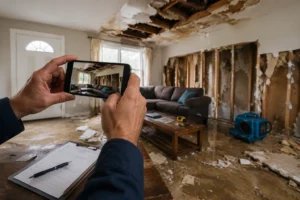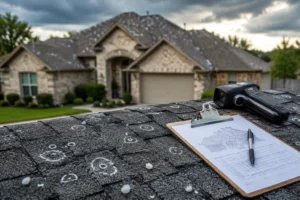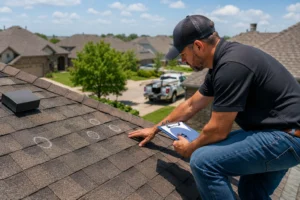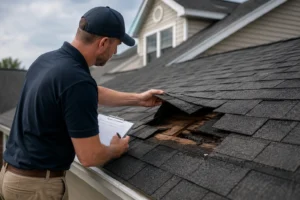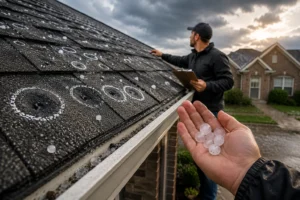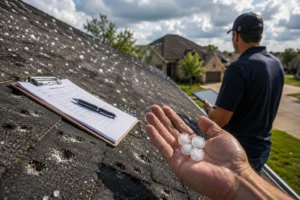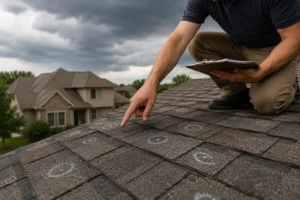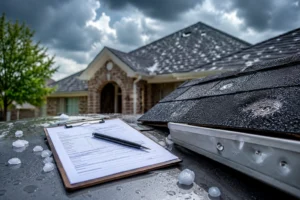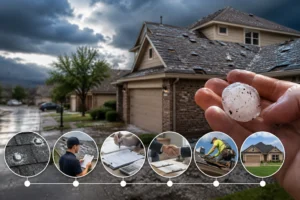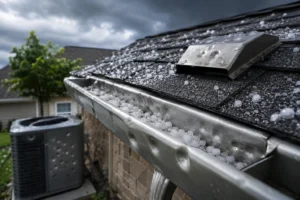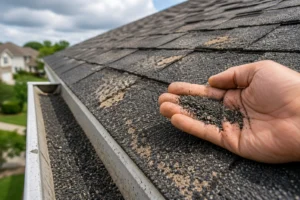

Texas hailstorms create expensive problems fast. One storm can leave a roof covered in bruised shingles, dented flashing, cracked vents, and hidden leaks that worsen over time. Then the insurance estimate arrives. And sometimes, the numbers simply do not make sense. That is where appraisal for hail damage claim becomes important. When homeowners and insurance companies disagree about repair costs, the appraisal process can help resolve the dispute without immediately stepping into a courtroom. For Texas property owners dealing with low estimates, incomplete inspections, or disputed roof replacements, understanding how appraisal works can make a major financial difference.
What Is an Appraisal for a Hail Damage Claim?
An appraisal is a formal dispute-resolution process found in many Texas homeowners insurance policies. It is designed to settle disagreements over the amount of loss after property damage occurs. This matters because insurance companies and contractors often produce dramatically different estimates after hailstorms. The insurer may approve minor repairs. Meanwhile, contractors may identify:
- Full roof replacement needs
- Damaged flashing
- Underlayment problems
- Ventilation issues
- Water intrusion
- Soft metal impacts
An appraisal for hail damage claim helps determine a fair value for the repairs. Importantly, appraisal usually focuses on pricing and scope disputes. It does not typically decide legal liability or bad faith allegations.
The Purpose of the Appraisal Process
The appraisal process exists because storm claims are rarely simple. Roof systems contain many components, and missing even a few line items can reduce claim values significantly. Appraisal provides a structured way to resolve those disagreements efficiently. For homeowners, that can mean faster claim resolution compared to lengthy litigation.
What Appraisal Does Not Decide
Homeowners should understand the limits of appraisal. The process generally does not determine:
- Whether the damage is covered
- Whether the insurer acted unfairly
- Whether policy exclusions apply
- Whether the claim was denied properly
It focuses mainly on the amount of loss.
Common Reasons Homeowners Request an Appraisal
Most homeowners pursue appraisal after noticing serious differences between contractor estimates and insurance paperwork. The gap can become impossible to ignore. Common reasons include:
- Low insurance estimates
- Missed roof damage
- Discontinued shingles
- Incomplete repair scopes
- Interior water damage exclusions
- Code upgrade disputes
- Incorrect depreciation calculations
Sometimes the initial inspection feels rushed. Other times, important roof components never appear in the estimate at all.
Signs Your Hail Claim May Be Undervalued
Certain warning signs appear repeatedly in underpaid claims.
| Warning Sign | Why It Matters |
|---|---|
| Very short inspection | Damage may have been overlooked |
| Multiple contractor disagreements | Scope issues may exist |
| Missing soft metal damage | Inspection may be incomplete |
| Large depreciation deductions | Final payout may fall short |
| No attic inspection | Hidden moisture could be missed |
If several of these issues appear together, homeowners should review the estimate carefully before accepting payment.
Understanding the Appraisal Clause in Texas Insurance Policies
Most Texas insurance policies contain an appraisal clause buried within the policy language. Many homeowners do not notice it until a dispute develops. The wording varies slightly between carriers, but the process remains similar. When disagreement exists regarding the amount of loss:
- The homeowner selects an appraiser
- The insurance company selects its appraiser
- The two appraisers attempt to agree
- If necessary, an umpire resolves disputes
Once agreement is reached, the appraisal award often becomes binding.
How Texas Policies Typically Structure Appraisal
The process usually involves three parties.
| Role | Responsibility |
|---|---|
| Homeowner’s Appraiser | Evaluates damage value |
| Insurance Appraiser | Reviews insurer valuation |
| Umpire | Resolves disagreements |
If two of the three agree on the amount, the appraisal award is generally finalized.
Step-by-Step Breakdown of the Appraisal Process
The appraisal process may sound intimidating, but it usually follows a predictable structure.
Step 1: Disagreement Over the Claim Amount
The process starts when the homeowner believes the insurance estimate does not fully reflect the actual damage. This often happens after:
- Roofing contractor inspections
- Supplemental estimates
- Moisture evaluations
- Interior leak discoveries
Detailed documentation becomes extremely important at this stage.
Step 2: Invoking Appraisal
One party submits a formal written appraisal demand. Timing matters. Insurance policies sometimes contain procedural requirements or deadlines that affect appraisal rights. Delays can complicate the process after large Texas storm events.
Step 3: Selecting an Appraiser
Choosing the right appraiser matters more than many homeowners realize. A qualified appraiser should understand:
- Hail damage patterns
- Roofing systems
- Building codes
- Insurance estimating software
- Repair pricing trends
Inexperienced appraisers may overlook critical damage details.
Step 4: Choosing an Umpire
If the two appraisers cannot fully agree, an umpire enters the process. The umpire acts as a neutral third party and helps settle unresolved valuation disputes. This becomes especially important during major roof replacement disagreements.
Step 5: Inspection and Scope Review
The property inspection stage is where the technical analysis happens. Appraisers may evaluate:
- Roof test squares
- Shingle mat fractures
- Soft metal dents
- Flashing damage
- Water intrusion
- Interior staining
- Ventilation systems
During complex inspections, some professionals may use methods related to Thermography to help identify hidden moisture issues beneath roofing materials. Accurate documentation often determines how strong the appraisal position becomes.
Step 6: Final Appraisal Award
Once agreement is reached, the appraisal award is issued. The insurance company then adjusts payment based on the finalized amount, minus deductibles and policy limitations. For some homeowners, the increase can be substantial.
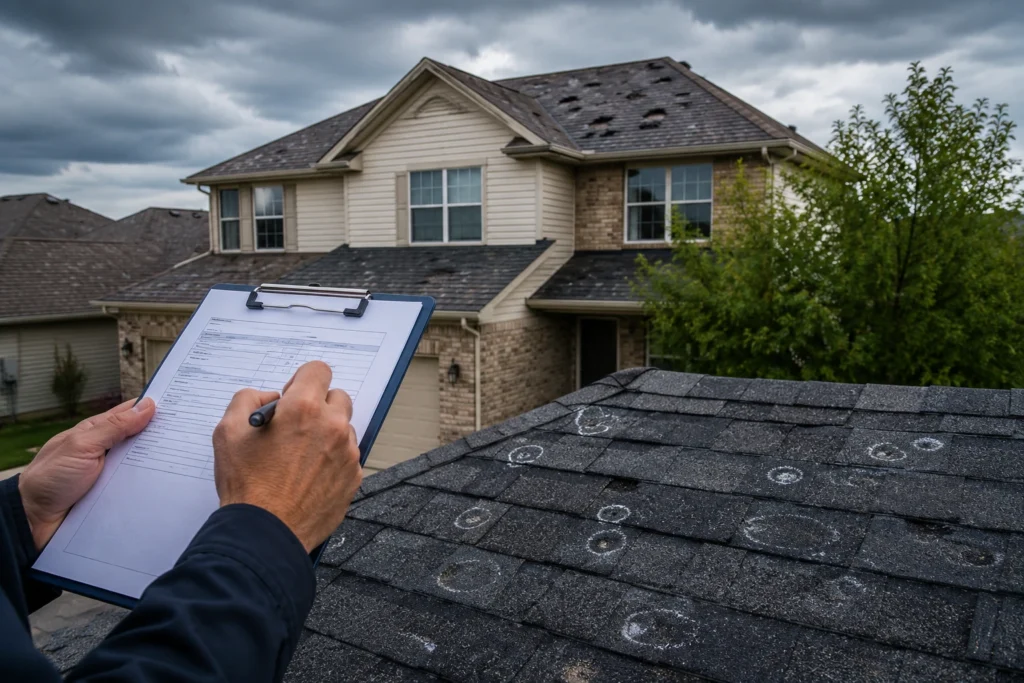
What Evidence Strengthens an Appraisal for Hail Damage Claim
Strong evidence changes the entire appraisal process. Weak documentation creates uncertainty. Homeowners pursuing appraisal for hail damage claim should focus heavily on gathering organized proof before the process begins.
Roofing Contractor Reports
Detailed contractor reports provide technical support for disputed repair scopes. Strong reports often include:
- Roof measurements
- Material specifications
- Photo references
- Code requirements
- Line-item pricing
- Damage summaries
One-page estimates with little detail rarely help much during appraisal.
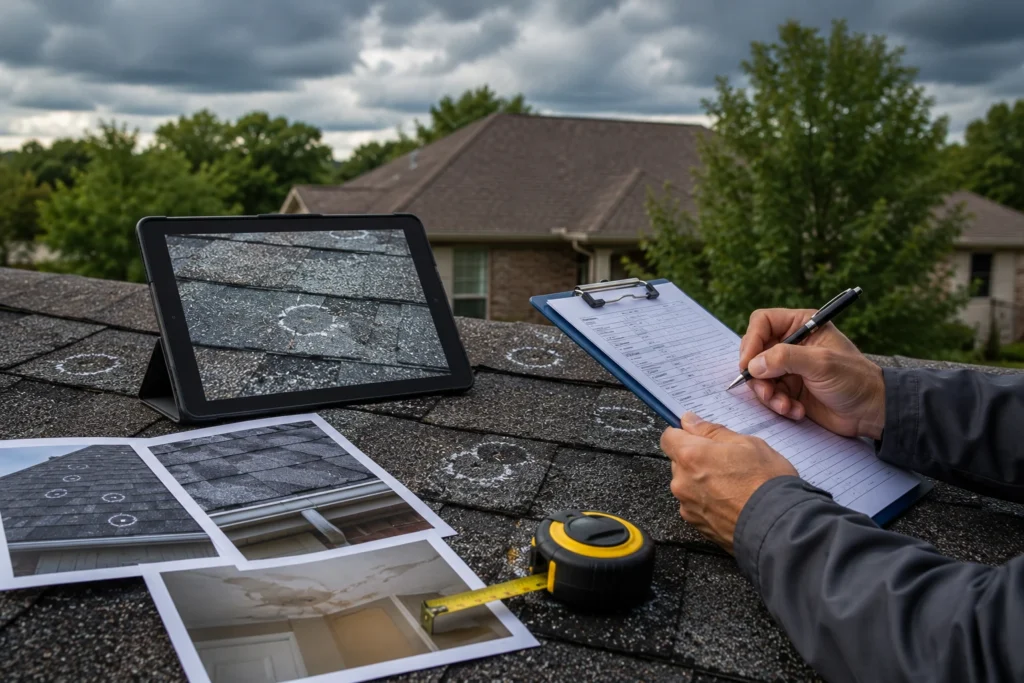
Photos and Video Evidence
Visual evidence matters enormously. Helpful documentation includes:
- Close-up hail impacts
- Soft metal dents
- Granule loss
- Broken shingles
- Interior water stains
- Flashing damage
Wide-angle roof photos also help establish overall storm patterns.
Weather Data and Storm Reports
Storm verification can strengthen causation arguments. Useful evidence may include:
- NOAA weather reports
- Hail maps
- Radar history
- Date-of-loss verification
- Local storm tracking records
Large hail events sometimes resemble regional Catastrophe modeling scenarios used by insurers to estimate widespread storm losses.
Supplemental Estimates
Supplemental estimates frequently reveal what the original insurance scope missed. This may include:
- Underlayment replacement
- Starter shingles
- Drip edge installation
- Ventilation upgrades
- Ice and water barriers
- Flashing replacement
Small omissions add up quickly on major roofing projects.
The Role of Public Adjusters During Appraisal
Public adjusters help homeowners organize, document, and negotiate insurance claims. During hail disputes, that support can become valuable. A public adjuster may assist with:
- Reviewing estimates
- Identifying missing damage
- Organizing documentation
- Coordinating inspections
- Preparing supplemental claims
- Supporting appraisal preparation
Why Hail Claim Experience Matters
Texas hail claims move fast. After major storms, adjusters inspect enormous numbers of homes daily. Some inspections become rushed. Others miss important damage entirely. Professionals with extensive hail experience understand how storm damage develops across different roofing systems and materials. That knowledge matters during appraisal.
Public Adjuster vs Appraiser
These roles often get confused.
| Role | Main Responsibility |
|---|---|
| Public Adjuster | Manages and negotiates the claim |
| Appraiser | Determines the amount of loss |
Both may become involved during complicated storm disputes.
Appraisal vs Lawsuit for Hail Damage Claims
Not every claim dispute belongs in court. Sometimes appraisal resolves the issue efficiently. Other situations require litigation. Understanding the difference helps homeowners make informed decisions.
| Factor | Appraisal | Lawsuit |
|---|---|---|
| Speed | Faster | Slower |
| Cost | Lower | Higher |
| Main Focus | Amount of loss | Legal disputes |
| Formality | Less formal | Court-based |
When Litigation May Still Be Necessary
Certain disputes extend beyond valuation disagreements. Examples include:
- Full claim denials
- Coverage disputes
- Alleged bad faith handling
- Fraud accusations
- Major policy interpretation conflicts
In those situations, appraisal alone may not fully resolve the dispute.
Mistakes Homeowners Make During the Appraisal Process
Some appraisal mistakes become expensive very quickly.
Waiting Too Long
Storm damage changes over time. Roof exposure worsens. Moisture spreads. Temporary repairs alter conditions. Delays can weaken evidence considerably.
Hiring Inexperienced Professionals
Not every contractor understands hail damage appraisal. And not every appraiser understands roofing systems. Experience matters.
Poor Documentation
Disorganized claims create confusion. Strong appraisal files usually include:
- Photos
- Estimates
- Inspection reports
- Emails
- Repair invoices
- Weather reports
- Policy documents
Organization improves credibility.
Assuming the Insurance Estimate Is Final
This assumption costs homeowners money constantly. Initial estimates are not always complete, especially after major Texas hailstorms where claim volume becomes overwhelming.
How Long Does a Hail Damage Appraisal Take?
Every appraisal timeline differs. Some claims resolve within weeks. Others stretch for months depending on complexity. Factors affecting timing include:
- Storm severity
- Claim size
- Inspection scheduling
- Umpire availability
- Documentation quality
- Contractor involvement
What Can Slow Down an Appraisal?
Several issues commonly delay the process.
- Missing documentation
- Poor communication
- Scheduling conflicts
- Conflicting repair scopes
- Material pricing disputes
- Severe storm backlogs
Large catastrophic hail seasons often slow everything down across Texas.
Costs Associated With Appraisal for Hail Damage Claim
Appraisal involves costs.
Typically:
- Each side pays its own appraiser
- Umpire fees are shared
- Additional inspections may create extra expenses
Homeowners may also pay for:
- Engineering reports
- Moisture inspections
- Drone imaging
- Supplemental estimating
Is Appraisal Worth the Cost?
In many situations, yes. Especially when large roof replacement disputes exist. If the insurance estimate falls tens of thousands of dollars below realistic repair costs, appraisal expenses may become relatively minor compared to the potential recovery increase.
What Happens After the Appraisal Award?
Once the appraisal award is finalized, the insurance company usually adjusts payment accordingly. That may involve:
- Additional settlement funds
- Supplemental payments
- Recoverable depreciation release
- Updated repair approvals
For larger claims, mortgage companies may also participate in payment processing.
Can an Insurance Company Reject the Award?
In most situations, appraisal awards carry significant authority. However, disputes may still arise involving:
- Fraud allegations
- Coverage exclusions
- Procedural problems
- Policy interpretation disputes
Those cases become more legally complicated.
Tips for Texas Homeowners Before Starting Appraisal
Preparation matters enormously during appraisal for hail damage claim. Homeowners should:
- Read the insurance policy carefully
- Save all inspection reports
- Photograph damage immediately
- Keep communication records
- Verify contractor credentials
- Document temporary repairs
- Understand realistic repair costs
Most importantly, avoid rushing into a settlement simply because the first payment arrives quickly. Fast payments are not always accurate payments.
Final Thoughts
An appraisal for hail damage claim can become one of the most valuable tools available to Texas homeowners after a severe storm. Because hail claims are rarely straightforward. Damage gets missed. Estimates come in low. Roofing systems become disputed. Contractors and insurers disagree sharply on repair scope and pricing. Meanwhile, homeowners are left trying to protect one of the largest investments they own. The appraisal process creates a structured path forward. Not perfect. Not effortless. But often far more efficient than immediately entering litigation. Strong documentation, experienced professionals, organized evidence, and realistic expectations all influence the outcome. Homeowners who take the process seriously usually place themselves in a much stronger position during negotiations. And after a major Texas hailstorm, protecting the long-term integrity of the property matters far more than accepting the quickest possible settlement.
FAQs
An appraisal for hail damage claim is a dispute-resolution process used when homeowners and insurance companies disagree on the value of storm damage repairs.
Yes. Many Texas insurance policies allow either the homeowner or insurer to invoke appraisal when there is disagreement over the amount of loss.
No. Appraisal is usually an alternative to litigation and focuses on resolving pricing and repair scope disputes outside the courtroom.
Some appraisals resolve within a few weeks, while more complex claims can take several months depending on inspections, documentation, and scheduling.
Typically, each party pays for its own appraiser, while umpire costs are shared between the homeowner and insurance company.
Yes. If the appraisal determines the actual repair costs are higher than the original estimate, the insurance payout may increase.
Soft metal damage, flashing issues, underlayment problems, and hidden moisture intrusion are commonly overlooked during rushed inspections.
Many homeowners work with public adjusters to help organize documentation, review estimates, and identify missing damage before appraisal begins.
In many Texas insurance policies, the appraisal award becomes binding once agreement is reached between the required parties.
Detailed contractor reports, roof photos, storm data, repair estimates, and interior damage documentation can all strengthen the appraisal process.