

Fort Worth property owners know that severe weather can arrive quickly and leave behind significant damage. From large hailstorms sweeping across Tarrant County to wind-driven roof damage, water losses, fire claims, and commercial property damage, insurance claims in Fort Worth can become complicated fast. When damage affects your home, business, apartment complex, office building, or investment property, having the right representation can make a meaningful difference in the outcome of your claim.
TX Public Adjusting helps property owners throughout Fort Worth navigate complex insurance claims. As a licensed Texas public adjuster, Rise Public Adjusting LLC (Texas License #3356839) represents policyholders—not insurance companies. Our role is to document damages, evaluate policy coverage, prepare claim support, and negotiate with carriers to help pursue a fair settlement.
If your Fort Worth property has suffered hail, wind, fire, water, roof, or commercial property damage, contact TX Public Adjusting for a free claim review. There are no upfront fees, and we only get paid when we recover additional funds for our clients.
Why Property Owners Hire a Public Adjuster in Fort Worth
Fort Worth continues to experience rapid growth, with neighborhoods ranging from historic districts to newly developed communities. As property values increase, so does the complexity of insurance claims.
Property owners often hire a public adjuster when:
- Their claim has been denied
- Their settlement appears too low
- Significant damage was overlooked
- The insurance company’s estimate differs from contractor findings
- They lack time to manage the claim process
- Commercial losses involve business interruption concerns
- Multiple inspections create conflicting conclusions
Unlike insurance company adjusters who work for the carrier, public adjusters represent policyholders. Our goal is to advocate for the property owner throughout the claim process.
Many Fort Worth homeowners contact us after discovering that important damage was omitted from the initial estimate. Others call after receiving settlements that fail to account for code upgrades, hidden water intrusion, roofing components, or interior damages.
Fort Worth Weather Risks and Property Damage Trends
Fort Worth sits in North Texas within Tarrant County, making it highly susceptible to severe weather events throughout the year.
Hailstorms
North Texas is one of the most hail-prone regions in the country.
Large hail can damage:
- Asphalt shingles
- Metal roofing systems
- Gutters
- Skylights
- HVAC equipment
- Siding
- Windows
Many Fort Worth hail claims involve damage that may not be visible from the ground.
Windstorms
Strong thunderstorm winds frequently impact neighborhoods across Fort Worth.
Common wind-related damages include:
- Missing shingles
- Lifted roofing materials
- Broken fencing
- Exterior cladding damage
- Fallen trees
- Structural impacts
Heavy Rain and Water Intrusion
Intense storms can overwhelm drainage systems and expose weaknesses in roofing systems.
Water damage often affects:
- Ceilings
- Insulation
- Drywall
- Flooring
- Electrical systems
- Interior finishes
Fire Damage
Residential and commercial fires continue to generate complex claims involving:
- Structural damage
- Smoke contamination
- Contents losses
- Business interruption
- Temporary relocation expenses
Freeze-Related Losses
North Texas property owners learned during severe winter events that frozen pipes and water damage can create substantial losses.
These claims frequently involve:
- Pipe breaks
- Flooring replacement
- Cabinet damage
- Mold concerns
- Hidden moisture
Fort Worth Neighborhoods We Commonly Serve
Every area of Fort Worth faces unique property challenges.
We regularly assist property owners throughout:
- Downtown Fort Worth
- West 7th
- TCU Area
- Arlington Heights
- Ridglea Hills
- Mira Vista
- Alliance Corridor
- Heritage
- Marine Creek
- Benbrook Area
- Walsh Ranch
- Summer Creek
- Chisholm Trail Ranch
- Keller Border Communities
- North Fort Worth Growth Areas
Local familiarity matters when documenting storm-related property losses and understanding regional construction trends.
Common Insurance Claims in Fort Worth
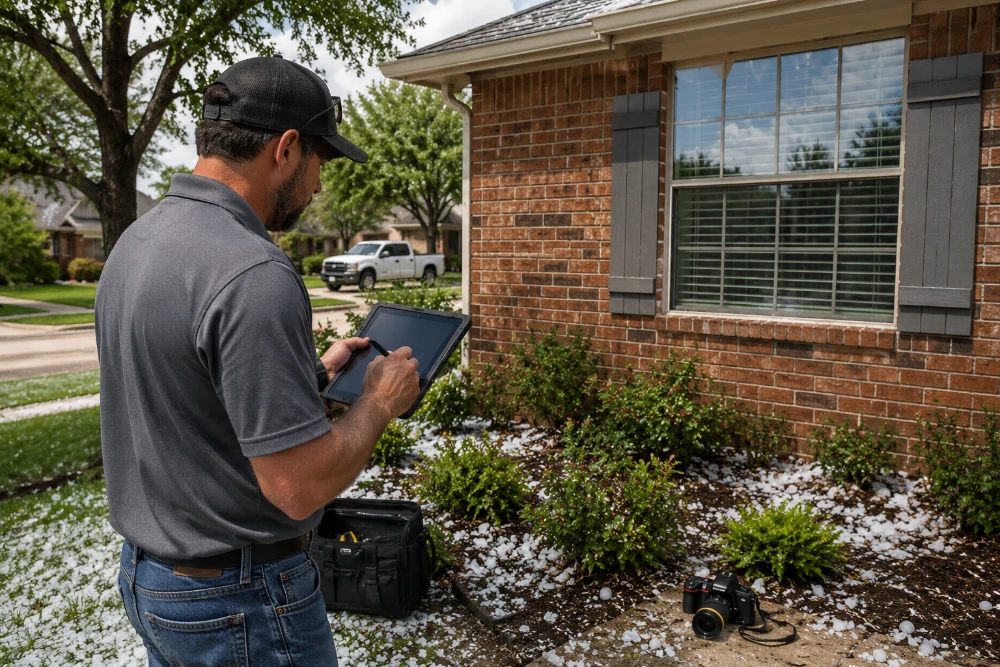
Hail Damage Claims
Hail damage remains one of the most common property claims in Fort Worth.
Insurance carriers sometimes dispute:
- Functional damage
- Cosmetic damage
- Repair versus replacement
- Age-related wear concerns
A detailed inspection can help identify damages that may not be included in the original scope.
Water Damage Claims
Water damage can develop rapidly and affect multiple building systems.
Typical water losses include:
- Pipe breaks
- Appliance failures
- Roof leaks
- Storm intrusion
- Plumbing overflows
Proper documentation is critical because hidden moisture can lead to additional problems over time.
Fire Damage Claims
Fire claims are often among the most complicated insurance losses.
They may involve:
- Structural rebuilding
- Smoke remediation
- Personal property inventories
- Additional living expenses
- Debris removal
Even small fires can create extensive smoke and soot contamination throughout a property.
Storm Damage Claims
Storm losses frequently combine multiple forms of damage.
Examples include:
- Wind damage
- Hail impacts
- Water intrusion
- Tree strikes
- Broken windows
- Exterior building damage
These claims often require comprehensive documentation across multiple building components.
Roof Damage Claims
Roof claims represent a major percentage of Fort Worth insurance disputes.
Insurance carriers may:
- Approve partial repairs
- Disagree on replacement scope
- Exclude related components
- Miss collateral damage
Our team evaluates roofing claims with a focus on complete damage documentation.
Commercial Property Claims
Fort Worth’s growing commercial market includes:
- Retail centers
- Office buildings
- Industrial properties
- Warehouses
- Restaurants
- Churches
- Multi-family communities
Commercial claims often involve larger losses and more complex policy provisions.
Why Insurance Claims Become Underpaid
Many property owners assume that an insurance estimate automatically reflects the full amount of covered damage.
Unfortunately, that is not always the case.
Missed Damage
Some damage may not be visible during an initial inspection.
Examples include:
- Moisture behind walls
- Roof deck damage
- Flashing failures
- Structural impacts
Scope Omissions
Estimates sometimes exclude necessary repairs.
Common omissions include:
- Code-required upgrades
- Matching materials
- Interior repairs
- Additional labor items
Depreciation Issues
Improper depreciation calculations can reduce settlement amounts.
Understanding policy provisions is essential when evaluating claim values.
Low Repair Pricing
Pricing databases may not always reflect actual market conditions in Fort Worth.
Contractor costs, labor shortages, and material availability can affect rebuilding expenses.
Documentation Problems
Insufficient evidence can limit recovery opportunities.
Successful claims typically include:
- Detailed photographs
- Damage inventories
- Expert evaluations
- Supporting estimates
- Policy analysis
Our Public Adjusting Process
Step 1: Claim Review
We begin with a detailed review of:
- Your policy
- Existing claim documentation
- Carrier communications
- Current settlement offers
Step 2: Property Inspection
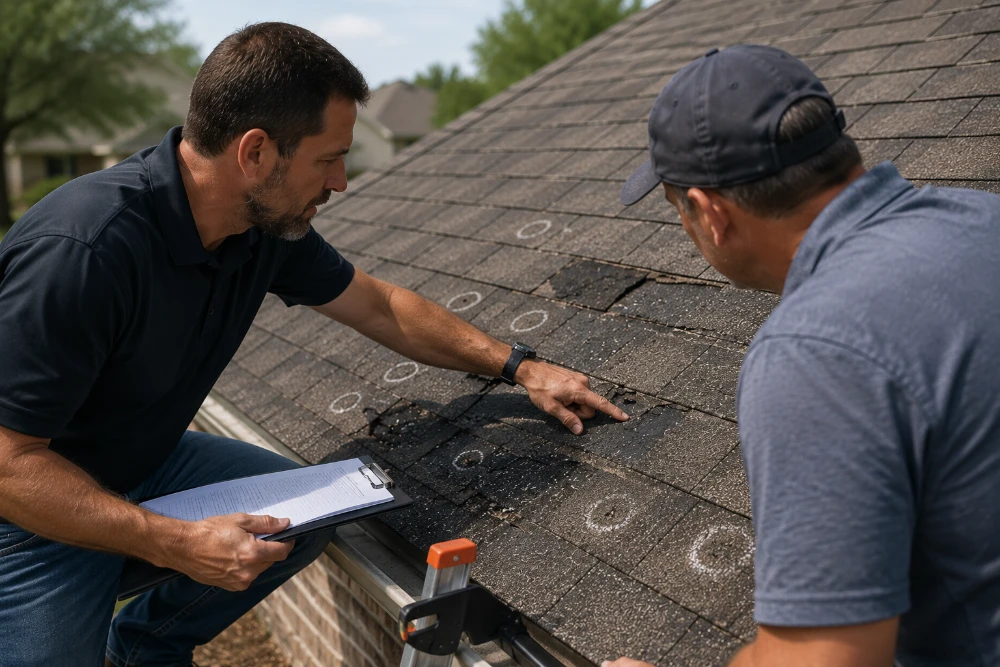
Our team performs a thorough inspection to identify all observable damages.
This includes:
- Roofing systems
- Interior areas
- Exterior components
- Commercial property systems
Step 3: Documentation
We prepare comprehensive claim support materials.
These may include:
- Photographs
- Measurements
- Damage reports
- Estimates
- Inventory documentation
Step 4: Negotiation
We communicate directly with the insurance company on your behalf.
Our role is to present evidence supporting the claim and advocate for covered damages.
Step 5: Settlement Resolution
Once negotiations conclude, the claim proceeds toward settlement and project completion.
Throughout the process, we keep clients informed and involved.
Why Choose TX Public Adjusting
Texas-Focused Expertise
Our practice focuses exclusively on Texas property insurance claims.
We understand:
- Regional weather risks
- Local construction practices
- Texas insurance claim procedures
Licensed Public Adjuster
Rise Public Adjusting LLC operates under Texas License #3356839.
Independent Representation
We work for policyholders.
Not insurance companies.
That distinction matters when claim disputes arise.
Residential and Commercial Experience
Our team has reviewed thousands of property claims involving:
- Homes
- Commercial buildings
- Multi-family properties
- Retail centers
- Industrial facilities
Detailed Claim Preparation
Successful claims often depend on documentation quality.
We focus on:
- Scope accuracy
- Damage identification
- Policy analysis
- Negotiation support
Free Claim Review for Fort Worth Property Owners
If your property recently experienced hail, wind, fire, water, roof, or storm damage, a professional review can help determine whether important damages may have been overlooked.
TX Public Adjusting offers free claim reviews for Fort Worth property owners.
There are:
- No upfront fees
- No obligation consultations
- Residential and commercial claim assistance available
Areas We Serve Near Fort Worth
In addition to Fort Worth, we assist property owners throughout surrounding communities including:
- Arlington
- Keller
- Southlake
- Grapevine
- Colleyville
- North Richland Hills
- Hurst
- Euless
- Bedford
- Benbrook
- White Settlement
- Burleson
- Crowley
- Mansfield
- Weatherford
- Aledo
Frequently Asked Questions
A public adjuster represents the policyholder during the insurance claim process. We inspect damage, review coverage, prepare documentation, and negotiate with the insurance company on the property owner’s behalf.
Most Texas public adjusters work on a contingency fee basis. This means compensation is typically tied to the claim recovery rather than requiring large upfront payments.
Yes. Many Fort Worth property owners hire a public adjuster after the claim has already been filed, especially when concerns arise about claim handling or settlement amounts.
In many situations, yes. A denied claim may warrant additional review, documentation, or policy analysis to determine available options.
We assist with hail, wind, fire, smoke, water, roof, storm, commercial property, and other covered property damage claims.
Every claim is different. The timeline depends on damage severity, documentation requirements, carrier responsiveness, and dispute complexity.
No. Public adjusters represent policyholders. Insurance company adjusters represent the carrier.
Yes. North Texas regularly experiences severe hailstorms, making hail damage one of the most common causes of insurance claims in Fort Worth.
Absolutely. We assist commercial property owners with documentation, claim preparation, and negotiations involving larger and more complex losses.
Prioritize safety, mitigate further damage if possible, document conditions with photographs, and notify your insurance carrier. A public adjuster can help evaluate the claim afterward.
Contact TX Public Adjusting
Property damage can disrupt your home, business, and financial plans. Having an experienced advocate during the insurance claim process can help ensure damages are fully documented and properly presented.
If your Fort Worth property has suffered:
- Hail damage
- Wind damage
- Water damage
- Fire damage
- Roof damage
- Commercial property damage
Contact TX Public Adjusting today for a Free Claim Review.
Rise Public Adjusting LLC
Texas License #3356839
Serving Fort Worth and all surrounding Tarrant County communities