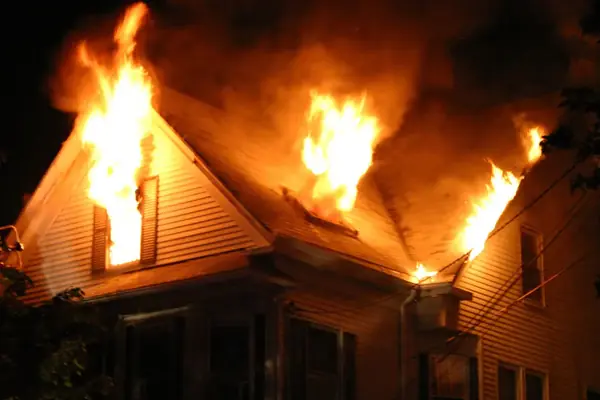
A restaurant can't reopen when the building looks clean. It reopens when the kitchen is sanitary, the fire suppression system is recharged and certified, the food has been replaced, and the local health authority signs off. Insurer estimates often price the visible damage and miss the steps in between. We build the claim around what it actually takes to serve food again.
Kitchen fires and hood systems
Most restaurant fires start on the cook line. Even a small grease fire that the suppression system puts out triggers a chain of costs:
- Recharging and recertifying the hood fire suppression system by a licensed service company
- Cleaning or replacing the hood, filters, and exhaust ductwork, all the way to the rooftop fan
- Cleaning up suppression agent, which is corrosive, from cooking equipment and surfaces
- Testing and repairing fryers, ranges, and other equipment exposed to heat or agent
- Repairing the roof penetration and fan if fire reached the duct
Grease ducts that carried fire may need inspection before they can be used again, and that inspection should happen before the scope is agreed. Insurers will sometimes argue that grease buildup in the duct shows poor maintenance. Keep your hood cleaning records; they are often the first thing requested. For the fire claim process in general, see fire and smoke damage claims.
Smoke and grease residue
Restaurant smoke is different from house-fire smoke. Burning grease and food leave an oily protein residue that sticks to ceilings, walls, ductwork, and the inside of equipment, and it carries a strong odor. Wiping surfaces doesn't remove it. Proper cleanup often involves:
- Removing and replacing ceiling tiles, insulation, and porous materials in the kitchen and dining room
- Cleaning HVAC ducts and replacing filters throughout the building
- Deodorization treatments, followed by sealing surfaces before repainting
- Cleaning or replacing upholstered seating, drapery, and menus
Walk-in coolers and freezers deserve their own line items. Smoke can get into the insulated panels and door gaskets, and a cooler that ran warm during the fire may need its refrigeration system checked by a technician before it holds food again.
Where the insurer's estimate calls for "clean and paint," ask how it handles the residue in places nobody can see, such as above the ceiling and inside the walk-in cooler panels.
Food spoilage and contamination
Restaurants lose food in three ways: a fire or smoke event contaminates stock; a power outage, such as the widespread outages during Hurricane Beryl and Winter Storm Uri, warms the coolers; or a refrigeration unit breaks down. Coverage for each is different. Spoilage from a power outage or mechanical breakdown is often excluded from the base form and covered only by a spoilage endorsement, sometimes with conditions about where the outage began. Food contaminated by a covered fire is more often covered as business personal property.
Before you discard food, photograph the coolers and dry storage, record temperatures if you can, and keep your most recent invoices. A health inspector's order to discard food is strong supporting evidence.
Health department reopening
After a fire, sewage backup, or extended outage, many local health departments in Texas require an inspection before a food establishment reopens. Requirements vary by jurisdiction, so call your local health department early and ask what it will need. Common items include sanitizing food-contact surfaces, replacing discarded food, confirming refrigeration holds temperature, and documentation that the fire suppression system has been serviced. Each of those steps takes time, and the time belongs in the business income claim.
Business income for restaurants
Restaurant income claims are built from POS data, so they can be precise. We work with your daily sales reports, profit and loss statements, and payroll records to show:
- Sales lost while closed, based on the same days in prior periods
- Payroll you kept paying to hold on to staff, if the policy covers ordinary payroll
- Extra costs, like temporary refrigeration, rented equipment, or overtime for a deep clean
- Reduced sales after reopening, if the policy includes an extended period of indemnity
If you lease, your landlord may be responsible for the roof and structure, while you insure the kitchen equipment, improvements, and income. See the commercial claims overview for how those policies interact, and our post on fire damage insurance for the basics of a fire claim.
Frequently asked questions
Does commercial insurance cover food lost in a power outage?
Often only if your policy has a spoilage endorsement, and some endorsements require the outage to start on or near your premises. Food contaminated by a covered fire is more commonly covered under business personal property.
Who pays to recharge the hood fire suppression system after a kitchen fire?
Recharging and recertifying the system after it discharged during a covered fire is usually part of the claim. Keep the service company's invoice and certification.
Can I claim lost sales while waiting for the health inspection to reopen?
If you have business income coverage, the period of restoration generally includes the time reasonably needed to reopen, which can include required inspections. The policy wording controls.
Why is the insurer asking for my hood cleaning records after a restaurant fire?
Insurers check whether grease buildup contributed to the fire. Regular cleaning records help show the system was maintained.