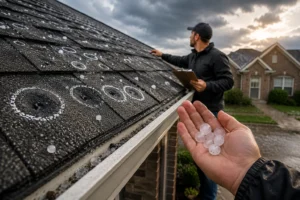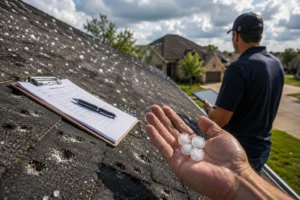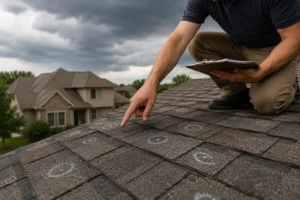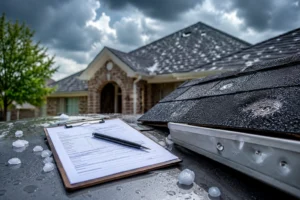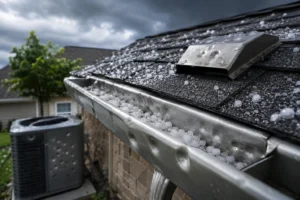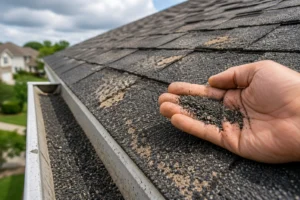

Insurance missed hail damage is far more common than most homeowners realize. After a Texas hailstorm, many people assume the insurance inspection caught everything. Then weeks later, leaks appear, shingles deteriorate, and contractors uncover damage the original claim never included. That creates serious problems. Small hail impacts can quietly grow into expensive roof failures, moisture intrusion, mold issues, and structural deterioration. The good news? Homeowners can still protect themselves if they understand what to look for and how to respond quickly.
What Is Insurance Missed Hail Damage?
Insurance missed hail damage refers to storm-related property damage that was overlooked, underestimated, or excluded during the insurance inspection process. Sometimes the damage is hidden beneath shingles. Sometimes it develops slowly over time. And sometimes inspections simply move too quickly after major storms. In Texas, hail claims surge rapidly after severe weather. Adjusters may inspect multiple homes daily under intense time pressure. That environment increases the chances of incomplete evaluations. And unfortunately, hail damage is not always obvious. A roof may appear mostly normal from the ground while serious functional damage exists underneath the surface.
Why Insurance Companies Miss Hail Damage
Several factors contribute to insurance missed hail damage claims across Texas.
Fast Inspection Timelines
After major hailstorms, carriers often handle thousands of claims simultaneously. That pressure shortens inspection times. Some inspections may only last long enough to document obvious impacts while hidden issues remain undetected. Bruised shingles, soft metal dents, and moisture intrusion can easily get overlooked during rushed evaluations.
Roof Access Challenges
Not every roof is easy to inspect safely. Common inspection limitations include:
- Steep roof pitch
- Multi-story structures
- Wet roofing surfaces
- Limited attic access
- Safety concerns after storms
When inspections become difficult, damage may remain partially undocumented.
Roofing Material Complexity
Different roofing systems react differently to hail.
| Roofing Material | Commonly Missed Damage |
|---|---|
| Asphalt shingles | Bruising and granule displacement |
| Metal roofing | Small denting and seam separation |
| Tile roofing | Hairline fractures |
| Flat roofing | Membrane punctures |
| Soft metals | Damage to flashing and vents |
Not every adjuster specializes in every roofing system. That matters more than most homeowners realize.
Cosmetic vs Functional Damage Disputes
This issue appears constantly in Texas hail claims. Insurance companies may classify certain dents or marks as cosmetic while contractors argue the damage affects roof performance and lifespan. Those disagreements directly impact settlement values.
Common Types of Insurance Missed Hail Damage
Some forms of hail damage are repeatedly overlooked during inspections.
Granule Loss
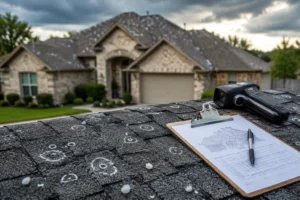
Granules protect asphalt shingles from sunlight and weather exposure. When hail strips away granules, shingles deteriorate faster. UV exposure increases. Waterproofing weakens. From the ground, the roof may still look acceptable. Up close, the damage becomes much more serious.
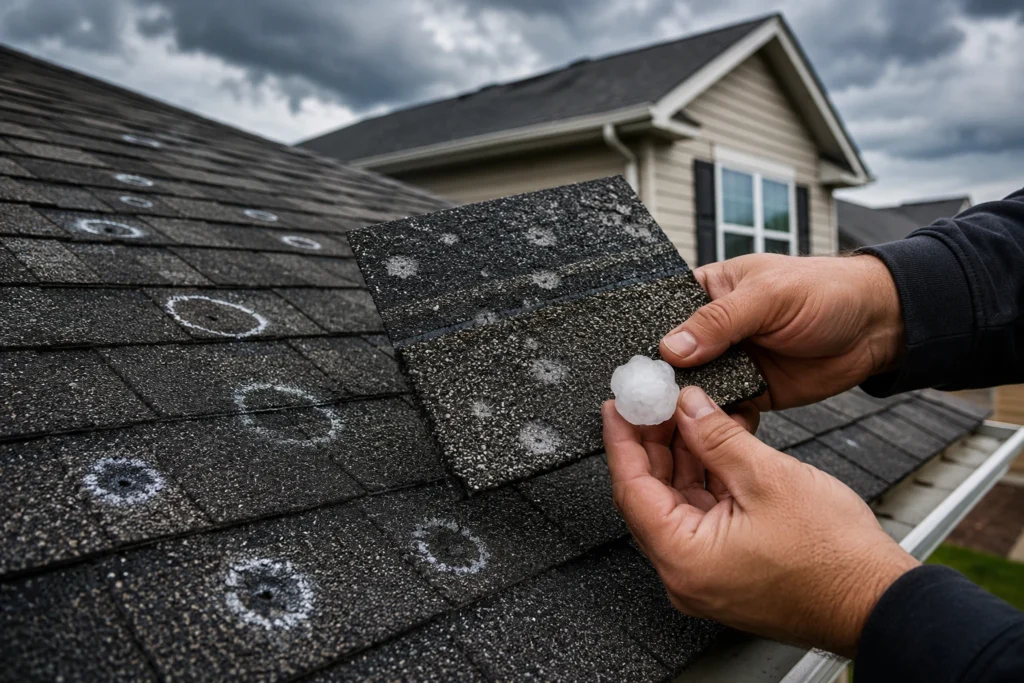
Bruised Shingles
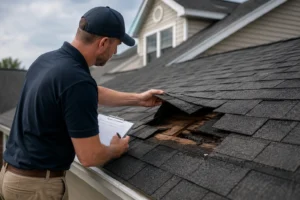
Bruising occurs when hail weakens the shingle mat beneath the surface. The fracture may not split immediately. Over time, however, Texas heat and repeated weather exposure worsen the damage until leaks eventually develop.
Soft Metal Damage
Soft metals often provide some of the clearest evidence of hail activity. Inspectors frequently examine:
- Gutters
- Roof vents
- Flashing
- Downspouts
- Window wraps
- HVAC condenser fins
Minor dents on these surfaces may indicate broader roofing damage nearby.
Hidden Moisture Intrusion
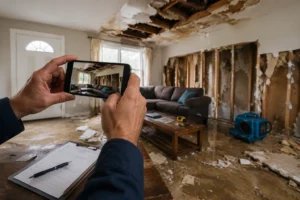
Leaks do not always appear immediately after storms. Water may slowly penetrate roofing materials before eventually staining ceilings or damaging insulation. Delayed leaks create major claim disputes because insurance companies may question whether the storm actually caused the damage. That is why documentation matters so much.
Signs Your Insurance Claim May Have Missed Hail Damage
Homeowners often notice warning signs before major failures occur.
Uneven Roof Appearance
Watch for:
- Dark spots
- Patchy shingles
- Exposed fiberglass
- Random denting
- Bent flashing
Visual inconsistencies often indicate hidden impact damage.
New Interior Moisture Problems
Interior moisture after a hailstorm is a major warning sign. Pay attention to:
- Ceiling stains
- Damp insulation
- Mold odors
- Bubbling paint
- Attic condensation
These issues may indicate roof damage the original inspection failed to identify.
Contractors Strongly Disagree With the Estimate
Sometimes estimates vary slightly. Other times, the differences become massive. Contractors may identify:
- Additional roof slopes
- Missing flashing
- Code-required upgrades
- Ventilation corrections
- Decking damage
When multiple professionals identify missing items, homeowners should investigate further.
Settlement Amounts Feel Surprisingly Low
If the insurance payout barely covers minor repairs after a severe storm, the claim may be incomplete. That does not automatically mean bad faith. But it absolutely justifies a second opinion.
Why Hail Damage Gets Worse Over Time
This is where insurance missed hail damage becomes expensive. Hail impacts evolve.
Delayed Water Intrusion
Tiny fractures slowly expand. Rain repeatedly enters weakened roofing materials while heat accelerates deterioration. Over time, moisture spreads beneath shingles and underlayment systems. Then interior damage begins.
Accelerated Roof Aging
Granule loss exposes shingles directly to sunlight. That increases:
- Brittleness
- Cracking
- Curling
- Premature aging
Temperature swings can also accelerate deterioration through processes similar to Thermal stress, especially on aging roofing systems after hail impacts.
Structural Damage
Once moisture reaches the decking, problems escalate quickly. Potential consequences include:
- Wood rot
- Mold growth
- Damaged insulation
- Framing deterioration
- Ventilation issues
Those repairs become far more expensive than the original roof damage.
Why Independent Inspections Matter
Homeowners should never rely solely on one inspection after a major hailstorm. Independent evaluations provide a critical second layer of protection.
What Thorough Inspections Should Include
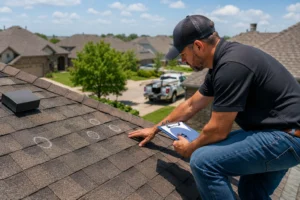
A proper hail inspection often involves:
- Full roof slope review
- Soft metal inspection
- Attic evaluation
- Moisture testing
- Detailed photography
- Flashing analysis
- Ventilation review
The more evidence collected, the stronger the claim becomes.
Modern Inspection Technology
Roof inspections continue evolving. Some advanced inspections now even use imaging techniques similar to principles found in Photogrammetry to create highly detailed roof measurements and damage mapping. Other tools may include:
- Drone imaging
- Thermal cameras
- Moisture meters
- Digital measurement software
These technologies help uncover damage quick visual inspections may miss.

How To Document Insurance Missed Hail Damage
Documentation is one of the most important parts of any hail claim. Strong evidence creates stronger negotiations.
Take Detailed Photos
Photograph everything carefully. Include:
- Wide-angle roof photos
- Close-up impact marks
- Dented soft metals
- Interior water damage
- Granule accumulation
- Damaged siding
Date-stamped images help establish clear timelines.
Gather Weather Reports
Storm verification strengthens causation arguments. Helpful records may include:
- Hail size reports
- NOAA storm data
- Radar history
- Local weather alerts
- Contractor storm reports
Save Every Inspection Report
Maintain organized copies of:
- Insurance estimates
- Contractor evaluations
- Engineer reports
- Repair bids
- Supplement requests
Small paperwork gaps can create major claim problems later.
Keep a Claim Timeline
Track all important events, including:
- Inspection dates
- Adjuster visits
- Phone calls
- Emails
- Contractor meetings
Organization becomes extremely valuable during prolonged claim disputes.
What To Do If Insurance Missed Hail Damage
Homeowners still have options when damage gets overlooked.
Request a Reinspection
Reinspection’s are common after additional evidence surfaces. Strong reinspection requests often include:
- Contractor findings
- New photographs
- Moisture reports
- Additional damage documentation
The goal is evidence, not emotion.
File a Supplemental Claim
Supplements address damages omitted from the original estimate. Common supplemental items include:
| Supplement Item | Why It Gets Missed |
|---|---|
| Flashing replacement | Hidden beneath shingles |
| Decking repairs | Found during tear-off |
| Ventilation corrections | Code-related requirements |
| Additional roof slopes | Incomplete measurements |
| Interior water damage | Delayed appearance |
Supplemental claims happen constantly after Texas hailstorms.
Hire a Public Adjuster
Public adjusters represent homeowners during insurance claims. They help by:
- Reviewing estimates
- Identifying missed damage
- Preparing documentation
- Negotiating claim scope
- Supporting supplements
For complex losses, professional representation can significantly improve claim accuracy.
Texas Hail Claims Come With Unique Challenges
Texas experiences some of the most severe hailstorms in the country. That creates enormous pressure throughout the insurance system.
High Storm Volume
Large hail events can generate thousands of claims within days. Inspection quality sometimes suffers simply because adjusters become overwhelmed during peak storm seasons.
Building Code Issues
Older roofs often require upgrades during replacement. Potential code-related items include:
- Drip edge installation
- Ventilation improvements
- Flashing replacement
- Underlayment upgrades
- Deck renailing
If those items are omitted initially, supplements often become necessary later.
Cosmetic Damage Exclusions
Some Texas policies include cosmetic damage exclusions. Those provisions commonly create disputes involving:
- Metal roofing
- Soft metal denting
- Flashing impacts
- Gutters
Careful policy review becomes extremely important here.
Common Mistakes Homeowners Make After Hailstorms
Homeowners sometimes unintentionally weaken their own claims.
Waiting Too Long
Time weakens evidence. Rain, sunlight, and additional storms continue damaging already weakened roofing systems. Delayed reporting also creates causation disputes later.
Starting Repairs Too Early
Emergency mitigation is smart. Major repairs before documentation is not. Always photograph thoroughly before significant work begins.
Accepting the First Estimate Immediately
Initial estimates are not always complete. Homeowners should carefully review estimates alongside experienced roofing professionals before approving repairs.
Ignoring Small Damage
Minor hail impacts rarely stay minor forever. What appears harmless today may eventually become a costly roof leak.
How Public Adjusters Help With Insurance Missed Hail Damage
Experienced public adjusters focus heavily on documentation, detail, and claim accuracy.
Identifying Hidden Damage
Experienced adjusters understand where hail damage commonly hides. They evaluate:
- Roofing systems
- Soft metals
- Moisture intrusion
- Code-related repairs
- Supplemental opportunities
That broader evaluation often uncovers missing claim value.
Negotiating Scope and Pricing
Disputes frequently involve:
- Material quantities
- Repair methods
- Labor pricing
- Code upgrades
- Roof replacement requirements
Detailed documentation strengthens those negotiations significantly.
Reducing Homeowner Stress
Storm claims become exhausting quickly. Especially when leaks continue while disputes drag on for months. Professional representation helps homeowners stay organized while protecting the value of the claim.
Final Thoughts
Insurance missed hail damage can quietly become one of the most expensive problems homeowners face after a Texas storm. What begins as a few overlooked impacts can slowly turn into leaks, structural deterioration, mold growth, and major repair costs. That is why homeowners should never assume the first inspection captured everything automatically. Fast action matters. Strong documentation matters. Independent inspections matter. And when something about the claim feels incomplete, homeowners should trust that instinct and seek additional evaluation before hidden hail damage becomes dramatically worse.
FAQs
Signs may include new leaks, granule loss, dented metal components, or contractors identifying damage not included in the original estimate.
Yes. Some hail damage develops gradually as weakened roofing materials deteriorate from heat, rain, and continued weather exposure.
Cosmetic damage affects appearance, while functional damage impacts the roof’s ability to protect the home from water intrusion and deterioration.
Absolutely. Independent inspections often uncover hidden or overlooked damage that may not appear during the initial insurance inspection.
In many cases, yes. Homeowners may request a reinspection or file a supplemental claim if additional storm damage is discovered later.
Insurance estimates may miss code upgrades, hidden damage, material pricing differences, or additional repair requirements identified during detailed inspections.
Roof flashing, vents, gutters, siding, window screens, and soft metal components are frequently overlooked during fast inspections.
Coverage depends on the policy and documentation, but many policies may still cover storm-related damage if properly supported with evidence.
Detailed photos, weather reports, contractor evaluations, inspection records, and organized documentation significantly improve claim support.
Homeowners often contact public adjusters when claims are underpaid, damage is disputed, or inspections appear incomplete after major hailstorms.