
Roof granule loss can look minor at first. A few granules in the gutter. Slight discoloration on shingles. Maybe a patchy section that barely stands out from the street. But small warning signs often lead to major roofing problems. This roof granule loss insurance claim guide explains how granule loss happens, what insurance companies look for during inspections, when damage may qualify for coverage, and how homeowners can protect their claim before the situation becomes more expensive. In Texas, where hail and windstorms are common, understanding roof damage early can make a huge difference.
What Is Roof Granule Loss?
Asphalt shingles contain protective mineral granules designed to shield the roof from weather exposure, ultraviolet rays, and long-term deterioration. Those granules matter more than most homeowners realize. Once they begin wearing away excessively, shingles become vulnerable to cracking, curling, moisture intrusion, and accelerated aging. A roof without proper granule protection deteriorates much faster under Texas weather conditions. Why Homeowners Delay Roof Claims? Many homeowners assume the roof can wait. Some worry about premium increases. Others think the damage looks minor. Some simply become overwhelmed after severe storms and postpone inspections.
What Roofing Granules Actually Do
Roof granules help:
- Protect shingles from UV exposure
- Improve fire resistance
- Reduce heat damage
- Increase roof lifespan
- Improve weather resistance
Without them, shingles lose durability quickly.
Normal Granule Loss vs Serious Damage
Some granule loss is normal. New roofs often shed excess granules shortly after installation. Small amounts in gutters may not indicate a problem. However, sudden or heavy granule loss after storms can signal functional roof damage.
| Type of Granule Loss | Normal or Concern? |
|---|---|
| Minor post-installation shedding | Usually normal |
| Small aging-related wear | Sometimes normal |
| Heavy storm-related shedding | Serious concern |
| Bare shingle spots | Major issue |
| Exposed fiberglass mat | Immediate concern |
Large granule accumulation after storms should never be ignored.
Common Signs of Roof Granule Loss
Roof damage is not always obvious from the ground. Many homeowners only discover the issue during inspections or after leaks begin appearing inside the home.
Granules Collecting in Gutters
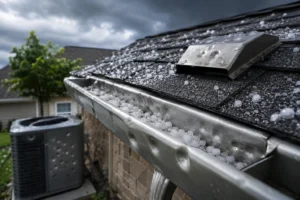
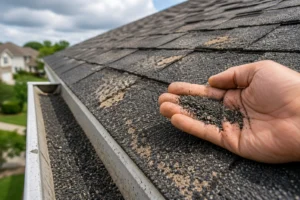
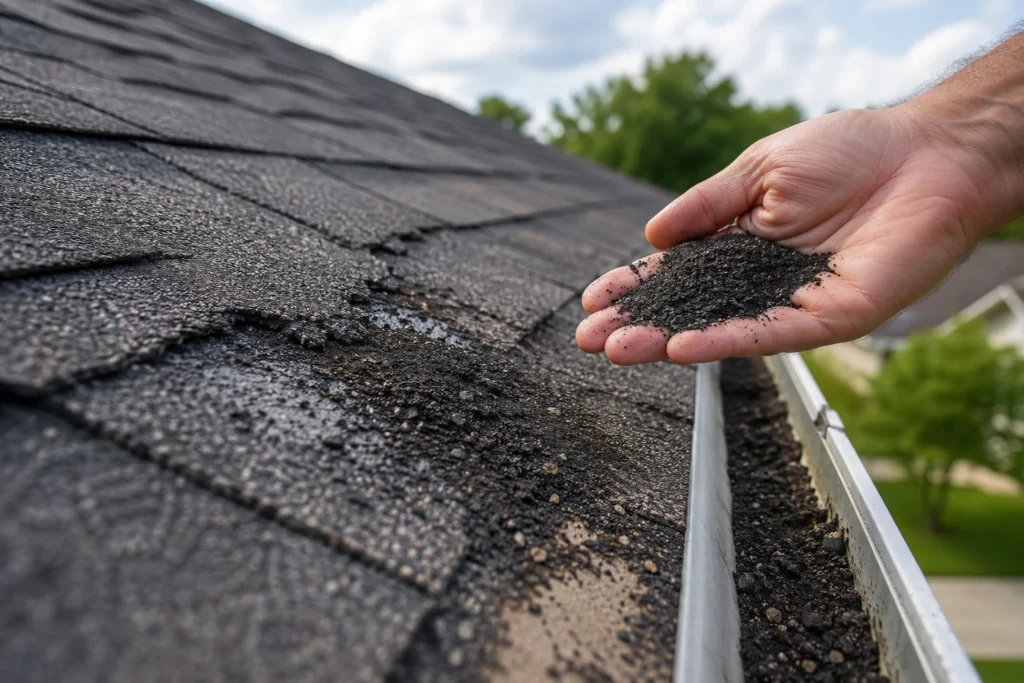
One of the earliest signs involves black, sand-like debris collecting in gutters or near downspouts. Heavy buildup often signals accelerated shingle wear.
Dark or Bare Roof Patches
Areas missing granules may appear darker, shinier, or uneven compared to surrounding shingles.
Uneven Roof Appearance
Patchy roofing sections can indicate storm impacts or localized deterioration.
Interior Moisture Problems
Granule loss alone may not immediately cause leaks. But over time, weakened shingles increase the risk of water intrusion.
What Causes Roof Granule Loss?
Several factors contribute to granule deterioration. Some are age-related. Others happen suddenly during severe weather.
Hail Damage
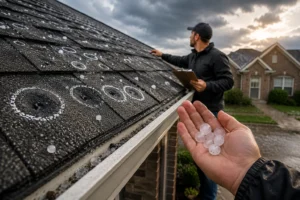
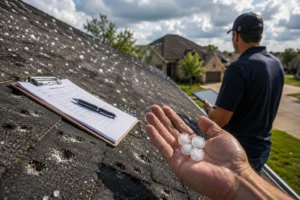
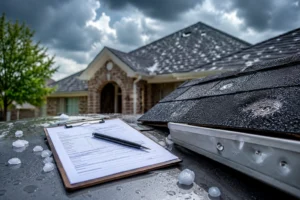
Hail is one of the most common causes of sudden granule loss in Texas. When hailstones strike shingles, they can dislodge protective granules instantly. In severe storms, impacts may bruise shingles beneath the surface even if the damage is difficult to see initially. This is why a detailed roof granule loss insurance claim guide is important for homeowners after major storms.
Wind Damage
Strong winds create pressure beneath shingles, loosening roofing materials and accelerating granule loss. Flying debris can also scrape and damage roofing surfaces.
Aging and Weather Exposure
Texas roofs endure years of:
- Extreme heat
- UV exposure
- Heavy rainfall
- Temperature fluctuations
- Humidity
Those conditions gradually weaken shingles over time. Severe weather analysis often involves advanced atmospheric modeling and concepts related to Isobar mapping to track pressure systems associated with damaging hailstorms.
Poor Installation
Improper installation can also contribute to premature granule deterioration. Common issues include:
- Incorrect nail placement
- Poor ventilation
- Overdriven fasteners
- Manufacturing defects
Does Insurance Cover Roof Granule Loss?
Sometimes. Coverage depends heavily on the source of the damage and the supporting evidence.
When Insurance May Cover Granule Loss
Insurance policies often cover sudden accidental damage caused by storms, including:
- Hail damage
- Wind damage
- Storm-created roof exposure
- Functional shingle deterioration
If severe weather directly caused the granule loss, coverage becomes more likely.
When Claims May Be Denied
Insurance companies frequently deny claims involving:
- Normal aging
- Maintenance neglect
- Long-term deterioration
- Manufacturer defects
- Improper installation
This becomes one of the biggest disputes homeowners face during roof claims.
Understanding Wear and Tear Exclusions
Most insurance policies exclude ordinary wear and tear. Because of that, carriers often argue that granule loss resulted from aging instead of storm activity. Strong documentation becomes essential when challenging those conclusions.
How Insurance Adjusters Evaluate Granule Loss
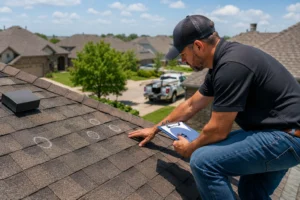
Insurance adjusters investigate more than missing granules alone. They examine surrounding evidence, storm patterns, collateral damage, and the overall roof condition.
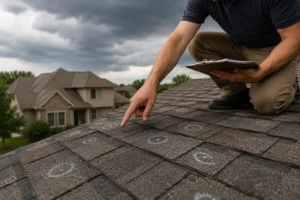
Typical Roof Inspection Areas
Adjusters commonly inspect:
- Shingle surfaces
- Gutters
- Roof vents
- Flashing
- Soft metal impacts
- Attic spaces
- Interior water damage
Collateral storm damage often strengthens roofing claims significantly.
Evidence Insurance Companies Look For
| Supporting Evidence | Why It Matters |
|---|---|
| Close-up roof photos | Documents physical damage |
| Hail reports | Verifies storm activity |
| Contractor inspections | Supports claim findings |
| Drone photos | Captures difficult roof angles |
| Gutter granule buildup | Shows severity of loss |
Why Granule Loss Alone Can Be Challenging
Granule loss by itself may not guarantee claim approval. Insurance carriers often look for functional damage that affects the roof’s ability to protect the home from water intrusion and future deterioration. That is why professional inspections matter.
How to Document Roof Granule Loss for an Insurance Claim
Documentation can completely change the outcome of a claim. Strong evidence creates stronger negotiating power.
Take Photos Immediately
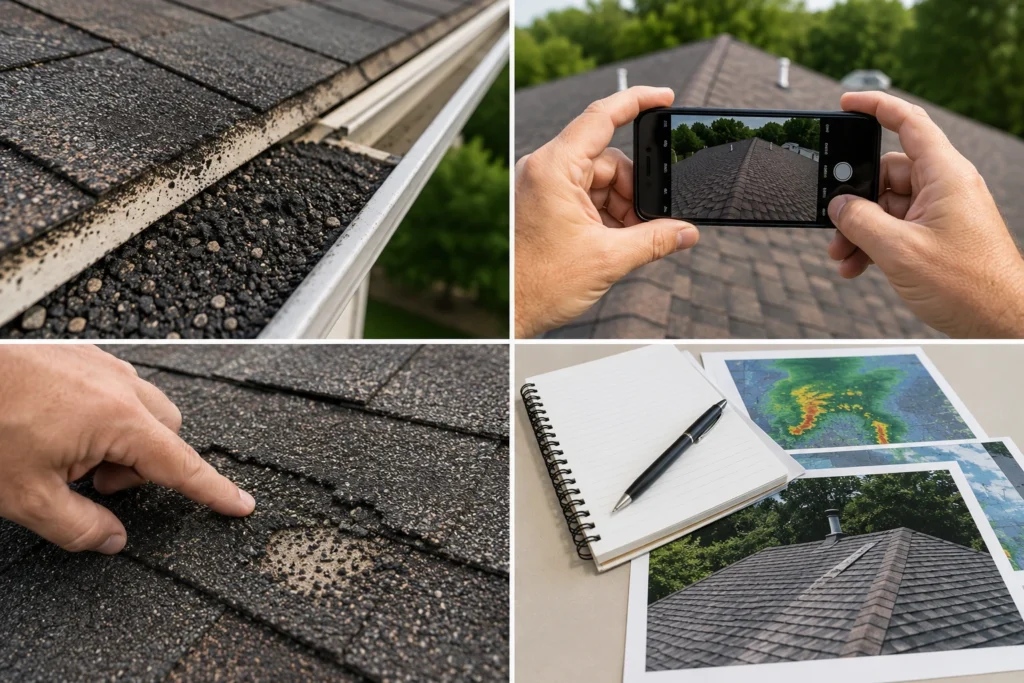
After storms, document:
- Entire roof slopes
- Close-up shingle impacts
- Gutter granule accumulation
- Downspout debris
- Interior ceiling stains
- Exterior storm damage
Do not wait weeks or months.
Save Weather Reports
Weather documentation helps establish timelines and storm severity. Helpful resources include:
- Hail maps
- Radar reports
- Wind records
- Storm alerts
Schedule Professional Roof Inspections
Professional inspections may include:
- Drone imagery
- Damage annotations
- Moisture evaluations
- Repairability assessments
- Detailed roofing measurements
Keep Maintenance Records
Insurance carriers may ask for:
- Roof age
- Repair history
- Warranty records
- Prior inspection reports
Organized records improve claim credibility.
Common Insurance Problems With Granule Loss Claims
Roofing disputes happen constantly after Texas storms.
“It’s Just Normal Wear”
This is one of the most common denial explanations. Sometimes it is accurate. Sometimes it ignores obvious storm acceleration. Storms can remove years of protective granules in a single event.
Partial Repair Disputes
Insurance companies may approve partial repairs instead of full replacement. That creates problems when replacement shingles no longer match older roofing materials.
Delayed Inspections
Waiting too long creates major issues. Rain, sun exposure, and additional storms continue damaging the roof while evidence slowly disappears.
Low Settlement Offers
Some estimates overlook:
- Flashing
- Drip edge
- Ventilation upgrades
- Starter shingles
- Code-required repairs
Incomplete estimates can leave homeowners paying significant out-of-pocket costs.
How a Public Adjuster Can Help
Public adjusters work for policyholders, not insurance companies. That distinction matters during difficult claims.
Independent Roof Documentation
Public adjusters may help:
- Document storm impacts
- Organize evidence
- Review insurance policies
- Identify overlooked damage
- Support supplemental claims
Claim Negotiation Support
Insurance negotiations can become exhausting. Public adjusters often assist with:
- Reinspections
- Scope disputes
- Communication management
- Supporting functional damage arguments
Identifying Hidden Roof Problems
Granule loss sometimes reveals deeper issues including:
- Underlayment exposure
- Water intrusion risks
- Ventilation failures
- Shingle bruising
Detailed inspections help uncover problems homeowners may never notice alone.
Roof Granule Loss Prevention Tips
No roof lasts forever. But proactive maintenance helps extend roof life significantly.
Schedule Annual Roof Inspections
Regular inspections identify early problems before severe deterioration develops.
Clean Gutters Regularly
Gutters provide important clues about roof conditions. Heavy granule buildup should never be ignored.
Address Minor Repairs Quickly
Small roofing issues often become expensive problems when left unresolved.
Improve Ventilation
Proper attic ventilation reduces heat buildup and slows shingle deterioration. Long-term shingle deterioration can sometimes resemble surface degradation patterns studied in Tribology, particularly when friction, weather exposure, and material wear combine over time.
Warning Signs You Should File a Claim Immediately
Some situations require fast action.
Sudden Granule Accumulation
Heavy debris appearing after storms may signal serious roof impacts.
Visible Hail Bruising
Circular shingle impacts often indicate storm-related functional damage.
Interior Water Stains
Water intrusion risks increase significantly once shingles weaken.
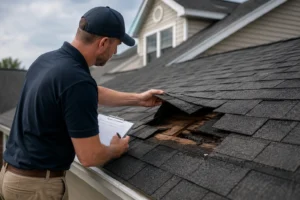
Missing or Lifted Shingles
Wind damage rarely improves without repairs.
Recent Severe Texas Storms
If nearby homes sustained damage, your roof deserves inspection too.
Final Thoughts
Granule loss may seem minor initially. But in many cases, it becomes an early warning sign of larger roofing problems hiding beneath the surface. That is why understanding a roof granule loss insurance claim guide matters so much for Texas homeowners. The earlier damage gets documented, the stronger the insurance claim usually becomes. Delays create complications. Evidence fades. Disputes become harder. Take storms seriously. Inspect the roof early. Document everything. And when insurance disputes become difficult, professional guidance can help homeowners protect both their roof and their financial interests before the damage spreads further.
FAQs
Insurance may cover roof granule loss if it was caused by sudden storm damage like hail or wind. Normal aging and wear are usually excluded.
Yes. Hail impacts can knock protective granules off shingles and weaken the roof’s ability to resist weather over time.
Small amounts can be normal as roofs age. Heavy or sudden granule loss after storms is often a sign of damage.
Large amounts of granules in gutters, dark roof patches, exposed fiberglass, or visible bruising usually indicate a more serious issue.
If the damage appeared after a storm or affects large roof areas, it is smart to schedule an inspection before deciding on a claim.
Yes. Insurance companies may deny claims if they believe the damage resulted from age, poor maintenance, or long-term deterioration.
Most policies require claims to be filed within a reasonable timeframe after the storm. Filing quickly helps preserve evidence and strengthens documentation.
Adjusters often inspect shingles, gutters, vents, soft metals, attic spaces, and surrounding storm damage to evaluate claim validity.
Yes. Once shingles lose enough protective granules, they become more vulnerable to cracking, moisture intrusion, and long-term roof failure.
A public adjuster can help document damage, review policy coverage, organize evidence, and negotiate with the insurance company on the homeowner’s behalf.