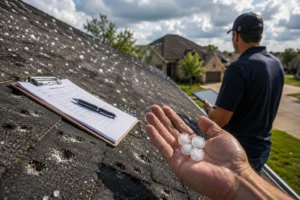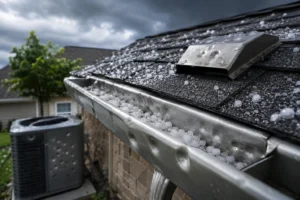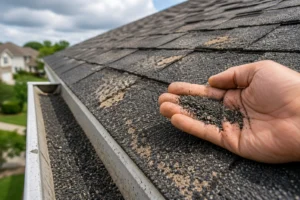


Insurance claims can be confusing. Stressful, too. After a major storm, fire, or water loss, homeowners suddenly find themselves dealing with contractors, insurance companies, and paperwork they never expected to handle. Somewhere along the way, an important question often comes up: can a public adjuster work for a contractor?
It’s a fair question. Contractors repair the damage. Public adjusters negotiate the insurance claim. Their work overlaps during property loss situations, so it can feel natural to assume they might operate under the same company or agreement.
But here’s the reality. In most states—including Texas—the answer to can a public adjuster work for a contractor is generally no. These professionals must remain independent to protect homeowners and ensure ethical claims handling.
Let’s break down why that rule exists, how the relationship between contractors and adjusters actually works, and what homeowners should watch for during an insurance claim.
Understanding What a Public Adjuster Does
When property damage occurs, insurance companies send their own adjusters to evaluate the loss. Those professionals work for the insurer.
Public adjusters are different. They work for the policyholder.
Their role is to represent the homeowner or property owner during the claim process. That includes documenting damage, reviewing the insurance policy, preparing estimates, and negotiating settlements.
Core Responsibilities of a Public Adjuster

A licensed public adjuster typically handles:
- Damage inspection and documentation
- Insurance policy analysis
- Claim preparation and submission
- Negotiation with insurance companies
- Settlement review
Think of them as your advocate in the claims process.
Insurance policies can be dense documents filled with technical terms and exclusions. A skilled public adjuster interprets those details and ensures the insurance company pays what the policy allows.
How Public Adjusters Are Paid
Most public adjusters operate on a contingency fee structure. That means they receive a percentage of the final insurance settlement.
Here’s a typical structure:
| Payment Type | Description |
| Contingency Fee | Adjuster earns a percentage of the claim payout |
| No Upfront Cost | Payment comes after the settlement |
| Regulated Fees | Texas law may limit maximum percentages |
Because the fee depends on the claim outcome, public adjusters have a strong incentive to pursue a fair settlement.
But this compensation structure is also one reason strict regulations exist around who they can work with.
Understanding the Role of Contractors in Insurance Claims
Contractors are the professionals who actually repair the damage. They rebuild roofs, restore water-damaged walls, replace flooring, and bring properties back to life.
Their job begins when the repair phase starts.
However, contractors often become involved early because homeowners frequently call them first when damage occurs.
What Contractors Typically Handle
Contractors may assist with:
- Damage inspections
- Repair estimates
- Reconstruction work
- Material sourcing
- Project management
When a contractor identifies major damage, they might suggest the homeowner speak with a public adjuster. That’s where the confusion often begins.
Homeowners start asking: can a public adjuster work for a contractor, or are they supposed to remain separate?
Can a Public Adjuster Work for a Contractor?
Let’s answer the main question directly.
No. In most cases, a public adjuster cannot work for a contractor.
Texas law and many other state regulations require public adjusters to remain independent from contractors and restoration companies.
Why?
Because combining those roles could create serious conflicts of interest.
If a contractor employed a public adjuster, the adjuster might be incentivized to inflate claim values in order to increase the contractor’s repair budget. That situation would undermine the fairness of the insurance claims process.
So when people ask can a public adjuster work for a contractor, regulators usually respond with strict boundaries that prevent that arrangement.
Why Public Adjusters Must Remain Independent
Independence protects homeowners. Plain and simple.
Public adjusters have a legal responsibility to represent the policyholder’s interests. If they were financially tied to a contractor, their decisions could be influenced by repair profits instead of claim accuracy.
Potential Conflicts of Interest
Here’s what regulators want to avoid:
- Contractors influencing claim negotiations
- Adjusters recommending specific repair companies for financial gain
- Inflated estimates designed to benefit contractors
- Biased damage assessments
Maintaining separation keeps everyone accountable.
A public adjuster focuses on insurance negotiation.
A contractor focuses on construction and repair.
Different expertise. Different responsibilities.
Texas Regulations for Public Adjusters
In Texas, public adjusters must hold a license issued by the Texas Department of Insurance. This license requires education, testing, and ongoing compliance with state regulations.
These rules are designed to protect consumers during stressful insurance claims.
Key Texas Public Adjuster Requirements
Public adjusters must:
- Maintain an active state license
- Provide written contracts to clients
- Disclose compensation structures
- Avoid conflicts of interest
These regulations are one reason the question can a public adjuster work for a contractor has a clear answer under Texas law.
The separation ensures homeowners receive unbiased advice about their insurance claim.
What Collaboration Is Allowed
Now, independence does not mean public adjusters and contractors cannot communicate.
They absolutely can.
In fact, collaboration often helps clarify the scope of damage and the cost of repairs.
But the key point is this: they remain separate businesses.
Typical Collaboration During a Claim
Here’s how the process often works:
- A homeowner experiences property damage
- A contractor inspects the damage and prepares a repair estimate
- A public adjuster evaluates the insurance policy and documents the loss
- The adjuster negotiates with the insurance company
- Once the claim is approved, the contractor performs repairs
Everyone plays their role. Nobody crosses professional boundaries.
Examples of Legal Collaboration
Let’s look at how contractors and adjusters might work together while staying compliant.
Example Scenario
A storm damages a homeowner’s roof and interior drywall.
A contractor inspects the property and prepares a repair estimate.
The homeowner hires a public adjuster to review the insurance policy and negotiate the claim.
During the claim process:
- The contractor provides documentation of repair costs
- The adjuster submits claim paperwork
- Both professionals attend inspections with the insurance company
They work on the same project. But they are not financially connected.
This is the correct approach when people ask can a public adjuster work for a contractor.
Illegal or Risky Arrangements to Avoid

Not every professional follows the rules.
Homeowners should be cautious of situations where contractors and adjusters appear too closely linked.
Here are warning signs.
Red Flags in Insurance Claims
Be cautious if:
- A contractor insists you hire their “in-house adjuster”
- The adjuster shares office space with the contractor
- Referral fees are exchanged between companies
- You feel pressured to sign multiple contracts immediately
These arrangements can violate insurance regulations.
More importantly, they may expose homeowners to legal or financial risk.
Contractor vs Public Adjuster Responsibilities
Understanding the difference between these two professionals can make the claim process much smoother.
Here’s a simple comparison.
| Role | Public Adjuster | Contractor |
| Primary Job | Represent policyholder in claim | Repair damaged property |
| Licensing | Insurance license | Construction license |
| Negotiates with insurer | Yes | No |
| Performs repairs | No | Yes |
| Paid from | Claim settlement percentage | Construction contract |
This clear separation answers the question can a public adjuster work for a contractor in a practical way.
They serve different functions within the insurance claim ecosystem.
When Should You Hire a Public Adjuster?
Not every claim requires a public adjuster. But in certain situations, hiring one can make a major difference.
Situations Where Adjusters Add Value
You may want to hire a public adjuster if:
- Your insurance claim was denied
- The settlement offer seems too low
- The damage is extensive or complex
- Your property includes commercial structures
- You feel overwhelmed by the claims process
Large claims often involve detailed documentation and negotiation.
That’s where professional representation becomes valuable.
When Contractors Should Be Involved
Contractors usually enter the process once the insurance claim is approved or close to settlement.
They provide the repair expertise necessary to restore the property.
Contractors Help With
- Repair estimates
- Structural rebuilding
- Material replacement
- Code compliance upgrades
- Construction project management
Contractors are essential to restoring damaged homes and businesses. But their role remains separate from insurance claim negotiations.
Which again brings us back to the original question: can a public adjuster work for a contractor?
Regulations say no. Independence ensures each professional stays focused on their specialty.
How Homeowners Can Protect Themselves
Insurance claims can involve large sums of money. That makes it important for homeowners to verify the professionals they hire.
Steps to Take Before Hiring a Public Adjuster
- Verify the adjuster’s license
- Read the contract carefully
- Confirm the fee percentage
- Ask how they handle contractor relationships
Transparency matters.
Steps Before Hiring a Contractor
- Review licenses and insurance
- Request written repair estimates
- Ask about project timelines
- Avoid contractors who demand large upfront payments
These simple checks can prevent many common claim disputes.
Benefits of Hiring an Independent Public Adjuster
An independent adjuster can make a significant difference in complex claims.
Key Advantages
Stronger Negotiation
Public adjusters understand insurance claim procedures and documentation requirements.
Accurate Damage Assessment
They often identify hidden damage that may otherwise be overlooked.
Reduced Stress
Insurance negotiations can be exhausting. Adjusters handle that communication on your behalf.
Improved Settlements
In many cases, professional claim preparation leads to higher settlements.
Independence allows public adjusters to pursue these outcomes without outside pressure from contractors or repair companies.
Why the Independence Rule Protects Homeowners
The question can a public adjuster work for a contractor is not just about licensing rules.
It’s about protecting homeowners during vulnerable situations.
When disaster strikes, people are dealing with:
- Financial stress
- Property damage
- Insurance paperwork
- Repair logistics
Separating the roles of contractors and public adjusters ensures no one professional controls both the claim negotiation and the repair process.
That separation promotes transparency and fairness.
Final Thoughts
So, can a public adjuster work for a contractor?
In Texas and most other states, the answer is no. Public adjusters must remain independent from contractors to avoid conflicts of interest and ensure homeowners receive fair representation during insurance claims.
That doesn’t mean the two professionals can’t collaborate. They often do. Contractors provide repair expertise, while public adjusters handle insurance negotiations.
But their businesses remain separate.
For homeowners, this structure provides protection. It keeps the claims process transparent and ensures each professional focuses on their specific role.
If you ever find yourself navigating a property damage claim, remember this simple rule:
Hire qualified professionals.
Verify their licenses.
And make sure your public adjuster works for you, not for a contractor.
FAQs
No, in most states including Texas, public adjusters must remain independent and cannot be employed by contractors.
The rule exists to prevent conflicts of interest and ensure the adjuster represents only the policyholder during an insurance claim.
A contractor may suggest that a homeowner consider hiring a public adjuster, but they should not receive referral fees or have financial ties to the adjuster.
Yes, they can work on the same claim, but they must operate independently and maintain separate business relationships.
Contractors typically do not negotiate insurance claims because doing so may require a public adjuster license.
It depends on the situation, but many homeowners consult a public adjuster first when they need help negotiating a complex insurance claim.
A public adjuster documents damage, reviews the insurance policy, prepares the claim, and negotiates with the insurance company on behalf of the homeowner.
Yes, in many cases it is illegal for contractors to negotiate insurance claims without a proper public adjuster license.
Most public adjusters work on a contingency fee basis, meaning they receive a percentage of the final insurance settlement.
Homeowners can check the adjuster’s license through the Texas Department of Insurance website before signing any contract.