

Property damage in Watauga can turn a normal week into a complicated insurance dispute. A spring hailstorm may damage shingles, gutters, fencing, and exterior finishes across an entire property. A fast-moving North Texas thunderstorm can force rain through a compromised roof, while a plumbing leak can spread water beneath flooring and behind walls before the full extent of the loss is visible.
TX Public Adjusting is a Texas public adjuster serving residential and commercial property owners throughout Watauga and surrounding Tarrant County communities. As a licensed Texas public adjuster, we represent the policyholder—not the insurance company—during the property claim process. Our firm, Rise Public Adjusting LLC, operates under Texas License #3356839.
If your Watauga property claim has been delayed, denied, underpaid, or documented with an incomplete scope, contact TX Public Adjusting for a free claim review. There are no upfront fees, and our team can evaluate the insurer’s estimate, inspection findings, policy documents, and supporting evidence before discussing the next step.
Why Property Owners Hire a Public Adjuster in Watauga
Watauga is a compact Tarrant County community surrounded by Keller, Fort Worth, Haltom City, and North Richland Hills. Much of the city consists of established residential neighborhoods, local businesses, schools, retail properties, and commercial corridors near Denton Highway and Rufe Snow Drive.
When severe weather crosses northeastern Tarrant County, thousands of roofs and exterior systems can be exposed to the same storm within minutes. Watauga’s emergency warning system specifically identifies tornado warnings, winds above 60 mph, and hail larger than one inch as conditions that may trigger outdoor warning sirens.
After a loss, the insurance company generally assigns an adjuster to inspect the property and prepare an estimate. That adjuster works within the carrier’s claim process. A public adjuster has a different role: representing the policyholder’s interests and helping document the claim from the property owner’s perspective.
Watauga property owners commonly contact a public adjuster when:
- The carrier’s estimate appears too low to complete repairs.
- Roof damage was classified as wear, age, or deterioration.
- Interior water damage was documented, but the source was omitted.
- The claim includes several damaged buildings or exterior components.
- A commercial loss has interrupted normal business operations.
- Important line items are missing from the insurer’s scope.
- The claim has been delayed or communication has stalled.
- A previous payment does not reflect the full covered damage.
- The property owner does not have time to manage inspections, estimates, inventories, and claim correspondence.
A public adjuster does not guarantee coverage or a specific settlement. The purpose is to investigate the loss, review the policy and claim documents, identify supported damage, organize the evidence, and present the claim accurately.
Concerned that your Watauga insurance claim was undervalued? Request a free claim review from TX Public Adjusting.
Common Insurance Claims in Watauga
North Texas properties face a combination of severe thunderstorms, hail, damaging wind, tornado activity, heavy rainfall, plumbing failures, fires, and roof leaks. Regional forecasts frequently identify large hail and damaging winds as leading severe-weather threats, with isolated tornadoes and flooding also possible.
Hail Damage Claims
Hail is one of the most common reasons Watauga property owners file roof and exterior damage claims. Damage is not always obvious from ground level. A roof may remain in place while hail impacts fracture shingles, loosen protective granules, dent metal roofing, damage vents, crack skylights, or compromise flashing. Property owners who are preparing or reviewing a storm claim can use our hail damage roof insurance claim guide to learn how roof type, impact evidence, repairability, and carrier scope decisions can affect the claim.
Taking clear photographs before temporary repairs begin can protect important evidence. Our guide on how to document hail damage for an insurance claim explains what property owners should photograph and preserve after a Watauga storm. A hail claim may involve:
- Asphalt shingle bruising or fractures
- Granule displacement
- Dented metal vents and flashing
- Gutter and downspout damage
- Window screen and glazing damage
- Fence, gate, and siding damage
- HVAC condenser damage
- Commercial membrane or metal roof damage
- Water intrusion caused by storm-created openings
One of the biggest challenges in a hail claim is distinguishing storm damage from age-related deterioration. Clear photographs, storm information, test squares, collateral damage, repair estimates, and a properly prepared scope can help establish the extent and cause of the loss.
Water Damage Claims
Water damage can develop after a burst pipe, appliance failure, plumbing leak, roof opening, supply-line failure, or drainage problem. In Watauga homes, water may travel through insulation, wall cavities, cabinetry, flooring systems, and ceiling assemblies before appearing in an obvious location.
The visible stain is often only one part of the claim. A water damage public adjuster can review whether the carrier’s scope accounts for moisture migration, demolition, drying, damaged finishes, and repairs beyond the visibly stained area.
A complete water damage assessment may need to consider:
- Wet drywall and insulation
- Damaged flooring and underlayment
- Cabinet and millwork damage
- Baseboards, trim, and paint
- Electrical components
- Moisture migration into adjacent rooms
- Demolition required to access damaged materials
- Drying and remediation costs
- Potential microbial growth
- Personal property damage
Coverage depends on the policy language and the cause of the water release. Flooding from surface water is generally treated differently from sudden interior water damage, so identifying the source is critical.
Fire and Smoke Damage Claims
A residential or commercial fire claim can involve far more than visibly burned materials. Smoke, soot, odor, heat, water from firefighting efforts, and debris can affect rooms well beyond the point of origin. Because these losses often involve structure, contents, cleaning, smoke contamination, and temporary living expenses, working with a fire insurance adjuster may help the policyholder organize the different parts of the claim.
A fire damage claim may require documentation of:
- Structural damage
- Smoke and soot contamination
- Contents and inventory losses
- Electrical and mechanical damage
- Water used during suppression
- Debris removal
- Cleaning and restoration
- Temporary repairs
- Additional living expenses
- Business interruption expenses
Property owners may also face decisions about cleaning versus replacing damaged materials. Those decisions should be based on the condition of the item, policy terms, restoration feasibility, safety concerns, and reliable professional documentation.
Storm and Wind Damage Claims
Straight-line winds can lift shingles, loosen flashing, tear roofing components, damage fences, topple trees, and drive rain into openings. Wind damage can be scattered and difficult to identify during a brief carrier inspection.
Watauga’s proximity to the larger Fort Worth–Dallas storm corridor means local properties can be affected by fast-forming thunderstorms that produce hail, high winds, lightning, heavy rain, and occasional tornado conditions. The city’s own warning criteria reflect these recurring hazards.
Wind claims may include damage to:
- Roof coverings
- Ridge caps
- Flashing
- Gutters
- Siding
- Windows and doors
- Fences
- Detached structures
- Signs and awnings
- Rooftop commercial equipment
Roof Damage Claims
A public adjuster for a roof claim may be brought in when the carrier and property owner disagree about storm damage, repairability, quantities, materials, or the extent of replacement required. A roof can have normal aging, previous repairs, installation defects, and new storm damage. The claim must separate those conditions carefully.
An insurer may approve a limited repair, while the property owner or contractor believes broader replacement is needed. The disagreement may involve repairability, matching, code requirements, labor access, material availability, or the number of damaged roof slopes.
Our review may compare the carrier estimate with photographs, measurements, contractor findings, weather information, policy provisions, and the actual work needed to restore the property.
Commercial Property Claims
A commercial public adjuster can assist Watauga owners and operators with claims involving retail buildings, restaurants, offices, schools, medical facilities, warehouses, multifamily properties, and neighborhood service businesses.
Commercial losses can be especially complicated because the claim may include:
- Large or specialized roofing systems
- Multiple tenants or affected units
- Inventory and equipment losses
- Exterior signage
- Code upgrades
- Temporary protection
- Business interruption
- Extra expense
- Lost rents
- Tenant improvements
- Complex ownership or lease responsibilities
A commercial claim must be organized carefully so building damage, contents, time-element losses, and operational expenses are not mixed together or overlooked.
Watauga Storm Risks and Local Property Conditions
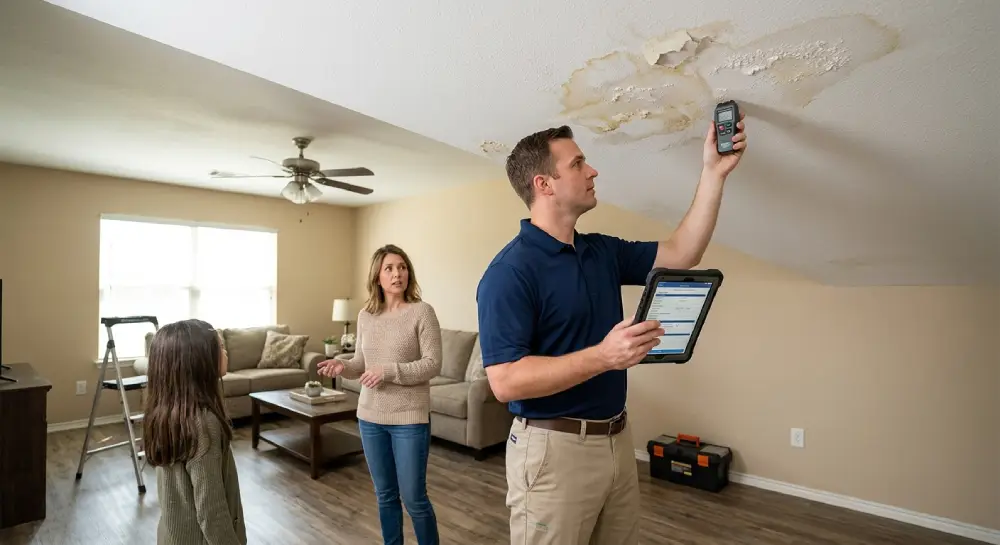
Watauga sits in northeastern Tarrant County, in a densely developed part of the Fort Worth metropolitan area. The city covers a relatively small area, which means one severe storm cell can affect neighborhoods, schools, parks, businesses, and shopping corridors during the same event.
Large Hail
North Texas thunderstorms can produce hail large enough to damage roofing, vents, gutters, siding, vehicles, and outdoor mechanical equipment. Local hail-history services have documented storm reports affecting Watauga and Tarrant County, including destructive hail and strong wind warnings.
Damaging Wind
Wind does not need to produce a tornado to cause an insurance loss. Gusts can lift roof edges, displace shingles, damage fencing, snap branches, and send debris into exterior walls or windows. Wind-driven rain may then enter through openings that are difficult to locate after the storm has passed.
Tornado Conditions
Tornadoes are less frequent than ordinary thunderstorms, but they remain a recognized local hazard. Watauga’s emergency system includes specific activation criteria for tornado warnings and reported tornado activity in Tarrant County.
Heavy Rain and Drainage Problems
Intense rainfall can overwhelm gutters, roof drains, landscaping, and low-lying drainage areas. Water may enter around windows, doors, roof penetrations, or previously damaged roof components. Regional storms can also cause street flooding and water accumulation in areas with limited drainage capacity.
Winter Freeze Damage
Although Watauga is known more for hail and wind, North Texas freezes can cause pipe breaks, plumbing failures, roof damage, and interior water losses. Properties with exposed piping, exterior plumbing walls, vacant spaces, or insufficient insulation may face greater risk during prolonged cold.
Why Insurance Claims Become Underpaid
An underpaid claim does not always result from one major error. In many cases, the payment is low because several smaller omissions accumulate across the estimate.
Missed or Hidden Damage
A short inspection may identify obvious roof or ceiling damage while overlooking attic insulation, underlayment, flashing, moisture migration, fence damage, code-related work, or affected contents.
Scope Omissions
An estimate might include damaged shingles but omit ridge caps, vents, gutters, disposal, labor access, steep charges, protective measures, or interior repairs.
Depreciation Issues
Many property policies apply depreciation based on the age and condition of damaged materials. Some policies allow recoverable depreciation after repairs are completed, while others may provide actual cash value only. Misunderstanding depreciation can lead property owners to believe the first payment is the final amount available.
Low Repair Estimates
Carrier pricing may differ from contractor bids because of labor assumptions, material pricing, repair methods, quantities, or missing line items. A meaningful estimate comparison requires more than looking at the bottom-line total.
Documentation Problems
Insurance claims are evidence-driven. Missing photographs, incomplete inventories, unclear timelines, poor moisture records, or inconsistent descriptions can weaken a valid claim.
Delayed Carrier Communication
Property owners may also face long gaps between inspections, estimates, requests for information, and coverage decisions. Our guide explains how long an insurance adjuster has to contact you and what steps may be available when communication stalls.
Cause-of-Loss Disputes
A carrier may attribute roof damage to age, installation, wear, or maintenance rather than the reported storm. Water damage may be disputed based on whether the source was sudden, repeated, internal, or related to surface flooding.
Incomplete Commercial Loss Calculations
Business interruption claims can be underpaid when revenue trends, continuing expenses, extra expenses, seasonality, and the restoration period are not documented correctly.
Our Public Adjusting Process
Every property and policy is different, but our Watauga claim process generally follows five stages.
1. Claim Review
We begin by reviewing the loss, policy information, carrier correspondence, estimates, payments, photographs, repair bids, and prior inspection findings.
The goal is to identify the current status of the claim and determine where additional investigation may be needed.
2. Property Inspection
We inspect accessible areas of the property and document visible conditions related to the reported loss. Depending on the claim, this may include roofing, exterior elevations, interior rooms, detached structures, commercial spaces, or damaged contents.
3. Damage Documentation
We organize photographs, measurements, inventories, estimates, reports, and other supporting materials. For complex losses, the claim may require input from qualified contractors, engineers, hygienists, accountants, restoration specialists, or other professionals.
4. Claim Presentation and Negotiation
We submit supported documentation to the insurance carrier and communicate regarding differences in scope, pricing, quantities, causation, and policy application.
The objective is to present the property owner’s claim clearly and respond to the carrier’s questions or disagreements with organized evidence.
5. Settlement and Claim Resolution
When the claim reaches an agreed resolution, we help the policyholder understand the settlement documents, depreciation, supplements, or remaining claim requirements.
Some claims are resolved through ordinary negotiation. Others may involve reinspection, supplemental review, appraisal, or additional professional evaluation, depending on the policy and dispute.
Why Choose TX Public Adjusting
TX Public Adjusting focuses on representing Texas property owners during residential and commercial insurance claims.
Licensed Texas Public Adjuster
Services are provided through Rise Public Adjusting LLC under Texas License #3356839.
Independent Policyholder Representation
The insurance company has its own representatives, estimators, consultants, and claim procedures. We work for the policyholder, not the carrier.
Residential and Commercial Experience
Our experience includes residential roofs, interior water losses, fire and smoke claims, commercial buildings, multifamily properties, contents, and business-related losses.
Texas-Focused Claim Knowledge
Texas properties face a distinct mix of hail, wind, hurricane, freeze, fire, and water losses. Our work is centered on Texas policies, construction conditions, weather events, and claim practices.
Detailed Scope Review
We review more than the carrier’s total estimate. We look at quantities, materials, labor, depreciation, code considerations, affected components, and the relationship between exterior and interior damage.
Thousands of Claims Reviewed
Our team has reviewed thousands of residential and commercial claims, giving us experience with both straightforward property losses and complicated disputes involving multiple buildings, causes, estimates, and coverage questions.
No Upfront Fees
TX Public Adjusting offers a free initial claim review, with no upfront fees for retaining our public adjusting services. Any fee arrangement is explained before representation begins and documented in the public adjusting contract.
Watauga Neighborhoods and Areas We Serve
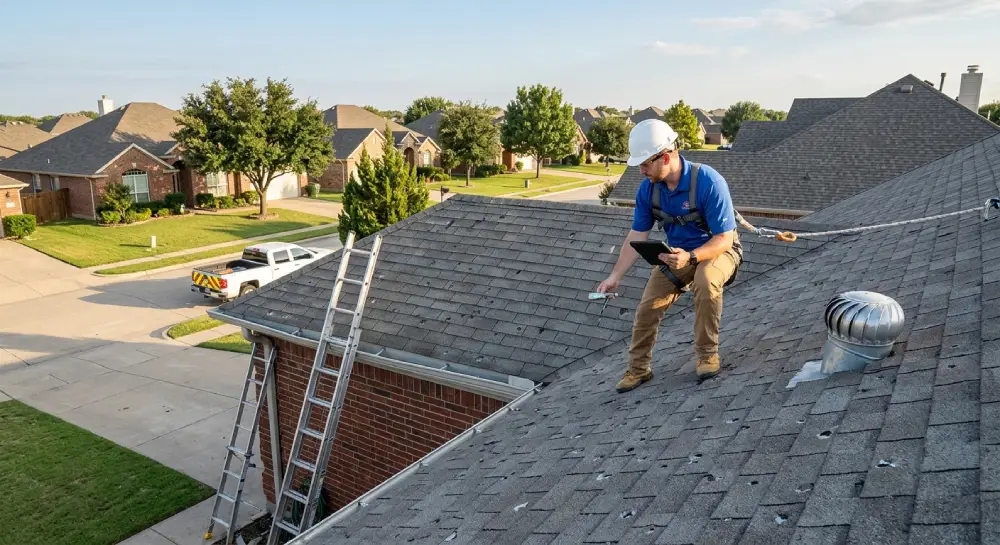
Watauga does not have the same large collection of formally defined districts found in Fort Worth or Dallas. Local residents often identify their area by nearby streets, subdivisions, schools, parks, and adjoining communities.
We assist property owners throughout Watauga, including homes and businesses near:
- Foster Village
- Park Vista Boulevard
- Whitley Road
- Starnes Road
- Rufe Snow Drive
- Denton Highway and US 377
- Watauga Road
- Hightower Drive
- Capp Smith Park
- Foster Village Park
- Watauga City Hall and the public library
- The Watauga Pavilion area
Capp Smith Park, Foster Village Park, the Watauga Public Library, the city’s memorials, and the Watauga Splash Pad are among the community’s best-known local destinations.
Areas We Serve Near Watauga
TX Public Adjusting also serves property owners across surrounding Tarrant County and the greater Fort Worth area, including:
- Keller
- North Richland Hills
- Haltom City
- Fort Worth
- Richland Hills
- Hurst
- Bedford
- Colleyville
- Southlake
- Saginaw
- Blue Mound
- Haslet
- Roanoke
- Trophy Club
- Grapevine
A storm that affects Watauga often crosses several nearby communities, so our team can coordinate inspections for residential portfolios, commercial locations, multifamily properties, and related losses across the region.
Frequently Asked Questions
What does a public adjuster do for a Watauga property owner?
A public adjuster represents the policyholder during a property insurance claim. The work may include reviewing the policy, inspecting damage, preparing documentation, analyzing estimates, communicating with the carrier, and negotiating disputed scope or pricing.
Unlike the insurance company’s adjuster, a public adjuster is retained by the property owner.
When should I hire a public adjuster after a Watauga hailstorm?
You can contact a public adjuster before filing, after the carrier’s inspection, or after receiving an estimate or payment. Many owners seek help when they believe important roof, gutter, fence, window, HVAC, or interior damage was overlooked.
It is usually better to request a review before repairs remove evidence or claim deadlines become an issue.
Can you help if my Watauga roof claim was denied?
A denied claim may still be reviewed. We examine the denial letter, policy provisions, photographs, inspection findings, storm information, repair history, and available evidence. Property owners can also review what to do if your hail claim was denied before deciding how to respond to the carrier.
A review does not guarantee that a denial can be changed, but it can help identify whether the carrier’s decision is consistent with the documented facts and policy language.
What if the insurance company only approved a roof repair?
We can review the carrier’s repair scope and compare it with the observed damage, material availability, repair feasibility, matching conditions, and contractor findings.
Some roofs can be repaired successfully. Others may have broader damage or practical repair limitations. The evidence should determine the appropriate scope.
Can a public adjuster help with an old Watauga claim?
Possibly. The answer depends on the loss date, policy requirements, prior payments, communications, repair status, contractual deadlines, and applicable Texas law.
Older claims should be reviewed promptly because policy notice provisions, limitation periods, and evidence preservation can affect available options. Review our guide explaining when it is too late to hire a public adjuster for additional information about timing, documentation, and unresolved claims.
How much does a public adjuster charge in Texas?
Public adjusters typically work under a written fee agreement tied to the claim recovery or other terms allowed by Texas law. The exact arrangement depends on the claim and contract.
TX Public Adjusting explains the fee before representation begins. We provide a free claim review and do not charge an upfront retainer for public adjusting services.
Can you help with commercial property claims in Watauga?
Yes. We assist with commercial buildings, retail properties, offices, multifamily properties, restaurants, warehouses, schools, and other insured facilities.
Commercial claims may include building damage, contents, equipment, tenant improvements, business interruption, extra expense, and lost rental income.
Do I need a public adjuster for a small claim?
Not every claim requires professional representation. A simple claim with clear coverage, complete documentation, and an adequate carrier estimate may be handled directly by the property owner.
A free review can help determine whether the disputed amount, complexity, damage scope, or time commitment justifies hiring a public adjuster.
How long does a Watauga property claim take?
Claim timelines vary. A limited roof claim may move faster than a major fire, water, commercial, or business interruption loss.
Timing can depend on carrier response, inspections, documentation, expert reports, supplemental estimates, repairs, depreciation requirements, and whether coverage or causation is disputed.
Does a public adjuster work for the insurance company?
No. A public adjuster represents the insured property owner. Insurance companies employ or assign their own adjusters and consultants.
This distinction is explained further in our comparison of a public adjuster vs. independent adjuster. A public adjuster represents the policyholder, while an independent adjuster is generally assigned by an insurance carrier.
Get a Free Watauga Insurance Claim Review
You do not have to accept an unclear estimate without asking how the carrier calculated it. You also do not have to manage a complicated residential or commercial claim alone.
TX Public Adjusting helps Watauga property owners document storm, hail, roof, fire, water, and commercial property losses. We can review the policy, inspect the property, compare estimates, identify possible omissions, and communicate with the insurance carrier on your behalf.
Contact TX Public Adjusting today to request a free review of your Watauga residential or commercial property claim.
- Licensed Texas Public Adjuster
- Rise Public Adjusting LLC
- Texas License #3356839
- Residential and Commercial Claims
- No Upfront Fees
- Independent Policyholder Representation