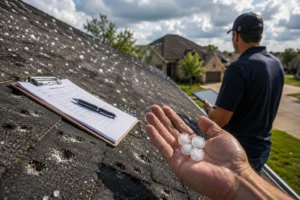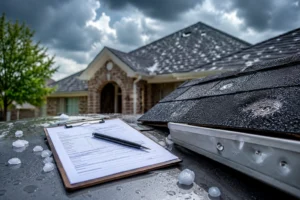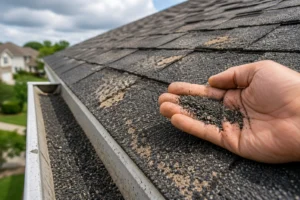

Texas storms can destroy a roof faster than most homeowners expect. One strong hailstorm may leave dents, fractures, bruising, or hidden leaks that continue spreading long after the skies clear. That is why learning how to identify hail damage by roof type is incredibly important. Different roofing systems respond differently to hail impacts, and missing those signs can lead to denied insurance claims, expensive repairs, and long-term structural problems. Some damage looks obvious. Other damage hides quietly beneath the surface. Understanding what to look for gives homeowners a huge advantage after severe weather.
Why Roof Type Matters After a Hailstorm
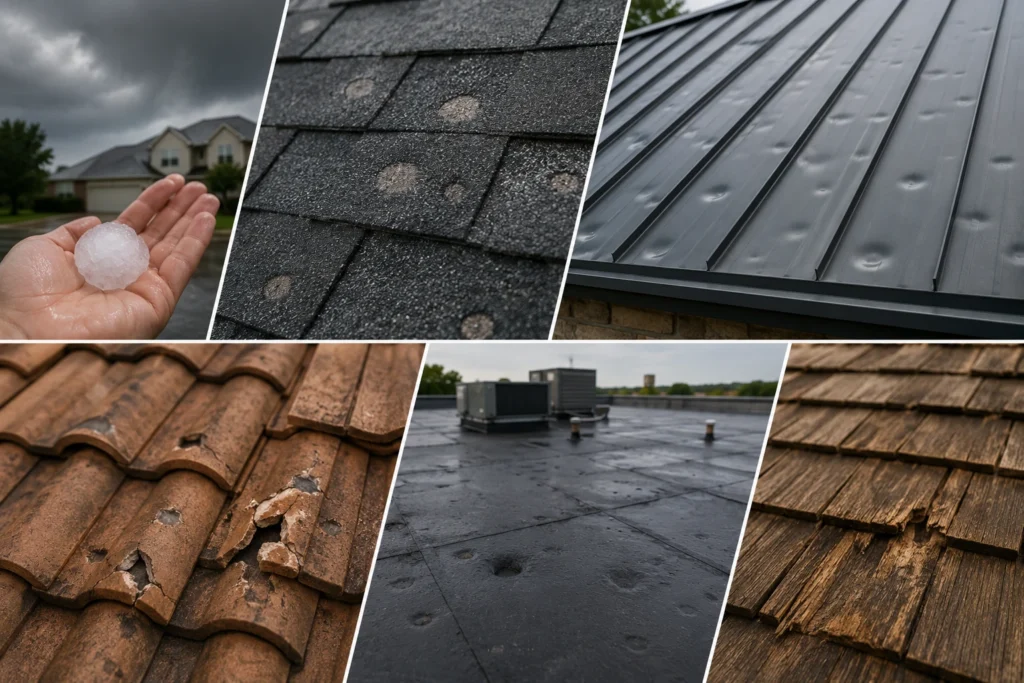
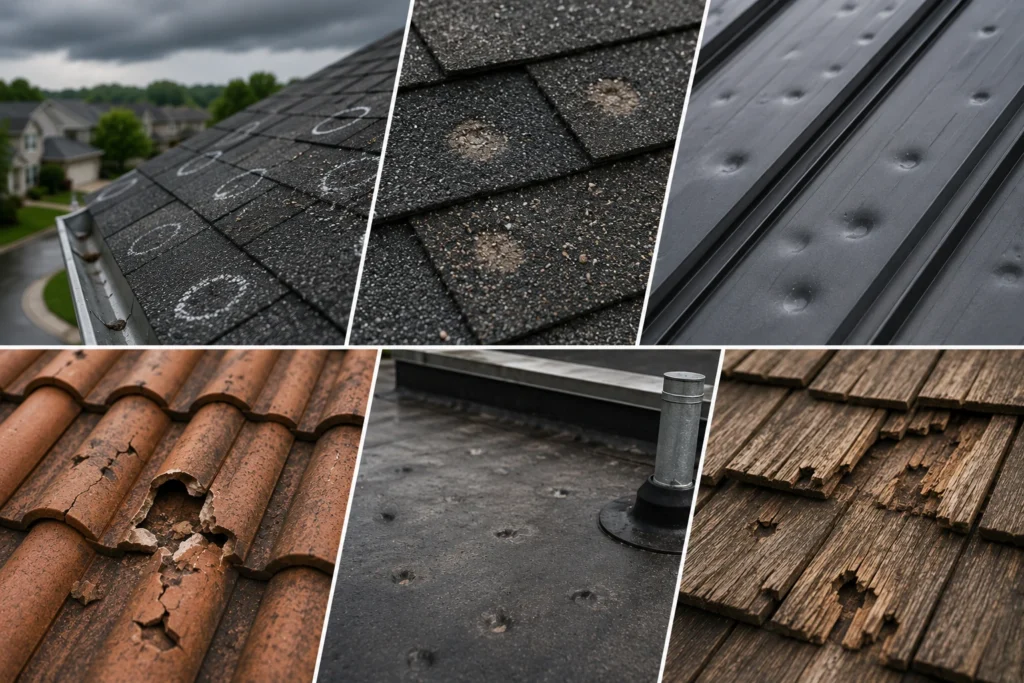
Not all roofs react to hail the same way. Asphalt shingles may bruise or lose granules. Metal roofing usually dents. Tile roofs crack or chip. Flat roofs can puncture without visible warning signs from the ground. That difference changes everything during inspections and insurance claims. Several factors influence hail damage severity:
- Hail size
- Wind speed
- Roof age
- Roof slope
- Previous storm exposure
- Installation quality
Even two homes sitting side-by-side can experience completely different damage levels. Here is a quick overview:
| Roof Type | Common Hail Damage |
|---|---|
| Asphalt Shingles | Bruising, granule loss, cracking |
| Metal Roofing | Dents, coating fractures |
| Tile Roofing | Chips, fractures, broken corners |
| Flat Roofs | Membrane punctures, seam separation |
| Wood Shake Roofs | Splits, impact fractures |
Understanding how to identify hail damage by roof type helps homeowners recognize problems earlier before leaks and structural issues become worse.
How to Identify Hail Damage on Asphalt Shingle Roofs
Asphalt shingles remain the most common roofing material across Texas. They are also highly vulnerable to hail impacts.
Common Signs of Asphalt Hail Damage
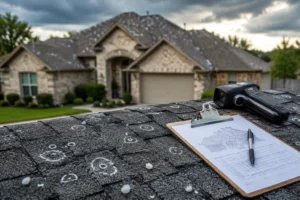
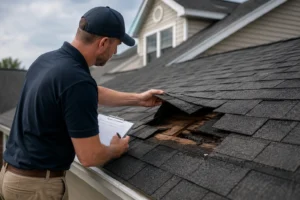
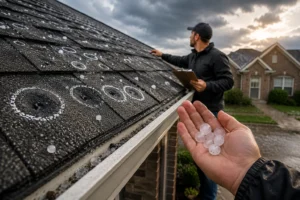
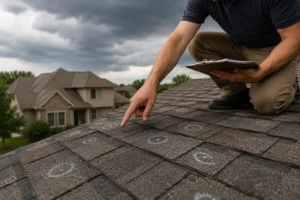
The most recognizable sign is bruising. A hailstone can strike the shingle hard enough to damage the fiberglass mat beneath the surface. That creates a soft spot that may feel spongy when pressed carefully. Other warning signs include:
- Circular impact marks
- Granule loss
- Black substrate exposure
- Cracked shingles
- Torn edges
- Random impact patterns
Fresh damage often appears darker because protective granules were recently knocked away. Older damage may appear faded or weathered.
Collateral Damage Around the Property
Roof inspections should never focus only on shingles. Look for supporting evidence around the property such as:
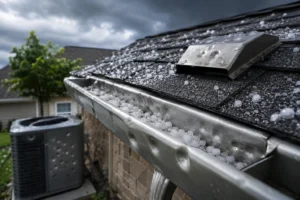
- Dented gutters
- Damaged downspouts
- Bent window screens
- Fence staining
- Garage door impacts
- Air conditioner fin damage
These indicators help confirm storm intensity and direction.
Common Inspection Mistakes
Many homeowners confuse aging with hail damage. For example:
- Heat blistering is not always hail damage
- Normal granule shedding occurs over time
- Foot traffic marks may resemble impacts
True hail damage usually appears randomly rather than in repetitive patterns. That distinction matters during insurance inspections.
Identifying Hail Damage on Metal Roofs
Metal roofs react very differently during hailstorms. Instead of bruising, they usually dent. Some dents remain cosmetic. Others become serious functional problems.
Common Signs of Metal Roof Damage
Inspect for:
- Circular dents
- Surface dimpling
- Loose fasteners
- Fractured protective coatings
- Seam separation
- Punctures in thinner panels
Lighting angle becomes extremely important during metal roof inspections. Inspectors often examine metal surfaces early or late in the day when shadows make dents easier to spot.
Cosmetic vs Functional Damage
Insurance companies frequently debate whether metal roof damage affects functionality. Cosmetic dents may not immediately cause leaks. However, impacts near seams, fasteners, or locks can weaken the roofing system over time. Protective coatings may also crack after impacts, exposing metal underneath to corrosion. That creates future water intrusion risks.
Inspection Tips for Metal Roofs
Homeowners should pay close attention to:
- Ridge caps
- Flashings
- Skylights
- Roof penetrations
- Fastener systems
Subtle impacts in these vulnerable areas often lead to larger roofing failures later.
How to Spot Hail Damage on Tile Roofs
Tile roofing systems can handle weather extremely well, but hail impacts may still create serious hidden damage. The challenge is visibility.
Common Signs of Tile Roof Damage
Look for:
- Hairline fractures
- Broken corners
- Surface chips
- Cracked edges
- Displaced tiles
Some fractures remain difficult to see from the ground. Others hide beneath overlapping sections of tile.
Why Tile Roof Inspections Are Difficult
Tile roofs require careful handling. Improper walking techniques can break additional tiles during inspections. Professional inspectors usually evaluate:
- Fracture consistency
- Underlayment exposure
- Moisture intrusion risks
- Impact patterns
- Tile displacement
Clay and concrete tiles also respond differently under stress. Concrete often chips. Clay may crack or shatter.
Hidden Damage Beneath the Surface
Even if the visible tile survives the impact, the underlayment underneath may still suffer damage. Once moisture reaches the underlayment, leaks can slowly spread throughout the roofing system. That delayed failure becomes expensive quickly.
Identifying Hail Damage on Flat Roof Systems
Flat roofs often hide hail damage better than steep-slope roofing systems. That creates major problems for commercial properties and low-slope residential structures.
Common Signs of Flat Roof Damage
Flat roof systems may develop:
- Membrane punctures
- Surface cracking
- Blisters
- Seam separation
- Coating displacement
- Drainage problems
Water pooling can conceal damage for weeks before leaks finally appear inside the building.
Why Flat Roof Damage Gets Missed
Most homeowners cannot easily view flat roofs from the ground. That means small punctures often go unnoticed until insulation becomes saturated or interior staining develops. By then, repairs become far more expensive.
Rooftop Equipment Helps Identify Damage
Inspectors frequently examine rooftop equipment for collateral evidence. Look for impacts on:
- HVAC systems
- Vent covers
- Drain caps
- Flashings
- Exhaust units
These surfaces often reveal storm severity even when membrane damage appears subtle. Modern inspections sometimes rely on advanced imaging concepts similar to Photogrammetry, which helps inspectors analyze roof surfaces with detailed aerial measurements.
How Hail Damage Appears on Wood Shake Roofs
Wood shake roofs age naturally, making storm inspections more complicated. Still, fresh hail damage leaves behind important clues.
Common Signs of Wood Shake Damage
Inspect for:
- Fresh splits
- Sharp-edged fractures
- Missing wood fibers
- Circular dents
- Exposed lighter-colored wood
Fresh impacts usually appear brighter because the damaged wood has not weathered yet.
Storm Damage vs Natural Aging
This distinction becomes critical during insurance claims. Natural aging typically creates:
- Uniform wear
- Gradual discoloration
- Consistent cracking patterns
Hail damage appears more random and concentrated in impact zones. Understanding how to identify hail damage by roof type helps homeowners separate storm-related issues from long-term deterioration.
Signs Around the Property That Support Roof Damage Claims
Roof damage rarely exists alone after severe hailstorms. The surrounding property usually shows evidence too.
Important Areas to Photograph
Document damage to:
- Gutters
- Siding
- Window screens
- Mailboxes
- Garage doors
- Outdoor furniture
- Air conditioning units
- Fence staining
These supporting impacts help establish storm severity during insurance evaluations.
Why Documentation Matters
Strong documentation strengthens claims dramatically. Take photographs immediately after the storm whenever possible. Delays can create complications because:
- Additional storms may occur
- Damage appearance changes over time
- Repairs nearby alter conditions
- Insurers may question timelines
Detailed evidence improves negotiation leverage later.
How Insurance Adjusters Evaluate Roof Hail Damage
Insurance inspections involve much more than spotting dents or cracks. Adjusters evaluate overall consistency.
What Adjusters Commonly Look For
Typical inspection factors include:
- Impact distribution
- Roof age
- Repairability
- Storm-created patterns
- Functional impairment
- Supporting collateral damage
Sometimes adjusters disagree completely on the same roof. That happens more often than homeowners realize.
Common Reasons Claims Get Denied
Many denied claims involve:
- Wear and tear arguments
- Old roof conditions
- Installation problems
- Lack of storm consistency
- Insufficient documentation
This creates frustration for homeowners who clearly see visible damage. Proper evidence becomes essential.
Tools Professionals Use During Roof Inspections
Roof inspections changed dramatically over the past several years. Technology now plays a major role in identifying subtle damage.
Common Inspection Equipment
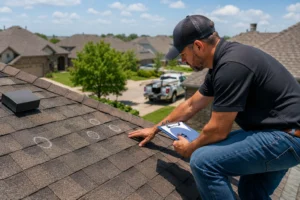
Professionals may use:
- Drones
- Thermal imaging
- Moisture meters
- Chalk marking systems
- Test squares
- High-resolution photography
These tools help inspectors document impacts more accurately and safely.
Why Advanced Technology Matters
Certain roofing systems respond differently to pressure and impact forces due to material density and structural composition, concepts often studied in Rheology Modern imaging technology also helps inspectors:
- Zoom into damage areas
- Compare roof slopes
- Analyze impact consistency
- Track moisture intrusion
- Strengthen insurance reports
That detail often improves claim outcomes.
When Homeowners Should Schedule a Roof Inspection
Timing matters after severe storms. Waiting too long increases risk.
Warning Signs You Should Never Ignore
Schedule an inspection if you notice:
- Ceiling stains
- New leaks
- Granules inside gutters
- Dented soft metals
- Cracked shingles
- Water spots indoors
Small issues rarely stay small for long.
Best Time for an Inspection
The ideal time is shortly after the storm while evidence remains fresh. That allows:
- Better documentation
- Faster claims processing
- More accurate weather verification
- Easier repair planning
Procrastination usually complicates roof claims.
How Public Adjusters Help With Hail Damage Claims
Hail claims often become stressful very quickly. Especially when insurance carriers dispute damage severity or repair scope.
What Public Adjusters Do
Public adjusters represent policyholders rather than insurance companies. They help:
- Document damage
- Prepare detailed estimates
- Interpret policy language
- Negotiate settlements
- Support disputed claims
Complex roofing systems especially benefit from independent evaluations.
Why Roof Claim Disputes Are Common
One inspector may classify damage as cosmetic while another identifies functional impairment requiring replacement. That disagreement changes the entire claim outcome. Learning how to identify hail damage by roof type gives homeowners a stronger understanding during those conversations.
Preventing Future Hail Damage Problems
Texas hailstorms are unavoidable. Preparation matters.
Roofing Materials With Better Impact Resistance
Some roofing systems perform better during severe weather. Popular impact-resistant options include:
- Class 4 shingles
- Stone-coated steel roofing
- Heavy-gauge metal systems
- Impact-rated composite materials
No roof becomes completely hail-proof, but stronger materials may reduce future losses.
Maintenance Practices That Help
Simple maintenance improves roof performance significantly. Prioritize:
- Annual inspections
- Tree trimming
- Gutter cleaning
- Flashing repairs
- Fast leak response
Small maintenance problems often become major storm vulnerabilities later.
Final Thoughts
Learning how to identify hail damage by roof type helps homeowners protect their property, strengthen insurance claims, and prevent hidden roofing problems from becoming expensive structural repairs. Every roofing system reacts differently after a storm. Asphalt shingles bruise. Metal roofs dent. Tile fractures hide beneath overlaps. Flat roofs puncture quietly. Wood shakes split unpredictably. The faster those warning signs are recognized, the better the outcome usually becomes. And in Texas, where severe hailstorms can appear without warning, that knowledge can save homeowners thousands of dollars in future repairs and claim disputes.
FAQs
Look for dents, bruising, cracked shingles, granule loss, or damaged metal components around the property after a storm.
Yes, severe hail impacts can create immediate openings, but some leaks may take weeks or months to appear.
Hail around one inch in diameter can damage many roofing materials, although older roofs may suffer damage from smaller hailstones.
Yes, asphalt shingles may bruise, metal roofs dent, tile roofs crack, and flat roofs may develop punctures or seam separation.
It is smart to schedule an inspection after any significant hail event, especially if nearby properties show visible damage.
Yes, claims may be denied if the insurer believes the damage resulted from aging, wear and tear, or poor maintenance instead of hail.
Policy deadlines vary, but homeowners should report potential damage as quickly as possible after the storm.
Ground-level inspections are safer for homeowners, while steep or damaged roofs should be evaluated by professionals.
Take photos of gutters, siding, windows, fences, garage doors, and any visible roof damage immediately after the storm.
Yes, smaller hail combined with strong wind speeds can still damage aging or vulnerable roofing systems.