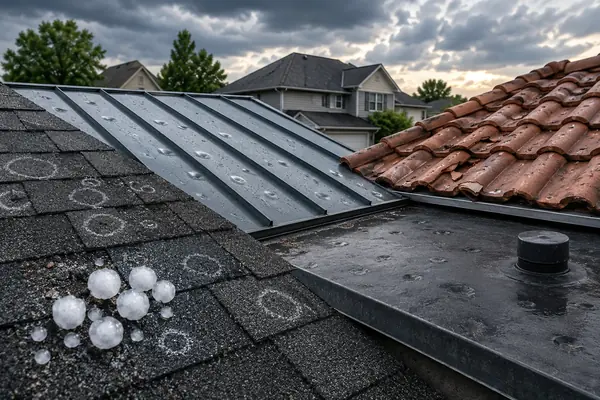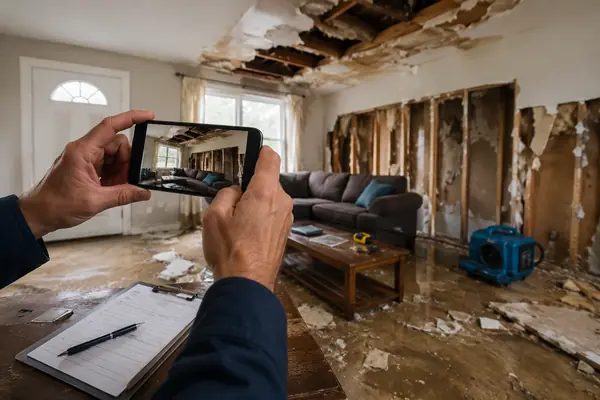
Property damage in Trophy Club can turn a comfortable home, rental property, or local business into a complicated insurance claim almost overnight. A North Texas hailstorm may damage shingles, gutters, windows, fencing, and exterior finishes in a matter of minutes. Wind-driven rain can enter through a compromised roof and create interior water damage that is not immediately visible. When the insurance company’s estimate leaves out part of the loss, a licensed public adjuster in Trophy Club can help document the full scope of covered damage and represent the policyholder throughout the claim.
TX Public Adjusting helps residential and commercial property owners understand, prepare, and negotiate insurance claims. We work for policyholders—not insurance companies. Property owners who are unfamiliar with the role can learn more about what a public adjuster does before deciding whether representation is appropriate for their claim. Our team reviews the policy, inspects the property, documents covered damage, prepares a detailed claim scope, and communicates with the carrier regarding the amount owed under the policy.
TX Public Adjusting is operated by Rise Public Adjusting LLC, Texas License #3356839.
Need help with a new, delayed, denied, or underpaid property claim? Request a free claim review. There are no upfront fees.
Local Insurance Claim Help for Trophy Club Property Owners
Trophy Club is a planned North Texas community located primarily in Denton County, with a smaller portion extending into Tarrant County. The town sits along State Highway 114 near Westlake, Southlake, Roanoke, and the southern edge of Grapevine Lake. Trophy Club is known for its golf-centered history, established residential streets, newer master-planned sections, community parks, and convenient access to the broader Dallas–Fort Worth area.
Those local characteristics create a distinct mix of property claim concerns. Trophy Club has many well-maintained homes with complex rooflines, upgraded exterior materials, outdoor living spaces, pools, fences, landscaping, and detached structures. The community also includes townhomes, retail properties, offices, schools, medical facilities, churches, and country club-related buildings. After a severe storm, the damage may involve much more than a few missing shingles.
A complete claim may need to address:
- Roofing materials, flashing, vents, underlayment, and roof accessories
- Gutters, downspouts, window screens, and exterior paint
- Stucco, masonry, siding, garage doors, and fencing
- Interior ceilings, insulation, flooring, cabinetry, and electrical components
- Outdoor kitchens, pergolas, detached structures, and pool equipment
- Commercial roofing systems, signage, HVAC units, and business contents
- Temporary repairs, debris removal, and loss-mitigation expenses
A carrier inspection may be brief, especially after a widespread DFW storm produces a high volume of claims. That does not necessarily mean the adjuster intentionally overlooked damage. It does mean the property owner should carefully compare the carrier’s scope with the actual conditions at the property.
Why Property Owners Hire a Public Adjuster in Trophy Club
The insurance company assigns an adjuster to investigate the claim on behalf of the carrier. A public adjuster serves a different role: representing the policyholder’s financial interests in the claim. Our guide comparing a public adjuster vs. independent adjuster explains who each adjuster represents and how their responsibilities differ.
Trophy Club property owners often contact TX Public Adjusting when:
- The insurer’s estimate appears too low
- Important rooms or exterior components were omitted
- The carrier classified storm damage as wear, age, or maintenance
- Water entered through a storm-damaged roof
- Repair estimates exceed the insurance company’s scope
- The claim has stalled or communication has become difficult
- The insurer requested extensive documents or inventories
- A commercial loss is disrupting business operations
- The property owner lacks time to manage inspections and negotiations
- A claim was denied and the owner wants an independent review
Our work is focused on the insurance claim itself. We review the available coverage, inspect the loss, organize supporting documentation, identify scope differences, and present the claim to the carrier.
Hiring a public adjuster does not guarantee a particular result. Coverage, deductibles, exclusions, policy conditions, cause of loss, prior damage, repairability, and documentation all affect the outcome. The purpose of professional representation is to make sure the claim is thoroughly evaluated and properly presented.
Trophy Club Storm Risks and Property Damage Patterns
Trophy Club shares the severe-weather profile of the Dallas–Fort Worth region. Strong thunderstorms can bring hail, damaging straight-line winds, intense rainfall, lightning, and occasional tornado activity. Hail and wind losses are especially significant because a single storm can affect roofing, exterior elevations, windows, fencing, mechanical equipment, and vehicles across an entire neighborhood.
Hail Damage
Hail is one of the most common reasons Trophy Club homeowners file property insurance claims. Even when a roof is not leaking immediately, hail can bruise asphalt shingles, fracture surface materials, dent metal components, damage vents, crack skylights, and reduce the service life of roofing systems.
Hail damage may also appear on:
- Gutters and downspouts
- Garage doors
- Window screens and frames
- Exterior light fixtures
- Air-conditioning fins
- Painted surfaces
- Fences and gates
- Patio covers and pergolas
- Commercial membrane or metal roofs
Property owners preparing a hail damage insurance claim in Texas should document every affected component, not only the roof surface. Photographs of gutters, vents, window screens, fencing, garage doors, and air-conditioning equipment can help establish the broader storm-damage pattern. The extent of the loss depends on hail size, wind speed, storm direction, roof slope, material type, installation quality, and the age and condition of the property. Texas continues to experience substantial hail activity, and hail-related losses have become a major driver of insured property damage nationally.
High-Wind and Tornado Damage
Straight-line wind can lift shingles, loosen flashing, damage ridge caps, break tree limbs, topple fencing, and drive rain beneath roofing materials. More intense storms can damage windows, overhead doors, exterior cladding, chimneys, and roof decking.
Tornadoes are less frequent at any individual property, but North Texas storms can develop rapidly. The practical claim issue is often not whether a tornado directly touched the property, but whether rotating thunderstorms, severe downdrafts, windborne debris, or powerful outflow winds damaged the building.
Wind claims can become disputed when the roof is older or when the damage is not visible from the ground. A detailed inspection may be needed to separate recent storm effects from long-term deterioration.
Wind-Driven Rain and Interior Water Damage
After a storm, water may enter through lifted shingles, damaged vents, flashing failures, broken windows, or compromised roof-to-wall connections. The first visible stain may represent only part of the loss.
Moisture can affect:
- Attic insulation
- Roof decking
- Drywall and texture
- Interior paint
- Flooring and baseboards
- Cabinetry
- Electrical fixtures
- Framing cavities
Prompt mitigation is important. Our guide to dealing with an insurance adjuster after water damage explains what to document and which claim issues commonly arise after interior water intrusion. Property owners should take reasonable steps to prevent further damage, preserve receipts, photograph affected areas, and avoid disposing of damaged materials before they are documented when it is safe to retain them.
Heavy Rain and Localized Flooding
Trophy Club is near Grapevine Lake and includes drainage channels, low-lying areas, and properties with varying elevations. Available risk data characterizes the community’s overall flood risk as relatively limited, but localized flooding and drainage-related water intrusion can still affect individual properties.
Coverage depends heavily on the source of the water. Standard property policies commonly treat storm-created openings, plumbing losses, roof leaks, groundwater, surface water, and floodwater differently. A public adjuster can review how the loss is being characterized, but only the policy and facts of the event determine coverage. Coastal hurricane losses are different from most Trophy Club storms, but our guide to property damage after a hurricane provides useful information about documenting wind, water, roof, structural, and contents damage after a major weather event.
Winter Freeze and Plumbing Losses
North Texas winter weather can cause frozen pipes, failed plumbing connections, damaged water heaters, and sprinkler-system leaks. Water may spread behind walls or beneath flooring before it becomes obvious.
Freeze claims can involve both the damaged plumbing component and the resulting water damage. Policy conditions may require reasonable heat maintenance, water shutoff, or other protective measures. Clear records and a careful timeline are especially helpful when the carrier questions the cause or duration of the leak.
Common Insurance Claims in Trophy Club

Hail Damage Claims
A Trophy Club hail claim should evaluate more than the main roof surface. A complete inspection may include roofing accessories, metal components, gutters, elevations, windows, HVAC units, fencing, and detached improvements.
Carrier estimates sometimes include spot repairs even when matching, material availability, repairability, or manufacturer requirements create broader issues. These questions should be evaluated using the policy, physical evidence, applicable repair practices, and the specific construction of the property.
Water Damage Claims
Water losses may result from broken supply lines, appliance failures, overflowing fixtures, plumbing leaks, roof openings, or fire-suppression systems. The visible water is only the beginning of the evaluation.
A complete scope may require drying, demolition, antimicrobial treatment where appropriate, insulation removal, drywall replacement, painting, flooring work, cabinetry repairs, contents handling, and access to the failed component.
Fire and Smoke Damage Claims
Fire claims can involve structural damage, smoke migration, soot, heat effects, water from firefighting, debris removal, temporary housing, personal property inventories, and code-related repairs. Our fire damage insurance claim guide explains how these different categories of loss may become part of one property claim.
Smoke can move through HVAC systems and concealed cavities far beyond the immediate burn area. Cleaning versus replacement decisions should be based on the affected material, contamination level, safety considerations, restoration feasibility, and policy coverage.
Storm Damage Claims
A severe thunderstorm claim may combine hail, wind, falling trees, water intrusion, electrical damage, and damage to exterior structures. Treating each condition as an unrelated maintenance problem can lead to an incomplete scope.
TX Public Adjusting documents the property as a connected loss and organizes the supporting evidence so the carrier can evaluate each affected component.
Roof Damage Claims
Roof claims are often contested because the roof is exposed to age, sun, heat, installation issues, maintenance conditions, hail, and wind over its service life. The central question is not simply whether the roof is old. A public adjuster for a roof claim can compare the carrier’s scope with the observed storm damage, roofing system, measurements, accessories, interior effects, and required repair method. The question is what happened during the reported event and what covered repairs are required.
We review:
- The reported date and cause of loss
- Roof type, age, and condition
- Test squares and damage patterns
- Soft-metal impacts and directional evidence
- Wind creasing, lifting, and displaced materials
- Flashing and roof-accessory damage
- Interior evidence of water intrusion
- Repairability and material compatibility
- Differences between contractor and carrier scopes
Commercial Property Claims
Commercial claims in Trophy Club may involve medical offices, retail buildings, restaurants, schools, churches, professional offices, multifamily properties, and community facilities.
Commercial losses can be complicated by large roof areas, multiple tenants, mechanical systems, business contents, specialized finishes, lease responsibilities, and lost operating time. A detailed claim presentation may require building estimates, equipment documentation, inventories, lease records, mitigation invoices, and business-interruption information.
Property Claims in Trophy Club Neighborhoods
Trophy Club is compact, but its residential areas include a range of construction periods, lot configurations, roof designs, and property improvements. Local references commonly include Trophy Club’s established golf-course neighborhoods, Lakes of Trophy Club, The Highlands at Trophy Club, Hogan’s Glen, Eagles Ridge, Canterbury Hills, and streets near Trophy Club Park and the community’s northern edge.
Established Golf-Course Areas
Homes near Trophy Club Country Club and the community’s original golf-centered sections may have mature trees, custom exterior features, complex roofs, chimneys, and older materials. After wind or hail, inspections should consider tree impact, flashing, aging components, matching issues, and hidden water entry.
Trophy Club’s identity developed around a country club and a golf course associated with Texas golf legend Ben Hogan, making the golf-course setting one of the town’s defining local features.
The Highlands and Newer Residential Sections
Newer neighborhoods may have modern roofing assemblies, stone-and-brick elevations, larger windows, upgraded outdoor spaces, and extensive fencing. New construction is not immune to storm damage. Hail can affect recently installed shingles, metal accents, vents, gutters, window components, and HVAC equipment.
Claims in newer communities may also involve builder information, manufacturer specifications, warranties, or questions about repair methods.
Lakes of Trophy Club and Northern Areas
Properties closer to Trophy Club Park and Grapevine Lake may be more exposed to open wind, tree debris, heavy rain, and localized drainage conditions. Trophy Club Park is one of the town’s best-known outdoor destinations and a significant local landmark.
The location of a home does not determine coverage, but site exposure can help explain the pattern and direction of damage after a storm.
Commercial Areas Along State Highway 114
Properties near the State Highway 114 corridor may include retail, dining, medical, office, and service uses. Commercial roofing systems and rooftop equipment can sustain damage that is difficult to detect from ground level.
After a severe storm, owners should consider inspecting membrane seams, metal panels, rooftop HVAC equipment, drainage systems, signage, windows, and interior ceiling areas.
Why Trophy Club Insurance Claims Become Underpaid
A low estimate does not always result from one obvious mistake. Many underpaid claims involve several small omissions that add up.
Missed or Undocumented Damage
Damage may be hidden, elevated, spread across multiple elevations, or located behind finished materials. If the carrier does not see it, photograph it, or connect it to the reported event, it may not appear in the estimate.
Incomplete Repair Scope
An estimate may include the damaged surface but omit the work needed to reach, remove, protect, reinstall, or finish surrounding materials.
Common omissions include:
- Detaching and resetting fixtures
- Removing and replacing insulation
- Content manipulation
- Floor protection
- Debris hauling
- Roofing accessories
- Flashing work
- Painting adjoining surfaces
- Equipment access
- Permit or code-related items, when covered
Depreciation Issues
Replacement cost policies may initially pay the actual cash value of damaged property and withhold recoverable depreciation until repairs are completed and documented. Disputes can arise over depreciation percentages, nonrecoverable depreciation, repair deadlines, or proof of completion.
Low Unit Pricing or Measurements
Differences in roof measurements, room dimensions, labor assumptions, material quality, waste factors, or local pricing can significantly change the estimate. The carrier’s estimate should be compared line by line with the property conditions and required repairs.
Cause-of-Loss Disputes
The carrier may attribute damage to wear, deterioration, faulty installation, prior damage, or maintenance rather than the reported storm. These disputes require careful documentation. Photographs, weather information, inspection findings, repair history, and the physical damage pattern may all matter.
Documentation Problems
Missing photographs, incomplete inventories, discarded materials, undocumented temporary repairs, and inconsistent timelines can weaken a valid claim. Good records help establish what happened, what was damaged, and what expenses were reasonably incurred.
Our Public Adjusting Process
1. Claim Review
We begin by reviewing the current status of the claim. This may include the policy, declarations, carrier estimate, payment letters, denial correspondence, photographs, contractor estimates, mitigation documents, and prior communications.
We identify the issues that require further evaluation and explain how public adjusting may fit the situation.
2. Property Inspection
We inspect accessible areas related to the reported loss. Depending on the claim, this may include roofing, exterior elevations, interior rooms, mechanical systems, commercial spaces, contents, and detached structures.
The inspection is designed to identify and document the covered scope—not merely confirm the most obvious damage.
3. Damage Documentation
We organize photographs, measurements, estimates, inventories, invoices, expert findings, and other relevant records. For complex losses, additional specialists may be needed based on the type of damage and the issues in dispute.
4. Claim Preparation
We prepare a detailed presentation of the claimed damage. This may include an itemized repair estimate, supporting photographs, contents documentation, mitigation costs, and an explanation of scope differences.
5. Carrier Communication and Negotiation
We communicate with the insurance company regarding inspections, requests for information, estimate differences, and settlement issues. Our role is to advocate for the policyholder while supporting the claim with evidence and policy-based reasoning.
6. Settlement Review
When the carrier issues a revised estimate or payment, we review it against the documented claim. We explain remaining differences and assist with the next claim steps available under the circumstances.
Mid-Claim Help for Underpaid or Delayed Losses
You do not necessarily have to hire a public adjuster on the first day of the claim. Trophy Club property owners often contact us after receiving the initial estimate, after a contractor identifies omitted work, or after communication with the carrier becomes difficult.
Earlier involvement can make documentation easier, but a claim may still be reviewable later depending on policy deadlines, the condition of the property, completed repairs, prior releases, and the applicable Texas claim timeline.
Earlier involvement can make documentation easier, but a claim may still be reviewable later depending on policy deadlines, the condition of the property, completed repairs, prior releases, and the applicable Texas claim timeline. Our guide explains when it is too late to hire a public adjuster and what circumstances may affect the available options.
Why Choose TX Public Adjusting

Licensed Texas Public Adjuster
TX Public Adjusting is operated by Rise Public Adjusting LLC, Texas License #3356839. We provide public adjusting services for Texas policyholders.
Independent Policyholder Representation
We do not work for the insurance carrier. Our responsibility is to the property owner who hires us.
Residential and Commercial Experience
Our experience includes reviewing thousands of residential and commercial property claims involving hail, wind, water, fire, smoke, roofs, contents, and business-property losses.
Detailed Claim Documentation
A successful claim presentation depends on more than a general statement that the estimate is too low. We focus on measurements, photographs, repair scope, supporting records, and clearly explained differences.
Texas-Focused Knowledge
Texas properties face distinctive hail, wind, freeze, water, fire, and severe-weather risks. Texas policies also vary significantly by carrier, form, deductible, endorsement, and exclusion. Our work stays focused on the policy and facts governing each individual loss.
Free Claim Review and No Upfront Fees
Property owners can request an initial claim review without paying an upfront fee. Any fee arrangement is explained in writing before representation begins.
Areas We Serve Near Trophy Club
TX Public Adjusting assists policyholders in Trophy Club and nearby North Texas communities, including:
- Roanoke
- Westlake
- Southlake
- Keller
- Grapevine
- Flower Mound
- Argyle
- Northlake
- Justin
- Haslet
- Fort Worth
- Denton
- Lewisville
- Colleyville
- Coppell
We serve residential and commercial property owners throughout Denton County, Tarrant County, and the wider Dallas–Fort Worth region.
Frequently Asked Questions
What does a public adjuster in Trophy Club do?
A public adjuster represents the policyholder during a property insurance claim. The work may include reviewing the policy and carrier estimate, inspecting the damage, documenting the loss, preparing a repair scope, organizing supporting records, and negotiating claim differences with the insurance company.
The carrier’s adjuster represents the insurer. A Trophy Club public adjuster is hired by the residential or commercial property owner.
When should I hire a public adjuster after a Trophy Club hailstorm?
You may hire a public adjuster soon after discovering damage or later if the carrier’s estimate appears incomplete. Early involvement can help preserve evidence and organize the claim before repairs begin.
You should consider a professional review when the damage is widespread, the roof scope is disputed, interior water damage is involved, the estimate omits exterior components, or the claim is taking more time than you can reasonably manage.
Can a public adjuster help with an underpaid roof claim?
Yes. A public adjuster can compare the insurer’s roof estimate with the observed damage, measurements, roofing system, required accessories, repair method, and related interior or exterior damage.
The review may identify missing flashing, vents, gutters, steep charges, waste, detach-and-reset items, interior repairs, or differences involving repairability and matching. Coverage depends on the policy and facts of the loss.
Does homeowners insurance cover hail damage in Trophy Club?
Many Texas homeowners policies provide some form of hail and wind coverage, but deductibles, exclusions, cosmetic-damage limitations, roof-payment schedules, and settlement terms vary widely.
The policy may also use a separate percentage deductible for wind and hail. Property owners should review the declarations page, endorsements, and carrier correspondence rather than assuming all hail losses are handled the same way.
What should I do immediately after storm damage?
First, protect people from unsafe conditions. Then take reasonable steps to prevent additional damage, such as arranging an emergency tarp or shutting off water when appropriate.
Photograph the property before temporary repairs, save damaged materials when practical, retain receipts, record the date and time of the event, and notify the insurer promptly. Avoid permanent repairs until the damage has been adequately documented unless waiting would create additional harm.
Can you help if my Trophy Club claim was denied?
We can review the denial, policy language, claim documents, estimates, photographs, and available evidence. A denial may involve the cause of damage, an exclusion, late notice, maintenance allegations, deductible issues, or insufficient documentation.
A review does not guarantee that the denial can be reversed. It can clarify the insurer’s stated position, identify unsupported assumptions or missing evidence, and determine whether further claim presentation is appropriate.
How much does a public adjuster cost in Texas?
Public adjusters generally charge a fee based on the claim recovery or the additional amount obtained, subject to the written contract and applicable Texas requirements. The exact fee depends on the claim and representation agreement.
TX Public Adjusting offers a free initial claim review and does not charge an upfront fee. All compensation terms are disclosed before the client signs an agreement. Property owners can also review our explanation of how public adjuster fees work before signing a representation agreement.
Can a public adjuster help with water damage from a roof leak?
Potentially. Coverage often depends on why the roof leaked, whether a covered event created an opening, how long the water entered, and whether exclusions apply.
We can document the roof and interior damage, review the carrier’s explanation, and evaluate whether the estimate includes all covered work. Groundwater and floodwater usually involve different coverage questions than rain entering through storm damage.
Do I still need a contractor if I hire a public adjuster?
Yes. A public adjuster manages and documents the insurance claim. A contractor performs the repairs. The roles are different.
Your contractor may provide valuable repair information, but TX Public Adjusting independently evaluates the insurance scope and communicates with the carrier on behalf of the policyholder. Property owners remain free to choose their own qualified contractors.
Is it too late to hire a public adjuster after receiving payment?
Not necessarily. Some claims can be supplemented or reopened when additional covered damage is documented. Timing depends on the policy, applicable deadlines, prior communications, completed repairs, and whether the claim has been formally closed or released.
Contacting a public adjuster promptly is helpful because evidence becomes harder to preserve after repairs, demolition, or material disposal.
Get a Free Trophy Club Insurance Claim Review
A property claim should reflect the covered damage—not merely the items found during a short inspection. If your Trophy Club home or commercial property sustained hail, wind, roof, water, fire, smoke, or other covered damage, TX Public Adjusting can review the claim and explain the next steps.
We assist with:
- New property insurance claims
- Underpaid insurance claims
- Delayed claims
- Denied claims
- Roof and hail claims
- Interior water losses
- Fire and smoke losses
- Residential claims
- Commercial property claims
Contact TX Public Adjusting today for a free claim review. There are no upfront fees.
Rise Public Adjusting LLC
Texas License #3356839