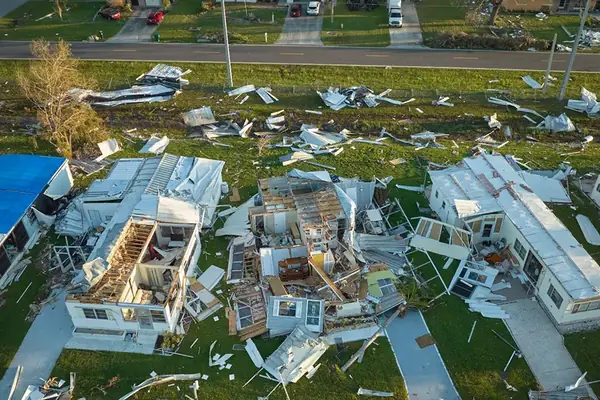
Property damage in Rockport can become complicated fast. Homes and businesses along Aransas Bay and Copano Bay face hurricane winds, wind-driven rain, storm surge, roof damage, water intrusion, fires, and other losses that may affect several parts of a property at once. A public adjuster in Rockport helps the policyholder document the full extent of that damage and present a detailed insurance claim.
TX Public Adjusting is a licensed Texas public adjuster representing residential and commercial property owners—not insurance companies. Our team reviews policies, inspects damaged property, prepares repair scopes, organizes supporting documentation, and negotiates with the carrier on the policyholder’s behalf.
TX Public Adjusting operates through Rise Public Adjusting LLC, Texas License #3356839. We have reviewed thousands of residential and commercial claims across Texas and understand the documentation required when a coastal loss involves roofing, siding, windows, interiors, contents, mechanical systems, detached structures, or business property.
Need help with a Rockport insurance claim? Request a free claim review. There are no upfront fees for the initial review.
Why Property Owners Hire a Public Adjuster in Rockport
Rockport is the county seat of Aransas County and sits on the Live Oak Peninsula between Aransas Bay and Copano Bay. Its coastal setting is part of what makes the area attractive, but it also creates a distinct property-loss environment.
A storm crossing the Coastal Bend may damage more than a roof. Wind can lift shingles, loosen metal panels, damage flashing, break windows, force rain through exterior openings, and allow moisture to travel into insulation, ceilings, walls, flooring, and electrical components.
The resulting insurance claim may require the property owner to:
- Identify every damaged building component
- Separate storm damage from wear or maintenance issues
- Document interior and exterior moisture
- Prepare repair estimates
- Inventory damaged personal or business property
- Review deductibles, exclusions, and coverage limits
- Respond to carrier requests
- Track emergency repairs and mitigation costs
- Meet policy deadlines
- Dispute incomplete or underpaid estimates
A Rockport public adjuster takes on much of that claim preparation work. The goal is to create a clear, evidence-supported presentation of the covered loss rather than relying solely on the insurance company’s initial inspection.
Public adjusters work for policyholders. Property owners who are unsure about the difference can review our guide to a public adjuster vs. independent adjuster. The carrier’s adjuster works for the insurance company and evaluates the loss under the carrier’s procedures. Those are different roles, and the difference matters when substantial property damage is involved.
Coastal Property Claims Require Detailed Documentation
Rockport is not an inland Texas market where hail is the only major storm concern. Property owners may face overlapping wind, rain, surge, humidity, corrosion, and flood-related issues.
Hurricane Harvey demonstrated the severity of the area’s wind exposure when it made landfall near Rockport as a Category 4 hurricane in August 2017. Coastal storms can also produce hazards that are not reflected by wind category alone, including storm surge, rainfall flooding, and tornadoes.
These losses require careful cause-of-damage analysis. A policy may treat wind, wind-driven rain, storm surge, and flood damage differently. Property owners should avoid assuming that all visible damage falls under one coverage category.
A public adjuster can review the policy and physical evidence to help identify:
- Which portions of the loss may fall under the applicable property policy
- Whether separate deductibles may apply
- What documentation the carrier is requesting
- Which repair items were omitted from the initial scope
- Whether additional inspections or specialist reports are needed
- How emergency mitigation expenses should be presented
- Whether the carrier’s estimate reflects the actual work required
Common Insurance Claims in Rockport
Hurricane and Tropical Storm Claims
Hurricanes and tropical systems can produce extensive property damage throughout Rockport, Fulton, Holiday Beach, Lamar, and surrounding parts of Aransas County. Property owners can also review our guide to hurricane property damage for a closer look at the types of damage that may follow a major coastal storm.
Common hurricane-related damage includes:
- Missing shingles or roofing panels
- Lifted seams and displaced flashing
- Broken windows and doors
- Wind-driven rain intrusion
- Damaged siding and exterior finishes
- Interior ceiling and wall damage
- Wet insulation
- Fence and detached-structure damage
- Damaged signage and awnings
- HVAC and electrical damage
- Business interruption losses
A hurricane claim can involve several inspections, multiple contractors, emergency mitigation invoices, contents inventories, and questions about the source of water. Our team works to organize those elements into a coherent claim package.
Wind Damage Claims
A named hurricane is not required for a serious wind claim. Strong coastal thunderstorms, tropical disturbances, and other wind events may damage roofs, siding, windows, exterior equipment, trees, fences, docks, and accessory structures.
Wind damage can also be subtle. Roofing materials may remain in place but lose their seal, crease, loosen, or separate around penetrations. Water may enter through openings that are difficult to identify during a brief carrier inspection.
TX Public Adjusting examines the property from the policyholder’s perspective and documents visible and related damage that may need further evaluation.
Water Damage Claims
Water damage claims in Rockport may result from:
- Wind-driven rain
- Roof openings
- Plumbing failures
- Appliance leaks
- HVAC drain problems
- Broken supply lines
- Interior flooding
- Failed water heaters
- Fire-suppression activity
- Hidden moisture behind walls or cabinets
Property owners facing an active loss may also benefit from our guide to dealing with an insurance adjuster after water damage. A surface stain does not always show the full extent of the damage. Moisture can affect drywall, insulation, framing, flooring, cabinetry, electrical systems, and personal property.
We review moisture records, mitigation invoices, photographs, repair estimates, and the carrier’s scope to determine whether all related work has been addressed.
Roof Damage Claims
Roof damage is among the most frequent insurance issues along the Texas coast. Rockport properties include asphalt-shingle roofs, standing-seam metal systems, exposed-fastener metal panels, tile assemblies, low-slope commercial roofs, and mixed systems.
An adequate roof claim may need to address more than the visible covering. Depending on the loss, the scope may include:
- Underlayment
- Decking
- Flashing
- Drip edge
- Ridge components
- Valleys
- Pipe jacks
- Vents
- Skylights
- Gutters
- Fascia
- Soffits
- Interior water damage
- Code-related work when covered
When an insurer approves only a limited repair or leaves important components out of the estimate, a public adjuster for a roof claim can review the scope, measurements, repair assumptions, and supporting damage documentation. When a carrier estimate addresses only a small repair area, we compare that estimate with the observed damage, the roof assembly, repair feasibility, and the documentation available under the policy.
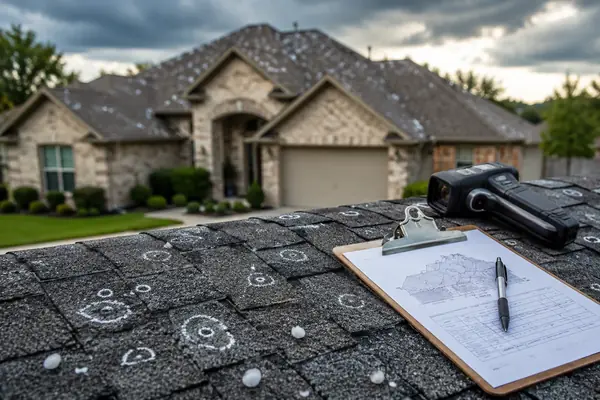
Hail Damage Claims
Rockport’s coastal storm profile is dominated by wind and hurricane exposure, but severe thunderstorms may also produce hail.
Hail can affect:
- Asphalt shingles
- Metal roofs
- Roof vents and flashing
- Gutters and downspouts
- Window screens
- Exterior paint
- HVAC condenser fins
- Siding
- Skylights
- Commercial rooftop equipment
Our Texas guide to a hail damage insurance claim explains common documentation issues, roof concerns, and claim steps after a hailstorm. Hail claims can become disputed when impact marks are characterized as cosmetic, old, or unrelated to the reported storm. Detailed photographs, weather information, material-specific inspection findings, and a complete repair scope can help clarify the claim.
Fire and Smoke Damage Claims
Residential and commercial fires may produce direct burn damage, smoke contamination, soot, odor, heat damage, water damage from firefighting, and debris-removal expenses.
The Salt Flats brush fire near Rockport in April 2025 damaged homes, trailers, and outbuildings, illustrating that the area’s property risks are not limited to tropical weather. Property owners can review our fire damage insurance claim guide for more information about structural damage, smoke contamination, debris removal, and related coverage issues.
A fire claim may require documentation for:
- Structural repairs
- Demolition
- Debris removal
- Cleaning and remediation
- HVAC contamination
- Electrical damage
- Appliances
- Furniture
- Clothing and contents
- Temporary housing
- Business equipment
- Lost income or extra expenses
Fire and smoke claims often require coordination among several specialists. We help organize the claim so the property owner is not left trying to reconcile disconnected reports and estimates.
Commercial Property Claims
Rockport’s economy includes tourism, marine businesses, restaurants, retail properties, lodging, professional offices, multifamily housing, storage facilities, and other commercial operations.
Commercial losses may involve:
- Buildings and tenant improvements
- Inventory
- Equipment
- Signage
- Refrigeration
- Commercial kitchens
- Furnishings
- Electronic systems
- Lost business income
- Extra expenses
- Ordinance or law issues
- Multiple structures or locations
Our team assists with commercial property claims involving both physical property damage and applicable time-element losses. That work may include gathering financial records, invoices, payroll information, vendor estimates, occupancy data, and records showing how the event affected normal operations.
Claims Near Aransas Bay, Copano Bay, and Fulton

Rockport is closely connected with Fulton, and the combined Rockport-Fulton area includes year-round residences, second homes, vacation rentals, waterfront properties, commercial buildings, RV facilities, and marine-oriented businesses.
We assist property owners throughout areas such as:
- Downtown Rockport
- Rockport Beach area
- Key Allegro
- Harbor Oaks
- Little Bay
- Old Rockport
- South Rockport
- North Rockport
- Fulton
- Copano Village
- Holiday Beach
- Lamar
- Peninsula Oaks
- Palm Harbor
- Cape Velero
- Spanish Woods
- Coastal Wildwood
Properties near open water may experience different loss patterns than more sheltered inland structures. Waterfront buildings can face stronger wind exposure, salt-laden air, driven rain, and damage to exterior features such as docks, boat lifts, decks, stairs, railings, and detached structures.
The coverage available for those components depends on the specific policy. Our role is to review the contract and document the claimed property carefully—not assume that every structure or cause of loss is covered.
Why Insurance Claims Become Underpaid
A claim may be underpaid even when the insurance company acknowledges that covered damage occurred. Reviewing common property insurance claim mistakes can also help Rockport property owners avoid documentation gaps and premature claim decisions.
Damage Was Missed During the Initial Inspection
Carrier inspections may be brief, particularly after a widespread storm when adjusters are handling large claim volumes. Hidden moisture, elevated roof damage, detached structures, interior rooms, contents, or mechanical systems may receive limited attention.
The Scope Includes Only the Most Visible Repairs
An estimate may include shingles while omitting underlayment, flashing, interior repairs, access costs, material matching, debris removal, or related trades.
Small omissions can add up across a large Rockport property.
The Estimate Uses Incomplete Measurements
Incorrect roof dimensions, room measurements, quantities, slopes, waste factors, or material assumptions can reduce the estimated repair cost.
Depreciation Was Applied Incorrectly or Misunderstood
Depreciation can significantly affect the initial payment. Property owners may also need to understand what must be repaired or replaced before recoverable depreciation becomes payable, subject to the policy.
Cause-of-Loss Questions Remain Unresolved
Coastal claims may involve disagreements over wind, wind-driven rain, flood, surge, wear, deterioration, or pre-existing damage. These disputes require careful review of the physical evidence and policy language.
Documentation Was Not Submitted in a Usable Format
Photographs, invoices, contractor estimates, moisture readings, and contents lists are more effective when they are organized, labeled, and connected to the claimed scope.
The Policyholder Did Not Know a Supplement Could Be Submitted
An initial estimate is not always the final word. Additional documented damage, revised repair estimates, and newly discovered conditions may support a supplemental claim, depending on the policy and claim status.
Our Public Adjusting Process
1. Claim Review
We begin by discussing the loss, claim history, inspection status, payments, estimates, deadlines, and the property owner’s concerns.
We may review:
- The insurance policy
- Declarations
- Carrier letters
- Estimates
- Payment records
- Photographs
- Contractor proposals
- Mitigation invoices
- Engineering reports
- Prior claim documents
The initial review helps determine whether public adjusting services may be appropriate.
2. Property Inspection
Our team inspects the reported damage and documents relevant conditions. The inspection may include roofing, exterior elevations, interior rooms, contents, detached structures, and commercial equipment.
Additional specialists may be appropriate when the loss involves engineering, environmental issues, electrical systems, mechanical equipment, accounting, or other technical matters.
3. Damage Documentation
We organize photographs, measurements, notes, invoices, inventories, estimates, and supporting records.
For larger Rockport losses, this stage may include:
- Room-by-room damage documentation
- Roof diagrams
- Exterior elevation records
- Contents inventories
- Emergency-service records
- Temporary repair expenses
- Business interruption records
- Contractor and vendor proposals
- Proof-of-loss preparation when required
4. Scope and Estimate Review
We compare the insurance company’s estimate with the documented conditions and the work reasonably required to repair the property.
We look for omitted items, incorrect quantities, unsupported assumptions, and differences between the carrier’s scope and the physical evidence.
5. Claim Presentation and Negotiation
TX Public Adjusting communicates with the insurance carrier, submits supporting documentation, responds to claim questions, and negotiates disputed scope and valuation issues.
We keep the property owner informed while working to move the claim toward resolution.
6. Settlement Review
When the carrier issues a revised estimate or coverage position, we review the documents with the policyholder and explain the claim status.
No public adjuster can guarantee a particular settlement. The objective is to give the property owner experienced, independent representation and a thoroughly documented claim.
Why Choose TX Public Adjusting
Licensed Texas Representation
TX Public Adjusting operates through Rise Public Adjusting LLC, Texas License #3356839.
We Represent Policyholders
Our responsibility is to the residential or commercial property owner who hires us. We do not work for the insurance company on that claim.
Texas Claim Experience
Our team has reviewed thousands of claims involving hurricanes, hail, wind, water, fire, smoke, roofs, commercial buildings, and other property losses.
Residential and Commercial Expertise
We assist homeowners, landlords, investors, business owners, associations, and commercial property operators.
Detailed Claim Preparation
We focus on inspection, documentation, estimating, scope review, policy requirements, and organized carrier communication.
No Upfront Fee for the Initial Review
Property owners can request a free claim review before deciding whether to hire a public adjuster.
Concerned that your Rockport claim is delayed, denied, or underpaid? Contact TX Public Adjusting for a free review of the available claim documents.
Rockport Properties We Assist
Our public adjusting services may be appropriate for:
- Primary residences
- Vacation homes
- Rental properties
- Waterfront homes
- Condominiums
- Townhomes
- Multifamily properties
- Restaurants
- Retail buildings
- Hotels and motels
- Offices
- Warehouses
- Churches
- Marine-related businesses
- Storage properties
- Commercial complexes
Rockport includes older coastal buildings, newer elevated construction, remodeled homes, metal-roof properties, vacation rentals, and structures rebuilt after major storms. Each type of building presents different repair and documentation issues.
Older properties may involve material availability, prior repairs, code considerations, or disputes over pre-existing conditions. Newer buildings may contain specialized finishes, impact-rated openings, complex roofing systems, or custom exterior features.
A useful claim scope should reflect the actual property—not a generic model.
Areas We Serve Near Rockport

View all of our Texas service areas or review the nearby communities listed below. TX Public Adjusting serves property owners throughout Rockport and nearby Coastal Bend communities, including:
- Fulton
- Holiday Beach
- Lamar
- Aransas Pass
- Port Aransas
- Ingleside
- Ingleside on the Bay
- Gregory
- Portland
- Bayside
- Woodsboro
- Refugio
- Corpus Christi
- Sinton
- Taft
- San Patricio County communities
- Nueces County communities
- Refugio County communities
Local landmarks such as Rockport Beach, the Texas Maritime Museum, Fulton Mansion, Little Bay, and the Rockport Cultural Arts District reflect the area’s strong connection to tourism, history, boating, and the coast. The same coastal geography also shapes the types of claims property owners encounter.
Frequently Asked Questions
What does a public adjuster in Rockport do?
A public adjuster represents the policyholder during a property insurance claim. The public adjuster reviews the policy and carrier documents, inspects the damage, prepares or reviews estimates, organizes evidence, communicates with the insurer, and negotiates disputed claim issues. Our detailed guide explains more about what a public adjuster does.
The insurance company’s adjuster represents the carrier. A Rockport public adjuster provides independent claim assistance to the home or business owner.
When should I hire a public adjuster after a Rockport storm?
A property owner may hire a public adjuster soon after the loss, after receiving the carrier’s estimate, or when the claim becomes delayed, denied, or underpaid.
Hiring help early may make documentation easier because the damaged conditions have not yet been altered by repairs. However, help may still be available later, depending on the policy, deadlines, claim status, and work already completed. Our guide explains the factors that determine when it is too late to hire a public adjuster.
Can a public adjuster help with hurricane damage?
Yes. A public adjuster can assist with documenting covered hurricane damage, reviewing carrier estimates, organizing repair scopes, evaluating contents losses, and addressing related claim issues.
Because hurricane claims may involve wind, rain, storm surge, flood, and separate coverage forms, the policies and cause-of-loss evidence must be reviewed carefully.
Can you help if my roof claim was underpaid?
Potentially. We can review the carrier estimate, roof measurements, photographs, contractor documentation, scope of work, depreciation, and payment records.
We then compare the carrier’s scope with the documented damage and identify items that may warrant additional consideration.
Does homeowners insurance cover storm surge or flooding?
Standard property policies often treat flood and storm-surge losses differently from wind damage, and separate flood coverage may be required. Coverage depends on the exact policy forms, endorsements, exclusions, and cause of damage.
We do not make assumptions based only on where water was found. The policy and evidence should be reviewed before conclusions are drawn.
Can you help with a denied Rockport insurance claim?
Yes, depending on the circumstances. We review the denial letter, policy language, inspection findings, photographs, expert reports, and available repair documentation.
A denial does not automatically mean the decision will change, but a thorough review can determine whether relevant evidence, damage, or policy provisions were overlooked.
Can you reopen an older claim?
Some older claims may still have options, but deadlines and policy requirements matter. The date of loss, claim history, prior payments, communications, repair status, and applicable limitation periods must be reviewed.
Property owners should seek help promptly rather than assume there is unlimited time to dispute a claim.
How much does a public adjuster cost in Rockport?
Public adjusters are generally paid through a fee stated in the written agreement, often based on a percentage of the insurance recovery associated with their work. The permitted arrangement depends on Texas law and the contract.
TX Public Adjusting explains the fee before the property owner signs an agreement. The initial claim review has no upfront fee.
Do I need a public adjuster for a small claim?
Not every insurance claim requires professional representation. A straightforward, well-documented claim that the carrier handles fairly may be manageable without a public adjuster.
Assistance becomes more valuable when the loss is substantial, the scope involves several trades, the policy is difficult to interpret, the property is commercial, or the carrier’s estimate does not appear to reflect the full damage.
How long does a Rockport property claim take?
The timeline depends on the severity of the loss, availability of inspections, documentation requirements, carrier response times, coverage questions, expert involvement, and whether the scope is disputed.
Large hurricane, fire, commercial, or water claims generally require more documentation than a limited repair claim. Our role is to keep the submission organized and respond to carrier requests as the process moves forward.
Get a Free Rockport Claim Review
Property damage can interrupt your home, rental property, or business long after the storm or accident has passed. You should not have to rely on an incomplete scope, unclear estimate, or unexplained payment without understanding how the carrier evaluated the loss.
TX Public Adjusting helps Rockport property owners inspect damage, review policies and estimates, document covered losses, and communicate with insurance companies.
Rise Public Adjusting LLC
Texas Public Adjuster License #3356839
Residential and Commercial Claims
No Upfront Fee for the Initial Review
Contact TX Public Adjusting today to request your free Rockport claim review.