Property damage in Melissa can quickly turn into a complicated insurance claim. A spring hailstorm may leave subtle bruising across a newer shingle roof. Strong straight-line winds can loosen flashing, lift shingles, damage fencing, and drive rain into attics. A plumbing failure can spread water beneath flooring and into wall cavities before the source is discovered. When the insurance company’s inspection or estimate does not reflect the full loss, a public adjuster in Melissa, TX can represent the property owner throughout the claim.
TX Public Adjusting helps Melissa homeowners, landlords, business owners, and commercial property managers document covered damage and pursue a properly supported settlement. We are operated by Rise Public Adjusting LLC and licensed in Texas under License #3356839.
We work for policyholders—not insurance companies. Our role is to review the policy, inspect the property, prepare a detailed scope of loss, organize supporting evidence, communicate with the carrier, and negotiate the claim.
Licensed Texas Public Adjuster | Residential and Commercial Claims | Free Claim Review | No Upfront Fees
Contact TX Public Adjusting for a free review of a new, delayed, denied, or underpaid Melissa property damage claim.
Why Property Owners Hire a Public Adjuster in Melissa
Melissa sits in north-central Collin County, approximately seven miles northeast of McKinney near US 75. The community has grown from its historic town center into a mix of established homes, acreage properties, retail sites, schools, and rapidly expanding residential developments.
That growth creates a distinctive insurance-claim environment. Melissa includes newer subdivisions with recently installed roofing systems, older properties near the original town center, semi-rural homes with detached structures, and commercial properties along major transportation corridors. One storm can affect these buildings in very different ways.
A Melissa public adjuster may be helpful when:
- The insurance company’s estimate appears too low.
- Roof damage was classified as wear, age, or maintenance.
- The carrier approved isolated repairs instead of the full covered scope.
- Water damage extends beyond the visible stain or wet flooring.
- The adjuster omitted gutters, flashing, siding, fencing, windows, or interior finishes.
- A commercial claim is disrupting operations or tenant occupancy.
- The claim has stalled because inspections, estimates, and contractor findings conflict.
- The carrier requested extensive records, inventories, or proof-of-loss documentation.
- The claim was denied and the policyholder wants an independent review.
- A supplemental claim needs to be prepared after additional damage is discovered.
Insurance-company adjusters and independent adjusters assigned by a carrier ultimately report to the insurer. Understanding the difference between an insurance-company adjuster and a public adjuster can help Melissa property owners decide whose interests are being represented during the claim.
Melissa Property Claims Require Local Attention
Melissa is not simply an extension of McKinney. Its property mix and development patterns affect how losses should be inspected and documented.
Communities such as Liberty, North Creek, Villages of Melissa, Hunters Ridge, Berry Farms, Brookside, Melissa Estates, Meadow Run, Legacy Ranch, Country Ridge, and Trails of Melissa include homes of different ages, roof designs, elevations, exterior materials, and construction standards. New construction does not eliminate claim disputes. In some cases, closely spaced roof slopes, steep pitches, complex valleys, decorative elevations, and multiple exterior finishes make the scope more detailed.
Properties near the historic area and McKinney Street may have older components, additions, detached garages, workshops, mature trees, or previous repairs that require careful causation analysis. Homes on larger lots outside the denser subdivisions may also include fencing, barns, storage buildings, private drives, and other insured structures that can be missed during a short inspection.
Local destinations such as Zadow Park, Melissa Lake Park, the Z-Plex Texas Sports Village, and the Melissa Independent School District campuses help define the community. They also reflect the range of public, recreational, residential, and commercial structures found throughout Melissa.
Storm Risks in Melissa and Northern Collin County
Melissa is located in an area where severe weather can develop quickly. The City of Melissa warns residents that the region is prone to sudden severe weather and identifies tornado warnings, destructive winds, and large hail among the conditions that may require immediate action. The city’s outdoor warning sirens may be activated for tornado warnings and sustained damaging winds within a warning polygon.
Hail Damage
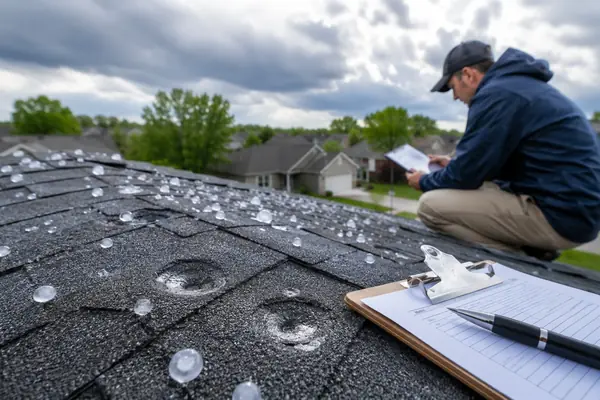
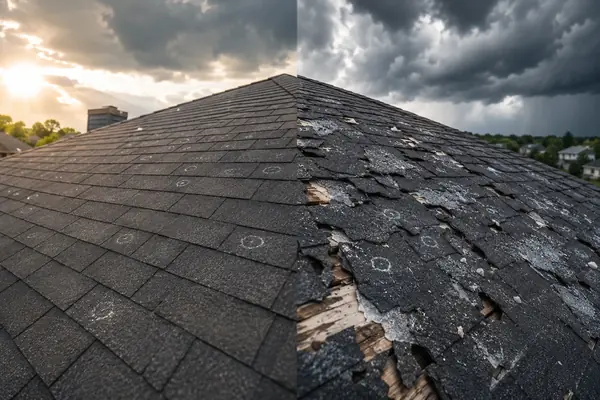
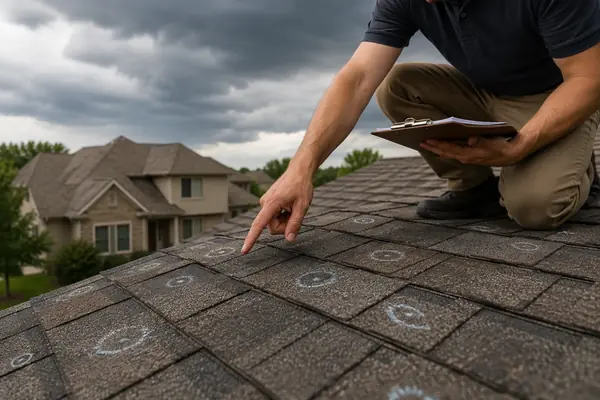
Hail is one of the most frequent reasons Melissa property owners need insurance claim assistance. Damage is not always visible from the ground. Clear evidence can make a significant difference in how the insurer evaluates the loss. Our guide explains how to document hail damage for an insurance claim, including photographs, exterior components, roofing conditions, and supporting records. A roof may appear intact while closer inspection reveals:
- Shingle mat fractures
- Granule displacement
- Soft-metal dents
- Cracked vents or caps
- Damaged gutters and downspouts
- Dented window screens
- Siding impact marks
- Fence and exterior coating damage
- Water entry around compromised roof components
Determining the correct date of loss is especially important in a hail claim. Texas coverage disputes can turn on whether the policyholder can connect the damage to a specific covered storm during the applicable policy period.
A public adjuster can compare the physical damage pattern with storm information, property records, photographs, repair history, and the policy timeline. Property owners can also review our Texas guide to handling a hail damage roof insurance claim before accepting the carrier’s findings. That process is particularly valuable when a carrier suggests the damage came from an older storm or ordinary deterioration.
Straight-Line Wind and Tornado Damage
North Texas thunderstorms can generate strong wind even when no tornado touches down. Wind can lift shingles, loosen ridge caps, separate flashing, damage roof edges, topple trees, break fencing, and send debris into windows or siding.
Wind-driven rain may enter through openings that are difficult to identify after the weather clears. Attic decking, insulation, drywall, trim, flooring, and electrical components can be affected even when the initial exterior damage looks limited.
A tornado or concentrated wind event can create a much broader loss involving structural movement, framing, roofing, exterior walls, windows, contents, landscaping, and detached structures. Those claims often require coordination among engineers, contractors, mitigation companies, inventory specialists, and other professionals.
Heavy Rain and Water Intrusion
Thunderstorms can produce intense rainfall over a short period. Covered water intrusion may occur through storm-created roof openings, damaged flashing, broken windows, or compromised exterior components.
Separate issues involving surface flooding, groundwater, drainage, or rising water may be governed by exclusions or separate flood coverage. That distinction matters. A public adjuster reviews the reported cause, physical evidence, policy language, and damage timeline rather than assuming every water loss is covered—or excluded—for the same reason.
Winter Freeze Damage
Melissa properties can also experience frozen pipes, plumbing breaks, failed supply lines, damaged water heaters, and interior water losses during hard freezes. A broken pipe may release water into ceilings, insulation, cabinets, wall cavities, and flooring.
The visible water line is rarely the entire scope. Moisture can migrate beneath finished materials, and emergency mitigation invoices may not account for the permanent repairs needed afterward.
Common Insurance Claims in Melissa

Hail Damage Claims
A hail claim should address more than the shingles. A complete inspection may include roofing, vents, flashing, gutters, downspouts, siding, windows, screens, garage doors, fencing, exterior paint, HVAC components, and interior signs of leakage.
TX Public Adjusting documents the observable damage, reviews the carrier’s scope, and identifies omitted items or questionable repair assumptions. We also examine whether the proposed repair can reasonably restore the property based on the roofing system, material availability, matching concerns, access requirements, and applicable policy terms.
Water Damage Claims
Water losses may involve broken pipes, appliance failures, plumbing leaks, roof openings, overflowing fixtures, or failed building components. These claims can become disputed when the carrier limits the approved area or challenges the cause.
We evaluate damage to drywall, insulation, baseboards, cabinets, flooring, paint, trim, contents, and adjacent rooms. A water damage public adjuster can evaluate damage to drywall, insulation, baseboards, cabinets, flooring, paint, trim, contents, and adjacent rooms while comparing the observed loss with the carrier’s estimate. We also review mitigation records, moisture readings, photographs, invoices, and demolition documentation.
Fire and Smoke Damage Claims
A fire claim can involve structural damage, smoke residue, soot, odor, personal property, emergency services, debris removal, temporary housing, and code-related repairs. For larger or disputed losses, working with a fire insurance adjuster who represents the policyholder can help organize structural damage, contents, smoke contamination, debris removal, and additional living expense documentation.
Smoke can move through HVAC systems and settle in rooms far from the fire’s origin. Contents may need cleaning, testing, restoration, or replacement. A carefully prepared inventory is often one of the most time-consuming parts of the claim.
Our team helps Melissa policyholders organize the building and personal-property portions of the loss while tracking the documentation required for additional living expenses or business interruption.
Storm and Wind Damage Claims
Storm claims frequently combine several forms of damage. Wind may affect the roof and fence, hail may strike gutters and siding, and rain may enter the attic. Treating each condition as an unrelated repair can lead to an incomplete estimate.
We inspect the loss as a connected event and prepare documentation that explains how the covered damage affected the property as a whole.
Roof Damage Claims
Roof claims often become underpaid because the carrier approves a small repair, disputes causation, applies depreciation incorrectly, or omits related work. A public adjuster for a roof claim can compare the carrier’s proposed repair with the complete documented scope.
A roof scope may need to include:
- Shingles or roofing membrane
- Underlayment
- Flashing
- Ridge and hip materials
- Valleys
- Drip edge
- Pipe jacks and vents
- Gutters and downspouts
- Detach-and-reset work
- Access and steep-roof charges
- Interior repairs caused by water entry
TX Public Adjusting compares the insurer’s estimate with the observed conditions and the work reasonably required to restore the covered damage.
Commercial Property Claims
Melissa’s continued growth has increased the number of retail, office, industrial, multifamily, restaurant, educational, and service properties in and around the city. TX Public Adjusting assists owners and managers with complex commercial property claims involving building damage, equipment, inventory, tenant improvements, and business operations.
Commercial losses may involve:
- Flat or low-slope roofing systems
- Metal roofing
- Rooftop equipment
- Exterior building panels
- Interior build-outs
- Tenant improvements
- Inventory and equipment
- Business-income considerations
- Emergency mitigation
- Multiple contractors or tenants
Commercial claims often contain larger scopes and more documentation than residential claims. Delays can also affect revenue, occupancy, and customer access. We help business owners and property managers maintain an organized claim file and present the loss to the carrier.
Why Melissa Insurance Claims Become Underpaid
An underpaid claim does not always begin with an obvious denial. It often begins with a short inspection or an estimate that looks detailed but leaves out necessary work. Many underpayments begin with familiar property insurance claim mistakes, including incomplete documentation, missed deadlines, unsupported estimates, and accepting the initial scope without reviewing omitted damage.
Missed or Hidden Damage
Some damage cannot be evaluated from the driveway. Roof slopes, soft metals, attic spaces, wall cavities, flooring transitions, mechanical systems, and detached structures may require closer review.
Scope Omissions
The carrier may acknowledge the loss but omit associated work. A roof estimate might exclude flashing, gutters, ventilation, interior staining, or necessary detach-and-reset items. A water estimate might include drywall but leave out insulation, texture matching, cabinets, or continuous flooring.
Low Labor or Material Pricing
An estimate can include the correct item while assigning a quantity, labor rate, material assumption, or repair method that does not reflect the actual restoration work.
Depreciation Problems
Depreciation may be applied differently depending on the policy, damaged item, age, condition, and whether the policy provides replacement-cost or actual-cash-value coverage. Recoverable depreciation may also depend on completing repairs and submitting documentation by a deadline.
We review how depreciation was calculated and explain what may be required to claim recoverable amounts.
Repair-versus-Replacement Disputes
A carrier may approve spot repairs even when materials are discontinued, brittle, incompatible, or difficult to match. The issue is not simply whether one shingle or section can be removed. The claim should consider whether the proposed method can restore the damaged property in a reasonable manner under the policy.
Documentation Gaps
Insurance companies evaluate the information placed in the claim file. Missing photographs, vague invoices, incomplete inventories, unsupported estimates, or inconsistent dates can weaken an otherwise valid claim.
A public adjuster builds a more organized presentation using photographs, measurements, estimates, reports, inventories, invoices, correspondence, and policy-based explanations.
Competing Explanations for the Damage
The carrier may attribute roof conditions to age, installation, maintenance, manufacturing defects, or prior storms. Water damage may be blamed on long-term seepage instead of a sudden event.
These questions should be addressed using the physical evidence and policy language—not assumptions.
Our Public Adjusting Process
1. Free Claim Review
We begin by discussing the property, damage, date of loss, insurance-company response, and current status of the claim. When available, we review the policy, carrier estimate, payment letters, denial correspondence, contractor estimates, photographs, and mitigation documents.
The initial review helps determine whether public adjusting services may add value.
2. Property Inspection
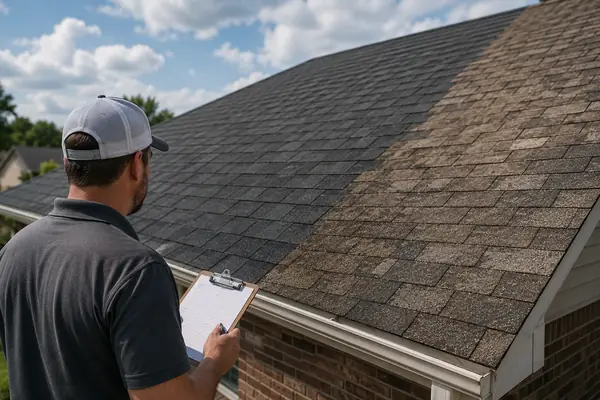
We inspect the accessible areas connected to the reported loss. The inspection may include roofing, exterior elevations, attic spaces, interior rooms, detached structures, commercial roofing systems, and other affected components.
The purpose is to identify and document the full visible scope—not merely confirm the items already listed by the carrier.
3. Policy and Estimate Analysis
We compare the observed damage with the insurance-company estimate and relevant policy provisions. This may reveal missing quantities, omitted materials, unexplained depreciation, low repair allowances, or coverage questions requiring clarification.
4. Claim Documentation
We assemble photographs, measurements, estimates, inventories, receipts, reports, and other supporting records. For larger losses, documentation may also involve contractors, engineers, mitigation providers, hygienists, inventory specialists, or other qualified professionals.
5. Carrier Communication and Negotiation
TX Public Adjusting communicates with the insurance carrier, presents the supported scope, responds to reasonable documentation requests, and works through disputed claim items.
We keep the policyholder informed while reducing the burden of repeatedly explaining technical damage and estimate details.
6. Settlement and Remaining Requirements
When the claim reaches a resolution, we help the policyholder understand the settlement documents, depreciation requirements, repair-related submissions, and any remaining deadlines.
No public adjuster can guarantee a specific outcome. Our responsibility is to prepare and advocate for a thorough, well-supported claim based on the policy and documented loss.
Mid-Claim Help for Melissa Property Owners
You do not necessarily have to hire a public adjuster before filing the claim. Property owners who already received an estimate, payment, denial, or claim-closure letter should review when it is too late to hire a public adjuster before assuming no options remain. TX Public Adjusting can review claims that are already open, delayed, denied, or underpaid.
A mid-claim review can be useful when:
- The first payment is much lower than contractor estimates.
- The carrier approved only a partial roof repair.
- Additional damage appeared during mitigation or demolition.
- The adjuster stopped responding.
- The carrier requested a recorded statement or extensive proof.
- A second inspection has been scheduled.
- The claim was closed without resolving disputed items.
- The policyholder is unsure how to submit a supplement.
Do not wait until documents, damaged materials, or filing rights are lost. Policies and claim circumstances differ, so early review gives the team more opportunity to preserve evidence and evaluate available options.
Request a Free Claim Review: TX Public Adjusting offers Melissa property owners an initial review with no upfront fees.
Why Choose TX Public Adjusting

Licensed in Texas
TX Public Adjusting is operated by Rise Public Adjusting LLC, Texas License #3356839.
We Represent Policyholders
We do not work for the insurance company. Our duty is to the residential or commercial policyholder who hires us.
Texas Claim Experience
Our experience includes reviewing thousands of residential and commercial claim files involving hail, wind, roofing, water, fire, smoke, freeze, and other property losses.
Detailed Damage Documentation
A strong claim requires more than a contractor’s total price. We focus on the relationship between the damage, policy, quantities, repair methodology, and supporting evidence.
Residential and Commercial Knowledge
A family home in North Creek requires a different approach from a retail building near US 75 or a large acreage property outside the denser neighborhoods. Our process is adapted to the building, policy, and loss.
No Upfront Fees
The initial claim review is free. Public adjusting services are generally provided under a written agreement with compensation tied to the claim recovery, as explained before engagement.
Areas We Serve Near Melissa
Melissa property owners may also have homes, rental properties, or commercial locations in nearby communities. TX Public Adjusting provides claim assistance through our local service pages for a public adjuster in McKinney, public adjuster in Frisco, and public adjuster in Plano. TX Public Adjusting serves property owners throughout Melissa and surrounding North Texas communities, including:
- McKinney
- Anna
- Van Alstyne
- Westminster
- Blue Ridge
- Princeton
- Farmersville
- Fairview
- Allen
- Lucas
- Lowry Crossing
- New Hope
- Celina
- Prosper
- Howe
We assist policyholders across Collin County and neighboring portions of Grayson County with residential and commercial property damage claims.
Frequently Asked Questions
What does a public adjuster in Melissa do?
A public adjuster represents the policyholder during a property insurance claim. The adjuster reviews the policy and carrier documents, inspects the loss, documents damage, prepares an estimate or scope, communicates with the insurer, and negotiates disputed claim items. Our complete guide explains what a public adjuster does at each stage of a Texas property claim.
TX Public Adjusting works for Melissa property owners—not the insurance company.
When should I call a public adjuster after a Melissa hailstorm?
Contacting a public adjuster early can help preserve evidence and establish the reported date of loss. This is especially useful when the storm affected several exterior components or when the damage is difficult to see from the ground.
You may also call after the insurance company has inspected the roof, issued a low estimate, approved a repair, denied the claim, or blamed the condition on age. When the carrier has already rejected the loss, review the steps to take when a hail claim was denied before authorizing repairs or discarding damaged materials.
Can you help when my insurance claim is already open?
Yes. A public adjuster may become involved after filing, after an inspection, following an initial payment, or during a supplemental claim.
The earlier the review occurs, the more opportunity there may be to inspect the original conditions, collect records, and address deadlines.
Can TX Public Adjusting reopen a closed claim?
Some closed claims can be reviewed or supplemented, but reopening is not automatic. The answer depends on the policy, reason the claim was closed, date of loss, notices, deadlines, prior payments, and available evidence.
We can review the file and explain whether further public-adjusting work appears practical.
How much does a Melissa public adjuster charge?
Public adjusters commonly work under a contingency-based agreement, meaning the fee is tied to the insurance recovery described in the contract. The exact arrangement depends on the claim and applicable Texas requirements.
TX Public Adjusting provides a free initial claim review and explains the fee in writing before services begin. There are no upfront fees for the initial review.
What happens when the insurer says my roof damage is only cosmetic?
The answer depends on the policy language and the affected roofing material. “Cosmetic” does not automatically settle every issue. Damage may affect function, service life, coatings, seams, fasteners, drainage components, warranties, or the ability to perform repairs.
We review the policy and inspect the physical conditions before determining how the claim should be presented.
Does homeowners insurance cover hail and wind damage in Melissa?
Many Texas property policies cover sudden hail and wind damage, but coverage varies. Policies may include separate wind-and-hail deductibles, cosmetic-damage endorsements, roof-payment schedules, exclusions, or actual-cash-value provisions.
The specific policy and cause of damage control. Homeowners insurance commonly addresses certain wind, hail, lightning, and fallen-tree losses, subject to the policy’s terms and exclusions.
Can you help with water damage from a leaking roof?
Potentially. Coverage may depend on whether the roof opening resulted from a covered storm, whether the water entry was sudden, and whether exclusions apply.
We document the exterior source and resulting interior damage, then compare those facts with the policy and carrier decision.
Do you handle commercial claims in Melissa?
Yes. TX Public Adjusting assists with commercial roof, hail, wind, water, fire, smoke, equipment, inventory, tenant-improvement, and related property claims.
Commercial losses often require detailed estimates, business records, multiple inspections, and coordination among owners, tenants, contractors, and the carrier.
How long will my Melissa property claim take?
The timeline depends on the size of the loss, policy issues, documentation, inspection scheduling, carrier responsiveness, expert involvement, and the number of disputed items. A straightforward residential supplement may progress faster than a major fire or commercial roof claim.
We cannot promise a specific completion date, but organized documentation and consistent communication can reduce avoidable delays.
Get a Free Melissa Insurance Claim Review
A low estimate does not always represent the full covered loss. A denied claim is not always the end of the process. When important damage, repair items, or documentation have been overlooked, a licensed public adjuster can give the policyholder an independent assessment.
Contact TX Public Adjusting for help with a Melissa hail, wind, roof, water, fire, storm, freeze, or commercial property claim.
TX Public Adjusting
Operated by Rise Public Adjusting LLC
Texas License #3356839
Free Claim Review | No Upfront Fees | Residential and Commercial Claims