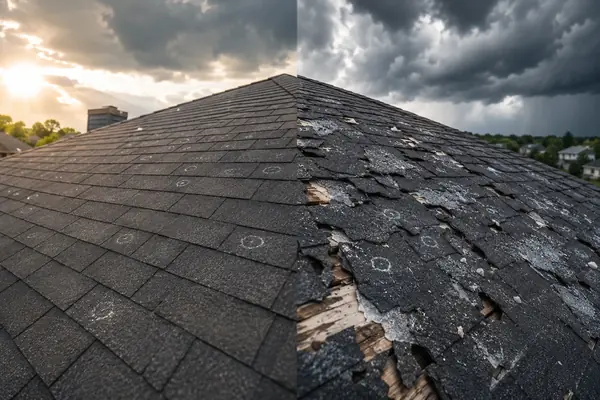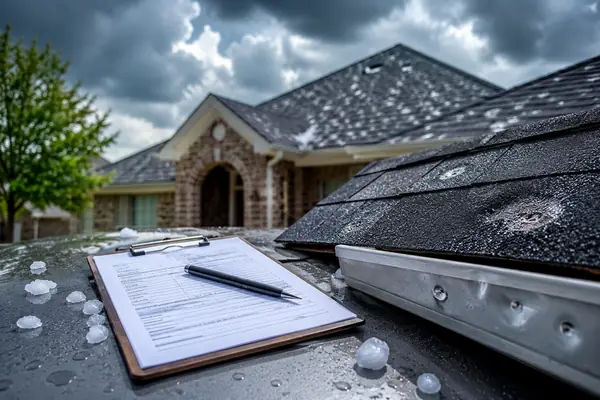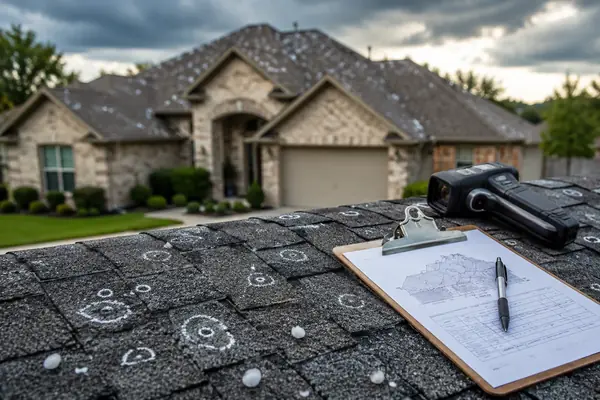
Property damage in the Texas Panhandle can develop quickly and affect far more than the most visible part of a building. A hailstorm may bruise roofing materials, damage metal panels, crack skylights, and compromise exterior coatings in a matter of minutes. Strong straight-line winds can lift roof edges, loosen flashing, and drive rain into areas that appeared secure before the storm.
When a property insurance claim becomes difficult, a public adjuster in Hereford, TX can help the policyholder understand the damage, organize the claim, and present a detailed repair scope to the insurance company.
TX Public Adjusting represents residential and commercial policyholders—not insurance carriers. Our firm, Rise Public Adjusting LLC, is licensed in Texas under License #3356839. We review property damage claims, inspect affected areas, document covered losses, identify potential omissions, and negotiate based on the policyholder’s documented damages.
Concerned that your Hereford insurance claim is delayed, denied, or underpaid? Contact TX Public Adjusting for a free claim review. There are no upfront fees.
Insurance Claim Help for Hereford Property Owners
Hereford is the county seat of Deaf Smith County and sits on the western edge of the Llano Estacado. The surrounding landscape is defined by broad plains, agricultural operations, ranching, grain storage, food production, and businesses that support the regional economy. The city has also been known historically as the “Windmill City,” reflecting the importance of groundwater and irrigation to the area.
Those local characteristics create a varied mix of insurance exposures. A severe storm may affect:
- Single-family homes
- Rental properties
- Retail storefronts
- Churches
- Offices
- Warehouses and storage buildings
- Agricultural support facilities
- Restaurants and food-service properties
- Metal-roofed commercial structures
- Multifamily properties
- Equipment and building systems
Claims involving these properties are rarely limited to one damaged component. Roof damage may be accompanied by wet insulation, ceiling staining, damaged decking, compromised flashing, interior humidity, or electrical concerns. On commercial properties, a storm may also interrupt normal operations or damage specialized equipment.
A Hereford public insurance adjuster evaluates the loss from the policyholder’s perspective. The goal is to determine what was damaged, what repairs may be necessary, and whether the insurer’s estimate reflects a complete and properly documented scope.
Why Property Owners Hire a Public Adjuster in Hereford
An insurance company assigns an adjuster to investigate a reported loss on behalf of the carrier. A public adjuster performs a different role. Property owners who want a fuller explanation of what a public adjuster does can review our Texas property-owner guide. The public adjuster is hired by and represents the policyholder.
That distinction can matter when the claim involves widespread storm damage, multiple building systems, conflicting estimates, disputed causation, or a settlement that does not appear sufficient to complete reasonable repairs.
Property owners commonly seek public adjusting assistance when:
- The carrier’s estimate appears too low
- Important areas were not included in the inspection
- Roof damage was described as wear and tear
- Interior water damage was documented incompletely
- The claim has been delayed for an extended period
- The insurer paid for isolated repairs instead of a broader repair scope
- Depreciation was applied incorrectly or not explained
- A commercial claim involves multiple structures
- The policyholder is overwhelmed by documentation requests
- A supplemental claim needs to be prepared
- The loss was denied and requires closer review
- Repairs revealed additional hidden damage
TX Public Adjusting reviews both new and existing claims. A property owner does not necessarily have to hire a public adjuster immediately after the loss. Assistance may still be available after an initial inspection, partial payment, or denial. However, policy conditions and deadlines matter, so property owners should understand when it is too late to hire a public adjuster before delaying a claim review.
Common Insurance Claims in Hereford
Hail Damage Claims
Hail is one of the most significant property risks across the Texas Panhandle. Severe thunderstorms can produce damaging hail along with strong wind, creating losses to roofs, siding, gutters, windows, skylights, exterior equipment, and metal building components.
Hereford was included in a June 23, 2026 severe-weather outlook covering the Panhandle, with large hail and damaging wind among the regional hazards. That event illustrates the recurring type of storm environment local property owners face, although the severity and location of each storm vary.
Hail damage is not always obvious from the ground. Property owners preparing a hail damage insurance claim should document more than visible dents or missing shingles. Asphalt shingles may show bruising, fractured mats, exposed substrate, or granule displacement. Metal roofs can sustain dents, coating damage, seam problems, and impacts around fasteners or penetrations. Flat commercial roofs may require close inspection of membranes, flashing, rooftop units, vents, and drainage components.
A proper hail claim may need to account for more than the roof covering. Our inspection may include:
- Roof surfaces and slopes
- Metal panels and trim
- Flashing and penetrations
- Gutters and downspouts
- Skylights
- Window screens and glazing
- Exterior paint and siding
- Fences and accessory structures
- HVAC components
- Interior areas showing possible water intrusion
Small omissions across several elevations can add up to a significant difference in the claim estimate.
Wind and Storm Damage Claims
The open terrain surrounding Hereford can leave structures exposed to strong winds and rapidly developing thunderstorms. Wind damage may affect shingles, roof edges, fascia, soffits, vents, exterior doors, fencing, signs, and detached structures.
Wind can also create openings that allow rain to enter. In that situation, the visible interior stain may be only one part of the loss. Moisture can travel behind walls, above ceilings, through insulation, or along framing before it becomes apparent.
Storm claims should be evaluated for both direct exterior damage and resulting interior damage. A narrow inspection focused only on a missing shingle or damaged panel may fail to capture the full repair scope.
Roof Damage Claims
Roof claims are among the most disputed property claims because several potential causes may be present at the same time. A public adjuster for a roof claim can review whether the carrier’s inspection and estimate account for the documented storm damage and necessary repair operations. An insurer may point to age, maintenance, prior repairs, installation issues, or normal deterioration. The policyholder may believe a recent hailstorm or wind event caused the functional damage.
A public adjuster does not manufacture coverage or promise that every roof will be replaced. Instead, we inspect and document the condition, compare affected and unaffected areas, review the reported date of loss, and present evidence relevant to the claim.
Roof claim documentation may include:
- Overview and close-range photographs
- Test squares or representative damage areas
- Measurements
- Roof diagrams
- Material identification
- Flashing and ventilation details
- Evidence of wind displacement
- Hail impact observations
- Interior moisture indicators
- Contractor or specialist information when appropriate
For commercial buildings near Hereford’s business and industrial corridors, the review may extend to metal roofing, low-slope membranes, roof-mounted equipment, parapets, drains, and multiple connected sections.
Water Damage Claims
Water damage in Hereford may result from storm-created openings, plumbing failures, appliance leaks, frozen pipes, roof leaks, or other covered causes. A water damage public adjuster can help document the source, extent of migration, affected materials, and repair scope when the insurer’s estimate appears incomplete. Coverage depends on the policy and the circumstances surrounding the loss.
The source of the water is only part of the investigation. The extent of migration also matters. Water may affect drywall, insulation, baseboards, cabinets, flooring, framing, electrical components, and personal property.
A complete water damage claim often requires documentation of:
- The origin of the loss
- Affected rooms and materials
- Moisture readings
- Emergency mitigation
- Tear-out requirements
- Drying equipment
- Matching and continuity concerns
- Damaged contents
- Potential hidden moisture
Panhandle cold snaps can also create freeze-related losses. If a pipe freezes and fails, the resulting water may spread through several rooms or levels before the supply is shut off. Rapid mitigation is essential, but property owners should also preserve photographs, invoices, damaged materials when practical, and records of emergency work.
Fire and Smoke Damage Claims
Fire claims can involve structural damage, smoke contamination, soot, water from firefighting efforts, debris removal, damaged contents, electrical systems, and temporary relocation or business interruption expenses. A fire insurance adjuster working for the policyholder can organize the building, contents, smoke, cleanup, and additional-expense portions of the loss.
Smoke can travel far beyond the room where the fire started. It may enter wall cavities, ductwork, insulation, closets, porous finishes, and mechanical systems. Cleaning only the visibly burned area may not address the full loss.
A detailed fire claim may require:
- Structural repair documentation
- Smoke and soot evaluation
- Contents inventory
- Debris removal estimates
- Cleaning or replacement analysis
- Electrical and HVAC review
- Temporary protection costs
- Additional living expense documentation
- Business interruption records
- Code-related repair considerations, subject to coverage
TX Public Adjusting has experience reviewing residential and commercial losses, including fire, water, roof, hail, and storm claims.
Commercial Property Claims
Hereford’s economy includes businesses connected to agriculture, cattle, food processing, transportation, retail, professional services, and regional trade. The city’s identity as the “Beef Capital of the World” reflects the concentration of cattle-related activity in the surrounding area.
A commercial public adjuster can assist when a Hereford business loss involves multiple structures, specialized equipment, inventory, or interruption-related documentation. Commercial claims can be more complicated than residential losses because they may involve:
- Multiple buildings
- Large roof areas
- Specialized materials
- Machinery or equipment
- Inventory
- Refrigeration or climate-control systems
- Tenant improvements
- Signage
- Business interruption
- Extra expenses
- Agricultural support structures
- Different deductibles or coverage forms
A low estimate on a large commercial property can create serious cash-flow and operational problems. We organize the claim by structure, damage category, coverage issue, and supporting document so that the loss can be evaluated systematically.
Has your carrier issued an estimate that does not appear to cover the necessary work? Request a free commercial or residential claim review from TX Public Adjusting.
Why Hereford Insurance Claims Become Underpaid

An insurance estimate is not automatically a complete repair plan. It reflects the information collected, assumptions made, pricing used, and items included by the person preparing it. Reviewing the most common property insurance claim mistakes can also help policyholders avoid documentation and communication problems that weaken an otherwise valid claim.
Several issues can cause a Hereford property claim to be underpaid.
Missed or Inaccessible Damage
The initial inspection may be brief, limited by weather, or focused on the most obvious damage. High roofs, commercial roof sections, attic areas, mechanical components, and interior moisture may receive limited attention.
Scope Omissions
An estimate may pay for the primary damaged material but omit related work required to complete the repair. Common omissions include:
- Flashing
- Underlayment
- Detach-and-reset labor
- Debris handling
- Access costs
- Protection of surrounding areas
- Interior painting
- Insulation
- Roof accessories
- Multiple coats or finishes
- Equipment manipulation
- Necessary trades
Low Measurements or Quantities
Incorrect roof dimensions, missing elevations, underestimated material quantities, or incomplete room measurements can reduce the estimated cost significantly.
Pricing Differences
Insurance estimates may use pricing that differs from current contractor proposals or actual local repair conditions. Rural and Panhandle projects can also involve mobilization, material availability, specialized labor, or travel considerations that deserve documentation.
Depreciation Problems
Many property policies initially pay actual cash value and withhold recoverable depreciation until covered repairs are completed and documented. Problems arise when depreciation is excessive, applied to the wrong items, treated as nonrecoverable without explanation, or not released after the policyholder meets the requirements.
Damage Labeled as Maintenance
Carriers may attribute roof or exterior conditions to age, deterioration, installation, or maintenance. Sometimes that conclusion is correct. In other cases, storm-created damage may be mixed with pre-existing conditions and requires a more careful evaluation.
Incomplete Documentation
Even legitimate damage can be difficult to recover when the file lacks clear photographs, measurements, invoices, inventories, timelines, or repair documentation. A public adjuster helps build an organized claim package rather than relying on scattered emails and verbal explanations.
Our Public Adjusting Process
1. Claim Review
We begin by learning what happened and reviewing the status of the claim. Depending on the situation, we may examine the policy, carrier correspondence, estimates, payment letters, photographs, contractor proposals, and prior claim documentation.
The initial review helps us identify unresolved questions, missing documents, and areas that may require inspection.
2. Property Inspection
We inspect the reported damage and look for related conditions that may not have been included in the carrier’s scope. The inspection is adapted to the property. A Hereford home with a steep asphalt roof requires a different approach than a metal commercial building or a water-damaged retail space.
3. Damage Documentation
We organize photographs, measurements, notes, estimates, inventories, invoices, and supporting records. When appropriate, we may coordinate with contractors, engineers, mitigation companies, roofers, or other qualified specialists.
The objective is to present a clear connection between the reported event, observed damage, required work, and claimed amount.
4. Claim Preparation
We prepare or review a detailed scope of loss. This step may reveal differences in quantities, materials, labor operations, pricing, or repair methods.
For contents losses, the process may also include item descriptions, age, condition, replacement information, and supporting records.
5. Carrier Communication and Negotiation
TX Public Adjusting communicates with the insurer regarding the documented claim. We respond to questions, present supporting information, discuss disputed scope items, and work through the adjustment process.
We cannot guarantee a particular settlement. The outcome depends on the policy, cause of loss, available evidence, damage, exclusions, limits, and the carrier’s coverage decisions. Our role is to provide independent representation and a detailed claim presentation for the policyholder.
Why Choose TX Public Adjusting
Licensed Texas Representation
TX Public Adjusting operates through Rise Public Adjusting LLC, Texas License #3356839. Licensing provides an important trust signal for property owners who need qualified assistance with a financial and contractual matter.
We Represent Policyholders
We work for residential and commercial policyholders rather than insurance companies. Our responsibility is to evaluate and present the policyholder’s documented property claim.
Texas-Focused Experience
Texas claims vary greatly by region. Hereford and Deaf Smith County face different property risks than coastal communities or heavily wooded areas of East Texas. Panhandle claims frequently involve hail, high wind, metal roofing, agricultural support properties, freeze damage, and exposed commercial structures.
Residential and Commercial Knowledge
We assist with houses, rental properties, businesses, warehouses, churches, multifamily buildings, and other insured structures. Larger claims may involve several coverages, estimates, specialists, and deadlines. We help organize those moving parts.
Detailed Scope Reviews
Many disagreements begin with the scope rather than the policy limit. We compare the observed damage with the carrier’s estimate and look for missing operations, materials, measurements, or affected areas.
Experience With Large Claim Files
Our team has reviewed thousands of property claims and brings residential and commercial experience to the adjustment process. We do not invent settlement figures or promise outcomes. We focus on evidence, documentation, repair scope, and professional claim communication.
No Upfront Fees
A property owner can begin with a free claim review. There are no upfront public-adjusting fees. Any fee arrangement is explained in the written agreement before representation begins.
Areas We Serve in and Around Hereford

TX Public Adjusting assists policyholders throughout Hereford and Deaf Smith County, including properties near:
- Downtown Hereford
- The US 60 business corridor
- The US 385 corridor
- Tierra Blanca
- Northwest Hereford
- West Central Hereford
- Areas around Dameron Park
- Areas around Veterans Park
- The Hereford Aquatic Center area
- Rural properties outside the city limits
- Agricultural and commercial properties across Deaf Smith County
Dameron Park, Veterans Park, and Aquatic Center Park are established local recreation areas, while the Hereford Aquatic Center is located on East 15th Street.
We also serve property owners in nearby Panhandle communities, including Vega, Dawn, Dimmitt, Friona, Canyon, Amarillo, Bovina, and other communities across the region.
Hereford does not have the same number of formally branded subdivisions found in larger Texas metros. For that reason, our service coverage is based on the full city, surrounding rural properties, recognizable districts, school areas, major corridors, and nearby communities rather than an artificial list of neighborhood names.
Frequently Asked Questions
What does a public adjuster in Hereford do?
A public adjuster represents the policyholder during a property insurance claim. The work may include reviewing the policy and carrier estimate, inspecting damage, preparing documentation, developing a repair scope, communicating with the insurance company, and negotiating disputed claim items.
Unlike the insurance company’s adjuster, a public adjuster is retained by the property owner. TX Public Adjusting works for residential and commercial policyholders.
When should I hire a Hereford public adjuster?
A public adjuster may be useful when the damage is extensive, the claim involves several structures, the carrier’s estimate appears incomplete, or the policyholder does not have the time or experience to manage the documentation.
Property owners also contact us after receiving a low payment, denial, reservation-of-rights letter, or repeated requests for additional information.
Can you help after the insurance company has already inspected my property?
Yes. Many policyholders contact TX Public Adjusting after the insurer has completed an inspection or issued an estimate.
We can review what was included, compare it with the documented damage, and determine whether additional claim work may be appropriate. Policy deadlines and claim conditions still apply, so delaying a review is not advisable.
Can a public adjuster help with a denied hail claim?
Potentially. We first review the denial letter, available photographs, inspection findings, policy language, reported storm date, and condition of the property.
A denial cannot always be reversed. However, when relevant evidence or damage was overlooked, additional documentation may support a request for reconsideration or another available claim process.
Is every dent on a metal roof covered hail damage?
No. A dent alone does not automatically establish coverage. Metal roof claims can involve questions about functional damage, cosmetic exclusions, coating fractures, seams, fasteners, drainage, water shedding, and the policy’s specific terms.
The roof should be inspected carefully, and the policy should be reviewed before conclusions are made.
What should I do after a hailstorm in Hereford?
Photograph visible damage from a safe location, protect the property from additional damage, keep receipts for temporary work, and report the loss according to your policy requirements. Avoid walking on a wet or damaged roof.
Do not dispose of damaged materials prematurely when they may be important to the claim. Consider obtaining an independent claim review before agreeing that the insurer’s first estimate is complete.
Do you handle rural and agricultural-related properties?
We handle insured residential and commercial property claims in and around Deaf Smith County. That can include rural homes, offices, warehouses, storage facilities, shops, and other covered buildings.
Coverage for crops, livestock, farm equipment, and specialized agricultural risks may fall under different insurance products. We review the relevant property policy and explain whether the matter fits within our services.
How much does a public adjuster cost in Texas?
Public adjusters generally work under a written fee agreement that explains how compensation is calculated. The specific fee can depend on the claim, timing, services, and applicable Texas requirements.
TX Public Adjusting provides a free initial claim review and charges no upfront public-adjusting fee. The agreement is reviewed with the policyholder before work begins.
How long does a Hereford property claim take?
There is no single timeline. A smaller, well-documented claim may move faster than a large commercial loss involving engineers, contractors, inventories, or disputed causes of damage.
Timing may also depend on carrier response, access to the property, availability of documents, weather, supplemental inspections, and whether coverage issues arise.
Can you guarantee that my settlement will increase?
No ethical public adjuster should guarantee a specific result before reviewing the evidence and policy. Some claims have substantial omissions. Others may be fairly estimated already or limited by exclusions, deductibles, depreciation, or coverage terms.
We can promise an independent review, detailed documentation, clear communication, and professional representation based on the facts of the loss.
Get a Free Hereford Insurance Claim Review
A storm-damaged roof, leaking commercial building, fire loss, or underpaid water claim can place significant pressure on a property owner. You should not have to guess whether the insurance estimate includes all documented damage or whether important repairs were omitted.
TX Public Adjusting helps Hereford homeowners, business owners, landlords, and commercial property owners evaluate property damage claims and communicate with insurance carriers.
Contact TX Public Adjusting for a free claim review.
- Licensed Texas Public Adjuster
- Rise Public Adjusting LLC
- Texas License #3356839
- Residential and commercial claims
- Independent policyholder representation
- No upfront fees