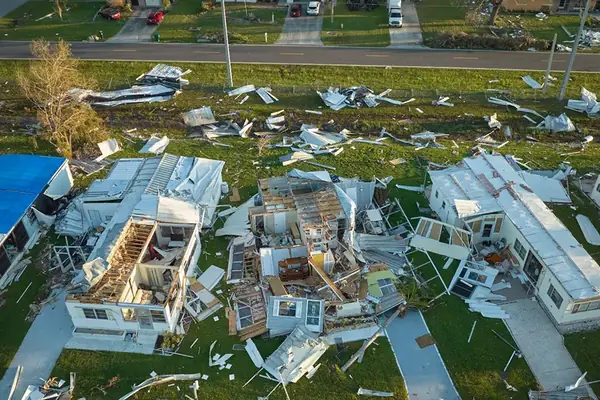
Property damage in Groves can become complicated quickly. A tropical system can tear shingles from a home near Main Avenue, wind-driven rain can enter a commercial building along Twin City Highway, or a plumbing failure can spread water through several rooms before anyone notices. When the resulting insurance estimate does not reflect the full loss, a licensed public adjuster in Groves can help the policyholder document the damage and present the claim more effectively.
TX Public Adjusting is a licensed Texas public adjuster representing residential and commercial property owners—not insurance companies. Our team reviews policies, inspects damaged property, prepares detailed claim documentation, and communicates with the carrier regarding covered damage. TX Public Adjusting is operated by Rise Public Adjusting LLC, Texas License #3356839.
Request a Free Claim Review. There are no upfront fees for our public adjusting services.
Groves sits between Port Arthur and Port Neches in Jefferson County, close to the Neches River, Gulf Coast industrial facilities, and major Southeast Texas transportation corridors. This location supports a close-knit community, but it also exposes local properties to hurricanes, tropical storms, heavy rain, wind, hail, lightning, humidity, and drainage-related water problems. The City of Groves describes the community as a Jefferson County city of roughly 17,000 residents nestled between Port Arthur and Port Neches.
Why Property Owners Hire a Public Adjuster in Groves
An insurance claim is more than a form and a few photographs. The policyholder may need to establish the cause of loss, the date of damage, the affected materials, the reasonable repair method, and the cost of restoring the property. Property owners who want a clearer understanding of the role can read our guide explaining what a public adjuster does.
The insurance company sends an adjuster to investigate the loss on its behalf. A public adjuster approaches the claim from the policyholder’s side.
Property owners often contact a Groves public adjuster when:
- The carrier’s estimate appears too low.
- Important rooms or building components were omitted.
- Roof damage was described as wear rather than storm damage.
- Wind-driven rain affected insulation, decking, ceilings, or walls.
- The claim has stalled because the carrier keeps requesting more information.
- Depreciation has been applied incorrectly or without a clear explanation.
- A commercial claim includes interrupted operations or damaged equipment.
- The carrier has denied part or all of the claim.
- A supplemental claim needs to be prepared.
- The owner does not have time to manage repeated inspections and requests.
A public adjuster does not control policy coverage or guarantee a particular payment. The role is to identify, document, estimate, and present covered property damage while representing the policyholder during the claim process.
For Groves residents dealing with storm, roof, fire, or water damage, that representation can bring structure to an otherwise confusing process.
Property Damage Risks in Groves, Texas
Groves is part of Southeast Texas and the Gulf Coast region. Local homes and businesses are exposed to a combination of coastal weather, heavy rainfall, high humidity, aging drainage infrastructure, and severe thunderstorms.
Hurricanes and Tropical Storms
Hurricanes and tropical storms can affect Groves even when the center of the storm crosses the coast elsewhere. Outer rainbands and sustained winds can damage roofing, siding, fencing, windows, detached structures, signage, HVAC equipment, and commercial roofs. Our guide to hurricane property damage claims explains the types of roof, interior, structural, and equipment damage that may follow a major Gulf Coast storm.
Wind can lift roofing materials without removing them completely. That damage may be difficult to identify from the ground. Once seals or fasteners are compromised, later rainfall can enter the roof assembly and affect decking, insulation, drywall, flooring, electrical components, and personal property. Property owners dealing with a recent tropical loss may also find our overview of the Hurricane Beryl claim process helpful when organizing inspections, estimates, and carrier communications.
Texas coastal guidance recommends maintaining both flood and windstorm coverage where appropriate because the two policies address different causes of loss.
Heavy Rain and Drainage Problems
Groves is low-lying and closely connected to the broader Mid-County drainage system. The city’s street and drainage information notes that certain concrete-lined ditches fall under Jefferson County Drainage District jurisdiction.
During extended rainfall, property owners may experience:
- Water entering through damaged roofs or flashing
- Overflow around doors, garages, and patios
- Saturated insulation or wall cavities
- Backed-up drainage systems
- Standing water around slab foundations
- Damage to flooring, cabinets, baseboards, and contents
- Mold or microbial growth following delayed drying
A key claim issue is identifying the source of the water. Standard property policies frequently distinguish between rain entering through storm-created openings, plumbing failures, sewer backup, rising surface water, and flood. Those distinctions can affect which policy applies.
The Texas Department of Insurance advises flood victims to document damage and file claims promptly. It also notes that many homes affected by Hurricane Harvey were outside designated high-risk flood zones, underscoring that a map designation does not eliminate water risk.
Wind and Hail
Severe thunderstorms can produce straight-line winds, lightning, hail, and falling tree limbs. In Groves, wind claims often involve more than missing shingles. Damage may affect:
- Shingle seals and fasteners
- Metal roofing panels
- Roof vents and pipe jacks
- Flashing
- Gutters and downspouts
- Siding
- Window screens and glazing
- Fences and gates
- Patio covers and carports
- Commercial rooftop units
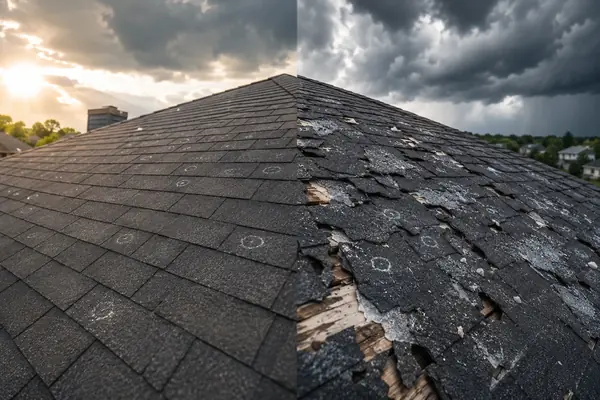
Hail can leave obvious impact marks, but it can also cause bruising, granule displacement, membrane damage, or dents that require close inspection. A carrier estimate may address one roof slope while omitting collateral damage to soft metals, vents, flashing, gutters, fencing, siding, or exterior equipment.
Fire, Smoke, and Electrical Damage
Homes and commercial properties in Groves may also experience kitchen fires, electrical fires, appliance failures, lightning-related damage, HVAC fires, or smoke migration from an adjoining space.
Fire claims often extend beyond visibly burned materials. Smoke residue can travel through wall cavities and air-conditioning systems. Heat may damage wiring, framing, appliances, finishes, and structural components away from the point of origin.
A thorough fire claim may require documentation of:
- Burned structural materials
- Smoke and soot contamination
- Water used during firefighting
- Debris removal
- Electrical damage
- HVAC cleaning or replacement
- Personal property
- Temporary housing
- Business interruption
- Code-related repairs, when covered
Common Insurance Claims in Groves
Hail Damage Claims
A hail damage insurance claim can involve far more than visible marks on the roof. The roof may receive most of the attention, but gutters, vents, siding, window screens, fencing, air-conditioning equipment, skylights, and detached structures may also be damaged.
TX Public Adjusting reviews the carrier’s scope, photographs impacted components, evaluates repairability, and helps determine whether related damage was omitted.
Water Damage Claims
A water damage public adjuster can help document losses caused by plumbing leaks, supply-line failures, roof openings, appliance malfunctions, overflowing fixtures, or storm-related intrusion.
The visible water stain is rarely the complete scope. Moisture may travel under flooring, behind cabinetry, through insulation, or into adjoining rooms. Proper documentation can include moisture readings, affected material quantities, demolition requirements, drying records, repair estimates, and damaged contents. Property owners can also review our guide to dealing with an insurance adjuster after water damage for additional claim-preparation guidance.
Fire and Smoke Damage Claims
A fire insurance adjuster representing the policyholder can help organize complicated building, contents, smoke, soot, and water-damage issues after a fire.
TX Public Adjusting helps organize the property and contents portions of the loss, evaluate the carrier’s estimate, and identify costs that may have been left out of the initial scope. Our Texas guide to a fire damage insurance claim explains several coverage and documentation issues that may arise after a residential or commercial fire.
Storm and Wind Damage Claims
Storm claims in Groves often involve roof damage combined with interior water intrusion. A claim can become underpaid when the estimate addresses only the visible ceiling stain rather than the roof opening, wet insulation, decking, wall finish, flooring, and related repairs.
Roof Damage Claims
Roof claims are frequently disputed because carriers may attribute damage to age, deterioration, installation problems, or maintenance.
A public adjuster for a roof claim can document storm-created damage, compare the carrier’s estimate with observed conditions, and identify roofing accessories or code-related items that may require further review.
Commercial Property Claims
A commercial public adjuster can help Groves business owners document complex losses involving buildings, inventory, equipment, tenant improvements, and interrupted operations.
Commercial claims may involve:
- Flat or low-slope roofing systems
- Inventory
- Machinery and equipment
- Tenant improvements
- Signage
- Refrigeration systems
- Electrical components
- Commercial contents
- Business-income loss
- Extra expenses required to continue operating
Commercial losses demand organized documentation. Missing invoices, incomplete equipment lists, unclear repair scopes, or weak business-income records can delay the claim or reduce the amount considered.
Has your Groves insurance claim been delayed, denied, or underpaid? Contact TX Public Adjusting for a Free Claim Review.
Why Groves Insurance Claims Become Underpaid

An underpaid claim does not always result from one major disagreement. Often, the difference comes from many smaller omissions that accumulate. Many underpayments begin with the same common property insurance claim mistakes, including incomplete photographs, missed deadlines, weak inventories, and accepting an initial estimate without reviewing the full scope.
Damage Was Missed During the First Inspection
Initial inspections may be brief, especially after a regional storm generates a large number of claims. Roof slopes, attics, wall cavities, commercial equipment, detached structures, and interior rooms may not receive equal attention.
The Scope Does Not Include All Required Work
An estimate may include replacement materials but omit:
- Tear-out and removal
- Access costs
- Protection of unaffected areas
- Drying or cleaning
- Matching considerations
- Detachment and reset
- Permits
- Debris disposal
- Contractor overhead and profit where warranted
- Repair of adjoining materials
- Code-related items when covered
The Cause of Damage Is Disputed
Carriers may classify roof conditions as wear, manufacturing defects, installation problems, or long-term deterioration. Water damage may be characterized as flood, seepage, repeated leakage, or maintenance rather than a covered sudden event.
Detailed photographs, timelines, weather information, repair records, and expert findings can become important when the cause of loss is disputed.
Depreciation Was Applied Incorrectly
Some estimates apply depreciation to materials, labor, or property with little explanation. The policy may also require specific repairs or expenses before recoverable depreciation is released.
A public adjuster reviews how depreciation was calculated and whether the carrier’s treatment aligns with the policy and the property’s actual condition.
Documentation Is Incomplete
Insurers base decisions on the material submitted to them. A verbal description of damage rarely carries the same weight as a clear package containing photographs, measurements, estimates, reports, inventories, invoices, and a detailed scope.
The Initial Estimate Became the Baseline
Once a carrier issues its first estimate, later discussions often begin from that document. If the initial scope is incomplete, the policyholder may need to identify every missing component and support a supplemental request.
TX Public Adjusting helps Groves property owners develop that organized response.
Our Public Adjusting Process
1. Claim and Policy Review
We begin by discussing what happened, when the damage occurred, what the carrier has done, and what concerns the property owner has about the claim.
We also review relevant policy documents, carrier correspondence, estimates, payments, photographs, and prior reports.
2. Property Inspection
Our team inspects the reported areas of damage and looks for related conditions that may not have been included in the carrier’s scope.
Depending on the loss, the inspection may cover the roof, exterior elevations, interior rooms, attic, mechanical systems, business equipment, contents, or detached structures.
3. Damage Documentation
We build a claim file that may include:
- Photographs and videos
- Measurements
- Repair estimates
- Moisture information
- Contents inventories
- Contractor proposals
- Invoices and receipts
- Expert reports
- Business-income records
- A chronology of claim communications
4. Scope Preparation
The claim scope explains what was damaged and what work may be required to restore the property.
For a Groves storm claim, this can mean connecting the exterior wind damage with the interior water intrusion rather than treating each visible symptom as an isolated repair.
5. Claim Presentation and Negotiation
TX Public Adjusting presents the documented claim to the insurance carrier and responds to requests related to the property damage.
When the carrier disagrees with an item, we work to clarify the scope, provide support, and explain why the item should be considered.
6. Settlement Review
We review revised estimates and settlement documents with the property owner so the claim status is understandable.
Public adjusters cannot promise a specific outcome, but experienced representation can help ensure that the claim is prepared and presented with the detail it deserves.
Why Choose TX Public Adjusting
Licensed Texas Representation
TX Public Adjusting operates through Rise Public Adjusting LLC, Texas License #3356839.
We Represent Policyholders
The insurance company’s adjuster works for the carrier. TX Public Adjusting represents the residential or commercial policyholder.
That distinction shapes every part of our work, from the initial inspection to the preparation of supplemental documentation.
Texas-Focused Claim Experience
Texas property claims involve distinctive weather patterns, construction systems, policy forms, and coastal insurance considerations.
Our team has reviewed thousands of property claims involving residential and commercial losses. We understand the documentation required for roof, hail, wind, water, fire, and complex commercial claims.
Residential and Commercial Expertise
A residential roof claim is different from a commercial loss involving a membrane roof, inventory, refrigeration equipment, tenants, or interrupted operations.
Our process is adapted to the property and the loss rather than forcing every claim into the same template.
Detailed Claim Documentation
Strong claims are built on facts. We focus on inspection findings, measurements, repair requirements, records, and policy documentation rather than unsupported estimates.
No Upfront Fees
Property owners can request a Free Claim Review without paying an upfront fee. Public adjusting fees and terms are explained before representation begins and are included in a written agreement.
Groves Neighborhoods and Local Areas We Serve
Groves is compact, and many residents identify locations through major corridors, schools, parks, and nearby Mid-County communities rather than formal neighborhood boundaries.
TX Public Adjusting assists property owners throughout Groves, including areas near:
- Main Avenue
- Twin City Highway
- Lincoln Avenue
- 39th Street
- Cleveland Avenue
- Terrell Avenue
- Taft Avenue
- Monroe Boulevard
- Groves Elementary-area neighborhoods
- West Groves
- Central Groves
- The Port Neches boundary
- The Port Arthur boundary
Local points of reference include Groves City Hall on Lincoln Avenue, Lions Park, the Groves Public Library, and the routes connecting Groves with Port Arthur, Port Neches, and Nederland.
The city developed from an early residential subdivision known as Pecan Grove, later commonly called “The Groves.” It is located along State Highways 73, 87, and 347 and lies north of Port Arthur.
Areas We Serve Near Groves

Our service area extends beyond Groves to nearby Southeast Texas communities, including:
- Port Arthur
- Port Neches
- Nederland
- Beaumont
- Bridge City
- Orange
- Vidor
- Lumberton
- Central Gardens
- Sabine Pass
- Mauriceville
- Jefferson County
- Orange County
- Hardin County
A storm that affects Groves often affects the wider Mid-County and Golden Triangle area. Coordinated local claim support can be particularly valuable after a major event when contractors, inspectors, mitigation companies, and carrier representatives are managing heavy workloads.
Frequently Asked Questions
What does a public adjuster in Groves do?
A public adjuster represents the policyholder during a first-party property insurance claim. The adjuster reviews the claim, inspects the damage, develops documentation, prepares or evaluates the repair scope, and communicates with the carrier about the covered loss.
TX Public Adjusting works for the property owner, not the insurance company.
When should I hire a Groves public adjuster?
You may consider hiring a public adjuster when the loss is extensive, the estimate appears low, the claim has been denied, important damage was omitted, or the process is taking more time and expertise than you can reasonably provide.
A public adjuster may become involved shortly after the loss or later when problems develop, subject to policy deadlines and the status of the claim. The timing can matter, so review our guide explaining when it may be too late to hire a public adjuster.
Can a public adjuster help with hurricane damage in Groves?
Yes. A public adjuster can assist with covered wind, roof, rain, interior, contents, and commercial damage arising from a hurricane or tropical storm.
Flood and wind losses may fall under separate policies. The first step is identifying the source of each category of damage and the policy that may apply.
Can you help if the insurance company already paid my claim?
Possibly. An issued payment does not always mean the claim is complete. Supplemental damage may still be considered if the policy permits it and relevant deadlines have not passed.
TX Public Adjusting can review the carrier estimate, payment summary, photographs, and repair information to identify possible scope differences.
What if my Groves roof claim was denied because the roof is old?
Roof age does not automatically answer whether a storm caused covered damage. The carrier may still evaluate pre-existing wear, maintenance, installation, and the reported storm event.
A public adjuster can document observable conditions, review the denial explanation, and help determine whether additional claim support should be submitted.
Does homeowners insurance cover flooding in Groves?
Standard homeowners insurance generally does not cover rising surface water or storm surge. Those losses commonly require a separate flood policy. However, rain entering through a storm-created opening may be treated differently, depending on the policy language and facts.
Because one storm can cause both wind and flood damage, careful documentation of the source and sequence of damage is critical.
How much does a public adjuster cost in Texas?
Public adjusters generally work under a written fee agreement that explains how the fee is calculated. The applicable arrangement can depend on the claim, timing, and services provided.
TX Public Adjusting offers a Free Claim Review and does not charge an upfront fee for its public adjusting services. The fee terms are explained before the client signs an agreement.
Can a public adjuster help with a commercial claim?
Yes. TX Public Adjusting assists with commercial roof, water, fire, wind, hail, equipment, inventory, tenant-improvement, and business-income claims.
Commercial losses often require more extensive documentation than residential claims because multiple building systems and financial records may be involved.
How long does a property insurance claim take?
The timeline depends on the severity of the loss, inspection availability, documentation, policy questions, expert involvement, carrier response times, and whether the parties disagree about the scope or cause.
A well-organized claim file can reduce avoidable delays, but no adjuster can guarantee how quickly a carrier will complete its evaluation.
Is it too late to hire a public adjuster after a denial?
Not necessarily. A denied claim may still be reviewed, supplemented, reopened, or disputed depending on the policy, denial reason, evidence, and applicable deadlines.
Contacting a licensed public adjuster promptly is wise because delay can affect evidence, repairs, and contractual or legal time limits.
Get Insurance Claim Help in Groves
Property damage is disruptive enough without spending weeks trying to determine why the insurance estimate does not match the damage.
TX Public Adjusting helps Groves homeowners, landlords, business owners, churches, property managers, and commercial building owners document and present property insurance claims. Our team represents policyholders throughout Jefferson County and Southeast Texas.
Contact TX Public Adjusting today for a Free Claim Review of your Groves residential or commercial property claim
- Licensed Texas Public Adjuster
- Rise Public Adjusting LLC
- Texas License #3356839
- Residential and Commercial Claims
- No Upfront Fees
- Policyholder Representation