Serving homeowners and commercial property owners across Texas.
Call a Professional NOW!
Licensed Texas Public Adjuster

Public Adjuster Grapevine, TX

Roof

Hail, wind, leaks, matching disputes

Water

Burst pipes, mitigation, interior loss

Fire

Smoke, contents, structure, ALE

Storm

Hurricane, tornado, wind-driven rain

Free Texas Claim Review

Tell us what happened. We will help you understand whether the carrier’s estimate, denial, delay, or payment deserves a second look.

Fast response during business hours. No obligation.
Licensed Public Adjuster
Roof Claims
Hail Claims
Fire Claims
Storm Claims
Commercial Claims
Table of Contents

Property damage can happen when you least expect it. From spring hailstorms that leave roofs battered to sudden pipe bursts during winter freezes, Grapevine property owners often find themselves navigating a complicated insurance claims process while trying to protect their homes or businesses. If you’re searching for a Public Adjuster in Grapevine, TX, learning what a Texas public adjuster does before filing or negotiating your claim can help you make informed decisions. 

TX Public Adjusting, operated by Rise Public Adjusting LLC, proudly represents Texas policyholders—not insurance companies. As a licensed Texas public adjusting firm (License #3356839), we help residential and commercial property owners throughout Grapevine prepare, document, and negotiate insurance claims after covered property losses. Our goal is simple: help ensure your insurance company fully evaluates the damage covered under your policy while allowing you to focus on getting your property restored.

Whether your property is near Historic Main Street, Silver Lake Estates, Grapevine Lake, or the bustling business corridor surrounding Dallas/Fort Worth International Airport, our team understands the unique weather patterns, construction styles, and insurance claim challenges affecting Grapevine properties.

Why Property Owners Hire a Public Adjuster in Grapevine

Grapevine sits in one of North Texas’ most active severe weather corridors. Located primarily in Tarrant County, with portions extending into Dallas and Denton counties, the city regularly experiences powerful thunderstorms, damaging hail, high straight-line winds, heavy rainfall, occasional tornado activity, and extreme summer heat. These weather events frequently lead to insurance claims involving roofing systems, windows, siding, HVAC equipment, interior water intrusion, commercial buildings, and business interruption.

Insurance companies employ adjusters whose responsibility is to evaluate claims on behalf of the insurer. A public adjuster works exclusively for the policyholder. That distinction matters when significant property damage requires detailed documentation, extensive estimating, and careful interpretation of policy language.

Many Grapevine homeowners contact a public adjuster after experiencing:

  • A settlement that appears too low.
  • A partial claim denial.
  • Multiple inspections with conflicting conclusions.
  • Significant roof or structural damage.
  • Commercial property losses affecting operations.
  • Complex fire or water damage.
  • Large-scale storm losses involving several building systems.

Instead of accepting the insurance company’s initial estimate at face value, many policyholders want an independent review of the damage before finalizing their claim. If you’re unsure should you hire a public adjuster, the answer often depends on the size and complexity of your loss. Understanding how public adjusters work can also help you determine whether professional representation makes sense for your situation. 

Local Experience Matters

Every Texas city presents different claim challenges. Grapevine combines older historic properties near Downtown with newer master-planned neighborhoods and large commercial developments surrounding SH-121, Interstate 635, and State Highway 114.

Historic homes may require specialized repair methods and matching materials, while newer homes often involve high-performance roofing systems, upgraded finishes, and modern mechanical equipment. Commercial properties range from hotels and retail centers to warehouses, office buildings, restaurants, churches, and mixed-use developments.

Understanding these differences allows a public adjuster to prepare a more complete damage assessment that reflects the property’s actual condition before the loss.

We Represent Policyholders—Not Insurance Companies

At TX Public Adjusting, every claim begins with one priority: protecting the interests of the property owner.

Our role may include:

  • Reviewing the insurance policy.
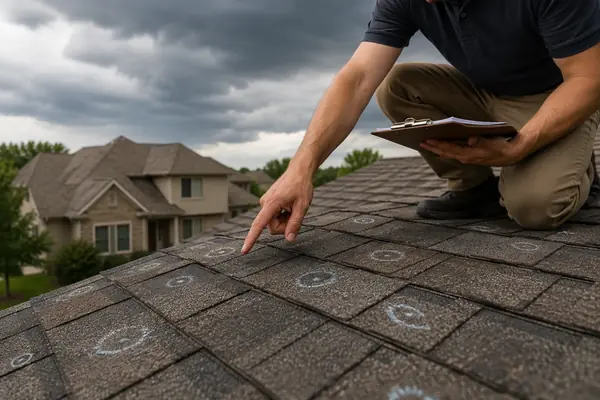
  • Conducting a detailed property inspection.
  • Identifying covered damage.
  • Preparing comprehensive repair estimates.
  • Organizing supporting documentation.
  • Communicating directly with the insurance carrier.
  • Negotiating for a fair settlement based on documented damage.

Throughout the process, our team works to ensure that no significant covered damages are overlooked simply because they were not visible during an initial inspection.

Common Insurance Claims in Grapevine

Grapevine’s climate creates several recurring property loss scenarios. Understanding these claim types helps property owners recognize potential hidden damage before repairs begin.

Hail Damage Claims

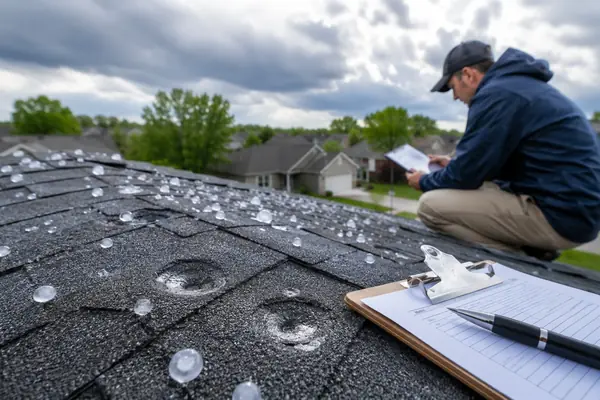
North Texas is well known for severe hailstorms. Grapevine regularly experiences hail events capable of damaging:

  • Asphalt shingles
  • Tile roofing
  • Metal roofing systems
  • Gutters and downspouts
  • Skylights
  • Windows
  • Exterior siding
  • Air conditioning condensers
  • Fencing

Property owners should also document hail damage for an insurance claim before repairs begin whenever it is safe to do so. Learn more about the hail damage roof insurance claim process, including what insurers commonly inspect after North Texas storms. While some hail damage is obvious, other impacts may reduce the life expectancy of roofing materials without creating immediate leaks. Proper inspection often involves evaluating every slope, accessory, flashing component, and soft metal surface.

Commercial roofing systems—including TPO, EPDM, modified bitumen, and built-up roofs—may also sustain functional damage requiring specialized evaluation.

Water Damage Claims

Water damage remains one of the most common insurance claims in Grapevine.

Typical causes include:

  • Burst plumbing lines
  • Appliance failures
  • Water heater leaks
  • Roof leaks after storms
  • Overflowing fixtures
  • HVAC drain backups

Water frequently travels beyond the visible source of the leak, affecting insulation, framing, drywall, flooring, cabinetry, and electrical systems. Moisture trapped inside wall cavities can eventually contribute to mold growth if not properly addressed.

Thorough documentation is essential because hidden water damage may not become apparent until demolition begins. Working with a water damage public adjuster can help ensure hidden moisture damage is properly documented. 

Fire Damage Claims

Fire losses often extend well beyond the area where flames originated.

A complete fire claim may involve:

  • Structural repairs
  • Smoke contamination
  • Soot cleaning
  • HVAC cleaning
  • Electrical replacement
  • Water damage from firefighting efforts
  • Contents inventory
  • Temporary housing expenses
  • Debris removal

Even relatively small kitchen fires can produce smoke damage throughout an entire residence.

Commercial fire claims may also include interruption of business operations, damaged equipment, inventory losses, and additional operating expenses. A fire insurance adjuster can help document smoke, soot, structural damage, and contents losses throughout the property. 

Storm Damage Claims

Texas storms frequently create multiple forms of damage during a single event.

Examples include:

  • Wind-driven rain
  • Fallen trees
  • Broken windows
  • Roof uplift
  • Fence damage
  • Detached gutters
  • Damaged siding
  • Exterior paint damage
  • Water intrusion

Because storms often affect multiple building systems simultaneously, each component should be carefully documented before permanent repairs begin.

Roof Damage Claims

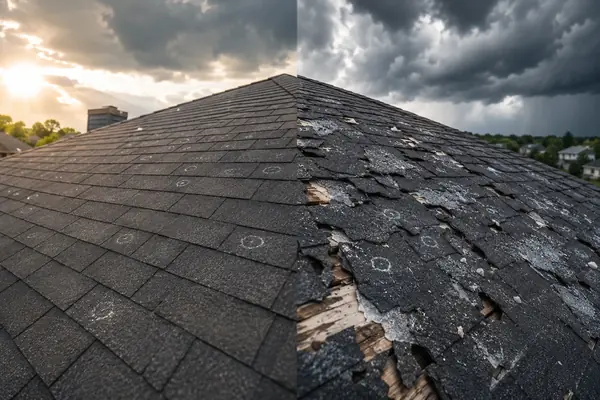
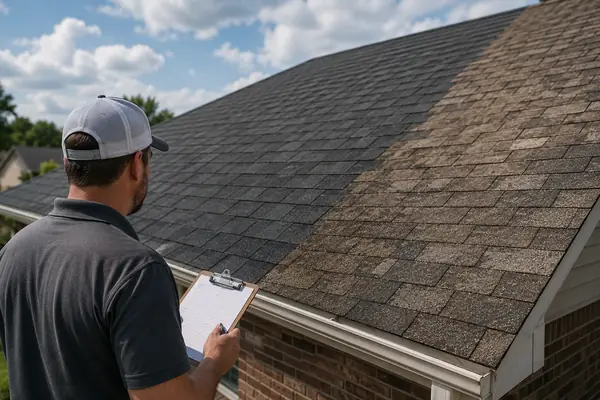
Roof claims are among the most disputed insurance claims. A public adjuster for a roof claim can independently evaluate roofing systems, flashing, ventilation components, and related storm damage. 

Insurance inspections sometimes focus only on visible shingle damage while overlooking:

  • Flashing damage
  • Ridge components
  • Roof vents
  • Underlayment issues
  • Metal accessories
  • Soft metal impacts
  • Detached ridge caps
  • Interior moisture intrusion

A comprehensive roof evaluation often identifies additional covered damage that influences the overall scope of repairs.

Commercial Property Claims

Grapevine’s thriving business community includes retail centers, hotels, office buildings, industrial facilities, restaurants, churches, healthcare facilities, and multi-family properties.

Commercial insurance claims may involve:

  • Building damage
  • Tenant improvements
  • Inventory losses
  • Equipment damage
  • Business interruption
  • Extra expense coverage
  • Code upgrades
  • Roof replacement
  • Water mitigation
  • Structural repairs

Because commercial policies often contain multiple coverage sections, documenting every applicable loss becomes especially important.

Why Insurance Claims Become Underpaid

Why Insurance Claims Become Underpaid

Most insurance claims are not intentionally underpaid because of a single mistake. Instead, settlements often fall short due to several smaller issues that accumulate throughout the adjustment process. Many underpaid settlements result from common property insurance claim mistakes that occur early in the adjustment process. 

Incomplete Damage Identification

Some forms of property damage are immediately visible, while others require more detailed investigation.

Examples include:

  • Moisture trapped behind walls
  • Damaged roof underlayment
  • Structural movement
  • Electrical issues
  • Hidden insulation damage
  • Smoke contamination inside HVAC systems

If these items are not identified early, they may be omitted from the original claim estimate.

Scope Omissions

Insurance estimates sometimes include only the most obvious repairs.

For example, a roof replacement may require additional work involving:

  • Flashing replacement
  • Ventilation components
  • Gutters
  • Interior ceiling repairs
  • Paint matching
  • Window screens
  • Fence sections
  • Exterior accessories

Missing even a handful of repair items can substantially reduce the total claim value.

Depreciation and Valuation Differences

Insurance carriers calculate depreciation based on policy terms, material age, and condition. Disagreements may arise regarding the remaining useful life of roofing materials, flooring, cabinetry, mechanical systems, and other building components.

Accurate documentation helps support appropriate valuation throughout the negotiation process. In some situations, the insurance appraisal process may help resolve valuation disputes between policyholders and insurers. 

Insufficient Documentation

One of the most common reasons claims become delayed or underpaid is incomplete documentation.

Strong insurance claims often include:

  • Detailed photographs
  • Comprehensive repair estimates
  • Moisture readings
  • Engineering reports when appropriate
  • Contractor evaluations
  • Contents inventories
  • Supporting invoices
  • Policy analysis

The more complete the documentation, the easier it becomes to demonstrate the full extent of covered damage.

The Value of Independent Representation

Property owners typically file only a handful of insurance claims during their lifetime. Insurance companies process thousands every year.

Working with an experienced Texas public adjuster helps level the playing field by providing independent claim preparation, detailed documentation, and professional negotiation focused solely on the policyholder’s interests.

If your Grapevine home or commercial property has suffered covered damage, obtaining an independent review before accepting a final settlement may help identify damages that deserve additional consideration under your policy.

Our Public Adjusting Process

Every insurance claim is different, but our approach is built around thorough documentation, clear communication, and persistent negotiation. From the first inspection through the final settlement, TX Public Adjusting works to present a complete and well-supported claim.

Step 1: Initial Claim Review

We begin by discussing the circumstances surrounding your loss, reviewing the insurance claim status, and evaluating your policy to understand the available coverages.

During this stage, we determine:

  • The cause of the damage
  • The current status of the insurance claim
  • Whether inspections have already occurred
  • Any settlement offers received
  • Immediate concerns that require attention

Even if your insurance company has already inspected the property, an independent evaluation can provide valuable insight into whether additional covered damage exists.

Step 2: Comprehensive Property Inspection

A detailed inspection is the foundation of every successful claim.

Our inspection may include:

  • Roofing systems
  • Exterior elevations
  • Gutters and downspouts
  • Windows and doors
  • Interior ceilings and walls
  • Flooring
  • Mechanical equipment
  • Attics and crawl spaces
  • Commercial building components

Whenever appropriate, we also coordinate with engineers, roofing professionals, restoration contractors, or other specialists whose expertise supports proper documentation.

Step 3: Damage Documentation

Once the inspection is complete, we prepare the documentation necessary to support your claim.

Depending on the loss, this may include:

  • High-resolution photographs
  • Room-by-room damage reports
  • Repair estimates
  • Contents inventories
  • Measurements
  • Moisture documentation
  • Supporting contractor reports
  • Policy analysis

Our objective is to clearly demonstrate the full extent of covered damage rather than relying solely on a preliminary inspection.

Step 4: Negotiation with the Insurance Company

Insurance claims often involve ongoing discussions regarding scope, pricing, depreciation, and policy interpretation.

Rather than asking the property owner to handle those conversations alone, we communicate directly with the insurance carrier throughout the adjustment process. Understanding the difference between a public adjuster vs independent adjuster can also help property owners know who represents their interests. 

This includes discussing:

  • Scope discrepancies
  • Supplemental damages
  • Pricing differences
  • Additional documentation requests
  • Reinspection scheduling
  • Coverage questions

Because every claim is unique, negotiations may continue as additional damage is discovered during repairs.

Step 5: Settlement and Claim Resolution

Our involvement continues until the claim reaches an appropriate resolution under the terms of the policy.

Although no public adjuster can guarantee a specific settlement amount, our role is to advocate for a complete evaluation of the covered damages and to help ensure the insurance carrier has the information necessary to properly evaluate the claim. Our approach follows many of the best practices outlined in our property loss recovery guide

Why Choose TX Public Adjusting

Selecting a public adjuster means choosing someone who will represent your interests throughout the claims process. Property owners across Texas trust TX Public Adjusting because our work is focused exclusively on helping policyholders—not insurance companies.

Licensed Texas Public Adjuster

TX Public Adjusting operates under Rise Public Adjusting LLC and is licensed by the State of Texas (License #3356839).

Our work is guided by Texas regulations governing licensed public adjusters, giving clients confidence that they are working with a qualified professional.

Residential and Commercial Experience

Our team assists with claims involving:

  • Single-family homes
  • Luxury residences
  • Condominiums
  • Townhomes
  • Apartment communities
  • Retail centers
  • Office buildings
  • Industrial facilities
  • Restaurants
  • Hotels
  • Churches
  • Warehouses
  • Mixed-use developments

From relatively straightforward residential losses to large commercial property claims, we understand the documentation required to support complex insurance claims.

Texas-Focused Knowledge

Texas weather presents challenges that differ from many other parts of the country.

We routinely assist property owners dealing with:

  • Hailstorms
  • Severe wind
  • Tornado-related damage
  • Heavy rain
  • Plumbing failures
  • Fire losses
  • Water intrusion
  • Commercial property damage

Because these claim types occur frequently throughout North Texas, we understand many of the issues that arise during the adjustment process.

Independent Representation

Insurance company adjusters represent the insurance carrier.

Public adjusters represent the policyholder.

That independence allows us to evaluate the property from the perspective of the insured while documenting damage according to the policy.

No Upfront Fees

Many property owners hesitate to seek professional assistance because they assume significant upfront costs are involved.

TX Public Adjusting works on a contingency fee basis for qualifying claims, meaning our fee is generally earned only if we successfully recover additional claim benefits for our client. Learn more about the truth about public adjuster fees and how contingency arrangements typically work. 

Schedule Your Free Claim Review

If your Grapevine home or commercial property has experienced storm, hail, fire, water, or wind damage, contact TX Public Adjusting for a free claim review. An independent evaluation early in the process can help identify issues before repairs begin or settlements are finalized.

Areas We Serve Near Grapevine

In addition to Grapevine, we assist property owners throughout the surrounding North Texas communities, including:

  • Southlake
  • Colleyville
  • Coppell
  • Euless
  • Bedford
  • Hurst
  • Keller
  • Flower Mound
  • Lewisville
  • Irving
  • North Richland Hills
  • Westlake
  • Roanoke
  • Trophy Club
  • Arlington
  • Fort Worth
  • Dallas

Whether your property is located near Grapevine Mills, Historic Main Street, Grapevine Lake, or the commercial corridor surrounding Dallas/Fort Worth International Airport, our team is available to help evaluate your insurance claim.

Frequently Asked Questions

Frequently Asked Questions

1. What does a public adjuster do?

A public adjuster represents the policyholder during an insurance claim. We inspect the damage, prepare documentation, review policy provisions, negotiate with the insurance company, and work toward a fair evaluation of the covered loss.

Unlike insurance company adjusters, we work exclusively for the property owner.

2. Should I hire a public adjuster before accepting an insurance settlement?

Many policyholders contact a public adjuster before signing settlement documents or beginning major repairs. Having an independent review may help identify damage that was overlooked during the initial inspection.

If you’re wondering when is it too late to hire a public adjuster, the answer depends on where your claim stands and your policy deadlines. 

3. Can you help with commercial insurance claims in Grapevine?

Yes. We represent owners of retail centers, office buildings, industrial properties, apartment communities, restaurants, hotels, churches, and other commercial facilities.

Commercial claims often involve multiple coverages and detailed documentation, making careful claim preparation especially important.

4. What types of damage are most common in Grapevine?

The most common property claims involve hail, wind, roof damage, water intrusion, plumbing failures, fire damage, smoke damage, and severe thunderstorms.

North Texas weather frequently produces multiple forms of damage during a single storm event.

5. Will hiring a public adjuster delay my claim?

Not necessarily. In many situations, organized documentation and consistent communication help move claims forward more efficiently by reducing uncertainty regarding the scope of damage.

Every claim is different, but thorough preparation often benefits everyone involved. Texas also has timelines that affect how long an insurance adjuster has to contact you after a claim is reported. 

6. Can I hire a public adjuster after the insurance company has already inspected my property?

Yes. Many clients contact us after receiving the insurance company’s estimate.

If additional covered damage exists or questions remain regarding the settlement, we can evaluate the property and determine whether further documentation may be appropriate.

7. How are public adjusters paid?

For qualifying claims, TX Public Adjusting works on a contingency fee basis.

That means our compensation is generally based on the successful recovery of additional insurance benefits rather than charging upfront consulting fees.

8. Do you work with homeowners and business owners?

Yes.

We assist both residential and commercial policyholders throughout Grapevine and surrounding communities, handling claims ranging from individual homes to large commercial facilities.

9. What should I do immediately after storm damage?

Protect the property from additional damage when it is safe to do so, photograph all visible damage, keep receipts for emergency expenses, avoid discarding damaged materials prematurely, and notify your insurance carrier promptly.

Before authorizing permanent repairs, consider obtaining an independent evaluation to fully document the loss. If your insurer has already denied coverage, our guide on what to do if your hail claim was denied explains possible next steps.

10. Why choose TX Public Adjusting instead of handling the claim alone?

Insurance policies can be lengthy and complex. Our team understands how claims are documented, estimated, and negotiated under Texas property insurance policies.

With experience reviewing thousands of residential and commercial claims, we help policyholders present complete, organized, and well-supported claims while providing guidance throughout the adjustment process.

Get a Free Claim Review From a Grapevine Public Adjuster

Property damage is stressful enough without having to wonder whether your insurance claim reflects the full extent of your covered loss. Whether your property has been affected by a hailstorm, wind event, fire, plumbing failure, or another covered peril, having an experienced advocate can make the claims process more manageable.

At TX Public Adjusting, we represent property owners—not insurance companies. As Rise Public Adjusting LLC, Texas Public Adjuster License #3356839, we are committed to helping homeowners and business owners throughout Grapevine prepare, document, and negotiate insurance claims with confidence.

If your home near Grapevine Lake, your business along State Highway 114, or your commercial property near Dallas/Fort Worth International Airport has sustained damage, don’t rely solely on an initial inspection before understanding the full scope of your loss.

Schedule Your Free Claim Review

Our team is available to review both residential and commercial property insurance claims involving:

  • Hail damage
  • Wind damage
  • Roof damage
  • Water damage
  • Fire and smoke damage
  • Commercial property losses
  • Storm-related structural damage
  • Business interruption claims

During your free claim review, we’ll discuss your loss, evaluate the current status of your claim, explain how the public adjusting process works, and help you understand your available options. There are no upfront fees for qualifying claims, and because we work exclusively for policyholders, our focus remains on protecting your interests throughout the insurance claim process.

Whether you’re filing a new claim, responding to a partial denial, or questioning whether your settlement fully reflects the covered damage, TX Public Adjusting is ready to help.

Learn More About Public Adjusting Services