Serving homeowners and commercial property owners across Texas.
Call a Professional NOW!
Licensed Texas Public Adjuster

Public Adjuster Dumas, TX

Roof

Hail, wind, leaks, matching disputes

Water

Burst pipes, mitigation, interior loss

Fire

Smoke, contents, structure, ALE

Storm

Hurricane, tornado, wind-driven rain

Free Texas Claim Review

Tell us what happened. We will help you understand whether the carrier’s estimate, denial, delay, or payment deserves a second look.

Fast response during business hours. No obligation.
Licensed Public Adjuster
Roof Claims
Hail Claims
Fire Claims
Storm Claims
Commercial Claims
Table of Contents

Property damage in Dumas can develop quickly. A spring thunderstorm can leave hail strikes across shingles, metal roofing, siding, skylights, HVAC equipment, and vehicles in a matter of minutes. Strong Panhandle winds can lift roof edges or drive rain through openings that were not visible from the ground. When an insurer’s inspection does not capture the full scope of the loss, a public adjuster in Dumas can help document the damage and present the policyholder’s claim.

TX Public Adjusting represents residential and commercial property owners—not insurance companies. Our team reviews policies, inspects damaged property, prepares detailed claim documentation, identifies scope omissions, and negotiates with the carrier based on the terms of the policy.

TX Public Adjusting is operated by Rise Public Adjusting LLC, a licensed Texas public adjusting firm, Texas License #3356839.

Concerned that your Dumas property claim was underpaid, delayed, denied, or poorly documented? Request a free claim review. There are no upfront fees.

Insurance Claim Help for Dumas Property Owners

Dumas is the county seat of Moore County and sits near the intersection of U.S. Highways 87 and 287, approximately 50 miles north of Amarillo. The community’s position in the open Texas Panhandle gives homes, agricultural operations, retail properties, industrial facilities, churches, apartment buildings, and other structures considerable exposure to hail and severe thunderstorm winds.

Those weather conditions can create complicated property claims. The visible damage may be only part of the loss.

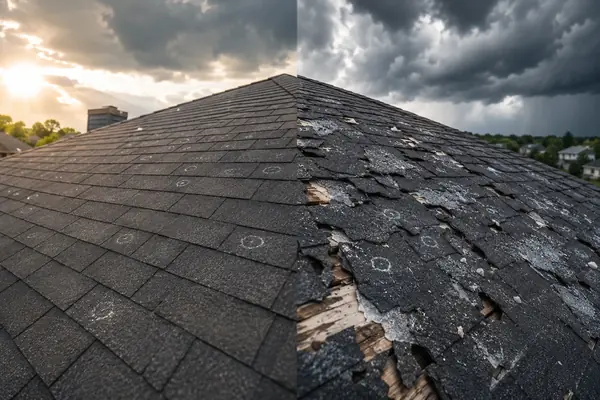
A roof may appear intact from the driveway while individual shingles have fractured mats, loosened seals, displaced granules, or damaged flashing. Hail can also affect vents, gutters, downspouts, window screens, exterior paint, metal panels, fencing, and rooftop mechanical equipment. Wind can create openings that later allow water into insulation, drywall, flooring, electrical components, and inventory.

Insurance company adjusters inspect claims for the carrier. A public insurance adjuster works for the policyholder. That distinction matters when the insurer’s estimate leaves out damaged materials, applies questionable depreciation, limits repairs to isolated areas, or does not account for the work required to restore the property properly.

Our role is to help the property owner develop a clear, supportable claim based on the observed damage, the applicable policy, and the reasonable scope of repair.

Why Property Owners Hire a Public Adjuster in Dumas

A property insurance claim is more than a request for payment. It is a documented presentation that must connect the cause of loss to the physical damage, policy coverage, repair scope, and claimed costs.

Dumas property owners often contact TX Public Adjusting when:

  • The insurance carrier’s estimate appears too low.
  • The adjuster inspected the roof but overlooked exterior or interior damage.
  • The claim was denied even though damage appeared after a storm.
  • The carrier approved spot repairs when broader replacement may be necessary.
  • Multiple buildings, structures, or categories of personal property are involved.
  • A commercial claim includes damaged inventory, equipment, tenant improvements, or business operations.
  • The claim process has become difficult to manage.
  • The insurer has requested more documents or explanations.
  • The policyholder is unsure whether depreciation was calculated correctly.
  • New damage is discovered after the first payment.
  • The carrier’s scope does not match contractor findings.
  • A supplemental claim needs to be prepared.

A public adjuster does not replace the contractor, engineer, attorney, or restoration company. Each professional has a different role. The public adjuster focuses on representing the policyholder during the insurance claim, documenting covered damage, developing the claim presentation, and communicating with the insurer.

For a Dumas homeowner with one damaged roof, that may involve reviewing slopes, accessories, siding, windows, and interior leaks. For a commercial owner, it may involve several roof sections, mechanical systems, exterior elevations, equipment, inventory, code-related work, and loss-related expenses.

Dumas Storm Risks and Property Damage Patterns

Hail Damage Across Moore County

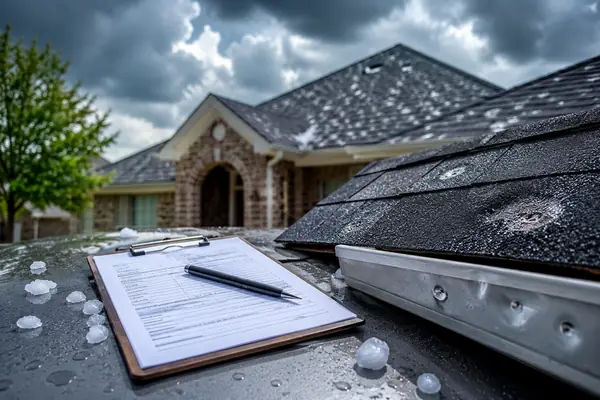
Hail is one of the most significant property risks in Dumas and the surrounding Moore County area. Property owners should document the roof, exterior elevations, mechanical equipment, and interior conditions before beginning a hail damage insurance claim. Historical severe-weather reports around Dumas include repeated warnings for quarter-size and half-dollar-size hail, 60 mph wind gusts, and possible damage to roofs, siding, trees, and vehicles.

A severe hailstorm in Moore County in April 2025 damaged windshields and roofs, including critical vehicles used by local public agencies. That event illustrates how one storm can affect residential buildings, commercial roofs, vehicles, and public infrastructure across the same area.

Common hail-related claim issues include:

  • The insurer attributes roof conditions to age or wear instead of hail.
  • Soft-metal damage is documented, but the roofing damage is minimized.
  • Only one elevation or roof slope is included.
  • Metal panels are dented but treated as cosmetic without a full policy review.
  • Gutters, flashing, vents, fencing, screens, and HVAC fins are omitted.
  • Interior water intrusion is separated from the storm claim.
  • The estimate does not include access, removal, disposal, or related labor.
  • The insurer allows repairs that may not restore uniformity or function.

Hail damage does not look the same on every material. Asphalt shingles, modified bitumen, built-up roofs, standing-seam metal, corrugated panels, tile, coatings, siding, and rooftop equipment each respond differently. The inspection and claim documentation should reflect the actual construction of the damaged Dumas property.

High Winds and Wind-Driven Rain

Wide-open Panhandle terrain can expose buildings to forceful straight-line winds and severe thunderstorm gusts. Recent forecasts affecting Dumas and nearby Panhandle communities have included the possibility of hail and wind gusts as high as 75 mph.

Property owners dealing with property damage after a severe storm should document both the exterior opening and any resulting interior water intrusion. 

Strong wind may:

  • Lift, crease, or detach shingles.
  • Damage ridge caps and roof edges.
  • Loosen metal panels or fasteners.
  • Pull flashing away from walls and penetrations.
  • Damage signs, awnings, fences, and exterior fixtures.
  • Break windows or doors.
  • Drive rain beneath roofing or siding.
  • Cause tree limbs or debris to strike structures.
  • Create openings that lead to later interior damage.

One challenge is timing. Wind-driven rain can enter a small opening, travel along decking or framing, and become visible inside the building hours or days later. A carrier may inspect the interior stain without tracing the water back to the storm-created exterior opening.

Tornado and Severe Thunderstorm Exposure

Dumas is located in a part of the Texas Panhandle where severe thunderstorms and tornado-producing systems are recognized hazards. Research on tornado climatology has identified parts of the Texas Panhandle among areas with elevated long-term tornado rates.

Tornado claims may involve obvious structural destruction, but less direct events can still create substantial losses. A nearby circulation may produce damaging inflow winds, debris impact, roof uplift, broken glazing, displaced exterior components, and water intrusion without a direct tornado strike.

After a major wind event, owners should avoid assuming that damage is limited to what can be seen from the ground.

Freeze and Plumbing Losses

Dumas winters can also create freeze-related claim problems. A frozen supply line, burst pipe, damaged appliance connection, or failed plumbing component can release water into walls, ceilings, cabinets, insulation, flooring, and electrical systems. Our guide to dealing with an insurance adjuster after water damage explains several documentation and communication issues that can affect these claims. 

Freeze and water claims may become disputed when:

  • The insurer questions when the damage occurred.
  • Emergency mitigation began before the adjuster arrived.
  • Wet materials were removed without sufficient photographs.
  • The estimate excludes matching cabinets, flooring, or finishes.
  • Hidden moisture is not fully mapped.
  • The claim includes both plumbing access and resulting water damage.
  • The carrier applies exclusions without explaining how they relate to the loss.

Prompt documentation can make a major difference. Photographing the source, affected rooms, removed materials, moisture readings, and emergency work helps preserve evidence that may no longer be available during the carrier’s inspection.

Fire, Smoke, and Wildfire-Related Damage

Dry vegetation, strong winds, electrical failures, heating equipment, cooking incidents, machinery, and other causes can produce fire losses in and around Dumas. Fire claims often extend well beyond the visibly burned area.

Damage may include:

  • Structural charring.
  • Smoke and soot contamination.
  • Water used during firefighting.
  • Damaged electrical systems.
  • Odor absorbed by porous materials.
  • Heat-damaged windows and finishes.
  • Contaminated personal property or inventory.
  • Debris removal.
  • Temporary repairs and security.
  • Additional living expenses or business-related costs.

Smoke can move through attics, wall cavities, ductwork, offices, storage rooms, and adjoining units. A claim estimate focused only on the burn area may miss cleaning, testing, demolition, sealing, deodorization, replacement, and restoration required elsewhere. A properly prepared fire damage insurance claim may need to address structural repairs, smoke contamination, contents, emergency services, and temporary expenses separately. 

Common Insurance Claims in Dumas

Hail Damage Claims

Hail claims are common across the Texas Panhandle. TX Public Adjusting evaluates roofing, exterior elevations, accessories, mechanical equipment, and related interior damage. We also compare observed damage against the carrier’s estimate to identify missing components and incomplete quantities.

Water Damage Claims

Water losses may result from burst pipes, appliance failures, roof openings, plumbing leaks, sprinkler systems, or storm-driven rain. We document affected materials, the path of water migration, mitigation work, and repair requirements.

Fire and Smoke Damage Claims

Fire claims require careful attention to structural damage, smoke migration, contents, debris removal, temporary protection, and loss-related expenses. We help organize the claim so that separate categories are not overlooked.

Storm and Wind Damage Claims

Wind can damage roofing, flashing, siding, windows, doors, fencing, awnings, and outbuildings. When rain enters through storm-created openings, the resulting interior damage should be documented as part of the complete loss.

Roof Damage Claims

Roof claims frequently become underpaid because the carrier limits the scope to a few shingles, one roof slope, or isolated components. A public adjuster for a roof claim can review the complete roofing system, related exterior damage, interior leaks, measurements, and the carrier’s repair assumptions. We inspect the complete system, review repair feasibility, and document related items such as underlayment, flashing, ventilation, edges, penetrations, and disposal.

Commercial Property Claims

Dumas supports commercial, agricultural, industrial, hospitality, retail, office, and service properties. Commercial claims may involve more than building repairs. Damaged equipment, stock, signage, tenant improvements, multiple roof systems, specialized construction, and operational expenses may all require separate documentation.

Have an estimate from your insurance company? TX Public Adjusting can review it against the visible damage and supporting claim information. Contact us for a free claim review with no upfront fees.

Why Dumas Insurance Claims Become Underpaid

Why Dumas Insurance Claims Become Underpaid

Missed or Minimally Documented Damage

An adjuster may spend limited time at the property or inspect only the areas identified at the beginning of the appointment. Damage behind walls, beneath roofing, above ceilings, inside mechanical equipment, or across secondary structures may not be documented.

Scope Omissions

Even when the insurer acknowledges coverage, the estimate may omit related work. Examples include:

  • Roofing accessories.
  • Flashing and edge metal.
  • Detaching and resetting equipment.
  • Interior protection.
  • Debris removal.
  • General conditions.
  • Matching finishes.
  • Access to concealed plumbing.
  • Code-related requirements, when covered.
  • Labor needed for difficult access.
  • Damage to secondary buildings.

Low Measurements or Quantities

Incorrect roof measurements, room dimensions, material quantities, or waste factors can reduce the estimate. On commercial claims, even a small quantity error repeated across a large building can create a significant difference.

Depreciation Disputes

Depreciation may be applied to materials, labor, personal property, or other components depending on the policy and circumstances. Policyholders may also be uncertain about recoverable depreciation and the documents needed to request it.

Repair Versus Replacement Disagreements

A carrier may propose localized repairs even when materials are brittle, discontinued, mechanically seamed, coated as a continuous system, or difficult to match. The issue should be evaluated based on the specific material, condition, policy language, and reasonable repair method.

Poor Claim Documentation

A valid loss can still become difficult when evidence is incomplete. Missing photographs, discarded materials, vague contractor proposals, incomplete inventories, and inconsistent timelines may weaken the presentation.

Damage Attributed to Wear and Tear

Insurers may distinguish covered storm damage from deterioration, maintenance issues, installation defects, or pre-existing conditions. A detailed inspection should identify the observed storm indicators and separate unrelated conditions instead of treating the entire property as one category.

Our Public Adjusting Process

1. Claim and Policy Review

We begin by discussing what happened, when the damage was discovered, what the insurer has done, and what payments or decisions have been issued. Property owners who are unfamiliar with the process can review our guide explaining what a public adjuster does before deciding whether representation is appropriate. 

We may review:

  • The insurance policy.
  • Claim correspondence.
  • The carrier’s estimate.
  • Payment summaries.
  • Reservation-of-rights or denial letters.
  • Contractor estimates.
  • Mitigation invoices.
  • Photographs and videos.
  • Engineering or inspection reports.
  • Contents inventories.

The policy controls the claim. Reviewing relevant coverages, exclusions, deductibles, endorsements, duties, valuation provisions, and time requirements helps identify the issues that need attention.

2. Property Inspection

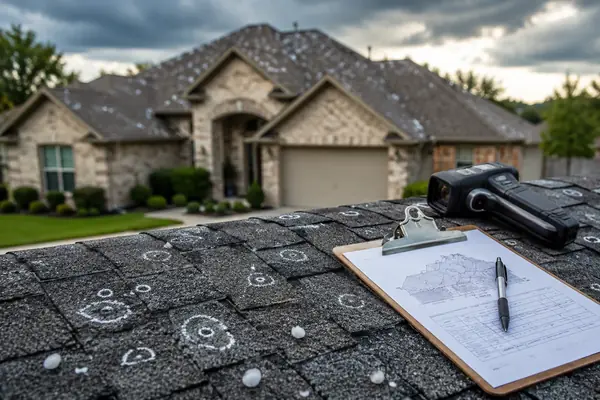
We inspect accessible damaged areas and document the loss. The inspection may include roofing, exterior elevations, interiors, detached structures, commercial spaces, equipment, and other affected property.

The purpose is not simply to count visible marks. It is to determine how the event affected the building and what work may be required to restore it.

3. Damage Documentation

We organize photographs, measurements, notes, inventories, invoices, reports, and other supporting material. For larger Dumas losses, documentation may be separated by building, floor, room, elevation, roof section, or category of property.

4. Scope and Estimate Review

The insurer’s scope is compared with the documented damage. We identify omitted areas, incorrect quantities, missing operations, unsupported repair assumptions, and other differences.

When appropriate, a detailed estimate or claim submission is prepared to explain the policyholder’s position.

5. Communication and Negotiation

TX Public Adjusting communicates with the insurance carrier on the policyholder’s behalf. We present supporting documents, respond to claim questions, discuss scope differences, and negotiate based on the documented loss and applicable policy provisions.

6. Settlement and Claim Follow-Through

When the carrier issues a revised estimate, payment, or settlement position, we review the documents and explain the result. If recoverable depreciation or other post-repair documentation is involved, we help the policyholder understand the next steps within the scope of our services.

No public adjuster can guarantee a particular result. The goal is to prepare and advocate for a complete, supportable claim rather than relying on an incomplete initial inspection.

Why Choose TX Public Adjusting

Why Choose TX Public Adjusting

Licensed Texas Representation

TX Public Adjusting operates through Rise Public Adjusting LLC, Texas License #3356839. Licensing matters because public adjusting involves interpreting claim documents, communicating with insurers, and representing policyholders in a regulated insurance process.

We Work for Policyholders

The insurance company’s adjuster works for the insurance company. TX Public Adjusting represents the person or business that owns the policy. Our comparison of a public adjuster versus an independent adjuster explains how those responsibilities differ. 

Our responsibility is to the policyholder’s claim—not the carrier’s financial interests.

Texas-Focused Claim Experience

Texas losses involve hail, wind, hurricanes, freezes, fire, water, and large commercial events. Our team has reviewed thousands of property claims and understands the documentation, estimating, and communication issues that regularly arise in residential and commercial losses.

Residential and Commercial Expertise

We assist with:

  • Single-family homes.
  • Rental properties.
  • Apartment and multifamily buildings.
  • Retail properties.
  • Offices.
  • Churches.
  • Warehouses.
  • Restaurants.
  • Hotels and hospitality properties.
  • Industrial and agricultural facilities.
  • Mixed-use buildings.

Detailed Claim Preparation

We do more than submit a request for additional money. We investigate the scope, document the observed damage, evaluate the carrier’s estimate, and organize supporting information so the claim can be reviewed on its merits.

No Upfront Fees

Property owners can request a free initial claim review. There are no upfront public adjusting fees. Any fee arrangement is explained in the written agreement before representation begins.

Dumas Neighborhoods, Corridors, and Local Properties We Serve

Dumas does not function like a large metro divided into dozens of heavily branded districts. Local property references are often tied to major corridors, established residential sections, schools, civic facilities, and the areas surrounding central Dumas.

We assist property owners throughout:

  • Central Dumas and the downtown area.
  • Residential streets near Dumas High School.
  • Properties near McDade Park.
  • Homes and businesses along Dumas Avenue.
  • Commercial properties near U.S. 87 and U.S. 287.
  • Properties near the Moore County Courthouse.
  • Buildings near the Window on the Plains Museum.
  • Northern and southern residential areas within ZIP code 79029.
  • Rural and agricultural properties outside the city limits.
  • Commercial and industrial sites throughout Moore County.

The Window on the Plains Museum is a prominent local institution for the history of Dumas and Moore County, while the Moore County Courthouse reflects the community’s role as the county seat.

We also serve policyholders in nearby communities, including:

  • Cactus.
  • Sunray.
  • Four Way.
  • Etter.
  • Masterson.
  • Channing.
  • Hartley.
  • Stratford.
  • Borger.
  • Amarillo.
  • Rural Moore County.
  • Surrounding Texas Panhandle communities.

Frequently Asked Questions About Public Adjusters in Dumas

What does a public adjuster in Dumas do?

A public adjuster represents the policyholder during a property insurance claim. The adjuster reviews claim documents, inspects the damage, prepares supporting documentation, evaluates the carrier’s estimate, and negotiates with the insurer.

TX Public Adjusting works for the Dumas homeowner or business owner—not the insurance company.

When should I hire a public adjuster after a Dumas hailstorm?

You can contact a public adjuster before filing, shortly after filing, after receiving the first estimate, or when a dispute develops. Early involvement can help preserve evidence and organize the claim before damaged materials are removed.

Policyholders also hire us after receiving a low payment, denial, partial approval, or repair-only scope that does not appear to reflect the condition of the property. Our guide explains when it may be too late to hire a public adjuster and why claim deadlines should be reviewed promptly. 

Can you help if my Dumas roof claim was underpaid?

Yes. We can review the carrier’s roof estimate, photographs, measurements, and claim decision. We then compare those materials with the observed damage and the work that may reasonably be required.

An underpaid roof claim may involve omitted slopes, incorrect quantities, missing accessories, limited repair assumptions, depreciation issues, or excluded interior damage.

Does hail have to create a roof leak for insurance to cover it?

Not necessarily. Hail can damage roofing materials without causing an immediate visible leak. Coverage depends on the policy, cause of loss, timing, and evidence—not solely on whether water has already entered the building.

Waiting for a leak can allow conditions to worsen. Property owners should document suspected storm damage promptly and avoid unnecessary delay.

Can a public adjuster reopen a closed insurance claim?

Sometimes. A claim marked closed in the insurer’s system is not always beyond review. The available options depend on the policy, Texas requirements, prior payments, releases, deadlines, and the facts of the loss.

TX Public Adjusting can review the existing file and explain whether further claim activity appears practical. We do not provide legal advice, and claims involving litigation or legal deadlines may require an attorney. Property owners who are still waiting for carrier communication may also review the general Texas claim-timing discussion in our article about how long an insurance adjuster has to contact you

What if the insurer says the damage is only cosmetic?

“Cosmetic” is not a universal conclusion. The effect of dents or impacts depends on the material, policy language, manufacturer requirements, function, expected service life, and repair method.

Metal roofing, siding, gutters, equipment housings, and other components should be evaluated individually. We review the carrier’s position and the available evidence before determining how the issue should be presented.

Can you help with commercial property claims in Dumas?

Yes. We assist commercial owners with hail, wind, fire, water, roof, and other covered property claims.

Commercial losses may include buildings, roof systems, equipment, inventory, tenant improvements, signage, exterior components, mitigation costs, and loss-related expenses. These claims often benefit from organized documentation by building and damage category.

How much does a public adjuster charge in Dumas?

Public adjusters commonly work under a contingency fee arrangement calculated as an agreed percentage of the insurance recovery addressed by the contract, subject to applicable Texas law and the written agreement.

The fee and scope of representation are disclosed before you sign. TX Public Adjusting offers a free initial claim review and charges no upfront public adjusting fee.

What should I do immediately after storm damage?

First, protect people from immediate hazards such as unstable structures, electrical damage, broken glass, gas leaks, or downed lines. Contact emergency services when needed.

Then take photographs and video, report the claim promptly, preserve damaged materials when practical, save receipts, and complete reasonable temporary measures to prevent additional damage. Avoid permanent repairs before the property has been properly documented unless safety requires immediate action.

Why should I choose a licensed Texas public adjuster?

A licensed Texas public adjuster is accountable to state regulatory requirements and is authorized to represent policyholders in property claim matters within the permitted scope of the license.

TX Public Adjusting operates through Rise Public Adjusting LLC under Texas License #3356839 and handles both residential and commercial property claims.

Get a Free Dumas Insurance Claim Review

A fast carrier inspection does not always reveal the full loss. Hail damage may extend across several roof slopes and exterior components. Wind can create openings that cause hidden water damage. Commercial losses may involve equipment, inventory, mechanical systems, and operational expenses that do not appear in the first estimate.

TX Public Adjusting helps Dumas property owners document the complete claim and communicate with the insurer from an informed position.

Contact us when:

  • Your claim payment appears too low.
  • Your roof claim was denied.
  • The carrier approved only minor repairs.
  • Additional damage was discovered.
  • The estimate does not match contractor findings.
  • The insurer omitted interior or exterior damage.
  • Your commercial loss has become difficult to manage.
  • You want professional representation from the beginning.

Request your free claim review from TX Public Adjusting. There are no upfront fees.

Rise Public Adjusting LLC
Texas Public Adjuster License #3356839
Residential and Commercial Property Claims

Learn More About Public Adjusting Services