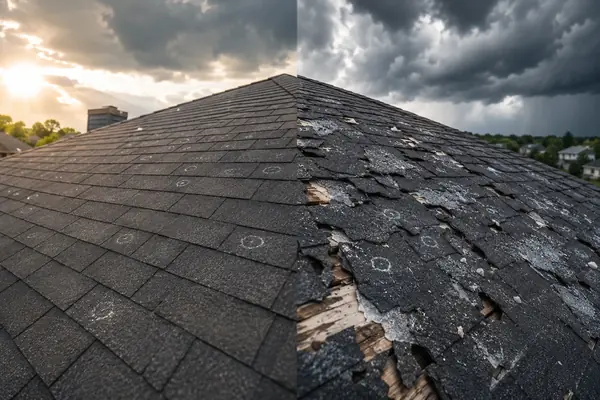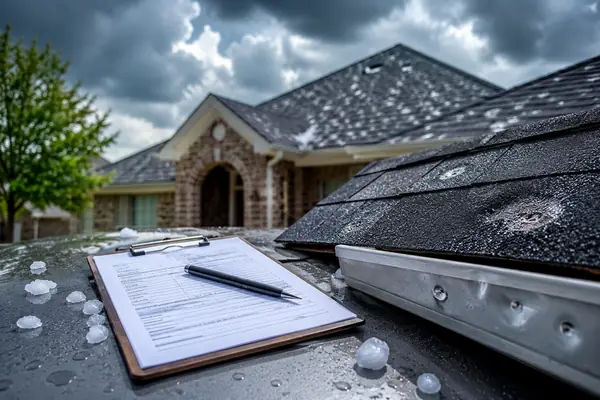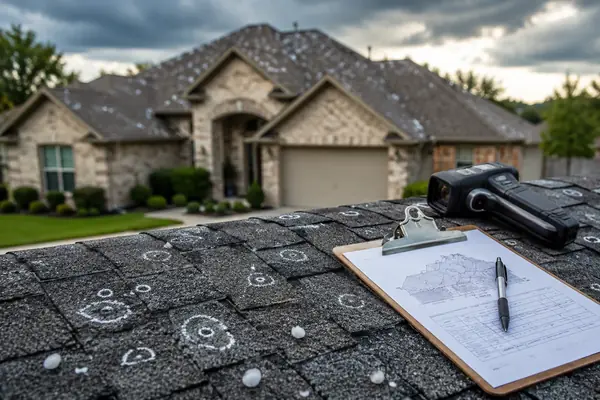
Property damage in Canyon can develop quickly when a Panhandle thunderstorm brings large hail, straight-line winds, intense rain, or tornado activity across Randall County. A roof that looked intact before the storm may suddenly have fractured shingles, damaged flashing, broken vents, cracked skylights, or water entering through areas that are difficult to see from the ground. When the insurance company’s estimate does not account for the full scope of the loss, a public adjuster in Canyon, TX can help the policyholder document the damage and pursue the claim.
TX Public Adjusting is a Texas public adjuster representing residential and commercial property owners—not insurance companies. Our team reviews insurance claims, inspects damaged property, develops detailed documentation, identifies missing or undervalued damage, and communicates with the carrier throughout the adjustment process.
TX Public Adjusting is operated by Rise Public Adjusting LLC, Texas License #3356839. We assist Canyon homeowners, landlords, business owners, property managers, agricultural property owners, and commercial policyholders with complex, delayed, denied, and underpaid claims.
Request a free claim review. There are no upfront fees.
Why Property Owners Hire a Public Adjuster in Canyon
Insurance companies assign adjusters to investigate losses and determine what the carrier believes it owes under the policy. That adjuster works within the insurance company’s claim system. A public adjuster works on the other side of the claim and represents the policyholder’s financial interest.
This distinction can matter after a severe Canyon storm. Hail and high winds may affect more than the visible surface of a roof. Damage can extend to gutters, downspouts, metal panels, roof-mounted equipment, windows, screens, fencing, exterior paint, siding, insulation, ceilings, flooring, and personal property.
A Canyon public adjuster may be helpful when:
- The insurance company’s estimate appears too low.
- Roof damage was described as cosmetic or repairable.
- Interior water damage was omitted from the estimate.
- The carrier approved only a partial roof repair.
- Multiple buildings or structures were damaged.
- The claim involves a commercial property or specialized roofing system.
- Depreciation appears excessive or unclear.
- The carrier requested additional documentation.
- The claim has stalled without a clear explanation.
- A supplement needs to be prepared.
- The claim was denied based on wear, deterioration, or maintenance.
- The policyholder does not have time to manage repeated inspections and requests.
Canyon is the county seat of Randall County and part of the Amarillo metropolitan area. It is also home to West Texas A&M University, the Panhandle-Plains Historical Museum, and the well-known Tex Randall statue. Palo Duro Canyon State Park lies east of the city, making Canyon a gateway between the developed Panhandle plains and one of Texas’ most recognizable landscapes.
That local setting creates a distinctive mix of property risks. Canyon includes established homes near the city center, student rentals around West Texas A&M University, newer residential development, ranch and agricultural properties, churches, retail buildings, apartment communities, offices, warehouses, and hospitality properties serving visitors headed toward Palo Duro Canyon.
Each property type requires a different approach to documentation. A residential shingle-roof claim is not scoped the same way as a metal commercial roof, multifamily complex, restaurant, university-area rental, or agricultural outbuilding.
Canyon Weather Risks and Property Damage Claims
Large Hail and Wind-Driven Damage
The Texas Panhandle is one of the state’s most hail-prone regions. Northwest Texas experiences frequent severe hail because warm, moist air can collide with cooler air moving from the Rockies and High Plains. The region’s elevation and atmospheric instability can also allow hailstones to remain larger before reaching the ground.
For Canyon property owners, a hailstorm can produce damage across an entire building envelope. Asphalt shingles may show bruising, fractures, loosened granules, or exposed matting. Metal roofs can develop dents at seams, fasteners, ribs, and drainage points. Tile roofs may sustain cracks that are not visible from the ground. Commercial membranes may be punctured or weakened around seams and rooftop equipment.
Hail claims can also include damage to:
- Gutters and downspouts
- Window glazing and screens
- HVAC condenser fins
- Metal fascia and flashing
- Garage doors
- Exterior lighting
- Fencing and gates
- Siding and painted surfaces
- Signs and awnings
- Solar equipment
- Detached garages and sheds
A carrier’s first estimate may focus on a few obvious items while leaving out related components needed to complete a proper repair.
Tornado and Straight-Line Wind Claims
Canyon is exposed to severe thunderstorms capable of producing tornadoes, damaging gusts, and wind-driven debris. A recent EF-1 tornado affecting the Madison Park subdivision caused roof, fence, tree, window, vehicle, and structural damage to homes in north Canyon. The storm followed a path near VFW Road, Hunsley Road, and Willeford Lane, demonstrating that damaging winds are not an abstract regional risk—they can affect specific Canyon neighborhoods with little warning.
Wind claims can become disputed when the insurer attributes damage to age, installation, deterioration, or prior conditions. A detailed inspection should evaluate directional damage, lifted materials, displaced flashing, broken seals, damaged fasteners, impact marks, debris patterns, openings in the building envelope, and resulting interior water intrusion.
Heavy Rain and Interior Water Damage
Severe Panhandle storms can bring intense rainfall over a short period. Once wind or hail compromises the roof or exterior envelope, water may enter through damaged shingles, flashing, vents, windows, doors, parapets, wall penetrations, or rooftop equipment.
Interior water damage may appear as:
- Ceiling staining
- Wet insulation
- Damaged drywall
- Warped flooring
- Swollen trim or cabinetry
- Peeling paint
- Electrical concerns
- Moisture behind walls
- Odor or microbial growth
- Damage to inventory or furnishings
The source of the water matters. Many property policies distinguish between storm-created openings, plumbing losses, surface water, and flooding. A public adjuster can review how the loss occurred, compare the facts to the policy, and organize documentation supporting the claimed cause of damage.
Winter Freeze and Pipe Damage
Canyon’s elevation and Panhandle climate also expose properties to freezes, ice, and sharp temperature changes. Frozen plumbing lines can rupture inside walls, attics, utility areas, commercial kitchens, vacant rentals, and outbuildings.
A single broken line may damage drywall, insulation, flooring, cabinetry, electrical components, contents, and adjacent rooms. Commercial losses may also involve equipment, tenant improvements, inventory, lost access, or interruption of normal operations.
Common Insurance Claims in Canyon

Hail Damage Claims
Hail is one of the most frequent reasons Canyon property owners file a hail damage insurance claim. The challenge is not merely proving that hail fell. The claim must connect the storm event to covered physical damage and include the complete repair scope.
TX Public Adjusting reviews roof surfaces, soft metals, exterior elevations, drainage systems, mechanical equipment, windows, detached structures, and interior areas that may have been affected by water intrusion.
Water Damage Claims
Water damage claims may result from damaged roofs, burst pipes, leaking supply lines, failed appliances, plumbing backups, or other covered events. These claims often become underpaid when the estimate includes visible drywall repairs but omits moisture detection, insulation, flooring transitions, cabinetry, contents handling, painting, trim, or access required to complete the work.
Property owners dealing with a disputed loss may also review our guide to dealing with an insurance adjuster after water damage.
Fire and Smoke Damage Claims
A fire damage insurance claim can involve far more than rebuilding the visibly burned area. Smoke, soot, heat, water used during suppression, demolition, debris removal, odor, electrical damage, HVAC contamination, and damaged personal property may all need to be evaluated.
For commercial properties, the claim may also involve inventory, equipment, tenant improvements, temporary relocation expenses, and business interruption coverage.
Storm Damage Claims
A single Canyon storm can combine hail, high wind, rain, debris impact, and power interruption. When several causes of damage appear in the same claim, proper documentation becomes especially important.
Our team organizes the loss by damaged component and cause, helping create a clearer presentation for the insurance company. Property owners can also review our broader Texas hurricane property damage guide to understand how wind, rain, debris, and building-envelope damage may overlap during major storm claims.
Roof Damage Claims
Roof claims are frequently disputed because of age, prior repairs, maintenance, matching concerns, repairability, or policy endorsements. Hiring a public adjuster for a roof claim may help when the carrier’s estimate does not reflect the complete roofing system or related interior damage.
We assess roofing materials, slopes, penetrations, flashing, vents, gutters, code-related considerations, and connected interior damage.
Commercial Property Claims
Our commercial property claims services assist Canyon businesses, landlords, property managers, churches, multifamily owners, retailers, restaurants, offices, agricultural operations, and other commercial policyholders.
Commercial claims may involve:
- Large or complex roof systems
- Multiple buildings
- Tenant spaces
- Specialized equipment
- Inventory and contents
- Exterior signs
- Code upgrades
- Temporary protection
- Business interruption
- Extra expenses
- Loss-of-rents issues
Commercial claim documentation should reflect the way the property is constructed and operated. A generalized residential estimate is rarely sufficient for a complicated commercial loss.
Why Canyon Insurance Claims Become Underpaid
Damage Is Missed During the Initial Inspection
Carrier inspections can be brief, especially after a major storm produces a high volume of claims across Canyon, Amarillo, and surrounding Randall County communities. Damage may be overlooked when the inspection does not include every roof slope, elevation, interior room, detached structure, or mechanical component.
The Estimate Contains Scope Omissions
An estimate may include the damaged material but omit related work. For example, a roof estimate might account for shingles while leaving out flashing, vents, underlayment, steep charges, access, debris handling, gutters, painting, or interior repairs.
Repairability Is Assumed Without Testing
The carrier may approve spot repairs even when the material is brittle, discontinued, unavailable, or likely to sustain additional damage during repair. The ability to replace one shingle on paper does not always mean a proper field repair can be completed.
Depreciation Is Applied Incorrectly
Depreciation can significantly reduce the initial payment. Problems arise when it is applied to the wrong items, calculated using questionable age or condition assumptions, or withheld without a clear explanation of how it may be recovered.
Documentation Is Incomplete
Photographs alone may not establish the complete value of a claim. A well-supported file can require measurements, room-by-room scopes, material identification, moisture readings, repair estimates, inventories, invoices, reports, timelines, and policy documentation.
Property owners can avoid many preventable problems by reviewing these common property insurance claim mistakes before submitting repairs, estimates, or supporting documents to the carrier.
Interior Damage Is Separated From the Storm Loss
Water staining may be treated as an unrelated maintenance issue even when it appeared immediately after hail or wind damaged the building envelope. Establishing the timeline and documenting the entry point can be critical.
Our Public Adjusting Process
Understanding what a public adjuster does can make the claim process easier to evaluate. Our Canyon claim process generally follows five stages: review, inspection, documentation, communication, and resolution.
1. Claim Review
We begin by discussing what happened, when the damage occurred, which areas were affected, what the carrier has done, and what concerns the property owner has about the claim.
When available, we review:
- The insurance policy
- Claim correspondence
- Carrier estimates
- Payment summaries
- Denial or reservation letters
- Contractor estimates
- Photographs and videos
- Prior inspection reports
- Repair invoices
2. Property Inspection
We inspect the property to identify visible and potentially overlooked damage. The inspection may include the roof, exterior elevations, interior rooms, detached structures, equipment, inventory, and other insured components.
For larger Canyon commercial claims, the documentation plan may be divided by building, roof section, tenant area, or category of loss.
3. Documentation and Scope Development
We prepare a detailed presentation of the damage. Depending on the claim, this may include photographs, measurements, estimates, inventories, reports, damage diagrams, and supporting documents.
The goal is to create a scope that reflects the actual work needed to repair or replace covered property—not merely the smallest visible repair.
4. Claim Communication and Negotiation
TX Public Adjusting communicates with the insurance company regarding the documented scope. We address questions, coordinate inspections, respond to requests, identify omissions, and present supplemental information where appropriate.
5. Settlement and Claim Resolution
We continue working through the adjustment process to pursue a properly supported resolution under the policy. Every claim depends on its facts, coverage, documentation, and carrier response, so outcomes cannot be guaranteed.
Concerned that your Canyon property claim is missing damage? Request a Free Claim Review from TX Public Adjusting.
Why Choose TX Public Adjusting
Licensed Texas Public Adjuster
TX Public Adjusting is operated by Rise Public Adjusting LLC, Texas License #3356839.
We Represent Policyholders
Insurance company adjusters handle claims for insurers. Public adjusters represent property owners and policyholders. Our role is to prepare and advocate for the policyholder’s claim.
Texas-Focused Experience
Texas claims are shaped by hail, wind, tornadoes, hurricanes, freezes, fires, plumbing losses, and commercial property damage. Our work is focused on the conditions and claim issues Texas property owners face.
Residential and Commercial Claim Experience
We assist with single-family homes, rental properties, multifamily buildings, churches, restaurants, offices, retail properties, warehouses, and other commercial facilities.
Detailed Scope Reviews
A claim can be underpaid because several smaller omissions add up to a substantial shortfall. We examine individual line items, quantities, affected areas, connected repairs, and supporting documentation.
Thousands of Claims Reviewed
Our team brings experience from reviewing thousands of residential and commercial property claims. That experience helps us recognize recurring estimate omissions, documentation problems, and disputed damage patterns.
Free Claim Review and No Upfront Fees
Property owners can request an initial claim review without paying an upfront fee. We explain how public adjusting services work before an agreement is signed.
Canyon Neighborhoods and Areas We Serve

TX Public Adjusting assists policyholders throughout Canyon and the surrounding Randall County area.
Local service areas include:
- Downtown Canyon
- West Texas A&M University area
- Hunsley Hills
- Madison Park
- Canyon East
- Spring Canyon
- Dove Landing
- The Enclave at Madison Park
- Properties near U.S. Route 60
- Properties along Fourth Avenue and 23rd Street
- Rural properties outside the Canyon city limits
- Farm, ranch, and agricultural properties in Randall County
We also assist property owners in nearby communities and areas such as:
- Amarillo
- Lake Tanglewood
- Timbercreek Canyon
- Palisades
- Happy
- Umbarger
- Bushland
- Claude
- Panhandle
- Tulia
- Hereford
View all Texas service areas served by TX Public Adjusting. Canyon’s location near West Texas A&M University and Palo Duro Canyon creates a mix of owner-occupied homes, rentals, student housing, commercial buildings, hospitality properties, and rural structures. Each requires claim documentation tailored to the property rather than a one-size-fits-all estimate.
Frequently Asked Questions
What does a public adjuster in Canyon do?
A public adjuster represents the policyholder during a property insurance claim. The public adjuster reviews the policy and carrier estimate, inspects the damage, prepares documentation, identifies missing items, communicates with the insurer, and advocates for the policyholder’s claim.
TX Public Adjusting does not work for the insurance company. Our responsibility is to the residential or commercial policyholder who hires us.
When should I hire a Canyon public adjuster?
You may hire a public adjuster shortly after a loss or later when problems develop. Many Canyon property owners contact us after receiving a low estimate, partial approval, denial, unexplained delay, or request for additional documentation.
It is generally better to seek help before damaged property is removed or repaired, but an existing claim may still be reviewable if photographs, estimates, correspondence, invoices, or other evidence are available. Our guide explains when it may be too late to hire a public adjuster and which claim stages may still leave room for assistance.
Can a public adjuster help with a Canyon hail claim?
Yes. Hail claims are a major part of property-loss work in the Texas Panhandle. A public adjuster can inspect roofing, exterior elevations, gutters, windows, HVAC equipment, fencing, detached structures, and interior water damage.
The claim review may also address repairability, matching, omitted components, depreciation, and disagreements about whether the damage resulted from hail or long-term wear.
What happens if my insurance company approved only a roof repair?
A partial repair should be evaluated in light of the actual roof condition, the damaged materials, policy terms, and whether the proposed repair can be completed properly.
Issues may include brittle shingles, discontinued products, color or profile differences, damage across multiple slopes, affected flashing, or additional damage caused during attempted repairs. TX Public Adjusting can review the estimate and available evidence before presenting additional documentation.
Can you help after a Canyon tornado or severe windstorm?
Yes. Tornado and wind claims may include roof displacement, broken windows, damaged siding, fallen trees, fencing, debris impact, structural movement, water intrusion, and damage to detached structures.
Because wind damage can affect several areas at once, a complete inspection and organized damage scope are important. Recent tornado damage in north Canyon illustrates the variety of components that may be affected during a single severe-weather event.
Can you review a denied property claim?
Yes. A denial can be reviewed to understand the carrier’s stated reasoning, the policy language cited, the evidence considered, and whether relevant documentation may be missing.
A public adjuster cannot guarantee that a denial will be reversed. We can evaluate whether there is a factual and policy-based basis for submitting additional information or requesting further consideration.
Do you handle commercial claims in Canyon?
Yes. We assist Canyon businesses, landlords, property managers, churches, multifamily owners, retailers, restaurants, offices, agricultural operations, and other commercial policyholders.
Commercial claims often require documentation of large roofing systems, equipment, inventory, tenant improvements, code requirements, lost income, extra expenses, or multiple damaged buildings.
How much does a public adjuster cost in Texas?
Public adjusters generally work under a written agreement that explains the fee. The fee may be based on a percentage of the claim recovery and is subject to applicable Texas requirements.
TX Public Adjusting offers a free initial claim review and does not charge an upfront fee. The service agreement and compensation structure are explained before representation begins.
Can I hire a public adjuster after receiving an insurance payment?
Possibly. Receiving a payment does not always mean every covered item was included or correctly valued. A claim may still have unresolved scope issues, supplemental damage, recoverable depreciation, or missing documentation.
The available options depend on the policy, claim status, deadlines, prior communications, repairs, and whether the insurer has formally closed the file.
How long does a Canyon property claim take?
There is no single timeline for every claim. A straightforward residential loss may move faster than a commercial claim involving multiple buildings, disputed causation, expert reports, inventory, or business interruption.
The carrier’s response time, inspection scheduling, document requests, policy issues, and scope disagreements can all affect the process. Our role is to keep the claim organized, document outstanding issues, and communicate with the carrier throughout the adjustment. For more information about early carrier communications, read our guide explaining how long an insurance adjuster has to contact you.
Get a Free Canyon Insurance Claim Review
A low estimate does not always reflect the full cost of restoring a damaged property. Missing roof components, incomplete interior scopes, overlooked exterior damage, excessive depreciation, and unsupported repair assumptions can reduce a claim before the policyholder realizes what was omitted.
TX Public Adjusting helps Canyon homeowners and commercial property owners evaluate the claim, document the loss, and pursue the insurance benefits available under the policy.
Contact TX Public Adjusting for a free review of your Canyon property insurance claim.
- Licensed Texas Public Adjuster
- Residential and Commercial Claims
- No Upfront Fees
- Independent Policyholder Representation
- Rise Public Adjusting LLC
- Texas License #3356839