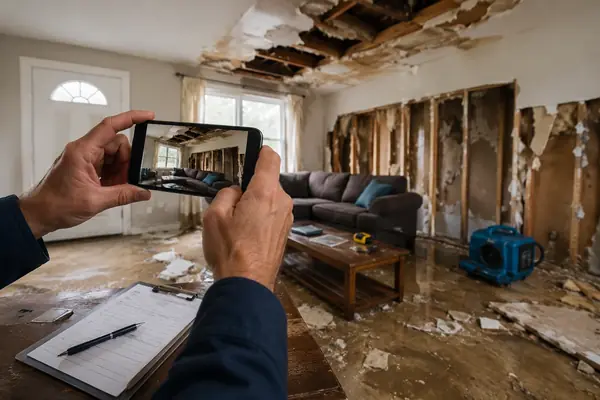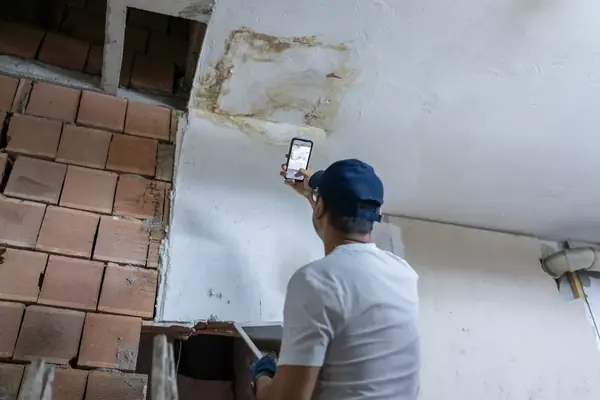
In College Station and Bryan, a large share of homes, duplexes and small complexes are rentals, many of them leased to students. That changes how a property claim works: the owner's policy covers the building, the tenant's renters policy (if they have one) covers their belongings, and neither policy covers the other's loss. We represent property owners and investors on the building side of the claim, and we can explain to tenants how their own coverage fits in.
We're based in Belton and travel to the Brazos Valley to inspect property.
Who files what
| Damage | Usually claimed under | Filed by |
|---|---|---|
| Roof, siding, windows, walls, flooring, built-in appliances | Owner's landlord or dwelling policy | Owner |
| Rent lost while the unit can't be lived in | Owner's policy, if it includes fair rental value or loss-of-rents coverage | Owner |
| Tenant's furniture, clothing, electronics, bikes | Tenant's renters policy | Tenant |
| Tenant's hotel or temporary housing | Tenant's renters policy (additional living expense) | Tenant |
| Owner-supplied furnishings in a furnished rental | Owner's policy, if it covers landlord's personal property | Owner |
A common mistake: tenants assume the landlord's insurance will replace their laptop, and landlords assume the tenant's policy will cover a ceiling that fell on that laptop. Sort it out early, and get each claim reported to the right carrier.
Landlord policies are not homeowners policies
If you own a rental, your policy is likely a landlord or dwelling policy, not a standard homeowners policy. The differences show up during a claim:
Things to check on a landlord policy
- Whether the policy covers named perils only or is open-peril
- Whether the building is paid at replacement cost or actual cash value
- Whether it includes fair rental value (lost rent) coverage, and for how long
- Vacancy or unoccupancy conditions
- The wind and hail deductible, often a percentage of dwelling coverage
What a renter should check
- Personal property limit and whether it pays replacement cost
- Additional living expense coverage
- Special limits on electronics, bikes, jewelry and cash
- The deductible
- Whether a roommate is a named insured on the same policy
Hail and thunderstorms in the Brazos Valley
The Brazos Valley gets severe spring thunderstorms with hail and straight-line wind. On rental properties, the damage often goes unnoticed for a while. Tenants don't climb on the roof, and they may not report a small ceiling stain until it spreads. By the time the owner hears about it, the carrier may question when the damage happened.
What helps an owner prove the claim:
- Move-in and move-out inspection photos showing the condition of ceilings and walls
- Roof photos from a recent inspection, purchase or refinance
- Tenant maintenance requests showing when a leak was first reported
- The storm date, checked against NOAA storm reports for your address
- Dents on gutters, vents, AC fins and window screens from the same storm
Our guide to how to document damage for your claim covers what photos carriers expect.
Storm damage or tenant damage?
Carriers sometimes attribute broken windows, damaged doors or stained ceilings to tenant wear rather than the storm. Landlord policies generally don't cover damage caused by tenants' neglect, so the distinction matters. Your move-in photos and the date of the tenant's first maintenance request are the best answer. Rooftop and ground-level AC condensers are another frequent item on rental claims: hail flattens the fins, and the estimate should address the unit, not just the roof above it.
Vacancy and the gap between leases
College Station rentals often turn over in late spring and summer, and a unit may sit empty between leases. Many landlord policies restrict coverage for certain losses, such as vandalism, glass breakage or freeze damage, after a property has been vacant or unoccupied for a period set in the policy. Read your policy's vacancy condition, keep utilities on, keep heat set during freezes, and check on empty units after every storm.
Investors with several properties
When one storm damages several rentals, each address is usually a separate claim with its own deductible, and they may be with different carriers. We inspect each property, write a separate Xactimate estimate for each, and track the claims side by side so deadlines don't slip on any of them. For larger multifamily buildings, see our page on apartment complex claims.
After a storm at a Bryan or College Station rental
- Contact the tenant. Ask for photos of every leak, broken window and damaged item, with the date and time.
- Inspect or send someone. Photograph the roof, exterior and every affected room yourself.
- Protect the unit. Tarp and dry it out; keep invoices for emergency work.
- Report to your carrier and tell the tenant to report to theirs. Give the tenant your claim number so the two adjusters can coordinate.
- Track lost rent. If the unit is uninhabitable, keep the lease, rent roll and dates the unit was out of service.
Tenants listing what they lost can use our contents inventory builder to make a room-by-room list for their renters claim.
Free toolContents inventory builderBuild a room-by-room list of damaged belongings with ages and prices, then export it as a spreadsheet.We charge owners a percentage of the claim payment, capped at 10% by Texas law, and nothing upfront. See our roof and hail damage claims and water damage claims services.
Communities covered from this page
Don't see your town? We serve every Texas county. Ask us about your property.
Frequently asked questions
Does my landlord's insurance cover my belongings after a storm?
Generally no. The landlord's policy covers the building. Your furniture, clothes and electronics are covered only if you have your own renters policy.
Can a landlord claim lost rent after storm damage?
Yes, if the policy includes fair rental value or loss-of-rents coverage. Keep the lease and the dates the unit could not be lived in.
My rental was empty when the pipes froze. Is it covered?
It depends on the policy's vacancy and freeze conditions. Many landlord policies limit freeze coverage if heat was not maintained or the property was vacant beyond a set period, so read those sections first.
I own several rentals hit by the same hailstorm. Is that one claim or several?
Usually each property is a separate claim with its own deductible, even with the same carrier. We handle each one separately and keep the deadlines on track.