Serving homeowners and commercial property owners across Texas.
Call a Professional NOW!
Licensed Texas Public Adjuster

Public Adjuster Beeville, TX

Roof

Hail, wind, leaks, matching disputes

Water

Burst pipes, mitigation, interior loss

Fire

Smoke, contents, structure, ALE

Storm

Hurricane, tornado, wind-driven rain

Free Texas Claim Review

Tell us what happened. We will help you understand whether the carrier’s estimate, denial, delay, or payment deserves a second look.

Fast response during business hours. No obligation.
Licensed Public Adjuster
Roof Claims
Hail Claims
Fire Claims
Storm Claims
Commercial Claims
Table of Contents

Property damage in Beeville can develop quickly and spread farther than it first appears. A severe thunderstorm may leave visible roof damage while also allowing water into decking, insulation, ceilings, and electrical components. A plumbing failure can affect flooring and wall cavities before the source is discovered. Fire and smoke losses may involve the structure, personal property, cleanup costs, and temporary living expenses.

When the insurance company’s estimate does not reflect the complete loss, a public adjuster in Beeville can provide independent help.

TX Public Adjusting represents homeowners, landlords, business owners, churches, agricultural property owners, and other policyholders—not insurance companies. We inspect the property, document the damage, review the policy and carrier estimate, prepare a detailed claim presentation, and negotiate for a settlement supported by the available coverage and evidence.

TX Public Adjusting is operated by Rise Public Adjusting LLC, Texas License #3356839.

Request a Free Claim Review

If your Beeville property claim was delayed, denied, underpaid, or scoped too narrowly, contact TX Public Adjusting. There are no upfront fees, and the initial claim review is free.

Insurance Claim Help for Beeville Property Owners

Beeville is the county seat of Bee County and a central service and commercial hub for surrounding South Texas communities. The city sits in the Coastal Bend region and serves as a gateway between the Gulf Coast and the South Texas Brush Country.

That location creates a distinctive property-risk profile. Beeville is inland, but it can still experience the effects of tropical systems moving across South Texas. The area is also exposed to strong thunderstorms, large hail, damaging wind, intense rain, flash flooding, lightning, and occasional tornado activity.

NOAA storm records document golf-ball-sized hail on the southwest side of Beeville. Other recorded South Texas weather episodes have produced flash flooding in the city, including high-water conditions near Poesta Creek that required emergency response.

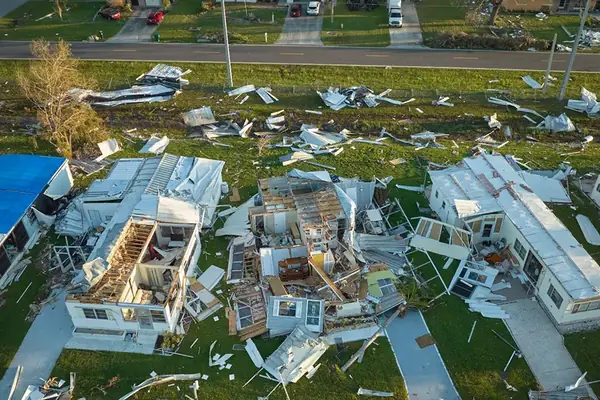
These events can create complicated insurance claims involving more than one part of a property. A storm may damage:

  • Asphalt shingles, tile, metal panels, or low-slope roofing
  • Gutters, vents, flashing, fascia, and exterior trim
  • Windows, screens, doors, siding, and fencing
  • Ceilings, insulation, drywall, flooring, and interior finishes
  • Detached garages, sheds, barns, signs, and exterior equipment
  • Commercial inventory, machinery, furnishings, and electrical systems

A carrier inspection may identify the most obvious damage without including every related repair. Our job is to evaluate the complete loss and present the claim from the policyholder’s side.

Why Property Owners Hire a Public Adjuster in Beeville

That distinction matters when the scope of damage, repair method, pricing, depreciation, or coverage becomes disputed. Property owners who want to understand the difference can review our guide to a public adjuster vs. independent adjuster. Beeville property owners often contact TX Public Adjusting after receiving an estimate that does not appear sufficient to complete proper repairs. 

That distinction matters when the scope of damage, repair method, pricing, depreciation, or coverage becomes disputed. Beeville property owners often contact TX Public Adjusting after receiving an estimate that does not appear sufficient to complete proper repairs.

Common reasons to hire a public insurance adjuster in Beeville include:

  • The insurer’s payment is substantially below contractor estimates
  • Roof damage was classified as repairable instead of requiring a broader replacement scope
  • Interior water damage was omitted from a storm estimate
  • The carrier attributed damage to wear, deterioration, or maintenance
  • Building code-related work was not addressed
  • Contents or equipment were undervalued
  • The claim has stalled with repeated requests for information
  • A supplement was rejected or only partially approved
  • The policyholder does not have time to manage inspections, documents, and negotiations
  • A commercial loss involves business interruption or multiple damaged systems

Our team has reviewed thousands of residential and commercial property claims. That experience helps us recognize common estimate gaps, documentation problems, and claim-handling issues before they become harder to correct.

Property Risks Across Beeville

Beeville is not a collection of identical properties. Claim conditions vary across the city.

Older homes and commercial buildings around historic Downtown Beeville may involve aged roofing assemblies, layered repairs, plaster, older electrical components, or materials that are difficult to match. Properties near the North Washington Street and North Saint Mary’s Street corridors may combine residential, retail, office, institutional, and light-commercial exposures.

Homes around Poesta Creek and lower-lying drainage areas can face concerns after intense rainfall. Neighborhoods near Coastal Bend College, the eastern and western residential sections of the city, and properties along the approaches to U.S. Highway 181 may experience different wind exposure, drainage, roofing, and access conditions.

Recognizable local places such as the historic downtown district, Bee County Courthouse, Joe Barnhart Bee County Library, McClanahan House, and Coastal Bend College help define Beeville’s community. The city’s downtown has also received state and national Main Street recognition.

For a property claim, local construction differences matter. A one-story shingle home, a metal-roof ranch property, a downtown commercial building, and a large institutional facility cannot be documented with the same assumptions.

Common Insurance Claims in Beeville

Hail Damage Claims

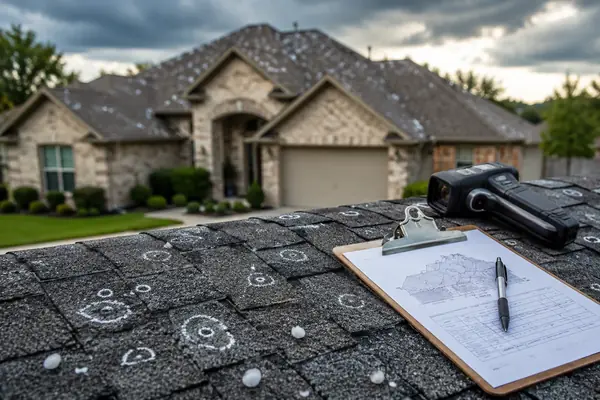
Hail can bruise asphalt shingles, fracture protective surfaces, dent metal roofing, damage vents and flashing, break window components, and mark gutters, siding, fencing, and exterior equipment.

Our guide to hail damage insurance claims explains how hail losses are documented and why roof, exterior, and interior damage should be evaluated together. 

Some hail damage is easy to see. Other damage requires a close inspection of the roofing surface and collateral components. A few photographs of obvious impacts may not establish the full extent of the loss.

For Beeville hail damage claims, we evaluate:

  • Roofing material and impact patterns
  • Soft-metal damage to vents, flashing, gutters, and accessories
  • Siding, windows, screens, doors, and exterior finishes
  • Interior staining or moisture associated with roof openings
  • Repairability and material matching
  • Contractor estimates and carrier scope differences
  • Depreciation and recoverable depreciation calculations

Wind and Storm Damage Claims

Strong straight-line wind can lift shingles, loosen roof edges, damage flashing, break tree limbs, move exterior structures, and allow wind-driven rain into the building.

After a Beeville storm, damage may appear minor from the ground. Lifted or creased shingles, displaced metal panels, punctured membranes, and compromised roof transitions may be missed unless the roof and interior are inspected carefully.

Storm claims can also involve fences, signs, awnings, detached structures, HVAC components, and debris impact.

Water Damage Claims

Water losses may result from:

  • Broken plumbing lines
  • Appliance or water-heater failures
  • Roof leaks
  • Wind-driven rain
  • Drain or sewer backups
  • Overflowing fixtures
  • Air-conditioning drain failures
  • Fire-suppression activities

Communication with the carrier can become difficult when the parties disagree about the source, extent, or necessary drying and repairs. Property owners can learn more about dealing with an insurance adjuster after water damage before accepting a limited scope. Water rarely stays in one visible location. It can travel behind cabinets, under flooring, through insulation, and into wall cavities. The drying and repair scope may need to address demolition, moisture testing, antimicrobial treatment, insulation, drywall, paint, trim, flooring, cabinetry, and related labor.

Coverage depends on the cause of loss and policy language. We document the conditions and help the policyholder understand how the carrier has applied the policy.

Fire and Smoke Damage Claims

A fire claim can include direct burn damage, heat damage, smoke residue, soot, odor, water from firefighting efforts, damaged contents, debris removal, and temporary living or business expenses. A fire insurance adjuster working for the policyholder can help organize structural damage, contents, smoke cleanup, debris removal, and related expenses into a documented claim. 

Smoke can migrate well beyond the room where the fire began. Porous materials, HVAC systems, attic insulation, fabrics, cabinetry, and electronics may require specialized evaluation.

TX Public Adjusting helps organize the different parts of a Beeville fire claim so the structure, contents, cleanup, and related expenses are not treated as one simple repair item.

Roof Damage Claims

Hiring a public adjuster for a roof claim may be helpful when the carrier and contractor disagree about repairability, material matching, storm causation, or the number of affected slopes. 

Roof claims are frequently disputed because the parties may disagree over:

  • The cause and date of damage
  • The number of damaged slopes
  • Whether spot repairs are technically reasonable
  • Matching shingles, panels, tiles, or coatings
  • Underlayment and decking repairs
  • Flashing, vents, edge metal, and accessories
  • Steep or high-access charges
  • Code-required work
  • Contractor overhead and profit
  • Depreciation

We compare the insurer’s estimate with observed conditions, measurements, contractor information, and the repairs reasonably associated with the covered loss.

Commercial Property Claims

Beeville businesses may face property damage to retail buildings, restaurants, medical offices, warehouses, churches, apartment properties, offices, agricultural facilities, and institutional buildings.

Our team assists with commercial property claims involving building damage, inventory, equipment, tenant improvements, business interruption, and other covered commercial losses. 

Commercial claims often involve more than the building itself. They may include:

  • Inventory and stock
  • Furniture, fixtures, and equipment
  • Machinery
  • Signs and exterior features
  • Tenant improvements
  • Electronic systems
  • Extra expenses
  • Business interruption
  • Loss of income
  • Multiple buildings or coverage categories

A commercial public adjuster in Beeville can coordinate the documentation and communication needed to keep a large claim organized.

Beeville Storm Risks and Their Claim Implications

Beeville Storm Risks and Their Claim Implications
Weather riskPossible property damageCommon claim concern
Large hailShingles, metal roofs, vents, gutters, siding and windowsDamage limited to a few components or slopes
Damaging windLifted roofing, broken trees, fencing and wind-driven rainInterior damage separated from the storm event
Heavy rainRoof intrusion, drainage overflow and interior water damageCause of loss or water pathway disputed
Flash floodingWater entry, flooring, drywall, equipment and contentsFlood exclusions or separate policy questions
Tropical systemsWind, rain, debris impact and extended power lossMultiple causes and deductibles evaluated separately
LightningElectrical systems, appliances, HVAC and fire damageSurge or equipment damage insufficiently documented
Tornado activityStructural, roof, window and debris-impact damageEmergency repairs performed before full documentation

The National Weather Service office serving the Beeville area regularly monitors South Texas for severe thunderstorms capable of hail, damaging winds, tornadoes, and heavy rainfall. When a tropical system affects South Texas, our Texas hurricane property damage guide provides additional information about roof damage, water intrusion, broken openings, equipment losses, and other hurricane-related claim issues. 

Flood damage also deserves careful attention. Standard residential property insurance and separate flood insurance are not interchangeable. Texas policyholders should review the actual policy and cause of water entry rather than assuming every water loss is handled under the same coverage.

Why Insurance Claims Become Underpaid

Many underpaid claims begin with avoidable documentation, communication, or scope problems. Reviewing these common property insurance claim mistakes can help a policyholder understand where a claim may have gone off track. 

An underpaid claim is not always caused by one dramatic mistake. It often results from several smaller omissions.

Missed or Hidden Damage

The carrier may document visible roof impacts but miss wet insulation, decking damage, ceiling staining, damaged flashing, or water behind interior finishes.

Scope Omissions

An estimate may include a roofing material but omit removal, disposal, accessories, underlayment, starter components, flashing, labor, access charges, or required interior repairs.

Depreciation Issues

Depreciation can significantly reduce the initial payment. Policyholders may also be unclear about what depreciation is recoverable and what documentation must be submitted after repairs.

Low Estimates

Carrier pricing, measurements, labor assumptions, material selection, or repair methodology may differ from what qualified contractors identify at the property.

Documentation Problems

A claim may weaken when photographs are incomplete, damaged contents are not inventoried, emergency invoices are missing, or temporary repairs are performed without preserving evidence.

Cause-of-Loss Disputes

The insurer may attribute damage to age, wear, installation problems, deterioration, or long-term leakage instead of the reported storm or accidental event.

TX Public Adjusting reviews the estimate and claim file to identify where the carrier’s position differs from the documented loss.

Our Public Adjusting Process

1. Claim Review

We begin by discussing what happened, when the damage was discovered, what the insurer has done, and what concerns you have about the claim.

We review available materials such as:

  • The insurance policy
  • Carrier correspondence
  • Estimates and payment letters
  • Photographs and videos
  • Contractor proposals
  • Mitigation invoices
  • Engineering or inspection reports

2. Property Inspection

We inspect the damaged property and identify the areas requiring documentation. The inspection is tailored to the type of building and reported loss.

3. Damage Documentation

We develop an organized record of the claim. Depending on the loss, this may include photographs, measurements, inventories, estimates, invoices, and supporting reports.

4. Scope and Estimate Review

We compare the insurer’s scope with the observed damage and determine which items may be missing, undervalued, or described incorrectly.

5. Claim Presentation and Negotiation

We communicate with the insurance company, submit supporting materials, respond to claim questions, and negotiate from the policyholder’s position.

6. Settlement and Claim Resolution

We help the property owner understand the settlement documents, depreciation issues, supplemental payments, and remaining claim requirements.

Concerned About a Low Beeville Insurance Estimate?

A short carrier estimate does not always represent the full repair scope. Request a free claim review from TX Public Adjusting before accepting the claim as complete.

Why Choose TX Public Adjusting

Licensed Texas Public Adjuster

TX Public Adjusting operates through Rise Public Adjusting LLC, Texas License #3356839.

Independent Policyholder Representation

We work for the homeowner or business owner. We do not work for the insurance carrier.

Texas-Focused Claim Experience

Texas property claims involve hail, wind, hurricanes, freezes, water losses, fire damage, roof disputes, and commercial losses. Our work is focused on the conditions and claim issues Texas policyholders encounter.

Residential and Commercial Experience

We assist with houses, rental properties, multifamily buildings, churches, retail properties, offices, warehouses, restaurants, and other commercial locations.

Detailed Claim Documentation

A successful claim presentation requires more than stating that the payment is too low. We identify the disputed scope and support the requested changes with organized evidence.

Free Claim Review

Property owners can speak with our team before deciding how to proceed. There are no upfront fees, and the initial review is free.

Areas We Serve Near Beeville

TX Public Adjusting assists property owners throughout Beeville and nearby Bee County communities, including:

  • Skidmore
  • Pettus
  • Pawnee
  • Tuleta
  • Tynan
  • Normanna
  • Mineral
  • Clareville
  • Blue Berry Hill
  • Berclair

We also serve policyholders in surrounding South Texas communities such as George West, Three Rivers, Kenedy, Karnes City, Mathis, Sinton, Refugio, and the greater Coastal Bend region.

Frequently Asked Questions

Frequently Asked Questions

What does a public adjuster in Beeville do?

A public adjuster represents the policyholder during a property insurance claim. The adjuster reviews the policy and carrier documents, inspects the property, prepares damage documentation, analyzes estimates, communicates with the insurance company, and negotiates disputed claim items.

Property owners who need a more detailed explanation can read our guide to what a public adjuster does. TX Public Adjusting works for Beeville homeowners and business owners—not the insurance company.

When should I hire a public adjuster after Beeville property damage?

You can hire a public adjuster early in the claim or after a problem develops. Early involvement can help preserve evidence and organize the loss before repairs begin.

You may also seek help after receiving a low estimate, partial denial, full denial, delayed response, or disputed supplement. Our guide explains when it is too late to hire a public adjuster and why policy deadlines should be reviewed promptly.

Can a public adjuster help with an underpaid roof claim?

Yes. Roof claims are a common reason Beeville property owners request assistance. We can inspect the property, compare the carrier estimate with the observed damage, review contractor information, and document omitted roofing or interior items.

The result depends on the policy, cause of loss, condition of the property, and available evidence. A free review can help determine whether the estimate warrants further action.

Does homeowners insurance cover hail damage in Beeville?

Many homeowners policies cover sudden hail damage, subject to the policy terms, exclusions, deductible, and proof of loss. Coverage should never be assumed without reviewing the specific policy.

Disputes often involve whether damage was caused by hail, whether it is cosmetic or functional, whether repairs are possible, and which parts of the roofing system were affected.

Can you help after wind-driven rain enters my house?

Potentially. Wind-driven rain claims may involve roof openings, lifted shingles, damaged flashing, broken windows, wall intrusion, insulation, ceilings, flooring, and hidden moisture.

Coverage depends on how the water entered and what caused the opening. We review the loss facts and policy documents before recommending a claim strategy.

Do you handle commercial claims in Beeville?

Yes. TX Public Adjusting handles residential and commercial property claims. Commercial losses may involve buildings, equipment, inventory, tenant improvements, extra expenses, and business interruption.

These claims frequently require coordination among owners, tenants, contractors, mitigation companies, accountants, and insurance representatives.

What if my insurance company says the damage is old?

Age alone does not answer what caused the reported damage. The relevant questions include what changed during the loss event, what physical evidence exists, and how the policy applies.

We review photographs, weather information, inspection findings, maintenance history, prior claims, and available reports to evaluate the carrier’s position.

Can I hire a public adjuster after receiving an insurance payment?

Receiving a payment does not necessarily mean the claim is closed or that no additional benefits are available. Many policies allow supplemental documentation when covered damage or repair costs were omitted.

Deadlines and policy conditions still apply. Have the claim reviewed promptly rather than assuming an initial payment is final.

How much does a public adjuster cost in Texas?

Public adjusters commonly work under a written contingency-fee agreement, meaning the fee is tied to the insurance recovery described in the contract. Texas law and the engagement agreement govern how the fee is structured.

TX Public Adjusting provides a free initial claim review and explains the fee terms before representation begins. There are no upfront fees.

How long does a Beeville property claim take?

The timeline depends on the extent of damage, carrier responsiveness, inspection scheduling, documentation, coverage questions, and whether experts or contractors are involved. Texas policyholders who are waiting for a response can also review how long an insurance adjuster has to contact you after a claim is filed.

A straightforward claim may move faster than a large fire, commercial, or disputed storm loss. Our role is to keep the claim organized, respond to requests, and press for progress supported by the policy and documentation.

Get a Free Beeville Insurance Claim Review

You paid for property insurance to protect your home, business, rental property, or organization. When damage occurs, you should not have to rely solely on an estimate prepared for the insurance company.

TX Public Adjusting gives Beeville property owners independent representation.

We help with:

  • Hail and wind damage
  • Roof insurance claims
  • Water losses
  • Fire and smoke damage
  • Storm-related property damage
  • Underpaid or denied claims
  • Residential claims
  • Commercial property claims

Contact TX Public Adjusting for a Free Claim Review.

Rise Public Adjusting LLC
Texas License #3356839
No upfront fees
Residential and commercial claims

Learn More About Public Adjusting Services