When your home or commercial property suffers damage, the insurance claim process can quickly become just as stressful as the loss itself. If you’re searching for a Public Adjuster in Allen, TX, you’re likely dealing with hail damage, roof leaks, water intrusion, fire damage, or another unexpected event that has disrupted your life or business. While insurance policies are designed to provide financial protection, many property owners discover that preparing, documenting, and negotiating a claim is far more complicated than expected.
At TX Public Adjusting, a division of Rise Public Adjusting LLC, we represent property owners—not insurance companies. As a licensed Texas public adjusting firm (Texas Public Adjuster License #3356839), we help homeowners, business owners, property managers, HOAs, churches, and commercial property owners pursue fair insurance settlements after covered property losses.
Whether your property is located near Watters Creek, Twin Creeks, StarCreek, Allen Premium Outlets, or throughout the City of Allen, our team understands the weather events and property damage challenges common to Collin County. We’ve reviewed thousands of residential and commercial property claims across Texas and know how overlooked damage, incomplete estimates, and documentation gaps can affect settlements.
Free Claim Review. No upfront fees. If you’ve experienced property damage in Allen, let us review your claim before accepting a settlement.
Why Property Owners Hire a Public Adjuster in Allen
Allen has experienced remarkable growth over the past two decades. Modern master-planned communities sit alongside established neighborhoods, thriving retail centers, schools, medical facilities, churches, and expanding commercial developments. This diverse property landscape means insurance claims can range from straightforward roof damage to highly complex commercial losses.
North Texas weather is often unpredictable. Spring and early summer frequently bring severe thunderstorms capable of producing:
- Large hail
- Straight-line winds
- Tornadic activity
- Heavy rainfall
- Flash flooding
- Lightning strikes
These storms may damage roofing systems, siding, gutters, windows, HVAC equipment, fencing, exterior finishes, and interior building components. Water entering through storm-created openings can continue causing hidden damage long after the weather clears.
Many Allen property owners initially assume the insurance company’s estimate reflects the full extent of covered damage. Unfortunately, that isn’t always the case.
A public adjuster works exclusively for the policyholder by:
- Reviewing insurance policy coverage
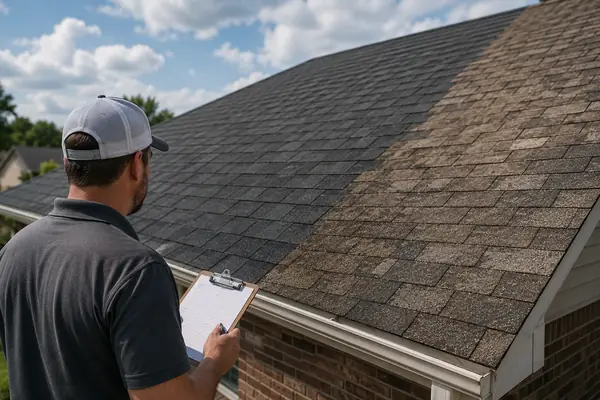
- Conducting an independent damage inspection
- Documenting visible and hidden losses
- Preparing detailed claim documentation
- Reviewing repair scopes
- Negotiating directly with the insurance carrier
- Helping maximize covered benefits under the policy
If you’re still deciding whether professional representation makes sense, this guide explains whether you should use a public adjuster and the situations where hiring one may be beneficial. Unlike insurance company adjusters, our responsibility is to protect your interests throughout the claims process. If you’re unfamiliar with the claims process, here’s a complete guide explaining what a public adjuster is and how they represent policyholders.
Common Insurance Claims in Allen, TX
Allen experiences a wide variety of property losses throughout the year. Because of its location in North Texas, weather-related claims remain among the most common.
Hail Damage Claims
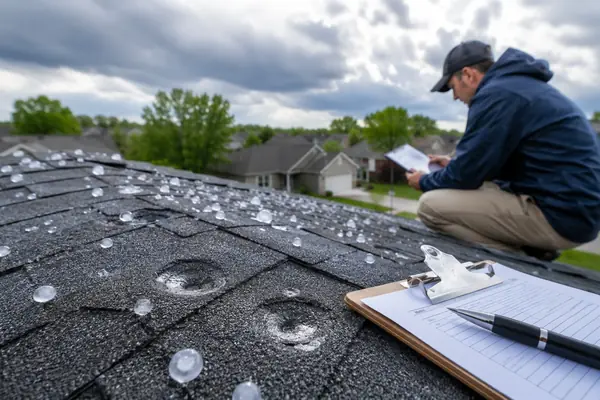
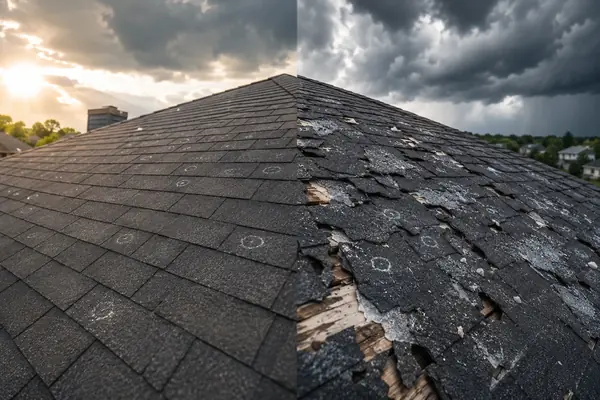
Hail is one of the leading causes of insurance claims throughout Collin County. North Texas experiences some of the country’s most active hail seasons, and even relatively small hailstones can cause significant roof damage. Learn more about the insurance process for hail damage insurance claims before filing or settling your claim.
Even moderate hailstorms may cause:
- Bruised asphalt shingles
- Damaged flashing
- Cracked skylights
- Broken windows
- Dented metal roofing
- Damaged gutters
- HVAC fin damage
- Exterior paint damage
If your roof has been impacted, our guide to a hail damage roof insurance claim explains what adjusters look for and how homeowners can properly document storm damage.
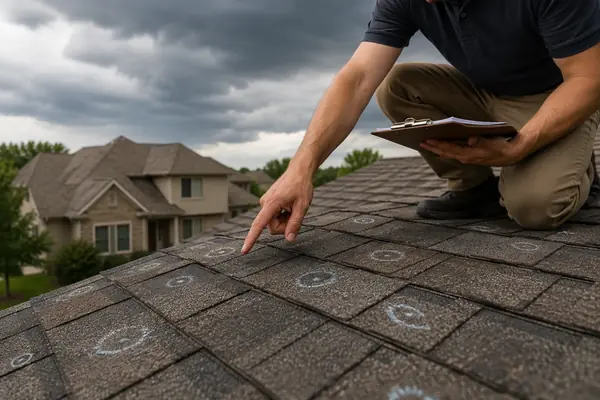
Some hail damage isn’t immediately visible from the ground. Roof systems may continue deteriorating months after a storm, making early professional inspection especially valuable. Taking clear photographs and documenting damage as soon as possible can make a significant difference during negotiations. Here’s how to document hail damage for an insurance claim effectively.
We carefully document every component affected by hail, ensuring nothing significant is overlooked.
Roof Damage Claims
Roof damage often involves much more than missing shingles.
A comprehensive inspection may identify:
- Underlayment damage
- Flashing failures
- Ridge vent damage
- Decking concerns
- Water infiltration
- Structural moisture
- Vent penetration damage
- Chimney flashing failures
Many roofing claims become underpaid because the original inspection focuses only on obvious exterior damage while missing secondary issues. If your insurance company questions the extent of your roof damage or offers an estimate that seems too low, learn how a public adjuster for a roof claim can help support your case.
Water Damage Claims
Water losses occur for many reasons beyond storms.
Common causes include:
- Burst supply lines
- Frozen pipes during winter freezes
- Appliance failures
- Water heater leaks
- Slab leaks
- Overflow incidents
- Roof leaks
- Plumbing failures
Water losses can become much more expensive if hidden moisture isn’t identified early. Working with a water damage public adjuster can help ensure the full extent of covered damage is properly documented. Water can migrate behind walls, beneath flooring, into insulation, and throughout structural framing. Proper moisture documentation often plays a major role in determining claim value.
Fire and Smoke Damage Claims
Fire losses extend well beyond burned materials.
A complete claim may include:
- Structural damage
- Smoke contamination
- Soot residue
- HVAC cleaning
- Electrical inspection
- Odor remediation
- Contents inventory
- Temporary housing expenses
- Debris removal
Fire claims often involve multiple specialists, making documentation especially important. Fire claims often involve structural repairs, smoke contamination, and extensive documentation. An experienced fire insurance adjuster can help organize and negotiate these complex losses.
Storm Damage Claims
North Texas storms frequently produce multiple forms of damage during a single weather event.
These may include:
- Wind damage
- Fallen trees
- Fence damage
- Broken windows
- Water intrusion
- Exterior siding damage
- Garage door damage
- Detached structures
- Outdoor equipment damage
Each damaged component should be properly evaluated before settlement.
Commercial Property Claims
Allen’s growing business community includes:
- Retail centers
- Medical offices
- Restaurants
- Churches
- Warehouses
- Office buildings
- Industrial facilities
- Apartment communities
- Professional offices
Commercial claims frequently involve:
- Business interruption
- Equipment losses
- Tenant improvements
- Inventory damage
- Roof systems
- Mechanical systems
- Water mitigation
- Code upgrades
These claims often require extensive documentation and careful review of policy provisions.
Why Insurance Claims Become Underpaid
Most underpaid claims are not the result of bad faith—they’re often the result of incomplete documentation, limited inspections, or differences in estimating methodology.
Common reasons include:
Missed Damage
Some property damage simply isn’t visible during a brief inspection.
Examples include:
- Moisture behind drywall
- Roof underlayment damage
- Structural movement
- Insulation damage
- Hidden mold growth
- Interior ceiling damage
Without proper documentation, these items may never appear in the insurance estimate.
Scope Omissions
A claim estimate may include replacing damaged shingles but omit:
- Flashing
- Starter courses
- Ridge caps
- Gutters
- Interior painting
- Matching materials
- HVAC components
- Code-required work
Small omissions can significantly reduce the overall settlement.
Depreciation Issues
Insurance carriers commonly apply depreciation based on policy terms.
However, depreciation should be applied correctly and consistently.
Improper depreciation calculations can reduce recoverable claim payments.
Low Repair Estimates
Construction costs continue changing throughout Texas.
If pricing doesn’t reflect current labor or material costs in the Allen area, repair estimates may fall short of actual rebuilding expenses.
Documentation Problems
Insurance companies evaluate evidence.
Insufficient:
- Photographs
- Moisture readings
- Expert reports
- Contractor documentation
- Contents inventories
- Repair estimates
can all affect claim outcomes.
Proper documentation often makes the difference between a straightforward claim and one requiring additional negotiation.
Our Public Adjusting Process
Every property loss is different, but our approach follows a structured process designed to present a well-supported insurance claim.
Step 1 – Initial Claim Review
We begin by understanding:
- The cause of loss
- Claim status
- Policy information
- Existing estimates
- Inspection history
- Repair concerns
This allows us to identify potential issues early.
Step 2 – Comprehensive Property Inspection
Our inspection goes far beyond a quick visual walkthrough.
We evaluate:
- Roofing systems
- Interior finishes
- Structural components
- Exterior elevations
- Mechanical equipment
- Moisture concerns
- Commercial building systems when applicable
The goal is to identify the full scope of covered damage.
Step 3 – Detailed Documentation
Accurate documentation forms the foundation of a successful insurance claim.
We assemble:
- High-resolution photographs
- Damage inventories
- Measurement reports
- Repair scopes
- Supporting documentation
- Policy analysis
Everything is organized to clearly demonstrate the extent of the loss. You can also learn more about public adjuster fees and how contingency-based representation works before making your decision.
Step 4 – Claim Preparation and Negotiation
Once the claim is fully documented, we communicate directly with the insurance carrier.
Our role includes:
- Answering carrier questions
- Reviewing estimates
- Identifying missing items
- Negotiating scope differences
- Supporting covered damages with evidence
Rather than relying on assumptions, negotiations are based on documentation, policy language, and detailed property inspections.
Step 5 – Settlement Support
Even after negotiations, questions often arise regarding supplements, additional damage discovered during repairs, or clarification of policy benefits.
We continue assisting throughout the process to help ensure the claim moves toward a fair resolution. Curious about what happens behind the scenes? Learn how public adjusters work throughout the insurance claim process.
Why Choose TX Public Adjusting for Your Allen Insurance Claim

Choosing a public adjuster is an important decision after property damage. The firm you hire should have the experience, technical knowledge, and commitment to represent your interests throughout the claim—not the insurance company’s.
At TX Public Adjusting, we exclusively represent policyholders across Texas. As Rise Public Adjusting LLC, Texas Public Adjuster License #3356839, we provide independent claim representation for both residential and commercial property owners.
Texas-Focused Experience
Texas property claims are different from those in many other states. From North Texas hailstorms to Gulf Coast hurricanes and Central Texas wind events, every region presents unique claim challenges.
Allen property owners frequently experience:
- Severe hailstorms
- High wind events
- Roof failures
- Interior water damage
- Frozen pipe losses
- Lightning-related electrical damage
- Commercial storm losses
Our experience reviewing thousands of property claims throughout Texas allows us to recognize damage patterns that are commonly overlooked during initial inspections.
We Work for You—Not the Insurance Company
Insurance companies may use staff adjusters or independent adjusters to evaluate claims. Understanding the difference between a public adjuster and an independent adjuster can help you make informed decisions during your claim. Those adjusters represent the insurance carrier.
A licensed public adjuster represents the policyholder.
Our responsibility is to:
- Review your policy
- Evaluate the full extent of covered damage
- Prepare detailed documentation
- Communicate directly with the carrier
- Negotiate based on evidence and policy language
- Help pursue the benefits available under your insurance policy
Residential and Commercial Expertise
We assist owners of:
- Single-family homes
- Luxury residences
- Condominiums
- Townhomes
- Apartment communities
- Retail centers
- Churches
- Medical offices
- Restaurants
- Office buildings
- Industrial properties
- Warehouses
- Multi-family developments
Commercial insurance claims often involve additional policy provisions, business interruption, code upgrades, equipment losses, and tenant improvements. Our team understands how these complex claims are assembled and negotiated.
Independent Documentation Makes a Difference
Many insurance claims depend on documentation.
Our claim preparation process includes:
- Detailed inspections
- Comprehensive photo documentation
- Scope review
- Policy analysis
- Damage inventories
- Repair estimate evaluation
- Ongoing communication throughout negotiations
Rather than relying solely on the carrier’s inspection, we prepare an independent assessment designed to support your claim with clear evidence.
Areas We Serve Near Allen

Although this page focuses on Allen, TX Public Adjusting serves property owners throughout Collin County, Dallas County, and surrounding North Texas communities.
Nearby service areas include:
- McKinney
- Plano
- Frisco
- Fairview
- Lucas
- Parker
- Murphy
- Wylie
- Richardson
- Garland
- Sachse
- Prosper
- Celina
- Anna
- Melissa
Whether your property is near Watters Creek, Allen Premium Outlets, Celebration Park, Twin Creeks Golf Club, or in neighborhoods such as Twin Creeks, StarCreek, Watters Crossing, Montgomery Farm, Cumberland Crossing, or Beacon Hill, our team is available to assist with residential and commercial property insurance claims.
Frequently Asked Questions
1. What does a public adjuster do?
A public adjuster represents property owners during insurance claims. Unlike insurance company adjusters, a public adjuster works exclusively for the policyholder by documenting damage, reviewing policy coverage, preparing the claim, and negotiating with the insurance carrier.
Our goal is to help ensure your claim reflects the full scope of covered damage supported by documentation.
2. Should I hire a public adjuster before accepting the insurance company’s offer?
Many property owners contact a public adjuster after receiving an estimate they believe is too low. However, involving a public adjuster earlier in the process can help identify overlooked damage before claim decisions are finalized.
If you’ve already received an estimate, we can review it alongside your policy and property damage.
3. How much does a public adjuster cost?
Most public adjusters work on a contingency fee basis, meaning payment is generally tied to the claim outcome rather than requiring upfront fees.
During your free claim review, we’ll explain how our fee structure works and answer any questions before you make a decision.
4. Can you help with denied insurance claims?
Yes. A denial doesn’t necessarily mean every option has been exhausted.
Depending on the facts of the loss, additional documentation, expert evaluation, or policy review may identify opportunities to revisit aspects of the claim.
Every situation is unique, so we begin with a detailed review If your carrier has denied coverage after a storm, our guide explains what to do if your hail claim was denied and the options that may still be available.
5. Do you handle commercial insurance claims in Allen?
Yes.
We represent owners of commercial buildings, office properties, retail centers, apartment complexes, warehouses, churches, industrial facilities, and other commercial properties throughout Allen and surrounding communities.
Commercial claims often require extensive documentation and coordination with multiple stakeholders.
6. What types of property damage do you handle?
We assist with many covered property losses, including:
- Hail damage
- Wind damage
- Roof damage
- Water damage
- Fire and smoke damage
- Storm damage
- Lightning damage
- Pipe bursts
- Commercial property losses
Each claim is evaluated individually based on the policy and cause of loss.
7. How long does an insurance claim usually take?
Every claim is different.
Simple residential claims may move relatively quickly, while larger residential or commercial losses often require multiple inspections, supplemental estimates, and extended negotiations.
Our role is to help keep the claim organized and moving forward while advocating for a fair evaluation. Texas policyholders often ask how long an insurance adjuster has to contact you after a claim is filed, and understanding the timeline can help set expectations.
8. Can hidden damage affect my insurance settlement?
Yes.
Storms and water events frequently cause damage that isn’t immediately visible, such as moisture behind walls, insulation damage, roof underlayment issues, or compromised structural components.
Thorough inspections and documentation help identify these conditions before repairs begin.
9. Why are Allen homes especially vulnerable to hail damage?
Allen sits within one of the most active hail corridors in North Texas. Seasonal supercell thunderstorms regularly produce large hail capable of damaging roofing systems, siding, windows, gutters, skylights, fencing, and HVAC equipment.
Even if damage appears minor, a professional inspection can identify issues that may not be visible from the ground.
10. Why choose TX Public Adjusting?
Property owners choose TX Public Adjusting because we provide independent representation backed by experience handling residential and commercial property claims throughout Texas.
As Rise Public Adjusting LLC, Texas License #3356839, we work solely for policyholders—not insurance companies—and strive to help clients pursue the full benefits available under their policies.
Get a Free Insurance Claim Review in Allen, TX
Property damage can leave you with difficult decisions and unexpected expenses. Before accepting a settlement or beginning major repairs, it’s worth having your claim reviewed by an experienced Texas public adjuster.
Whether you’re dealing with hail damage after a North Texas storm, a roof leak following high winds, water damage from a burst pipe, or a complex commercial property loss, TX Public Adjusting is here to help. Many Allen property owners assume they waited too long to seek help. In many situations, you can still hire a public adjuster after filing a claim. Learn when it’s too late to hire a public adjuster before accepting a final settlement.
Our team will:
- Review your insurance policy
- Inspect the property
- Document covered damage
- Evaluate repair estimates
- Negotiate directly with the insurance company
- Help pursue a fair settlement based on the terms of your policy
Contact TX Public Adjusting today for your free claim review. There are no upfront fees, and we’re ready to assist residential and commercial property owners throughout Allen and the surrounding North Texas communities.