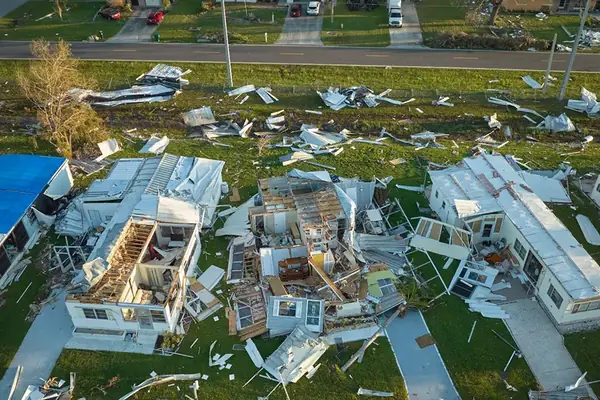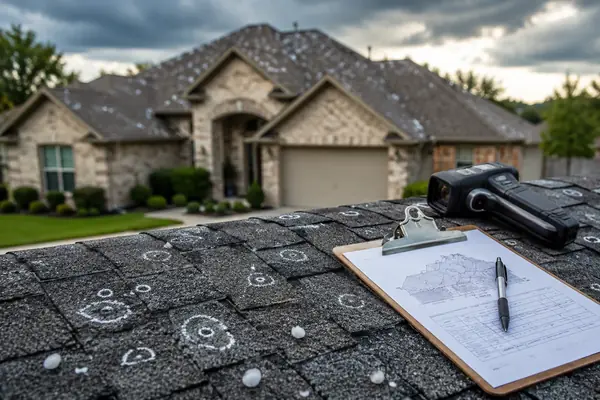
Property damage in Alice can move from manageable to overwhelming in a matter of minutes. A severe South Texas thunderstorm can tear shingles from a roof, drive rain through damaged flashing, break windows, damage commercial equipment, and leave entire sections of a property without power. When the insurance company’s estimate does not account for the full scope of the loss, a licensed public adjuster in Alice, TX can help protect the policyholder’s interests.
TX Public Adjusting represents residential and commercial property owners—not insurance companies. Our team reviews policies, inspects damage, prepares detailed claim documentation, identifies missing items, and negotiates with the carrier based on the facts of the loss.
TX Public Adjusting is operated by Rise Public Adjusting LLC, Texas License #3356839. We have experience reviewing thousands of property claims involving hail, wind, water, fire, roofing systems, contents, and commercial losses.
Concerned that your Alice property claim may be underpaid, delayed, or incomplete? Contact TX Public Adjusting for a free claim review. There are no upfront fees.
Why Property Owners Hire a Public Adjuster in Alice
Insurance companies assign adjusters to investigate claims on behalf of the carrier. A public adjuster has a different role. A public adjuster works for the policyholder and evaluates the claim from the property owner’s side.
That distinction can become critical after a major storm in Alice. Property owners who are unfamiliar with the process can read our Texas guide explaining what a public adjuster does, how representation works, and when professional claim assistance may be useful.
A carrier’s first estimate may include obvious roof damage while overlooking moisture behind walls, damaged insulation, interior staining, detached exterior components, fencing, contents, code-related work, or damage to commercial equipment. In other cases, the estimate may recognize the damage but use quantities, labor rates, depreciation, or repair methods that do not reflect the actual work required.
Property owners often hire a public insurance adjuster in Alice when:
- The settlement offer appears too low.
- Part of the claim has been denied.
- The carrier’s estimate leaves out visible damage.
- Repairs cost considerably more than the insurance estimate.
- The claim involves several structures or damage categories.
- The insurer attributes storm damage to age or maintenance.
- The owner is too busy to manage inspections, documents, and negotiations.
- A commercial property is losing income while repairs are delayed.
- The claim has stalled or communication has become inconsistent.
- The policyholder wants an independent review before accepting the carrier’s position.
Hiring a public adjuster does not guarantee a particular settlement. It gives the property owner experienced representation, organized documentation, and a clearer understanding of what the policy and physical evidence may support.
Property Damage Risks in Alice and Jim Wells County
Alice sits in Jim Wells County in the South Texas Coastal Plains. The area’s warm climate supports year-round activity, but it also exposes properties to strong thunderstorms, high winds, hail, intense rainfall, lightning, tropical weather, heat, and occasional winter freezes. The county maintains a public alert system for severe weather and emergency notifications, reflecting the range of hazards local residents may face.
The Jim Wells County All Hazards Guide identifies large hail, damaging winds, flash flooding, tornadoes, and hurricane-related conditions among the hazards that can affect the area.
Severe Wind and Thunderstorm Damage
Wind is one of the most serious property risks in Alice. Strong straight-line gusts can lift shingles, loosen roof membranes, bend metal panels, damage flashing, collapse fences, break windows, and send tree limbs or debris into structures.
Wind damage is not always obvious from the ground. A roof may remain in place while shingles have broken seals, creased tabs, displaced fasteners, punctured underlayment, or weakened attachments. Water may then enter during the next rain event.
Alice has experienced destructive severe-weather events involving major power outages and widespread debris. In May 2025, local officials issued disaster declarations after storms damaged the area and left thousands without electricity.
Hail Damage Claims
Hailstones can damage asphalt shingles, metal roofs, tile, gutters, vents, HVAC fins, skylights, siding, windows, vehicles, and exterior coatings. On commercial buildings, hail may affect low-slope roofing membranes, rooftop equipment, metal panels, signage, and drainage systems.
Some hail impacts create immediate leaks. Others shorten the service life of the roof without producing a visible opening on the day of the storm. That is why hail claims require careful inspection and documentation rather than a quick visual check from the driveway.
Tornado and Rotational Wind Risk
Tornadoes are less frequent than ordinary thunderstorms, but they can produce concentrated and severe damage. NOAA’s Storm Events Database documents a supercell that intensified near Alice, producing large hail, damaging winds, and an EF1 tornado across the southeast side of the city.
Tornado-related claims may involve:
- Partial or complete roof loss
- Structural movement
- Broken doors and windows
- Water intrusion
- Detached garages and storage buildings
- Damaged electrical systems
- Fallen trees
- Debris impact
- Contents losses
- Temporary housing or business interruption costs
Heavy Rain and Flash Flooding
Jim Wells County can receive intense rainfall during thunderstorms and tropical systems. Water may enter through storm-created roof openings, damaged windows, doors, wall penetrations, or overwhelmed drainage systems.
Insurance coverage depends heavily on how the water entered the property. Rain entering through a wind-damaged roof may be treated differently from rising surface water. A public adjuster can review the policy language and help separate potentially covered building damage from excluded or separately insured flood damage.
FEMA maintains effective flood hazard mapping for Alice and Jim Wells County, so individual property owners should review the mapped conditions for their specific address rather than assuming every part of Alice has the same exposure.
Tropical Storm and Hurricane Effects
Alice is inland from the Gulf Coast, but inland communities can still experience tropical-storm winds, heavy rainfall, tornadoes, power interruptions, and wind-driven rain. A storm does not need to make direct landfall over Alice to cause a covered property loss. Our guide to property damage after a hurricane explains how wind, rain, debris, roof openings, electrical interruptions, and interior water damage can affect a Texas insurance claim.
Damage can also become worse after the initial event when electricity is unavailable, temporary repairs fail, water remains inside the structure, or contractors cannot reach the property quickly.
Freeze and Plumbing Damage
Although Alice is known for its warm South Texas climate, occasional hard freezes can rupture supply lines, damage exterior plumbing, affect fire-suppression systems, and cause interior water losses. Frozen-pipe claims can involve drywall, flooring, cabinets, insulation, electrical components, furniture, inventory, and mold-prevention work.
Common Insurance Claims in Alice

Hail Damage Claims
A hail damage insurance claim in Texas can involve far more than damaged shingles, especially when gutters, vents, HVAC equipment, siding, windows, or interior finishes are also affected. A proper inspection may need to address vents, flashing, gutters, downspouts, window screens, siding, fencing, skylights, HVAC equipment, metal surfaces, and interior leaks. Property owners who want to understand the inspection, documentation, and settlement process can review our hail damage roof insurance claim guide.
TX Public Adjusting documents the affected components and compares the physical damage with the carrier’s estimate.
Water Damage Claims
Water can spread far beyond the first visible stain. Moisture may travel under flooring, behind cabinets, through insulation, and into wall cavities. A water damage public adjuster can help identify affected materials, compare the carrier’s scope with the actual loss, and document drying, demolition, and reconstruction needs.
A water damage claim may require documentation for:
- Emergency extraction
- Drying equipment
- Moisture testing
- Demolition
- Insulation replacement
- Drywall and texture
- Painting
- Flooring
- Cabinetry
- Contents manipulation
- Mold-prevention work
- Plumbing access and repairs
Coverage varies according to the source and cause of the water. We review the facts and policy before presenting a claim position.
Fire and Smoke Damage Claims
A fire damage insurance claim may involve structural damage, smoke contamination, soot, odors, water from firefighting efforts, electrical damage, debris removal, damaged contents, and temporary relocation expenses.
Smoke can travel into rooms that were never touched by flames. Porous materials, HVAC systems, attic insulation, textiles, electronics, and concealed cavities may require evaluation. For larger or disputed losses, a fire insurance adjuster working for the policyholder can help organize building, contents, cleanup, and additional living expense documentation.
Storm and Wind Damage Claims
Alice storm claims commonly involve roofing, siding, exterior finishes, windows, fencing, detached structures, water intrusion, tree impact, and electrical components. Commercial properties may also sustain damage to signage, rooftop units, awnings, inventory, and equipment.
Roof Damage Claims
Roof claims frequently become disputed when the insurer argues that the condition resulted from wear, installation problems, poor maintenance, or long-term deterioration rather than a recent storm. A public adjuster for a roof claim can compare the roof’s physical condition with the insurer’s estimate and evaluate whether related components or repair requirements were omitted.
We examine the damage pattern, roof components, reported date of loss, interior effects, repair requirements, and the carrier’s scope. The objective is to distinguish storm-related damage from unrelated pre-existing conditions and document the claim accurately.
Commercial Property Claims
Alice serves as an economic and commercial center for the surrounding Jim Wells County area. Commercial losses may affect offices, restaurants, retail buildings, warehouses, medical facilities, churches, apartment properties, agricultural operations, oilfield-related businesses, and other South Texas enterprises.
Commercial claims can include:
- Building damage
- Business personal property
- Inventory
- Machinery and equipment
- Tenant improvements
- Signs and exterior fixtures
- Business interruption
- Extra expenses
- Refrigerated product losses
- Multiple structures or locations
These claims require close coordination between policy language, repair estimates, financial records, operational needs, and the physical scope of damage.
Local Property Considerations Across Alice
Alice contains a mixture of established residential areas, newer homes, commercial corridors, rural-edge properties, and larger tracts outside the central city. Areas commonly referenced around Alice include the Southside, Alice Acres, La Paloma Addition, Rancho Chico, and properties along the city’s outer roads and county approaches.
Homes near schools such as Alice High School, Adams Middle School, Dubose Elementary, Noonan Elementary, Saenz Elementary, and Schallert Elementary represent different construction periods and roofing ages. Older properties may have multiple roof layers, previous repairs, outdated electrical systems, or materials that are harder to match. Newer properties may involve modern code requirements, manufacturer systems, or specialized finishes.
Local identity also matters. Alice is recognized as an important center of Tejano music, and the city is home to the Tejano R.O.O.T.S. Hall of Fame Museum. The Texas Legislature designated Alice as the official birthplace of the Tejano musical tradition. Other familiar community landmarks include the South Texas Museum, downtown Alice, and Lake Findley.
For an insurance claim, the key issue is not simply where a property is located. It is how the building was constructed, maintained, repaired, and affected by the specific event.
Why Insurance Claims Become Underpaid
An underpaid claim does not always result from one major mistake. It often develops through a series of smaller omissions.
| Claim issue | How it can affect the settlement |
| Missed damage | Roofing, exterior, interior, or contents items may be absent from the estimate. |
| Limited inspection | Concealed moisture or less accessible components may not be evaluated. |
| Scope omissions | Required labor, materials, access, detach-and-reset work, and related repairs may be excluded. |
| Low quantities | Measurements may not reflect the actual damaged area. |
| Depreciation | Age and condition adjustments may reduce the initial payment. |
| Repairability disputes | The insurer may recommend a spot repair where matching or system requirements create broader work. |
| Cause disputes | Damage may be attributed to wear, maintenance, or prior conditions. |
| Documentation gaps | Missing photographs, receipts, inventories, or reports can weaken the presentation. |
| Code items | Required upgrades may be omitted or handled separately under ordinance-and-law coverage. |
| Pricing differences | Labor and material assumptions may not match realistic local repair costs. |
A property owner may not recognize these issues until contractor estimates come back substantially higher than the carrier’s estimate.
Our Public Adjusting Process
1. Free Claim Review
We begin by learning what happened, when it occurred, what the insurance company has done, and what concerns the property owner has about the claim.
We may review the policy, carrier estimate, payment letters, photographs, contractor proposals, repair invoices, denial letters, and prior correspondence.
2. Property Inspection
When the claim appears appropriate for our services, we inspect the property and document visible damage. The inspection may include the roof, exterior, interior, detached structures, commercial equipment, and other affected areas.
3. Scope and Documentation
We organize the evidence and prepare a detailed scope of the covered damage. Depending on the loss, documentation may include photographs, measurements, estimates, inventories, reports, receipts, and supporting records.
4. Claim Presentation
We communicate with the insurance company and present the documented claim. We identify differences between the carrier’s estimate and the damage observed at the property.
5. Negotiation and Resolution
We respond to questions, provide supporting documentation, attend appropriate inspections, and negotiate based on the policy and evidence.
The timing and result of every claim depend on its facts, coverage, documentation, carrier response, and any disputes that arise. We do not promise a specific outcome.
Already received an estimate for your Alice property? A free second review may reveal missing damage, incomplete quantities, or unresolved coverage questions. Contact TX Public Adjusting before accepting the claim as final.
Why Choose TX Public Adjusting
Licensed Texas Representation
TX Public Adjusting is operated by Rise Public Adjusting LLC, Texas License #3356839.
We Work for Policyholders
Insurance-company adjusters represent the carrier. Public adjusters represent the insured property owner.
Our responsibility is to document and present the policyholder’s claim—not to minimize the insurance company’s exposure.
Residential and Commercial Experience
Our experience includes residential homes, rental properties, commercial buildings, multifamily properties, retail spaces, offices, churches, warehouses, and other property types.
Thousands of Claims Reviewed
Our team has reviewed thousands of claims involving storm, hail, water, fire, smoke, roofing, structural, contents, and commercial damage.
Texas-Focused Claim Knowledge
Texas claims can involve severe-convective storms, tropical weather, hail, wind, freeze losses, water damage, matching concerns, depreciation, supplements, appraisal provisions, and policy-specific deadlines.
Detailed Claim Documentation
A strong claim requires more than saying the estimate is low. It requires evidence, measurements, photographs, organized records, and a clear explanation of the disputed items.
Free Claim Review and No Upfront Fees
Property owners can speak with TX Public Adjusting about the claim without paying an upfront review fee.
Areas We Serve Near Alice

TX Public Adjusting assists property owners throughout Alice and nearby South Texas communities, including:
- Orange Grove
- Ben Bolt
- Premont
- San Diego
- Agua Dulce
- Bishop
- Kingsville
- Robstown
- Driscoll
- Banquete
- Falfurrias
- Rural areas of Jim Wells County
- Nearby portions of Duval, Kleberg, Nueces, Live Oak, and Brooks counties
Ben Bolt lies just outside Alice, while Premont is south of the city along U.S. Highway 281. These communities share many of the same severe-weather and property-loss concerns as Alice.
Frequently Asked Questions
How can a public adjuster help with an Alice property claim?
A public adjuster independently reviews the loss, policy, carrier estimate, and supporting documents. The adjuster can inspect the property, identify missing damage, prepare a detailed scope, organize evidence, and communicate with the insurer for the policyholder.
This can be useful when the claim is large, technically complicated, underpaid, delayed, partially denied, or difficult for the owner to manage.
Does the insurance company’s adjuster represent me?
The carrier’s adjuster investigates the claim for the insurance company. That adjuster may act professionally and fairly, but the insurance company remains the adjuster’s client or employer.
A public adjuster represents the policyholder and advocates for the property owner’s claim.
Can TX Public Adjusting review a claim after the insurance company has paid?
Yes. A payment does not always mean every covered item has been resolved. Claims may sometimes be supplemented when additional covered damage or repair requirements are properly documented.
The available options depend on the policy, claim status, deadlines, releases, and facts of the loss. It is better to request a review promptly.
What should I do after hail or wind damages my Alice property?
Protect people first. Then take reasonable steps to prevent additional damage, such as covering an opening or removing standing water when it is safe to do so.
Photograph the condition before permanent repairs, keep receipts, save damaged materials when practical, and avoid signing broad contracts before understanding the scope and insurance process.
Can a public adjuster help if my roof claim was denied?
A public adjuster can review the denial letter, policy language, inspection findings, weather event, photographs, and roof condition. The purpose is to determine whether additional evidence may support reconsideration.
Not every denial can be reversed, but an independent review may clarify whether the carrier missed evidence or relied on an incomplete scope. Property owners can also review our guide on what to do if your hail claim was denied for practical next steps and documentation considerations.
How much does a public adjuster cost in Texas?
Public adjusters commonly work under a fee agreement tied to the claim recovery, subject to Texas law and the terms of the written contract. The fee structure should be explained before the property owner signs anything.
TX Public Adjusting offers a free initial claim review and does not charge an upfront review fee.
Can you handle commercial property claims in Alice?
Yes. TX Public Adjusting handles residential and commercial claims. Commercial losses may involve buildings, inventory, equipment, tenant improvements, extra expenses, and business interruption.
These claims often require more extensive documentation than a typical residential loss.
How long does an insurance claim take?
The timeline varies. A smaller, well-documented claim may progress quickly, while a large commercial loss, disputed roof claim, fire loss, or claim involving several inspections may take longer. Property owners dealing with a slow response can review our explanation of how long an insurance adjuster has to contact you and what steps may help move communication forward.
Carrier response times, contractor availability, expert reports, policy questions, and documentation can all affect the schedule.
Should I hire a public adjuster before filing the claim?
A public adjuster can become involved before filing, during the inspection process, after receiving an estimate, or after a partial denial. Early involvement may make it easier to document the original condition and organize the claim correctly.
Property owners should avoid unnecessary delay because policies and Texas law may impose notice, proof-of-loss, suit-limitation, or other deadlines.
What documents should I provide for a free claim review?
Helpful documents include the insurance policy, declarations page, carrier estimate, payment summary, denial or coverage letters, photographs, contractor estimates, repair invoices, receipts, contents lists, and relevant emails.
Do not delay requesting help merely because some documents are missing. The review can begin with the information currently available.
Get a Free Alice Insurance Claim Review
A damaged property creates enough stress without also having to determine whether every line of the insurance estimate is accurate.
TX Public Adjusting helps Alice homeowners, business owners, landlords, investors, and commercial property managers understand the claim, document the full loss, and communicate with the insurance company.
Contact TX Public Adjusting for a free claim review.
- Licensed Texas Public Adjuster
- Rise Public Adjusting LLC
- Texas License #3356839
- Residential and commercial claims
- No upfront fees
- Policyholder-focused representation
Do not assume the carrier’s first estimate is the final word. Let us review the documentation and explain the available options.