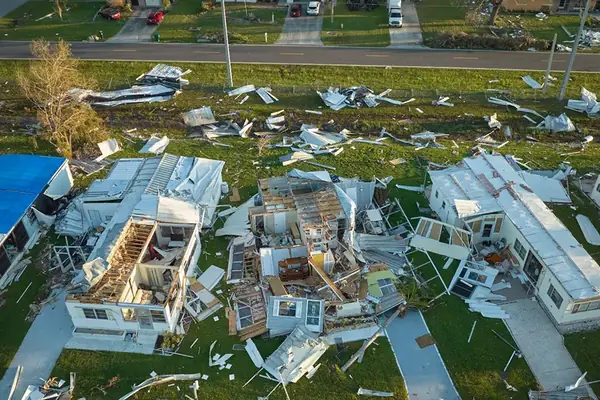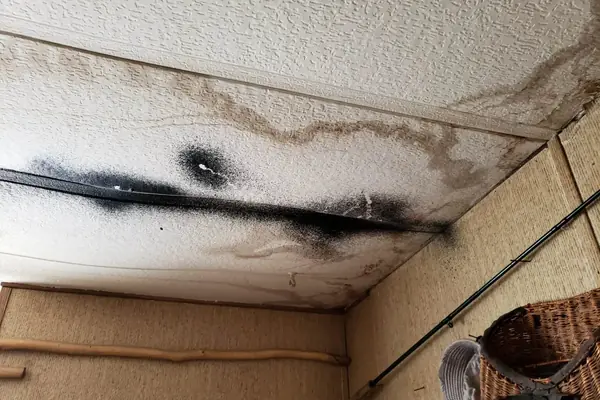
Property damage in Seabrook can become complicated quickly. Homes and businesses near Clear Lake, Galveston Bay, Todville Road, Old Seabrook, and the SH 146 corridor face a combination of tropical weather, wind-driven rain, storm surge, roof damage, plumbing losses, fire, and coastal moisture. When an insurance company’s estimate leaves out necessary repairs or does not reflect the full extent of the loss, a licensed public adjuster in Seabrook can represent the property owner throughout the claim.
TX Public Adjusting helps residential and commercial policyholders document damage, review insurance estimates, prepare detailed claim scopes, and negotiate with the insurance company. We work for policyholders—not insurance carriers.
TX Public Adjusting is operated by Rise Public Adjusting LLC, Texas Public Adjuster License #3356839.
Get a Free Claim Review: If your Seabrook property claim has been delayed, denied, underpaid, or poorly documented, contact TX Public Adjusting for an initial review. There are no upfront fees.
Insurance Claim Help for Seabrook Property Owners
Seabrook is a waterfront community in Harris County located along Clear Lake and Galveston Bay. Its coastal setting is one of the city’s biggest attractions, but it also exposes local properties to risks that are different from those faced by homes farther inland.
A tropical system does not need to make a direct landfall in Seabrook to cause property damage. Strong outer rain bands can produce wind-driven rain, roof uplift, fallen trees, power-related equipment damage, and water intrusion. Elevated water in Clear Lake or Galveston Bay may also affect low-lying roads and waterfront properties.
The City of Seabrook maintains current and historical floodplain information and directs residents to real-time Harris County flood data. The Clear Creek watershed flows through Clear Lake and into Galveston Bay, making drainage conditions and rising water especially relevant to this area.
Properties near the lower Todville Road area, marinas, waterfront restaurants, and the Lakewood Yacht Club area may have different damage patterns than properties farther inland. Older buildings in historic Seabrook may also require repair methods, materials, or code-related work that a basic carrier estimate does not fully address.
A public insurance adjuster in Seabrook evaluates the covered property damage from the policyholder’s perspective. That includes reviewing what happened, identifying visible and less-obvious damage, comparing the insurer’s scope with actual repair needs, and presenting supporting documentation.
Why Property Owners Hire a Public Adjuster in Seabrook
The insurance company assigns an adjuster to investigate the claim on its behalf. A public adjuster serves a different role: representing the insured property owner.
Seabrook homeowners and commercial property owners may hire TX Public Adjusting when:
- The insurance company’s estimate appears too low.
- A roof was approved for a minor repair when broader replacement may be necessary.
- Interior water damage was included, but the source or full repair path was omitted.
- The claim was denied based on wear, deterioration, maintenance, or another exclusion.
- Wind-driven rain entered through damaged roofing, flashing, windows, doors, or exterior walls.
- The carrier did not include all damaged rooms, materials, fixtures, equipment, or contents.
- A commercial loss interrupted normal business operations.
- Multiple contractors have identified work missing from the insurer’s estimate.
- The property owner is overwhelmed by inspections, requests, estimates, and claim correspondence.
- A reopened or supplemental claim needs stronger documentation.
Insurance policies contain conditions, exclusions, deductibles, limits, endorsements, and deadlines. The outcome of a claim often depends on how accurately the damage is investigated and presented.
TX Public Adjusting reviews the available policy documents, carrier correspondence, inspection findings, photographs, contractor information, and estimates. We then identify the issues that may need further investigation or documentation.
Coastal Storm Risks in Seabrook
Seabrook’s location creates a distinct insurance-claim environment. The city sits beside Clear Lake and Galveston Bay and promotes floodplain information, hurricane preparedness, and weather resources through its official website.
Hurricanes and Tropical Storms
Hurricanes and tropical storms can affect Seabrook through high winds, storm surge, heavy rainfall, flying debris, fallen trees, and extended power outages.
Hurricane Ike demonstrated how severely a coastal storm can affect the community. Seabrook experienced storm-surge impacts, debris, obstructed roads, power loss, and extensive disruption after the 2008 hurricane.
After a tropical system, property owners may discover:
- Missing, lifted, creased, or punctured shingles
- Damaged metal roofing panels or fasteners
- Torn flashing and displaced roof accessories
- Water intrusion around windows and doors
- Wet insulation, drywall, ceilings, and flooring
- Detached gutters, siding, soffit, or fascia
- Damaged fences, awnings, signs, docks, and exterior structures
- Electrical or mechanical equipment damage
- Commercial inventory or equipment losses
Damage is not always visible from the ground. A ceiling stain may be the final symptom of a problem that began at a roof edge, flashing joint, vent, wall opening, or rooftop penetration.
Storm Surge and Coastal Flooding
Properties near the Seabrook waterfront may face surge, tidal, or rising-water concerns during coastal storms. The National Hurricane Center identifies storm surge as a major vulnerability for hurricane-prone coastal communities, and Seabrook maintains flood maps because flood conditions can vary significantly by location.
Flood damage and wind-driven rain are not always treated the same under an insurance policy. A standard property policy may exclude certain types of surface flooding while covering damage from a separate wind-created opening. Flood insurance may be governed by a different policy.
Determining the cause, timing, and path of water can therefore become one of the most important parts of a Seabrook property claim.
Wind-Driven Rain
Coastal rain can move horizontally during high winds. Water may enter through damaged shingles, roof transitions, vents, windows, exterior doors, wall systems, or flashing.
An insurer may pay to paint a ceiling while omitting wet insulation, damaged decking, flooring removal, cabinetry work, electrical evaluation, or access required to complete repairs. A proper scope should consider the complete repair sequence—not only the most visible surface damage.
Hail and Severe Thunderstorms
Seabrook is more closely associated with tropical weather than many inland Texas cities, but severe thunderstorms and hail can still affect the area.
Hail may damage:
- Asphalt shingles
- Metal roofing
- Roof vents and flashing
- Gutters and downspouts
- Window screens
- Siding and exterior finishes
- Fencing and outdoor equipment
- HVAC condenser fins
- Commercial rooftop systems
Wind may also lift or loosen materials without removing them completely. That can make the damage easier to overlook during a brief inspection.
Freeze and Plumbing Losses
The Texas Gulf Coast can experience sudden periods of freezing weather. Pipes located in exterior walls, attics, garages, utility rooms, or poorly insulated spaces may rupture.
Once water begins flowing, damage can spread through walls, ceilings, flooring, cabinetry, insulation, and electrical systems. Moisture can also migrate into rooms that appear unaffected during the initial walkthrough.
Common Insurance Claims in Seabrook

Hail Damage Claims
Hail claims often involve disputes over whether the roof has functional damage, whether the condition is storm-related, and whether isolated repairs can return the property to its pre-loss condition.
TX Public Adjusting can inspect the reported loss, review the carrier’s roof assessment, document related exterior damage, and compare the insurer’s estimate with the work reasonably required.
Read our Texas hail damage insurance claim guide for additional information about documenting a hail loss.
Water Damage Claims
Water damage may come from burst pipes, failed supply lines, appliance leaks, roof openings, plumbing backups, HVAC systems, or storm-created damage.
A complete claim may require more than drying equipment and new paint. Depending on the loss, repairs can involve drywall removal, insulation, flooring, baseboards, cabinets, electrical components, plumbing access, cleaning, and temporary protection.
Property owners dealing with an active loss can also review our guide to dealing with an insurance adjuster after water damage.
Fire and Smoke Damage Claims
Fire claims can affect far more than the room where flames were visible. Smoke, soot, heat, water from firefighting efforts, and airborne residue can spread throughout a structure.
A Seabrook fire claim may include:
- Structural repairs
- Electrical evaluation
- HVAC cleaning or replacement
- Smoke and soot remediation
- Personal-property inventory
- Debris removal
- Temporary housing or relocation expenses
- Business equipment and inventory
- Code-required repairs
Our fire insurance adjuster guide explains how a policyholder-side adjuster can assist with fire-loss documentation.
Storm Damage Claims
Storm losses may combine roof damage, water intrusion, broken windows, exterior damage, fallen trees, damaged fences, and power-related equipment problems.
Claims become more complicated when the carrier attributes the damage to multiple causes. Careful documentation helps distinguish recent storm damage from unrelated maintenance conditions.
Roof Damage Claims
Roof claims are among the most frequently disputed property claims in Texas.
Common disagreements include:
- Repair versus replacement
- Matching discontinued materials
- Number of damaged slopes
- Underlayment and flashing
- Decking replacement
- Ventilation components
- Code requirements
- Access and labor charges
- Interior damage connected to the roof loss
- Whether damage resulted from wind, hail, age, or deterioration
Learn more in our guide to hiring a public adjuster for a roof claim.
Commercial Property Claims
Seabrook’s commercial properties include waterfront restaurants, offices, retail businesses, marinas, hospitality operations, apartment properties, service businesses, and facilities along major corridors such as NASA Parkway and SH 146.
A commercial property claim may involve:
- Building damage
- Tenant improvements
- Equipment and machinery
- Inventory and stock
- Signs and awnings
- Refrigeration or electrical systems
- Commercial roofing
- Debris removal
- Extra expenses
- Business-income considerations
- Multiple buildings or policy locations
Commercial losses require organized documentation because damage to the physical structure may be only one part of the financial impact.
Concerned that your Seabrook claim is missing damage? Request a free claim review from TX Public Adjusting. We handle residential and commercial property claims with no upfront fees.
Why Insurance Claims Become Underpaid
A low claim payment does not always result from one obvious mistake. Underpayment often occurs through a series of smaller omissions.
Missed or Hidden Damage
A fast inspection may document obvious roof or ceiling damage while overlooking moisture behind walls, wet insulation, adjacent rooms, damaged flashing, affected exterior components, or mechanical systems.
Incomplete Repair Scope
The insurer’s estimate may include a finished material without including the work needed to remove, access, detach, reset, protect, or reinstall surrounding components.
For example, replacing damaged flooring may also require moving contents, removing baseboards, addressing transitions, detaching fixtures, or completing work in connected areas.
Depreciation Issues
Depreciation can significantly reduce the initial payment. Property owners may also need to complete repairs and submit documentation before recoverable depreciation becomes payable.
Confusion about depreciation, actual cash value, replacement cost, deductibles, and policy limits can cause the insured to misunderstand what the carrier has paid or what remains available.
Low Unit Costs or Quantities
An estimate may use labor rates, material prices, measurements, or quantities that do not reflect the actual repair conditions.
For coastal or waterfront properties, access limitations, specialized materials, elevated structures, corrosion-resistant components, or complex exterior assemblies may affect repair costs.
Documentation Problems
Insurance carriers typically rely on documentation, not verbal descriptions alone. A claim can lose momentum when photographs are incomplete, damaged items are discarded too soon, estimates are vague, or the cause of loss is not clearly supported.
Damage Attributed to Exclusions
Carriers may attribute roof or exterior damage to wear, deterioration, improper installation, maintenance, or pre-existing conditions. Those conclusions should be evaluated against photographs, storm information, physical evidence, prior property condition, and the policy language.
Our Public Adjusting Process
1. Claim Review
We begin by reviewing the status of the claim, available policy documents, carrier correspondence, estimates, payment information, photographs, and inspection reports.
We identify the main areas of disagreement and determine what additional information may be needed.
2. Property Inspection
We inspect the reported damage and document the affected building components, rooms, exterior areas, and contents relevant to the claim.
The inspection is focused on the specific facts of the loss. A wind claim near Clear Lake may require a different investigation than a plumbing loss in an inland Seabrook subdivision or a fire at a waterfront business.
3. Damage Documentation
Documentation may include photographs, measurements, diagrams, repair estimates, inventories, invoices, contractor findings, moisture information, and other supporting materials.
Our goal is to create an organized record that explains the full extent of the covered damage.
4. Scope and Estimate Review
We compare the carrier’s estimate with the observed damage and reasonable repair requirements.
This review may identify:
- Missing rooms or building elevations
- Incorrect measurements
- Omitted roofing components
- Missing labor operations
- Unaddressed interior water damage
- Incomplete cleaning or remediation
- Missing commercial equipment
- Unresolved code-related items
5. Claim Presentation and Negotiation
TX Public Adjusting communicates with the insurance company, presents the documented claim, responds to requests, and negotiates disputed scope and valuation issues.
The carrier makes the final coverage determination under the policy, but the policyholder does not have to present the claim alone.
Why Choose TX Public Adjusting

Licensed Texas Representation
TX Public Adjusting is operated by Rise Public Adjusting LLC under Texas Public Adjuster License #3356839.
We Represent Policyholders
An insurance company adjuster works for the carrier. TX Public Adjusting represents the residential or commercial policyholder.
Our responsibility is to document and present the insured’s property claim—not to protect the insurance company’s financial interests.
Texas Property-Claim Experience
Our experience includes the review of thousands of residential and commercial property claims involving hail, wind, water, fire, roofs, storms, and complex commercial losses.
We understand how Texas weather affects different construction systems and how missing scope items can reduce an insurance estimate.
Residential and Commercial Expertise
We assist homeowners, landlords, investors, business owners, property managers, and commercial building owners.
That experience is especially valuable in Seabrook, where the property mix ranges from waterfront homes and established residential areas to restaurants, offices, marinas, and commercial facilities.
Independent Claim Review
We provide an independent evaluation of the property damage and carrier estimate. We are not employed by the insurance company or its adjusting firm.
No Upfront Fees
Our initial claim review is free, and there are no upfront fees. Any fee arrangement is explained in writing before representation begins.
Seabrook Areas and Nearby Communities We Serve
TX Public Adjusting assists policyholders throughout Seabrook and the surrounding Clear Lake and Galveston Bay area, including properties near:
- Old Seabrook and the historic downtown area
- Todville Road and the waterfront
- Lakewood Yacht Club
- Pine Gully Park
- Seabrook Island
- Lake Cove
- NASA Parkway
- SH 146
- Clear Lake
- Galveston Bay
We also serve nearby communities such as Kemah, El Lago, Taylor Lake Village, Clear Lake Shores, Nassau Bay, Shoreacres, La Porte, League City, Pasadena, and the greater Houston area.
Local references such as Pine Gully Park, the Seabrook trail system, Lakewood Yacht Club, the historic waterfront, Clear Lake, and Galveston Bay are more than familiar landmarks. They illustrate how closely Seabrook’s homes and businesses are connected to the coast.
Frequently Asked Questions
What does a public adjuster in Seabrook do?
A Seabrook public adjuster represents the policyholder during a property insurance claim. The work may include reviewing the policy and carrier estimate, inspecting damage, preparing documentation, identifying missing scope items, communicating with the insurance company, and negotiating disputed claim issues.
Unlike the insurance company’s adjuster, a public adjuster works for the insured property owner.
When should I hire a public adjuster after Seabrook storm damage?
You can contact a public adjuster shortly after discovering the loss, before the carrier inspection, after receiving an estimate, or when a claim becomes delayed or disputed.
Early involvement may help preserve evidence and organize the claim. However, assistance may still be available after the insurance company has issued a payment or denial. Our article on when it is too late to hire a public adjuster explains the timing considerations in greater detail.
Can a public adjuster help with hurricane damage in Seabrook?
Yes. A public adjuster can assist with covered hurricane damage involving wind, roofing, windows, exterior components, interiors, contents, and commercial property.
Hurricane claims may involve questions about whether water entered because of wind damage, rising surface water, storm surge, or another cause. Each source of damage must be evaluated under the applicable policy.
Can you help if my Seabrook roof claim was underpaid?
Yes. TX Public Adjusting can review the roof inspection, carrier estimate, photographs, measurements, repair assumptions, and connected interior damage.
We look for issues such as omitted slopes, missing flashing, incomplete underlayment, incorrect quantities, repairability concerns, and necessary labor operations.
Does homeowners insurance cover flooding from Galveston Bay or Clear Lake?
Standard homeowners policies commonly treat rising surface water differently from sudden plumbing losses or rain entering through covered storm damage. Separate flood insurance may apply to certain rising-water losses.
Coverage depends on the policy language and the cause of the water. A claim involving storm surge, wind-driven rain, roof damage, and interior water intrusion should be carefully evaluated rather than treated as one undifferentiated water loss.
Can you help with a denied water damage claim?
We can review the denial letter, policy provisions, inspection findings, photographs, plumbing information, moisture documentation, and repair estimates.
Some claims are denied because the insurer disputes the cause, timing, maintenance history, or extent of the damage. A review can help determine whether relevant evidence or damage was overlooked.
How much does a public adjuster cost in Texas?
Public adjusters generally work under a written fee agreement based on the claim recovery, subject to Texas law and the terms of the contract.
TX Public Adjusting provides a free initial claim review and charges no upfront fees. The fee structure is explained before you decide whether to hire us.
Can you help a Seabrook business after storm or fire damage?
Yes. We assist commercial property owners with building damage, roofing, equipment, inventory, fire and smoke damage, water intrusion, storm losses, and other insured property issues.
Commercial claims may also involve business-income and extra-expense documentation, depending on the policy and circumstances.
What should I do immediately after property damage?
Protect people first and contact emergency services when necessary. Take reasonable steps to prevent additional damage without making permanent repairs that could destroy evidence.
Photograph the property, save damaged materials when practical, keep receipts, record communications, and request copies of all insurance estimates and reports. Do not discard contents or begin major demolition until the damage has been documented.
What if the insurance company already sent a payment?
Receiving a payment does not necessarily mean every covered part of the claim has been resolved. The carrier’s estimate may contain omissions, and additional documentation may support a supplement or reopened claim.
Deadlines and policy conditions can apply, so the estimate, payment letter, proof-of-loss requirements, and repair documentation should be reviewed promptly.
Get a Free Seabrook Insurance Claim Review
Property owners in Seabrook should not have to guess whether an insurance estimate includes the full scope of covered damage.
TX Public Adjusting helps homeowners and commercial property owners investigate losses, document repairs, review carrier estimates, and present disputed claims. We understand the property risks created by Seabrook’s location along Clear Lake and Galveston Bay, from tropical wind and storm surge to roof leaks, plumbing losses, fire, and commercial interruptions.
Contact TX Public Adjusting today for a free claim review.
- Licensed Texas Public Adjuster
- Rise Public Adjusting LLC
- Texas License #3356839
- Residential and commercial claims
- No upfront fees
- Policyholder representation