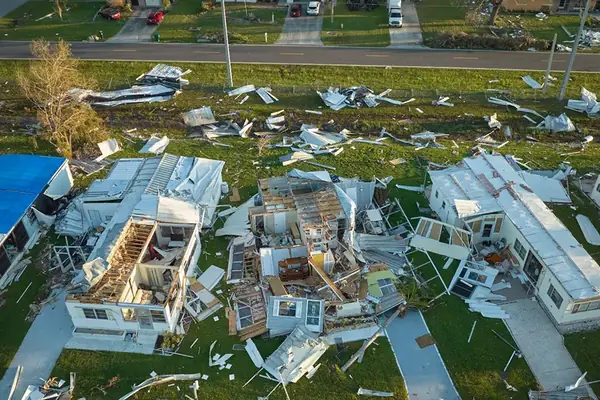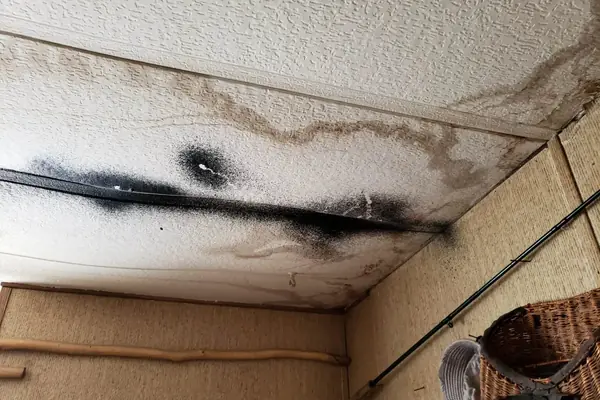
Property damage in Santa Fe can become complicated quickly. A tropical system may lift shingles and drive rain into an attic. A severe thunderstorm can damage fencing, gutters, metal roofing, and exterior finishes. A plumbing failure can spread water through several rooms before anyone realizes what happened. When the insurance company’s estimate does not reflect the full cost of repairs, a public adjuster in Santa Fe can help document the loss and represent the policyholder throughout the claim.
TX Public Adjusting provides residential and commercial insurance claim assistance in Santa Fe and throughout Galveston County. We inspect damaged property, evaluate carrier estimates, prepare detailed claim documentation, identify missing items, and negotiate from the policyholder’s side of the claim.
Our services are provided through Rise Public Adjusting LLC, Texas License #3356839. We work for property owners—not insurance companies.
Request a Free Claim Review. There are no upfront fees.
Insurance Claim Help for Santa Fe Property Owners
Santa Fe occupies a low-lying part of the Upper Texas Gulf Coast between the Houston metropolitan area and Galveston Island. The city developed from communities including Alta Loma, Arcadia, and portions of Algoa, and much of the area still has a semi-rural character with larger lots, detached structures, workshops, barns, metal buildings, and homes surrounded by mature trees.
Santa Fe is located in Galveston County on a coastal plain crossed by waterways such as Highland Bayou and Halls Bayou. Drainage ditches, culverts, canals, and detention areas are common because heavy rainfall can create flash-flooding and drainage concerns.
That setting creates a distinct mix of insurance claim risks:
- Tropical-storm and hurricane winds
- Wind-driven rain
- Roof and exterior damage
- Heavy-rain and drainage-related water intrusion
- Hail and severe thunderstorms
- Falling limbs and tree impact
- Plumbing leaks and appliance failures
- Fire, smoke, and electrical damage
- Damage to detached garages, shops, barns, and outbuildings
- Commercial roof and business-property losses
A carrier inspection may focus on only the most visible part of the loss. A roof may receive attention while damaged flashing, soffit, fascia, insulation, ceilings, flooring, fencing, or detached structures are left out of the estimate.
TX Public Adjusting helps Santa Fe property owners examine the entire claim—not just the first estimate.
Why Property Owners Hire a Public Adjuster in Santa Fe
The insurance company assigns an adjuster to investigate the claim for the carrier. A public adjuster has a different role. We represent the policyholder and prepare the claim from the property owner’s perspective.
Property owners often contact a Santa Fe public insurance adjuster when:
- The carrier’s estimate appears too low
- A roof claim includes repairs instead of replacement
- Interior water damage was excluded
- Damage to a shop, barn, fence, or detached structure was overlooked
- The claim was partially denied
- The insurer disputes the cause of damage
- Depreciation was applied incorrectly or not explained
- Repair estimates exceed the insurance payment
- The claim has stalled
- The property owner does not have time to manage inspections and paperwork
- A commercial loss involves several buildings or business operations
- Additional damage is discovered after the first inspection
Our job is to document covered damage carefully, compare the insurer’s scope with the conditions at the property, organize supporting evidence, and communicate with the insurance company.
Independent Representation for Policyholders
Insurance company adjusters, independent adjusters hired by carriers, contractors, engineers, mitigation companies, and public adjusters may all participate in a property claim. Understanding the difference between a public adjuster versus an independent adjuster helps clarify who each professional represents and whose interests they are responsible for protecting.
TX Public Adjusting works for the insured property owner. We do not represent the carrier and do not determine repairs based on the insurer’s financial interests.
Detailed Scope and Estimate Review
A small omission can affect several connected repairs. Missing roof flashing may affect siding or wall finishes. A ceiling stain may point to wet insulation or concealed moisture. Flooring replacement may require removal and resetting of baseboards, doors, cabinets, or appliances.
We review the claim as a complete restoration project rather than a collection of isolated line items.
Support From Inspection Through Settlement
A public adjuster can become involved shortly after the loss or later when an existing claim appears underpaid. The earlier we review the available evidence, the easier it may be to preserve photographs, damaged materials, invoices, moisture readings, and repair documentation.
Concerned that your Santa Fe insurance claim is missing damage? Contact TX Public Adjusting for a free claim review.
Santa Fe Storm Risks and Property Damage Concerns
Santa Fe’s location requires property owners to think about more than one type of storm.
Hurricanes and Tropical Storms
Although Santa Fe is inland from Galveston Island, Gulf systems can still produce damaging winds, prolonged rainfall, falling trees, roof uplift, wind-driven rain, and widespread power outages across Galveston County. Our Texas guide to hurricane property damage explains how high winds, rain intrusion, debris impact, electrical problems, and interior damage can become connected parts of the same loss.
Tropical losses are rarely limited to one damaged component. A single event may involve:
- Missing or lifted shingles
- Damaged ridge caps and roof vents
- Water intrusion through roof openings
- Wet attic insulation
- Ceiling and wall staining
- Damaged exterior siding
- Fence and gate damage
- Broken windows or compromised seals
- Tree impact
- Damage to sheds, barns, carports, and workshops
- Food spoilage or equipment loss following an outage
- Business interruption for commercial properties
A carrier may also separate wind damage from flood damage. That distinction can significantly affect the claim because standard property policies generally treat rising floodwater differently from rain entering through storm-created damage.
A public adjuster documents the physical evidence and helps present the claimed damage under the applicable policy provisions. We do not make promises about coverage before reviewing the policy and loss facts.
Heavy Rain and Drainage Problems
Because Santa Fe sits on a low coastal plain, intense rainfall can overwhelm local drainage systems and create standing water around homes, driveways, shops, and commercial buildings. Highland Bayou, Halls Bayou, roadside ditches, culverts, and nearby drainage channels are part of the local water-management picture.
Water may enter a building through:
- Storm-damaged roofing
- Damaged flashing or vents
- Windows and doors
- Overflowing drainage systems
- Failed seals
- Plumbing backups
- Slab or wall penetrations
- Damaged exterior cladding
Determining the pathway and cause of water intrusion is essential. A claim involving rain that entered through a wind-created opening may be evaluated differently from groundwater or surface flooding.
Severe Thunderstorms, Wind, and Hail
Santa Fe and the surrounding Houston–Galveston region can experience severe thunderstorms with strong wind, heavy rain, lightning, and hail. Recent severe-weather warnings affecting Galveston County have included wind gusts capable of damaging roofs, trees, outbuildings, and mobile structures.
Wind and hail losses may affect:
- Asphalt shingles
- Metal roofing panels
- Roof coatings
- Gutters and downspouts
- Window screens
- HVAC fins
- Siding
- Exterior paint and stucco
- Garage doors
- Fences
- Skylights
- Commercial rooftop equipment
- Soft metals such as vents and flashing
Hail damage is not always obvious from the ground. It may require a close inspection of test areas, roofing materials, soft-metal components, and collateral damage around the property.
Falling Trees and Debris Impact
Santa Fe has many properties with mature trees and open land. High winds can break limbs or uproot trees, causing damage to roofs, garages, fences, utility lines, vehicles, sheds, and outdoor equipment.
Tree claims can include more than removal. The underlying building damage, temporary protection, electrical repairs, structural evaluation, debris hauling, and restoration work should also be considered.
Common Insurance Claims in Santa Fe

Hail Damage Claims
Hail can bruise asphalt shingles, fracture roofing surfaces, dent metal panels, damage vents, and compromise protective roof coatings. Property owners can learn more about documenting a hail damage insurance claim before accepting the carrier’s initial scope or payment.
A complete hail claim may require:
- Date-of-loss verification
- Roof photographs
- Test-square documentation
- Collateral-damage evidence
- Measurements
- Material identification
- Repairability analysis
- Scope comparison
- Contractor estimates
- Documentation of interior leaks
TX Public Adjusting reviews both visible roof damage and related exterior or interior conditions.
Water Damage Claims
Water damage can come from burst pipes, supply-line failures, appliance leaks, plumbing backups, air-conditioning drain problems, damaged roofs, or wind-driven rain.
The early stages of the claim can affect how the loss is documented. Our guide to dealing with an insurance adjuster after water damage explains what property owners should preserve, photograph, and review before the claim moves forward.
A water claim may involve:
- Emergency mitigation
- Drying equipment
- Moisture mapping
- Drywall and insulation removal
- Cabinet damage
- Flooring replacement
- Baseboards and trim
- Electrical evaluation
- Mold-related concerns
- Contents handling
- Temporary housing expenses
Disputes often arise when the carrier limits the affected area or questions whether materials can be repaired instead of replaced.
Fire and Smoke Damage Claims
A fire claim may involve direct flame damage, smoke migration, soot, water from firefighting efforts, electrical systems, structural components, personal property, odor remediation, debris removal, and additional living expenses. Because these losses can involve the structure, contents, smoke contamination, debris removal, and temporary living costs, working with a fire insurance adjuster who represents the policyholder can help keep each part of the loss organized.
Smoke can travel into rooms that were not directly touched by flames. Porous materials, HVAC systems, attic spaces, insulation, cabinets, clothing, furniture, and electronics may require evaluation.
We help organize the building, contents, cleaning, restoration, and displacement portions of the claim.
Storm and Wind Damage Claims
Straight-line wind, tropical systems, and severe thunderstorms can lift roofing, loosen flashing, damage siding, break fencing, and force rain into the property.
Wind claims are frequently under-scoped when the carrier estimates only a small roof repair without evaluating:
- Matching materials
- Underlayment
- Roof accessories
- Code-related requirements
- Interior moisture
- Exterior components
- Detached structures
- Debris removal
- Temporary repairs
Roof Damage Claims
Roof claims are among the most disputed property claims in Santa Fe. A carrier may conclude that the damage is cosmetic, caused by age, related to maintenance, or limited to a repairable section. When the insurer proposes a limited repair, excludes related components, or attributes storm damage to age, a public adjuster for a roof claim can review the estimate, measurements, damage pattern, and repairability of the roofing system.
A public adjuster reviews the roof alongside the rest of the property. We examine the reported event, damage patterns, repair feasibility, estimate line items, measurements, and documentation supplied by contractors or other professionals.
Commercial Property Claims
Santa Fe commercial claims may involve retail buildings, offices, warehouses, agricultural facilities, workshops, service businesses, multifamily properties, and metal buildings along or near Highway 6.
Commercial losses can involve:
- Large roof systems
- Multiple structures
- Inventory
- Machinery and equipment
- Tenant improvements
- Business personal property
- Loss of income
- Extra expenses
- Code upgrades
- Specialized building materials
- Operational delays
Commercial claims require organized documentation and consistent communication. We help business owners keep the property-damage portion of the claim moving while they focus on operations.
Detached Structures and Rural Property Improvements
Santa Fe has many properties that do not fit a typical suburban layout. A residence may include a workshop, equipment shed, pole barn, detached garage, carport, fencing, gates, animal structures, or storage buildings.
These items should not be assumed to fall under the same coverage category or limit. We review the policy and claim documentation to determine how each structure or improvement was addressed.
Why Santa Fe Insurance Claims Become Underpaid
An underpaid claim does not always result from one major mistake. More often, several smaller omissions reduce the total estimate.
Missed Damage
Some components are difficult to inspect quickly. Attic moisture, insulation damage, concealed framing, roof accessories, HVAC components, and interior finishes may receive limited attention during the first visit.
Scope Omissions
The estimate may include the main damaged item but omit the work required to complete the repair properly.
Common omissions include:
- Material removal
- Disposal
- Detaching and resetting fixtures
- Protection of surrounding areas
- Painting connected surfaces
- Roof flashing
- Underlayment
- Starter and ridge materials
- Scaffolding or access costs
- Contractor overhead and profit
- Permits
- Code-related work
- Contents manipulation
Low Measurements or Quantities
Incorrect roof dimensions, room measurements, material quantities, or labor assumptions can reduce the payment. A line-by-line review helps identify differences between the carrier estimate and the actual repair scope.
Depreciation Problems
Recoverable depreciation, nonrecoverable depreciation, actual cash value, replacement cost, and policy limits can be confusing. Property owners may not understand what was withheld or what documentation must be submitted to recover additional funds.
We explain the estimate and help identify the steps required under the policy.
Documentation Gaps
Insurance claims depend heavily on proof. Missing photographs, incomplete invoices, unclear repair estimates, discarded materials, and poorly documented temporary repairs can weaken a claim.
Our team helps organize evidence into a clear claim presentation. Taking early action can help preserve evidence and prevent avoidable problems. Review these common property insurance claim mistakes before discarding damaged materials, authorizing permanent repairs, or accepting the carrier’s first estimate.
Cause-of-Loss Disputes
The insurance company may attribute roof damage to wear, water damage to long-term seepage, or interior damage to an excluded source. These determinations should be compared against the physical evidence, timeline, policy language, and available professional findings.
Our Public Adjusting Process
Step 1: Free Claim Review
We begin by learning what happened, when the damage occurred, what the carrier has inspected, and what payments or decisions have been issued.
We may review:
- The insurance policy
- Carrier estimates
- Settlement letters
- Denial or reservation-of-rights letters
- Photographs and videos
- Contractor estimates
- Mitigation invoices
- Engineering reports
- Proof-of-loss forms
- Prior claim correspondence
Step 2: Property Inspection
We inspect the reported damage and evaluate related areas. The inspection is tailored to the loss, building type, and current stage of the claim.
For a Santa Fe storm claim, that may include the roof, exterior elevations, windows, fencing, outbuildings, attic, ceilings, and interior finishes.
Step 3: Damage Documentation
We build a supporting file that may include photographs, measurements, repair scopes, estimates, inventories, invoices, and other records.
The objective is to explain:
- What was damaged
- How the damage relates to the reported event
- What work is reasonably required
- Which items were missing or undervalued
- What documentation supports the requested amount
Step 4: Claim Presentation and Communication
We submit relevant documentation and communicate with the insurer about the scope and value of the claim. This may involve meetings, reinspection requests, estimate comparisons, supplement submissions, and responses to carrier questions.
Step 5: Negotiation and Settlement Support
We negotiate based on the documented loss and applicable policy. The final outcome depends on the facts, coverage, documentation, policy terms, and insurer decisions. No public adjuster can guarantee a particular settlement.
Why Choose TX Public Adjusting
Licensed in Texas
TX Public Adjusting operates through Rise Public Adjusting LLC, Texas License #3356839.
We Represent Policyholders
Our duty is to the property owner who hires us. We do not work for the insurance company.
Texas Claim Experience
Our work is focused on Texas property losses, including hail, wind, hurricane, fire, water, roof, and commercial claims.
Residential and Commercial Knowledge
A single-family home, metal workshop, apartment property, warehouse, and retail building each require a different inspection and documentation approach.
Detailed Claim Preparation
We focus on the evidence behind the claim: photographs, measurements, estimates, inventories, repair methods, and supporting records.
Experience Reviewing Thousands of Claims
Our team draws on experience reviewing thousands of residential and commercial claim files. That background helps us identify common scope omissions, estimate gaps, and documentation issues without inventing or promising a result.
No Upfront Fees
There are no upfront fees for the initial claim review. Compensation terms are explained in the public adjusting agreement before representation begins.
Santa Fe Neighborhoods and Local Areas We Serve
Santa Fe was formed from communities that grew along the Gulf, Colorado and Santa Fe Railway, including Alta Loma, Arcadia, and parts of Algoa. Arcadia is now recognized as a Santa Fe neighborhood, while Morningview was part of the local incorporation history.
We assist property owners throughout:
- Alta Loma
- Arcadia
- Algoa-area properties
- Morningview
- Properties along Highway 6
- Homes near FM 1764
- Rural and semi-rural parts of Santa Fe
- Residential areas near Santa Fe High School
- Properties near Mae S. Bruce Library
- Homes and businesses near the historic railroad corridor
Local reference points include Santa Fe City Hall, the Mae S. Bruce Library, the historic Hitchcock Depot–Santa Fe/Alta Loma site, the Miller-Brautigam Home, and Linh Son Buddhist Temple. These places reflect Santa Fe’s mix of railroad history, small-town institutions, and Gulf Coast development.
Areas We Serve Near Santa Fe

TX Public Adjusting also assists property owners in nearby Galveston County and the surrounding Gulf Coast region, including:
- Hitchcock
- Dickinson
- League City
- Texas City
- La Marque
- Alvin
- Friendswood
- Webster
- Kemah
- Bacliff
- San Leon
- Galveston
- Clear Lake
- Nassau Bay
- Seabrook
Storm systems rarely stop at municipal boundaries. A hailstorm, tropical rain band, or wind event affecting Santa Fe may also produce claims across Dickinson, Hitchcock, League City, and Texas City.
Frequently Asked Questions
What does a public adjuster do for a Santa Fe property owner?
A public adjuster represents the policyholder during a property insurance claim. Our complete guide to what a public adjuster does explains how public adjusters inspect damage, review policies and carrier estimates, prepare supporting documentation, communicate with insurers, and negotiate claims.
Unlike the insurance company’s adjuster, a public adjuster does not work for the carrier.
When should I hire a public adjuster in Santa Fe?
You may consider hiring a public adjuster when the loss is substantial, the claim involves several damaged areas, the insurer’s estimate appears low, coverage is disputed, or you do not have time to manage the process.
A public adjuster may also be hired after an initial payment if the claim remains open and additional covered damage or costs need to be documented.
Can you help after my insurance company has already inspected the property?
Yes. Many property owners contact TX Public Adjusting after the carrier inspection. We can review the existing estimate, inspect the property, compare the documented damage with the carrier’s scope, and identify potential omissions.
The available options depend on the claim status, policy deadlines, and documentation.
Do you handle hurricane and tropical-storm claims in Santa Fe?
Yes. We assist with wind, roof, rain-intrusion, tree-impact, exterior, interior, contents, and commercial damage arising from hurricanes and tropical storms.
Flooding caused by rising surface water may fall under separate flood coverage, so we review the reported cause and applicable policy before advising the property owner.
Can a public adjuster help with a denied roof claim?
A public adjuster can review the denial, policy, inspection findings, photographs, estimates, and condition of the roof. We may identify damage or documentation that was not considered in the original decision.
A review does not guarantee that a denial will be reversed, but it can help clarify the reason for the decision and whether further documentation is appropriate.
What if the insurance company says my roof damage is old?
Age and storm damage can exist on the same roof. The central question is what physical evidence supports the reported loss.
We review damage patterns, collateral indicators, the date of loss, maintenance history, repairability, and any reports or photographs available. The claim must be supported by evidence rather than assumptions.
Do you handle damage to barns, workshops, and detached garages?
Yes. Santa Fe properties often include detached structures and improvements. We help document damage to garages, shops, barns, storage buildings, carports, fencing, and related property.
Coverage, deductibles, and limits may differ by structure, so the policy should be reviewed carefully.
How much does a public adjuster cost in Texas?
Public adjusters are generally compensated through a fee based on the claim recovery, subject to Texas law and the written agreement. The specific fee and services should be disclosed before the contract is signed.
TX Public Adjusting offers a free initial claim review and charges no upfront fee.
How long does a Santa Fe property insurance claim take?
Claim timelines vary. A straightforward claim with clear coverage and complete documentation may move faster than a large commercial loss, disputed roof claim, hurricane claim, or loss requiring engineering review.
Property owners who are still waiting for communication can review how long an insurance adjuster has to contact you. Carrier response times, reinspections, repair estimates, policy requirements, and the complexity of the damage can all affect the overall timeline.
Is it too late to hire a public adjuster after receiving payment?
Not necessarily. Receiving an initial payment does not always mean the claim is fully resolved. If the claim remains open, supplemental documentation may still be considered. Our guide explains when it may be too late to hire a public adjuster and why policy deadlines, settlement documents, and claim status matter.
A prompt review is recommended if the payment does not cover the documented repair scope.
Get a Free Santa Fe Insurance Claim Review
Property damage is stressful enough without trying to interpret every estimate, exclusion, depreciation calculation, and repair line item on your own.
TX Public Adjusting helps Santa Fe homeowners, landlords, business owners, and commercial property owners prepare and present property claims with clear documentation and independent policyholder representation.
Rise Public Adjusting LLC
Texas Public Adjuster License #3356839
Free Claim Review
No Upfront Fees
Residential and Commercial Claims
Contact TX Public Adjusting to discuss your Santa Fe property damage claim.