Serving homeowners and commercial property owners across Texas.
Call a Professional NOW!
Licensed Texas Public Adjuster

Public Adjuster Roma, TX

Roof

Hail, wind, leaks, matching disputes

Water

Burst pipes, mitigation, interior loss

Fire

Smoke, contents, structure, ALE

Storm

Hurricane, tornado, wind-driven rain

Free Texas Claim Review

Tell us what happened. We will help you understand whether the carrier’s estimate, denial, delay, or payment deserves a second look.

Fast response during business hours. No obligation.
Licensed Public Adjuster
Roof Claims
Hail Claims
Fire Claims
Storm Claims
Commercial Claims
Table of Contents

Property damage in Roma can escalate quickly. A severe thunderstorm can leave hail strikes across a roof, wind-driven rain can enter around damaged flashing, and sudden runoff can push water into homes near drainage channels before an owner has time to react. A public adjuster in Roma, TX helps the policyholder document that damage, understand the insurance policy, and pursue a properly supported claim.

TX Public Adjusting represents residential and commercial property owners—not insurance companies. Our team reviews claims, inspects damaged property, develops detailed documentation, and communicates with the carrier throughout the adjustment process.

TX Public Adjusting is operated by Rise Public Adjusting LLC, Texas License #3356839. Contact us for a free claim review if your Roma property insurance claim has been delayed, denied, or paid for less than the damage appears to require. There are no upfront fees.

Why Property Owners Hire a Public Adjuster in Roma

Roma is a Starr County community on the Rio Grande with a mix of newer construction, long-established homes, commercial buildings along the US 83 corridor, and historically significant properties near the Roma Historic District. The city is also widely known as Roma–Los Saenz, reflecting the local identity of the incorporated community.

Those property types do not all suffer storm damage in the same way. A modern composition-shingle roof may show hail bruising and lifted tabs. A flat commercial roof may develop punctures, open seams, or drainage problems. An older masonry building may experience water intrusion through parapets, windows, roof transitions, or deteriorated exterior materials.

An insurance carrier’s adjuster evaluates the loss for the insurance company. A licensed public adjuster works for the policyholder. Property owners who want a clearer explanation of the roles can review our comparison of a public adjuster vs. independent adjuster. The distinction matters when the initial estimate omits damaged components, applies depreciation incorrectly, or treats several related repairs as isolated issues. 

Roma property owners often call TX Public Adjusting when:

  • The insurer’s estimate appears too low.
  • Hail damage was described as ordinary wear and tear.
  • Interior water damage was included but the roof opening was not.
  • The carrier omitted siding, gutters, windows, fencing, or exterior finishes.
  • A commercial claim is disrupting operations.
  • The claim has stalled without a clear explanation.
  • The property owner does not have time to manage repeated inspections and requests.
  • A denied claim needs an independent review.
  • Additional damage was discovered after the first inspection.
  • The repair scope does not account for matching materials or connected building components.

A claim does not become accurate simply because an estimate has been issued. The estimate must reflect the covered damage, reasonable repair methods, applicable materials, and the conditions found at the Roma property.

Concerned about a low or incomplete insurance estimate? Request a free claim review from TX Public Adjusting.

Storm and Property-Damage Risks in Roma

Roma’s location in the western Lower Rio Grande Valley creates a distinctive property-risk profile. The community is inland, but it can still experience powerful thunderstorms, large hail, damaging wind, intense rainfall, flash flooding, prolonged heat, and occasional tropical-system effects.

Large Hail and Severe Thunderstorms

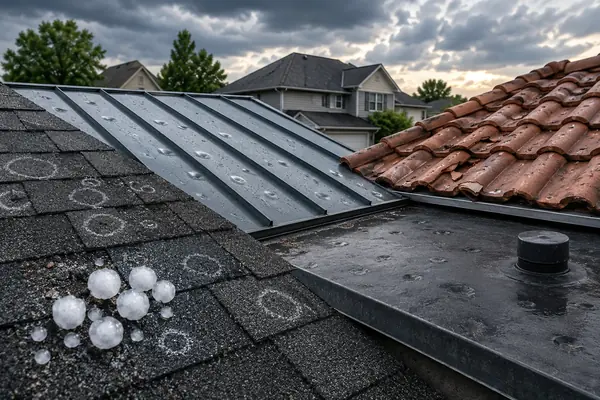
Hail is one of the most serious property threats in Roma and Starr County. Property owners dealing with roof, siding, gutter, or window impacts can review our guide to filing a hail damage insurance claim in Texas. Severe thunderstorms can damage asphalt shingles, metal roofs, clay or concrete tiles, rooftop equipment, gutters, windows, siding, exterior lighting, signs, fencing, and vehicles.

A March 2026 National Weather Service report documented wind-driven hail in Starr County and reported that roughly 30 Roma homes experienced indoor flooding near Arroyo Roma. More recent storms have also brought heavy rain, hail, and strong winds across Starr County, damaging hundreds of homes and businesses in affected communities.

Hail damage is not always visible from the ground. A roof may continue shedding water for weeks or months while bruised shingles, fractured matting, loosened fasteners, cracked tiles, or damaged seal strips remain unnoticed.

Common hail-related claim items include:

  • Shingle bruising and granule displacement
  • Cracked or displaced roof tiles
  • Dents in metal roofing and edge components
  • Damaged vents, flashing, and pipe jacks
  • Dented gutters and downspouts
  • Window-screen and glazing damage
  • Siding and exterior-finish impacts
  • Rooftop HVAC damage
  • Damaged commercial signs and canopies

Damaging Wind

Strong straight-line winds can lift shingles, loosen metal panels, damage soffits and fascia, break tree limbs, and drive rain through openings that were not leaking before the storm.

Wind damage may be scattered rather than uniform. One roof slope can sustain greater damage than another because of storm direction, surrounding buildings, tree cover, roof geometry, and previous repairs. This is one reason a complete inspection matters.

Heavy Rain and Localized Flooding

Roma sits along the Rio Grande and includes areas influenced by natural drainage paths, arroyos, culverts, low spots, and concentrated runoff. Heavy rainfall can overwhelm local drainage and cause water to enter homes, garages, businesses, and detached structures.

Water losses require careful cause analysis. A standard property policy may treat rain entering through a storm-created roof opening differently from rising surface water. Flood damage is also commonly handled under separate flood coverage rather than a standard homeowners policy. The exact policy language and cause of loss must be reviewed before assuming that damage is covered or excluded.

Tropical Weather Effects

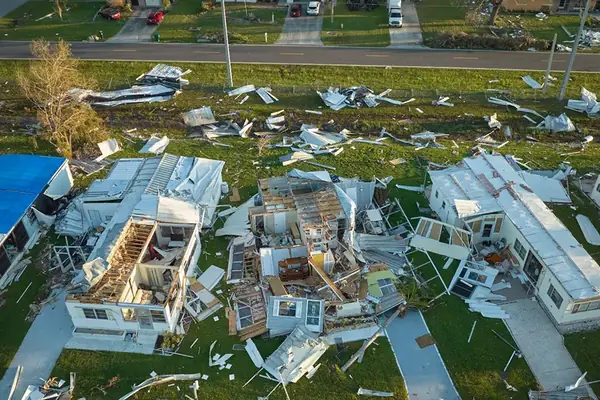
Roma is well inland from the Gulf Coast, so direct coastal storm surge is not the city’s primary concern. However, tropical systems and their remnants can still carry heavy rain, gusty winds, tornado potential, and prolonged power interruptions into South Texas.

Damage following a tropical system may involve several connected issues:

  • Wind-damaged roofing
  • Wind-driven rain
  • Ceiling and wall saturation
  • Damaged electrical components
  • Spoiled inventory
  • Business interruption
  • Fallen limbs
  • Detached structures
  • Mold risk after delayed drying

Heat, Drought, and Fire Losses

South Texas heat can accelerate roofing wear, stress sealants, affect HVAC systems, and dry vegetation. Although wildfire is not Roma’s dominant insurance threat, grass or brush fires, electrical fires, kitchen fires, and equipment fires can produce major residential or commercial claims.

Fire losses often involve more than burned materials. Smoke, soot, odor, water from firefighting, damaged contents, debris removal, electrical evaluation, and temporary relocation expenses may all require documentation.

Common Insurance Claims in Roma

Common Insurance Claims in Roma

Hail Damage Claims

A hail claim should account for all storm-damaged components, not only the most obvious roof marks. The inspection may need to include roofing, flashing, vents, gutters, downspouts, siding, windows, fencing, HVAC equipment, solar equipment, exterior fixtures, and interior areas affected by water intrusion.

Insurance disputes often develop when the carrier identifies minor roof damage but concludes that spot repairs are sufficient. Repairability, material availability, roof condition, slope configuration, and connected damage should all be evaluated before accepting that conclusion.

Water Damage Claims

Water damage in Roma may result from roof openings, plumbing failures, appliance leaks, HVAC drain problems, broken supply lines, backed-up systems, or stormwater intrusion. When the cause, drying scope, or repair estimate is disputed, understanding how to deal with an insurance adjuster after water damage can help a property owner avoid accepting an incomplete assessment. 

A complete water claim may involve:

  • Moisture mapping
  • Drywall and insulation removal
  • Flooring and baseboard damage
  • Cabinet and millwork damage
  • Electrical inspection
  • HVAC contamination
  • Contents manipulation
  • Drying and dehumidification
  • Mold-related evaluation
  • Temporary repairs

Drying a visible stain does not resolve concealed moisture behind walls, under flooring, or inside cabinetry. The source, spread, and required repair method should be documented.

Fire and Smoke Damage Claims

Fire claims are detail-heavy, and working with a fire insurance adjuster who represents the policyholder can help ensure that structural damage, contents, smoke, soot, and additional expenses are properly documented. Even a localized fire can distribute smoke and soot through an air-conditioning system or into rooms far from the source.

TX Public Adjusting can evaluate damage involving:

  • Burned structural materials
  • Smoke and soot contamination
  • Water used during suppression
  • Damaged personal property
  • Debris removal
  • Electrical and mechanical systems
  • Temporary housing
  • Code-related repairs when covered
  • Commercial inventory and equipment
  • Business-income documentation

The Roma area includes historic and older properties where replacement materials and repair techniques may require additional research. The Roma Historic District preserves significant borderland architecture and includes structures associated with the community’s former role as a Rio Grande river port.

Storm Damage Claims

A single Roma thunderstorm may create several categories of loss. Wind can lift the roofing system, hail can damage exterior components, and rain can enter through newly created openings.

When each condition is documented separately, the claim can miss the relationship between the exterior storm damage and the interior water loss. A coordinated scope helps connect the physical evidence.

Roof Damage Claims

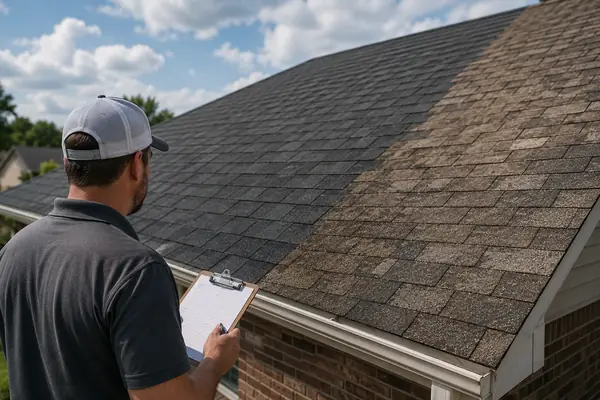
Roof claims commonly become disputed because the damage is difficult to see, because the carrier attributes it to age, or because the estimate includes only a small repair. A public adjuster for a roof claim can review the carrier’s scope against the observed damage, roof assembly, repair requirements, and related interior or exterior conditions. 

Roof materials found around Roma may include:

  • Asphalt composition shingles
  • Metal roofing
  • Clay and concrete tile
  • Modified-bitumen systems
  • Built-up roofing
  • Single-ply commercial membranes
  • Coatings over low-slope assemblies

The inspection should consider the entire roofing system, including underlayment, decking when exposed, penetrations, edge metal, drainage, flashings, parapets, and adjacent finishes.

Commercial Property Claims

Businesses along US 83 and throughout Roma may face losses involving retail buildings, offices, restaurants, warehouses, automotive facilities, multifamily properties, churches, and mixed-use structures.

Commercial claims can include:

  • Building damage
  • Tenant improvements
  • Inventory
  • Machinery and equipment
  • Signs and awnings
  • Refrigerated goods
  • Electronic systems
  • Extra expenses
  • Business-income loss
  • Ordinance or law considerations
  • Multiple tenant or unit impacts

A low commercial estimate can delay reopening and place pressure on the owner to accept an incomplete scope. TX Public Adjusting helps organize the building and financial documentation needed to present the claim.

Why Roma Insurance Claims Become Underpaid

Many underpaid losses begin with avoidable documentation, inspection, or communication problems. Reviewing these common property insurance claim mistakes can help Roma property owners identify issues before accepting a settlement. 

Damage Is Missed During the First Inspection

Carrier inspections may be brief, especially after a widespread Starr County storm. Damage can be overlooked when access is limited, the roof is steep, interior staining has not yet appeared, or several buildings must be inspected quickly.

The Estimate Leaves Out Connected Repairs

An estimate may include replacement of a damaged item without accounting for what must be removed, detached, reset, painted, sealed, tested, or replaced to complete the repair correctly.

Examples include:

  • Replacing shingles without related flashing work
  • Repairing drywall without insulation or texture
  • Replacing flooring without baseboards or transitions
  • Painting a patch without accounting for a continuous finish
  • Replacing roof material without edge components
  • Addressing interior water damage without repairing the exterior opening

Depreciation Is Applied Incorrectly

Recoverable and nonrecoverable depreciation depend on the policy, damaged item, and claim circumstances. Property owners may misunderstand what can be recovered after repairs or whether the carrier used the correct age and condition assumptions.

Labor and Material Pricing Is Too Low

South Texas repair costs can change after major storms because contractor demand, material availability, travel, disposal, and specialty labor all affect pricing. A generic estimate may not reflect the conditions facing a Roma property owner.

Documentation Is Incomplete

Photographs alone may not show the full claim. Strong documentation can involve measurements, diagrams, moisture readings, contractor input, inventories, invoices, receipts, repair specifications, policy review, and a detailed estimate.

The Carrier Attributes Storm Damage to Wear

Insurance commonly covers sudden and accidental direct physical loss subject to policy terms, while ordinary wear and maintenance issues may be excluded. Disputes arise when new hail or wind damage appears on a roof that also has age-related wear.

The presence of an older condition does not automatically answer whether a recent covered event caused additional damage. The specific evidence should be reviewed.

Our Public Adjusting Process

Property owners who are unfamiliar with the role can first review what a public adjuster does during a residential or commercial insurance claim. 

1. Claim Review

We begin by reviewing the known facts, insurance correspondence, estimates, photographs, and relevant policy provisions. We identify unresolved questions and determine whether a more detailed inspection is appropriate.

2. Property Inspection

We inspect accessible damaged areas and look for related conditions that may not appear in the carrier’s estimate. Depending on the loss, that can include roofing, exterior elevations, interior finishes, detached structures, contents, equipment, and commercial spaces.

3. Documentation and Scope Development

We organize the evidence supporting the claim. This may include photographs, measurements, diagrams, inventories, estimates, invoices, repair information, and a room-by-room or component-by-component scope.

4. Claim Presentation and Negotiation

TX Public Adjusting communicates with the insurance carrier and presents the documented position of the policyholder. We address scope differences, omitted items, depreciation questions, pricing disputes, and additional damage discovered during the claim.

5. Settlement and Claim Resolution

We continue working through the adjustment process until the documented claim issues are resolved or the available contractual process reaches its conclusion. Settlement decisions remain with the policyholder.

Already received an estimate? TX Public Adjusting can review it for missed or under-scoped damage at no charge.

Why Choose TX Public Adjusting

Why Choose TX Public Adjusting

Licensed Texas Representation

TX Public Adjusting is operated by Rise Public Adjusting LLC, Texas License #3356839.

We Represent Policyholders

We do not work for the insurance carrier. Our duty is to represent the interests of the residential or commercial policyholder during the property-claim process.

Texas-Focused Claim Experience

Texas claims involve hail, wind, water, freeze, fire, hurricane, tornado, and commercial-loss issues. Our team has reviewed thousands of claims and understands how property documentation, policy terms, estimating, and carrier communication work together.

Residential and Commercial Expertise

We assist homeowners, landlords, investors, business owners, commercial building owners, and other policyholders. The documentation needs of a house differ from those of a retail center or multifamily property, and the claim strategy should reflect that difference.

Detailed Scope Review

We compare the carrier’s estimate with the observed damage and the work reasonably required to restore the property, subject to the policy.

No Upfront Fees

A property owner can request a free claim review without paying an upfront fee. Any compensation arrangement is explained in writing before representation begins.

Roma Neighborhoods and Areas We Serve

Roma does not use neighborhood names as extensively as larger Texas metros, but local property owners commonly identify areas by established communities, corridors, historic sections, and nearby settlements.

We assist policyholders in and around:

  • Roma–Los Saenz
  • The Roma Historic District
  • Central Roma near the Plaza
  • Residential areas north of US 83
  • Properties near the Roma–Ciudad Miguel Alemán International Bridge
  • Escobares
  • Fronton
  • Falcon Heights
  • Garceno
  • La Rosita
  • Rio Grande City
  • Rio Grande
  • Salineño
  • Other Starr County communities

Roma’s Plaza, the historic customs house area, Our Lady of Refuge Catholic Church, the Roma Historic District, and the river overlook are among the community’s best-known places. The historic district became a National Historic Landmark in 1993 and reflects Roma’s long history as a borderland commercial center.

Frequently Asked Questions

How can a public adjuster help with a Roma property claim?

A public adjuster evaluates the loss from the policyholder’s perspective. That work can include reviewing the policy and carrier estimate, inspecting the property, documenting omitted damage, preparing a repair scope, and communicating with the insurance company.

This can be especially useful when a Roma claim involves several categories of damage, such as hail impacts, roof openings, water intrusion, damaged contents, and temporary repairs.

When should I hire a public adjuster in Roma?

You can hire a public adjuster before filing, while the claim is being adjusted, or after receiving an estimate, subject to claim deadlines and the facts of the loss. Our guide explains when it is too late to hire a public adjuster and why property owners should not wait until evidence is lost or a deadline is approaching. 

Property owners often seek help after receiving a low payment, a denial, repeated requests for information, or an estimate that leaves out visible damage. Earlier involvement can make it easier to preserve evidence and organize documentation.

Can you review a claim that has already been paid?

Yes. A prior payment does not always mean every claim issue has been resolved. Policies and claim procedures may allow additional documentation or supplemental consideration when covered damage was omitted.

The claim’s dates, settlement documents, policy provisions, and prior communications must be reviewed before determining what options may remain.

What does a Roma public adjuster charge?

Public adjusters commonly work under a written fee agreement tied to the insurance recovery, subject to Texas law and the contract terms.

TX Public Adjusting offers a free initial claim review and charges no upfront fee. The agreement and fee structure are explained before representation begins.

Can a public adjuster help after a hailstorm?

Yes. Hail claims are a major part of public adjusting work in Texas. A Roma hail inspection may involve roofing, gutters, siding, windows, HVAC equipment, fencing, exterior finishes, and interior water damage.

Because hail damage can be difficult to identify from ground level, a carrier’s limited inspection may not capture every affected component.

Is flood damage covered by homeowners insurance?

Standard homeowners policies commonly exclude rising surface water and flooding, which may require separate flood insurance. However, storm-created openings and wind-driven rain may be handled differently depending on the policy and cause of loss.

Do not assume that all water damage is either covered or excluded. The source of the water, sequence of events, and policy wording should be reviewed.

Can you help with a denied Roma insurance claim?

TX Public Adjusting can review the denial letter, available evidence, policy language, photographs, estimates, and claim history.

A denial is not automatically incorrect, but it should be supported by the facts and policy. The review helps determine whether relevant damage or information was overlooked.

Do you handle commercial claims in Roma?

Yes. We assist with commercial building, inventory, equipment, tenant-improvement, extra-expense, and business-income issues.

Commercial claims often require coordination among owners, tenants, contractors, accountants, and insurance representatives. Organized documentation is essential.

How long does a property insurance claim take?

The timeline depends on the severity of the loss, availability of inspections, documentation, carrier response, scope disputes, and whether supplemental information is needed.

A straightforward roof claim may move faster than a major fire, water, or commercial loss. We keep the policyholder informed as the adjustment progresses.

Why was my roof claim estimate so low?

The estimate may be limited because the inspection missed damage, included only spot repairs, used low pricing, omitted connected components, or attributed storm effects to age and wear.

A scope review compares the estimate with the actual roof system, observed storm evidence, repairability, required labor, and related exterior or interior damage.

Get a Free Roma Insurance Claim Review

A low estimate can leave a Roma homeowner or business owner paying for covered repairs out of pocket. A delayed claim can interrupt repairs, increase moisture damage, and place additional pressure on the policyholder.

TX Public Adjusting provides independent representation for residential and commercial property owners throughout Roma and Starr County.

Contact TX Public Adjusting for:

  • A free claim review
  • No upfront fees
  • Licensed Texas public-adjuster representation
  • Residential and commercial claim assistance
  • Help with hail, wind, water, fire, roof, and storm claims
  • Review of denied or underpaid property claims

TX Public Adjusting
Rise Public Adjusting LLC
Texas License #3356839

Learn More About Public Adjusting Services