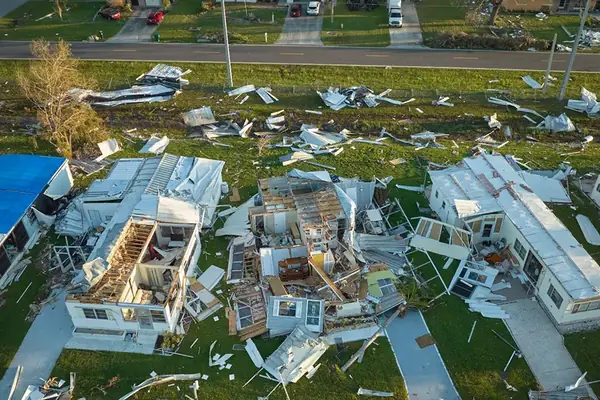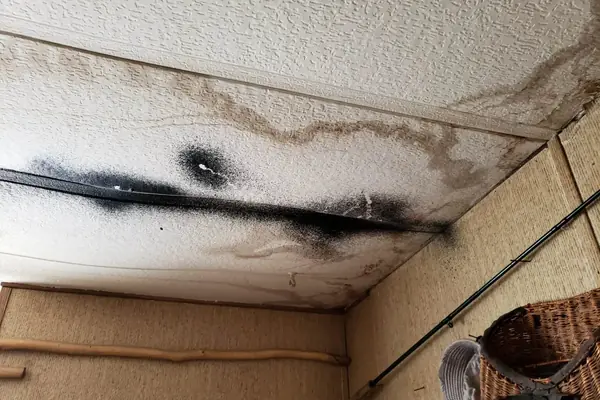
Property damage in Richmond can escalate quickly. A Gulf Coast storm can lift shingles, drive rain behind exterior walls, damage fences, and interrupt electrical systems in a single afternoon. Plumbing failures and appliance leaks can also spread water through flooring, cabinets, insulation, and adjoining rooms before the full extent of the loss becomes visible. When an insurer’s estimate leaves out part of the damage, a licensed public adjuster in Richmond, TX can help document the loss and present the claim from the policyholder’s side. As a Texas public adjuster, TX Public Adjusting represents residential and commercial policyholders—not insurance companies.
TX Public Adjusting provides insurance claim assistance for Richmond homeowners, landlords, business owners, commercial property managers, and community associations. We inspect damaged property, review policy and claim documents, prepare a detailed scope, and communicate with the insurance carrier throughout the claim process.
TX Public Adjusting operates through Rise Public Adjusting LLC, Texas License #3356839. We represent policyholders—not insurance companies.
Request a Free Claim Review. There are no upfront fees for our public adjusting services.
Richmond is the Fort Bend County seat and sits along the Brazos River southwest of Houston. Its property mix includes historic buildings near Morton Street, established homes around the city center, acreage properties, newer subdivisions, and large master-planned communities associated with Richmond mailing addresses. That combination creates claim challenges that can vary significantly from one property to the next.
Why Property Owners Hire a Public Adjuster in Richmond
Insurance companies assign adjusters to investigate losses and prepare estimates on behalf of the carrier. A public adjuster has a different role: representing the policyholder during the property insurance claim.
That distinction becomes important when a Richmond property has widespread damage, multiple affected building components, disputed repair methods, or an estimate that does not appear sufficient to complete the work.
A public insurance adjuster in Richmond may assist by:
- Reviewing the policy and applicable coverage
- Inspecting visible and potentially hidden damage
- Comparing the insurer’s estimate with site conditions
- Identifying omitted materials, labor, and repair steps
- Preparing photographs, measurements, inventories, and supporting documents
- Coordinating access for inspections
- Communicating with the carrier’s representatives
- Presenting supplements when additional covered damage is documented
- Helping the policyholder understand the status of the claim
This support can be valuable after hail, wind, water, fire, roof, and commercial property losses. It can also help owners who have already received a payment but believe the estimate does not reflect the complete scope of repairs.
Richmond claims often require careful separation of storm-created damage from age, wear, maintenance issues, or prior conditions. The carrier may focus heavily on that distinction. Clear photographs, accurate measurements, weather information, repair documentation, and a well-supported timeline can make the claim easier to evaluate.
Richmond Property Damage Risks
Richmond’s location in Fort Bend County exposes property owners to several overlapping weather and building risks. The area can experience tropical systems, severe thunderstorms, hail, straight-line winds, lightning, heavy rain, river flooding, localized drainage problems, and occasional tornado conditions.
The National Weather Service identifies damaging winds, flooding rain, lightning, large hail, and tornadoes among the hazards that severe thunderstorms can produce. Richmond also has significant wind exposure from hurricanes, tornadoes, and severe storms.
Hurricanes and Tropical Storms
Richmond is inland from the Texas coast, but it is not insulated from tropical weather. Property owners dealing with wind, rain, and interior damage can also review our guide to hurricane property damage claims, which explains the types of building damage that may follow a major tropical system. Hurricanes and tropical storms moving through the Houston region can bring prolonged wind, wind-driven rain, falling branches, roof damage, power interruptions, and interior water intrusion.
A roof does not have to be completely removed for a serious claim to develop. Wind can loosen ridge caps, damage flashing, displace shingles, open roof transitions, or create small entry points that allow rain into the attic. Water may then travel along rafters or framing before appearing on a ceiling far from the original opening.
Tropical-weather claims may involve:
- Missing, lifted, or creased shingles
- Damaged roof vents and flashing
- Leaks around chimneys and wall transitions
- Broken windows or damaged exterior doors
- Fence, gate, and detached-structure damage
- Fallen trees and impact damage
- Wet insulation and drywall
- Flooring and cabinet damage
- Electrical or mechanical equipment damage
- Business interruption or loss-of-income concerns
Coverage for wind, flood, surface water, and storm-created openings depends on the policy and cause of loss. We review the available documents before taking a position on the claim.
Brazos River and Local Flooding Concerns
The Brazos River is a defining Richmond landmark, but it also contributes to the area’s flood awareness. Fort Bend County communities have experienced major flood threats during periods of intense rainfall and high river levels. Richmond-area subdivisions may also face street flooding, overwhelmed drainage systems, or water accumulation unrelated to river overflow.
Property owners should understand that standard property policies often treat flood or rising surface water differently from water entering through storm-created building damage. A loss may involve more than one source of water, and coverage can turn on how the water entered the building.
For example, a tropical storm could damage a roof and allow rain into the attic while rising water simultaneously enters at ground level. Those conditions may involve separate policies, exclusions, deductibles, and documentation requirements.
We examine the physical evidence and available policy language rather than assuming all water damage will be treated the same way.
Severe Thunderstorms, Hail, and Wind
Richmond is part of the greater Houston weather environment, where warm, humid air can contribute to strong thunderstorms. These systems may produce hail, damaging wind gusts, intense rainfall, and isolated tornado activity.
Hail damage is not always obvious from the ground. A roof may appear intact while shingles, metal components, vents, gutters, screens, fencing, or exterior finishes have sustained impact damage.
Wind can also create uneven damage patterns. One roof slope may show clear distress while another appears relatively unaffected. Corners, ridges, eaves, overhangs, and roof-to-wall connections may experience different pressures during the same storm.
A detailed Richmond storm claim should consider the entire property—not just the most visible roof surface.
Common Insurance Claims in Richmond
Hail Damage Claims
Hail can bruise asphalt shingles, fracture matting, loosen granules, dent metal roofing, damage soft-metal components, crack tile, and mark siding or exterior finishes. The resulting damage may reduce the roof system’s serviceability even when no immediate interior leak is visible. Our guide to filing a hail damage insurance claim in Texas explains the documentation and scope issues property owners should watch for after a storm.
A complete hail claim inspection may include:
- Roofing materials
- Ridge and hip components
- Flashing and vents
- Gutters and downspouts
- Window screens
- Exterior lighting
- Fences and gates
- HVAC equipment
- Siding or stucco
- Detached garages and other structures
The date of loss is especially important. Richmond may experience several storms in the same season, so documentation should connect observed damage to the reported event as clearly as possible.
Water Damage Claims
Water claims can begin with a failed supply line, overflowing appliance, broken pipe, damaged water heater, air-conditioning drain problem, plumbing backup, or roof leak. Property owners who have already filed can review our guide to dealing with an insurance adjuster after water damage for additional information about inspections, estimates, and claim communication. The visible water stain may represent only a small portion of the affected area.
Water can migrate under flooring, into wall cavities, behind cabinets, and through insulation. Depending on the materials and duration of exposure, the claim may require drying, demolition, cleaning, testing, reconstruction, and personal-property evaluation.
We review whether the insurer’s scope addresses:
- Water extraction
- Moisture mapping
- Drying equipment
- Removal of damaged materials
- Access to plumbing or mechanical components
- Cabinet and countertop detach-and-reset work
- Flooring continuity
- Baseboards, trim, texture, and paint
- Debris removal
- Reconstruction
- Contents manipulation and storage
Fire and Smoke Damage Claims
A fire claim rarely ends with replacing what burned. Heat, smoke, soot, water from suppression efforts, and emergency access can affect areas beyond the fire’s point of origin. Our fire damage insurance claim guide explains how structural damage, soot, smoke, water, debris removal, and damaged contents may become part of the same loss.
Richmond fire claims may involve structural repairs, smoke cleaning, odor treatment, electrical evaluation, HVAC contamination, debris removal, temporary protection, contents inventories, and additional living expenses.
Commercial fire losses can also create business-income issues, tenant concerns, equipment damage, and code-related repair questions.
Detailed documentation is especially important when the insurer proposes cleaning an item or material that the policyholder believes requires replacement.
Storm Damage Claims
Storm damage may combine several causes of loss: wind, rain, hail, lightning, falling trees, debris impact, and power interruption. Each component should be documented separately and connected to the appropriate repair.
A carrier’s first estimate may focus on the obvious damage while omitting interior finishes, temporary repairs, matching considerations, access costs, or work needed to restore connected systems.
TX Public Adjusting reviews the property as a whole rather than treating each visible symptom as an isolated repair.
Roof Damage Claims
Richmond roofs are exposed to intense sun, high humidity, heavy rain, tropical wind, and periodic hail. After a storm, disputes may arise over whether damage was caused by the reported event, ordinary aging, installation conditions, or prior deterioration. A public adjuster for a roof claim can review the carrier’s scope against the documented condition of the roofing system.
Roof claims may involve:
- Asphalt composition shingles
- Metal roofing
- Tile roofing
- Modified-bitumen or built-up systems
- Low-slope commercial roofs
- Flashing and penetrations
- Gutters and drainage components
- Roof-mounted equipment
- Interior water damage
A proper scope should address the applicable roofing system, required accessories, reasonable labor, disposal, safety requirements, and related interior repairs.
Commercial Property Claims
Richmond and the surrounding Fort Bend County area include retail centers, offices, restaurants, warehouses, churches, multifamily properties, medical offices, agricultural facilities, and mixed-use buildings.
Commercial claims can become complicated because several interests may be involved at once: the building owner, tenant, property manager, lender, contractor, carrier, and restoration company.
Commercial property claims may include:
- Building damage
- Business personal property
- Inventory
- Equipment
- Tenant improvements
- Signs and exterior features
- Loss of income
- Extra expense
- Temporary repairs
- Code-related work
- Multiple buildings or locations
We work to organize the physical damage and financial documentation so the claim can be presented in a clear, supportable format.
Richmond Neighborhoods and Properties We Serve

Richmond includes the historic city itself and a much broader group of communities commonly associated with Richmond addresses. Major developments and established neighborhoods in and around the service area include Aliana, Grand Mission, Harvest Green, Long Meadow Farms, Pecan Grove, River’s Edge, Lakes of Bella Terra, Fieldstone, Veranda, and Old Orchard. Real-estate sources also identify Aliana and Old Orchard among prominent Richmond-area communities.
The property-claim issues can differ by neighborhood.
Historic Richmond and the Morton Street Area
Historic Downtown Richmond contains older commercial and residential buildings near Morton Street, the Fort Bend County courthouse area, the Fort Bend Museum, and the John M. Moore Home. Richmond’s historic character can complicate repair estimates because older construction may involve distinctive materials, limited replacement availability, or additional labor.
A loss affecting an older property should be scoped according to the building that actually exists—not a generic modern replacement assumption.
Pecan Grove and Established Communities
Established neighborhoods such as Pecan Grove often contain mature trees, older roof systems, larger lots, detached structures, and additions completed at different times. Severe wind may damage roofs while also affecting trees, fences, patios, and accessory buildings.
Older homes may have multiple layers of previous repairs, which can create disagreement about storm damage versus pre-existing conditions. Good documentation helps establish what changed after the reported event.
Aliana, Harvest Green, and Newer Master-Planned Areas
Newer Richmond-area communities such as Aliana and Harvest Green contain large numbers of homes built within relatively concentrated time periods. A single hail or wind event may affect many properties across the same subdivision.
Even similar-looking homes can sustain different damage due to roof orientation, material condition, installation details, nearby structures, and exposure. A neighbor receiving a roof replacement does not automatically determine another owner’s coverage, but widespread neighborhood repairs may justify a careful inspection.
Grand Mission and Western Richmond
Communities around Grand Mission and the western Richmond corridor have experienced rapid development. Heavy rainfall can create drainage concerns, while strong thunderstorms may damage roofs, fences, garage doors, and exterior finishes.
New construction does not eliminate the possibility of a significant claim. Wind-driven rain may exploit installation defects or vulnerable transitions, and hail can damage relatively new roofing materials.
Why Richmond Insurance Claims Become Underpaid
An underpaid claim does not always result from one major mistake. It often develops through a series of smaller omissions.
Missed or Unseen Damage
The carrier’s inspection may be brief or limited to readily visible conditions. Damage behind walls, under flooring, inside attics, above ceilings, or beneath roofing components may not be included in the first estimate.
Incomplete Repair Scope
An estimate may include a damaged material but omit the work required to access, remove, reinstall, or finish the surrounding area.
Examples include replacing drywall without insulation, replacing cabinets without countertop work, or repairing a roof surface without addressing flashing, vents, underlayment, and related accessories.
Depreciation Issues
Depreciation can significantly reduce the initial payment. Some policies allow recoverable depreciation after covered repairs are completed and documented, while other items may be subject to nonrecoverable depreciation.
The estimate and policy should be reviewed together so the policyholder understands what was withheld and what may be recoverable.
Low Labor or Material Pricing
Carrier estimating software is a starting point, not a guarantee that local contractors can perform the complete work for the listed amount. Pricing may also fail to reflect project complexity, trade coordination, safety requirements, material availability, or the property’s specific construction.
Documentation Gaps
Claims can be weakened by missing photographs, incomplete inventories, unclear timelines, discarded materials, undocumented emergency work, or inconsistent communication.
We help organize the file so the carrier receives a more complete presentation of the claimed damage.
Repair-versus-Replacement Disputes
The insurer may propose a localized repair while the owner or contractor believes replacement is required. These disputes often arise with roofing, flooring, cabinets, siding, tile, and continuous finishes.
The appropriate method depends on the policy, the material, repair feasibility, available replacements, and the actual damage.
Our Public Adjusting Process

1. Claim Review
We begin by discussing what happened, when it happened, what has already been reported, and what the insurance company has done. Property owners who are unfamiliar with the role can first review what a public adjuster does and how that role differs from the adjuster assigned by the insurance carrier.
We may review:
- The insurance policy
- Declarations and endorsements
- Carrier correspondence
- Payment documents
- Estimates
- Inspection reports
- Contractor proposals
- Photographs and videos
- Repair invoices
- Contents inventories
The initial review helps determine whether public adjusting services may add value.
2. Property Inspection
We inspect the affected areas and document visible damage. Depending on the loss, this may include the roof, exterior, attic, interior rooms, building systems, detached structures, contents, and commercial equipment.
Conditions that require engineering, environmental testing, legal advice, or another licensed specialty may require an outside professional.
3. Claim Documentation
We organize the evidence supporting the claim. This may include photographs, measurements, room-by-room notes, repair scopes, personal-property records, invoices, and other relevant documents.
The objective is to create a claim file that clearly explains what was damaged and what work may be needed to restore the property.
4. Estimate and Scope Comparison
We compare the carrier’s estimate with documented site conditions. We look for omitted areas, missing trades, incomplete quantities, pricing concerns, and work that may be necessary but was not included.
5. Carrier Communication and Negotiation
We present the documented claim and communicate with the carrier’s representatives. This can include discussing scope differences, attending inspections, answering requests, and submitting additional documentation.
A public adjuster cannot guarantee a particular outcome. The goal is to give the insurer a complete, organized, policy-based presentation of the claimed loss.
6. Settlement and Claim Follow-Through
We track claim activity, review updated estimates or payment documents, and help the policyholder understand the remaining issues.
Already received a low estimate? Request a Free Claim Review from TX Public Adjusting before accepting that the carrier’s first scope is complete.
Why Choose TX Public Adjusting
Licensed Texas Representation
TX Public Adjusting operates through Rise Public Adjusting LLC, Texas License #3356839.
We Represent Policyholders
We do not work for the insurance company. Our role is to represent the residential or commercial policyholder during the property claim. This distinction is explained further in our comparison of a public adjuster versus an independent adjuster.
Texas-Focused Claim Experience
Texas claims involve hail, hurricanes, wind, freeze damage, fire, plumbing losses, roof disputes, and commercial property issues. Our team has reviewed thousands of claims and understands the documentation required for both residential and commercial losses.
Residential and Commercial Expertise
We assist homeowners, landlords, investors, business owners, property managers, churches, associations, and commercial building owners.
Detailed Claim Preparation
We focus on inspection, documentation, scope accuracy, and clear communication. A strong claim is built around the actual property conditions and the applicable policy—not assumptions.
Free Initial Claim Review
Property owners can speak with our team before deciding whether to hire a Richmond public adjuster. There are no upfront fees for our public adjusting services.
Areas We Serve Near Richmond
TX Public Adjusting serves property owners throughout Richmond and neighboring Fort Bend County communities, including:
- Rosenberg
- Pecan Grove
- Sugar Land
- Fulshear
- Katy
- Mission Bend
- Stafford
- Missouri City
- Needville
- Simonton
- Booth
- Greatwood
- New Territory
- Four Corners
Rosenberg, Pecan Grove, Sugar Land, Mission Bend, Stafford, Missouri City, and Katy are among the communities closest to Richmond.
We also assist policyholders throughout the Houston metropolitan area and across Texas.
Frequently Asked Questions
What does a public adjuster in Richmond do?
A public adjuster represents the policyholder during a property insurance claim. We inspect damage, review policy and claim documents, prepare supporting evidence, compare estimates, communicate with the carrier, and help present the claim.
The insurance company’s adjuster works for the carrier. TX Public Adjusting works for the property owner.
When should I hire a Richmond public adjuster?
Consider speaking with a public adjuster when the damage is extensive, the claim involves several rooms or building systems, the carrier’s estimate appears incomplete, a payment is too low to complete repairs, or the claim has become difficult to manage.
You do not necessarily need to wait for a denial. Early documentation can be especially valuable after a major fire, water loss, hurricane, or commercial property claim. Property owners with an older or stalled claim can also review when it is too late to hire a public adjuster.
Can you help after the insurance company has already paid me?
Possibly. An initial payment does not always mean every claim issue has been resolved. Additional covered damage may be documented through a supplement, subject to the policy, claim status, deadlines, and facts of the loss.
We can review the carrier’s estimate, payment documents, and available evidence to identify potential scope differences.
How much does a public adjuster cost in Richmond?
Public adjusters commonly work under a contingency-based agreement, meaning the fee is tied to the insurance recovery handled under the contract rather than being charged as an upfront retainer.
The agreement should explain the fee and services before representation begins. TX Public Adjusting offers a free initial claim review and no upfront public adjusting fees. Our guide to public adjuster fees explains how contingency-based agreements generally work and what property owners should review before signing a contract.
Can a public adjuster help with a denied claim?
A public adjuster may review the denial letter, policy language, damage documentation, and claim history. Some disputes arise from insufficient evidence, disagreement over the cause of loss, exclusions, late reporting, or alleged maintenance problems.
Not every denied claim can be reversed, and some matters require an attorney or another specialist. We will explain whether the issue appears appropriate for public adjusting assistance.
Does homeowners insurance cover flood damage in Richmond?
Standard homeowners policies commonly distinguish rising floodwater or surface water from water that enters through covered storm damage. Flood coverage may require a separate policy.
Because Richmond is near the Brazos River and can experience heavy rainfall, identifying the source and path of water is especially important. A single property may have damage involving more than one cause and more than one policy.
Can you help with hail damage when my roof is not leaking?
Yes. A roof does not have to leak immediately for hail damage to exist. Hail can affect shingles, metal components, vents, flashing, gutters, screens, fencing, siding, and HVAC equipment.
Coverage depends on the policy and the documented cause and condition of the property. A professional inspection can help determine whether there is damage worth reporting or reviewing.
How long does a Richmond property insurance claim take?
The timeline depends on the severity of damage, policy requirements, carrier response, inspection availability, documentation, repair complexity, and whether the scope is disputed. Separate from the total claim timeline, Texas property owners often ask how long an insurance adjuster has to contact you after the loss is reported.
A straightforward claim may move faster than a large commercial fire, multi-building hail loss, or hurricane claim involving engineering and extensive inventories. We focus on keeping the documentation organized and responding promptly as the claim proceeds.
Do I still need a contractor when I hire a public adjuster?
Usually, yes. A public adjuster handles the insurance claim and represents the policyholder. A contractor performs or proposes the repair work.
The roles are different. Depending on the loss, you may also need a roofer, plumber, engineer, restoration company, hygienist, accountant, or other qualified professional.
Can TX Public Adjusting help commercial property owners in Richmond?
Yes. We assist with commercial building damage, business personal property, equipment, inventory, tenant improvements, multi-building losses, and applicable business-income or extra-expense documentation.
Commercial claims often require coordination between several parties. We help organize the property-damage portion of the claim and communicate with the carrier throughout the adjustment process.
Get a Free Richmond Insurance Claim Review
A property claim should reflect the damage that actually occurred—not only what was visible during a brief inspection.
TX Public Adjusting helps Richmond property owners document hail, wind, water, fire, roof, storm, and commercial property claims. We serve historic Richmond properties, established neighborhoods, newer master-planned communities, and businesses throughout Fort Bend County.
Contact TX Public Adjusting for a Free Claim Review of your Richmond property insurance claim.
- Licensed Texas Public Adjuster
- Residential and Commercial Claims
- Independent Policyholder Representation
- Rise Public Adjusting LLC
- Texas License #3356839
- No Upfront Fees