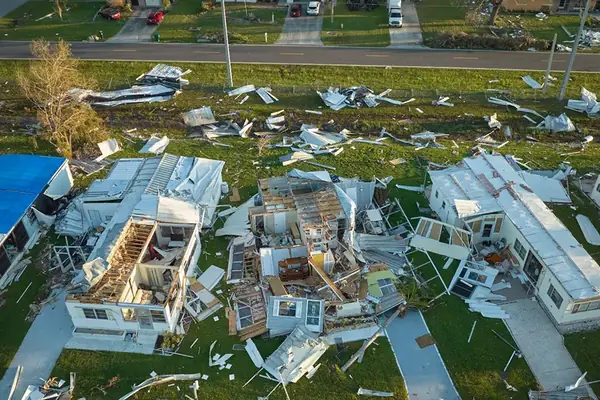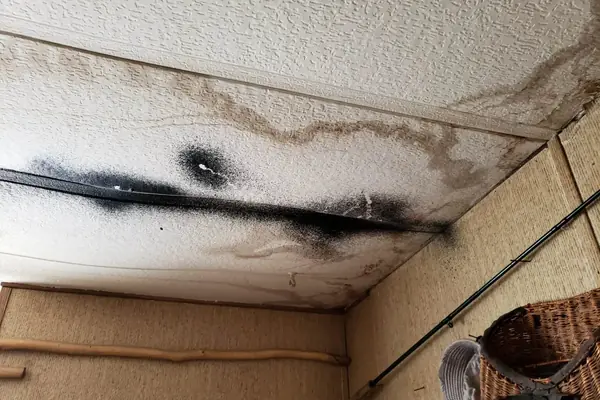
Property damage in Pecan Grove can become expensive long before the full extent of the loss is visible. A tropical system may lift shingles and push rain through roof openings. A severe thunderstorm can damage gutters, fencing, windows, exterior finishes, and mature trees across the property. A plumbing leak can spread beneath flooring or behind walls while the visible damage still appears limited.
When the insurance company’s estimate does not reflect the complete loss, a public adjuster in Pecan Grove can represent the policyholder throughout the claim. As a Texas public adjuster, TX Public Adjusting helps residential and commercial property owners inspect damage, review coverage, document repair needs, prepare a detailed claim scope, and communicate with the insurance carrier.
TX Public Adjusting is operated by Rise Public Adjusting LLC, Texas License #3356839. We represent policyholders—not insurance companies.
Dealing with a delayed, denied, or underpaid property claim? Request a free claim review from TX Public Adjusting. There are no upfront fees.
Why Property Owners Hire a Public Adjuster in Pecan Grove
Pecan Grove is not a generic Houston-area subdivision. It is a large, established Fort Bend County community with more than 2,100 homes, mature landscaping, a private country club, a 27-hole golf course, and 25 subdivision sections that include areas such as the Greens and the Terrace. Many properties have aging roofing systems, extensive fencing, large shade trees, attached garages, patios, and custom interior finishes.
Those features can make a property claim more complicated.
A quick carrier inspection may document the obvious roof opening but overlook resulting attic moisture. An estimate may include a few damaged shingles while omitting adjacent roofing components, flashing, vents, gutters, paint, fencing, or interior repairs. Water mitigation may be approved, but the estimate may not account for replacing continuous flooring, matching cabinets, removing wet insulation, or restoring affected rooms to their pre-loss condition.
A public insurance adjuster in Pecan Grove works to identify and document the complete covered loss. That may include:
- Reviewing the insurance policy and applicable endorsements
- Inspecting visible and potentially hidden damage
- Comparing the carrier’s estimate with actual repair requirements
- Preparing measurements, photographs, inventories, and repair scopes
- Documenting residential or commercial contents losses
- Identifying missing line items
- Presenting supplemental damage to the insurance company
- Communicating with adjusters and claim representatives
- Negotiating the property claim on behalf of the policyholder
The insurance company appoints an adjuster to investigate the claim for the carrier. Property owners who want a clearer explanation of the difference can review our guide to a public adjuster vs. independent adjuster. A licensed public adjuster represents the policyholder’s financial interests during the property insurance claim.
Property Damage Risks in Pecan Grove
Pecan Grove sits in northeastern Fort Bend County between major suburban corridors and the Brazos River. The community lies near Highway 90, Harlem Road, FM 359, the Grand Parkway, and the wider Richmond–Sugar Land area. Local recreational features include the Pecan Grove Plantation Country Club, neighborhood parks, nearby Cullinan Park, George Park, and the Brazos River corridor.
That location exposes local properties to several overlapping weather risks.
Tropical Storm and Hurricane Wind
Pecan Grove is inland, but it is still close enough to the upper Texas Gulf Coast to experience damaging winds, wind-driven rain, tornado-producing outer bands, and prolonged power outages during tropical systems.
Hurricane and tropical-storm losses may involve:
- Missing, creased, or lifted shingles
- Damaged roof vents and flashing
- Wind-driven rain entering attic spaces
- Fallen trees and broken limbs
- Fence and gate damage
- Window or door damage
- Water-stained ceilings
- Damaged detached structures
- Exterior cladding damage
- Electrical or equipment losses caused by outages
For a broader breakdown of roof, interior, structural, electrical, and water losses caused by major storms, read our Texas hurricane property damage guide. Hurricane Beryl, for example, brought hurricane-force impacts, extensive rainfall, flooding, tornado activity, and widespread power outages across Southeast Texas in July 2024.
Even when a roof remains largely intact, wind can compromise seals, flashing, ridge components, vents, and other vulnerable areas. These conditions may allow water to enter later, making a complete inspection especially important.
Heavy Rain and Flood-Related Issues
Pecan Grove’s proximity to the Brazos River and its low-lying Gulf Coast setting make water a major property concern. Localized street flooding, drainage overflow, roof runoff, wind-driven rain, and water entering through damaged building components can all produce complicated claims.
Regional risk assessments identify flooding as a significant environmental threat for the community.
Property owners should understand that flood insurance and homeowners or commercial property insurance are not the same. Rising surface water may fall under a separate flood policy, while rain entering through storm-created roof or exterior openings may be evaluated under the property policy. Coverage depends on the policy language and the cause of loss.
A public adjuster cannot create coverage that the policy does not provide. We can, however, review how the loss occurred, inspect the resulting damage, examine the applicable coverage, and help the policyholder document the claim accurately.
Severe Thunderstorms, Hail, and Straight-Line Wind
Southeast Texas thunderstorms can produce intense rain, damaging wind, lightning, hail, and occasional tornadoes. Severe storms affecting Fort Bend County and the wider Houston region have carried risks of large hail, strong wind gusts, and tornado development.
Hail in the Gulf Coast region may be less frequent than in North Texas, but even one storm can damage:
- Asphalt shingles
- Metal roofing
- Roof vents
- Gutters and downspouts
- Window screens
- Exterior paint
- Fencing
- Patio covers
- Air-conditioning fins
- Vehicles and exterior equipment
Wind can also loosen shingles without removing them completely. Creased shingles, displaced flashing, damaged ridge caps, and lifted membrane edges are easy to miss from the ground.
Mature Trees and Falling-Limb Damage
Pecan Grove is known for its mature trees and established streetscape. That character is part of the community’s appeal, but it can add another layer of storm exposure.
High wind and saturated soil may cause branches or entire trees to fall onto:
- Roofs
- Garages
- Fences
- Vehicles
- Utility lines
- Detached buildings
- Pool equipment
- Exterior mechanical systems
Tree impact claims often involve more than removing the limb and patching the roof. The full loss may include structural framing, decking, underlayment, insulation, drywall, paint, flooring, contents, temporary repairs, debris removal, and water mitigation.
Common Insurance Claims in Pecan Grove

Hail Damage Claims
Hail damage is not always obvious. A roof may look normal from the driveway while shingles have lost protective granules, metal components are dented, or impact marks have weakened the roofing system.
Insurance disputes may arise over whether the damage was caused by hail, normal aging, wear and tear, installation issues, or a previous storm. Thorough documentation can help distinguish recent storm damage from unrelated conditions. Property owners can also review our hail damage roof insurance claim guide for a detailed explanation of inspections, insurance estimates, depreciation, and roof-claim disputes.
For a hail claim, TX Public Adjusting may review:
- Roofing materials and slopes
- Soft-metal components
- Gutters, vents, flashing, and roof accessories
- Window screens and exterior finishes
- Fencing and detached structures
- Interior leaks related to storm-created openings
- The carrier’s roof measurements and repair assumptions
Before repairs begin, follow these steps on how to document hail damage for an insurance claim. When the carrier rejects the damage or attributes it to wear and tear, our guide explains what to do if your hail claim was denied.
Water Damage Claims
Water damage may result from a supply-line break, appliance leak, plumbing failure, roof leak, overflowing fixture, air-conditioning drain issue, or storm-created opening.
The most difficult part of a water claim is often not identifying that water entered the property. It is proving how far the water traveled and what must be removed, dried, treated, repaired, or replaced. A water damage public adjuster can review moisture documentation, mitigation records, repair estimates, and areas omitted from the carrier’s scope.
A proper water damage scope may involve:
- Moisture mapping
- Drywall and insulation removal
- Cabinet and countertop work
- Flooring replacement
- Baseboards, trim, and paint
- Electrical access
- Drying and dehumidification
- Mold-related evaluation where applicable
- Pack-out and contents handling
- Matching issues across connected rooms
The carrier’s first estimate may address only visible staining or a small area around the source. That does not always reflect the complete repair process.
Fire and Smoke Damage Claims
A fire loss can affect the entire property even when flames remain confined to one room. Smoke, soot, heat, water from firefighting, and airborne residues may spread through wall cavities, HVAC systems, attics, contents, and adjoining spaces. A fire insurance adjuster working for the policyholder can help document structural damage, smoke contamination, contents, debris removal, and additional living or business expenses.
Fire damage claims may include:
- Structural repairs
- Smoke and soot cleaning
- Odor treatment
- HVAC cleaning or replacement
- Electrical evaluation
- Debris removal
- Contents inventory
- Temporary housing or business interruption
- Code-related repairs
- Water damage from suppression efforts
Detailed documentation is critical because fire claims often involve several coverage categories and multiple specialists.
Storm and Wind Damage Claims
Windstorm damage can affect roofing, siding, fencing, windows, exterior doors, trees, detached structures, and interior finishes.
A recurring issue is partial documentation. The insurance estimate may include a roof repair but omit interior damage. It may include fence panels but exclude posts, staining, gates, or debris removal. It may identify a ceiling stain but fail to trace the source through the attic and roof assembly.
TX Public Adjusting reviews the loss as a connected event rather than as a collection of isolated cosmetic repairs.
Roof Damage Claims
Roof claims frequently become disputed because the carrier and property owner disagree over the cause, extent, or required method of repair. A public adjuster for a roof claim can compare the carrier’s findings with roof measurements, material requirements, interior damage, and the complete repair scope.
Common roof-claim issues include:
- Repair versus replacement
- Age-related exclusions
- Cosmetic-damage endorsements
- Matching materials
- Code upgrades
- Depreciation
- Prior damage allegations
- Mechanical damage allegations
- Multiple dates of loss
- Interior leaks not included in the estimate
Pecan Grove includes many established homes, and roofing systems may contain repairs, additions, discontinued materials, or components installed under different building standards. Those details can affect both the repair scope and the insurance evaluation.
Commercial Property Claims
Businesses near Pecan Grove, Richmond, Sugar Land, Highway 90, FM 359, and surrounding Fort Bend County corridors may benefit from working with a commercial public adjuster after losses involving retail space, offices, restaurants, warehouses, multifamily buildings, churches, professional facilities, and light industrial properties.
Commercial claims may include:
- Building damage
- Business personal property
- Inventory
- Equipment
- Tenant improvements
- Loss of income
- Extra expense
- Temporary relocation
- Code upgrades
- Professional fees
- Extended restoration timelines
Commercial claims can become especially complex when several tenants, contractors, vendors, lenders, and insurance representatives are involved. TX Public Adjusting assists commercial property owners with the documentation and coordination needed to present an organized claim.
Concerned that your estimate does not include all covered damage? Contact TX Public Adjusting for a free claim review before accepting the carrier’s scope as complete.
Why Pecan Grove Insurance Claims Become Underpaid
An insurance claim may be underpaid even when the carrier has accepted that a covered loss occurred.
Missed Damage
Some damage is hidden, difficult to access, or overlooked during a brief inspection. Moisture may extend behind cabinets. Roof damage may be present on slopes that are not visible from the ground. Smoke residue may have traveled through the air-conditioning system.
Scope Omissions
An estimate may list the main repair while leaving out the work needed to complete it. Missing items can include demolition, access, insulation, flashing, sealants, painting, texture, debris disposal, equipment resets, permits, labor minimums, overhead, and related trades.
Low Measurements or Quantities
Incorrect roof dimensions, room measurements, fence lengths, cabinet quantities, or material calculations can reduce the value of the claim throughout the estimate.
Depreciation Issues
Depreciation can affect how much money is initially issued and whether additional amounts may be recoverable after repairs. Policyholders should understand the difference between replacement cost, actual cash value, recoverable depreciation, and nonrecoverable depreciation under their policy.
Pricing Disputes
Repair costs can vary based on labor, materials, access, damage severity, property design, contractor availability, and local market conditions. A generic pricing assumption may not reflect the actual work needed at a Pecan Grove property.
Documentation Problems
A valid repair may still be challenged when photographs, measurements, invoices, inventories, timelines, or expert findings are incomplete. Strong documentation makes the claim easier to understand, verify, and evaluate. Avoiding common property insurance claim mistakes can help preserve evidence and reduce preventable disputes during the adjustment process.
Damage Attributed to Wear and Tear
Carriers may distinguish covered storm damage from deterioration, maintenance problems, faulty installation, or long-term leakage. The facts of the loss, condition of the materials, weather history, inspection findings, and policy language all matter.
Our Public Adjusting Process
1. Claim Review
We begin by learning what happened, reviewing the current claim status, and examining the available policy, correspondence, estimates, photographs, payments, and reports.
If the claim has already been inspected, we compare the insurance company’s findings with the damage reported by the property owner. Policyholders dealing with slow communication may also want to review how long an insurance adjuster has to contact you.
2. Property Inspection
We inspect the affected areas and look for related damage that may have been omitted. Depending on the loss, this may include the roof, attic, exterior, interior rooms, contents, detached structures, commercial spaces, or mechanical systems.
3. Documentation and Scope Preparation
We organize the evidence needed to support the claim. This may include:
- Photographs
- Measurements
- Damage notes
- Contents inventories
- Repair estimates
- Contractor documents
- Invoices and receipts
- Moisture information
- Business-loss records
- Reports from appropriate specialists
We then prepare or review a detailed repair scope based on the covered damage.
4. Claim Presentation
TX Public Adjusting communicates with the insurance carrier and submits the documented claim information. We identify scope differences, answer property-damage questions, and request consideration of covered items that were omitted or undervalued.
5. Negotiation and Resolution
We continue communicating with the carrier as the claim is evaluated. That may involve additional inspections, document requests, estimate comparisons, supplemental submissions, and negotiations.
The final outcome depends on the policy, facts, coverage, damage, documentation, and carrier evaluation. No public adjuster can guarantee a particular settlement. Our role is to prepare and advocate for a complete, well-supported claim.
Why Choose TX Public Adjusting
Licensed Texas Public Adjuster
TX Public Adjusting is operated by Rise Public Adjusting LLC, Texas License #3356839.
Texas regulates public adjusters, and property owners should verify licensing before hiring anyone to represent them in an insurance claim.
We Represent Policyholders
Insurance company adjusters work on behalf of the carrier. TX Public Adjusting works for the residential or commercial policyholder.
That distinction matters when the parties disagree about the scope of damage, repair requirements, depreciation, pricing, or claim value.
Residential and Commercial Experience
Our experience includes reviewing thousands of residential and commercial claim files involving storm, hail, water, fire, smoke, roof, and business-property losses.
We understand that a residential roof claim and a commercial loss require different documentation. A homeowner may need help with temporary housing, contents, and interior restoration. A business owner may also need support documenting inventory, equipment, extra expense, tenant responsibilities, and lost income.
Texas-Focused Claim Knowledge
Texas claims are shaped by severe weather, tropical systems, hail, wind, freeze events, flooding concerns, construction practices, roofing materials, and state insurance requirements.
Our work is focused on Texas properties and Texas policyholders.
Detailed Claim Preparation
We do not rely on a few photographs and a general damage description. We work to organize the facts, measurements, repair requirements, estimates, inventories, and supporting documents into a claim presentation the carrier can evaluate.
Free Claim Review and No Upfront Fees
Property owners can request a free initial claim review. There are no upfront fees for public adjusting services. Any fee arrangement is explained in the written agreement before representation begins.
Areas We Serve Near Pecan Grove

TX Public Adjusting assists property owners throughout Pecan Grove and surrounding Fort Bend County communities, including:
- Richmond
- Sugar Land
- Rosenberg
- New Territory
- Greatwood
- Harvest Green
- Aliana
- Long Meadow Farms
- Mission Bend
- Four Corners
- Fulshear
- Katy
- Stafford
- Missouri City
- Simonton
Within Pecan Grove, we assist property owners across the community’s established residential sections, including properties near the Greens, the Terrace, Pecan Grove Plantation Country Club, Plantation Drive, Farmer Road, Pitts Road, FM 359, Harlem Road, and the Brazos River side of the neighborhood.
Frequently Asked Questions
What does a public adjuster in Pecan Grove do?
A public adjuster represents the policyholder during a property insurance claim. The work may include reviewing the policy, inspecting damage, preparing an estimate, documenting contents, organizing supporting records, communicating with the carrier, and negotiating disputed claim items.
TX Public Adjusting represents residential and commercial policyholders in Pecan Grove. We do not work for the insurance company.
When should I hire a public adjuster after property damage?
The strongest time to hire a public adjuster is often before the property is repaired and before important evidence disappears. Early involvement allows the adjuster to inspect conditions, document affected materials, review mitigation decisions, and help organize the claim from the beginning.
You may also hire a public adjuster after receiving a low estimate, partial denial, disputed scope, or unexpected claim payment. The available options depend on the policy, claim status, deadlines, and evidence.
Can a public adjuster help with an underpaid roof claim?
Yes. A public adjuster can inspect the roof, review the carrier’s estimate, compare measurements, evaluate related exterior and interior damage, and document missing covered items.
Common roof disputes involve repair versus replacement, matching, flashing, vents, gutters, code items, depreciation, prior damage, and whether interior water damage resulted from the same storm.
Does homeowners insurance cover hurricane damage in Pecan Grove?
Many property policies cover certain types of wind damage, but coverage varies. Policies may contain separate wind or named-storm deductibles, exclusions, limitations, or endorsements.
Flooding caused by rising surface water is generally handled differently from wind-driven rain entering through a storm-created opening. The exact policy language and cause of loss must be reviewed.
Can you help with water damage near the Brazos River?
We assist with covered property claims involving plumbing failures, appliance leaks, roof leaks, storm-created openings, drainage-related damage, and other water losses.
Coverage for river flooding, surface water, or overflow may require a separate flood policy. We review the cause of loss and the applicable insurance documents before advising how the damage should be presented.
How much does a public adjuster cost in Texas?
Public adjusters generally charge a fee based on the claim arrangement described in the written contract. The fee structure, services, cancellation rights, and other terms should be explained before the property owner signs.
TX Public Adjusting offers a free claim review and does not charge upfront fees. Any applicable fee is disclosed in the representation agreement.
Can a public adjuster reopen a closed claim?
A closed claim may sometimes be reviewed or supplemented when covered damage was omitted, undervalued, or discovered later. The answer depends on the policy, date of loss, prior payments, releases, deadlines, and current claim status.
Bring the estimate, payment documents, denial letters, photographs, contractor proposals, and policy to the review. We can assess whether additional claim activity may be appropriate.
What documents should I save after a storm?
Save the policy, claim number, carrier correspondence, estimates, payment letters, photographs, videos, repair proposals, emergency service invoices, receipts, temporary housing records, and damaged-property inventories.
Avoid discarding damaged materials before they are documented unless removal is necessary for safety or mitigation. When items must be removed, photograph them thoroughly and retain receipts and reports.
Do you handle commercial claims in Pecan Grove?
Yes. TX Public Adjusting assists commercial property owners with building damage, inventory, equipment, tenant improvements, business personal property, extra expense, and business-income documentation when applicable.
Commercial claims often require coordination among ownership, tenants, contractors, accountants, restoration companies, and the insurance carrier. Organized documentation is especially important.
What happens during a free claim review?
We review the basic facts of the loss, the claim status, the carrier’s position, and the documents available. We may ask about the date of loss, cause of damage, inspections, payments, repairs, estimates, and unresolved concerns.
The purpose is to determine whether public adjusting services may add value. A free review does not obligate you to hire TX Public Adjusting.
Request a Free Pecan Grove Claim Review
A property claim should reflect more than the damage that was easiest to see during the first inspection.
When roof damage, interior water intrusion, storm impacts, fire loss, or commercial property damage is missing from the insurance estimate, TX Public Adjusting can review the claim and help document the complete covered loss.
Rise Public Adjusting LLC
Texas License #3356839
Residential and Commercial Claims
Free Claim Review
No Upfront Fees
Contact TX Public Adjusting today for a free Pecan Grove claim review.