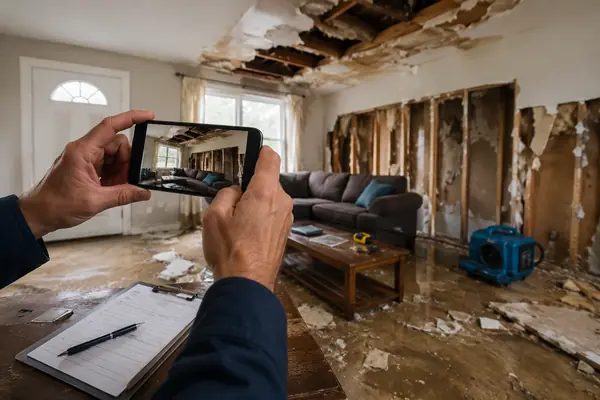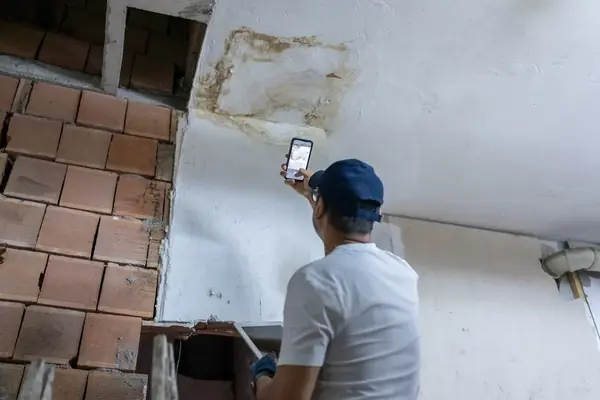
Property damage in Marshall can develop quickly and become expensive long before an insurance company finishes evaluating the claim. Severe thunderstorms can tear shingles from homes near Downtown Marshall, hail can damage commercial roofs along East End Boulevard, and heavy rain can push water through vulnerable roofing, windows, and exterior walls. Even a short storm may leave hidden damage that does not appear in the insurance company’s first estimate.
TX Public Adjusting provides services as a Texas public adjuster for residential and commercial property owners in Marshall. We inspect the loss, review the insurance policy and carrier estimate, document the full scope of damage, and negotiate from the policyholder’s side of the claim.
TX Public Adjusting is operated by Rise Public Adjusting LLC, Texas License #3356839. We represent property owners—not insurance companies.
Request a free claim review. There are no upfront fees to have our team evaluate the situation and explain your options.
Why Property Owners Hire a Public Adjuster in Marshall
A public adjuster is an insurance claims professional who works for the policyholder. The insurance company’s adjuster evaluates the loss for the carrier. A public adjuster prepares and presents the claim on behalf of the person or business that owns the damaged property.
That difference matters when a Marshall insurance claim involves widespread roof damage, multiple rooms, commercial inventory, equipment, code-related repairs, or disagreements over the cause and extent of the loss.
Property owners commonly contact a public adjuster when:
- The carrier’s estimate appears too low.
- Important damage is missing from the scope.
- A roof claim has been denied or partially approved.
- The claim involves several trades or building systems.
- Water damage extends beyond the visible area.
- The insurance company applies significant depreciation.
- The property owner is overwhelmed by documentation requests.
- A commercial loss is interrupting business operations.
- The claim has stalled without a clear path forward.
- A supplement or reopening may be necessary.
Marshall properties include historic homes, newer residential construction, churches, schools, offices, retail buildings, warehouses, apartment properties, and other commercial facilities. Each building type creates different documentation and repair-scope issues.
An older home near the historic center of Marshall may include original materials that cannot be priced like basic modern replacements. A commercial building near Interstate 20 may have a low-slope roofing system, rooftop equipment, signage, inventory, and interior finishes affected by the same storm. A complete claim must account for the property as a whole.
Marshall’s Local Property-Damage Risks
Marshall is the county seat of Harrison County in East Texas. The area is exposed to severe thunderstorms, hail, strong straight-line winds, tornado activity, heavy rainfall, lightning, falling trees, and occasional winter weather. Texas has experienced a large number of major severe-storm, tropical-cyclone, flood, freeze, and winter-storm disasters, making weather-related property losses a recurring concern throughout the state.
Hail and Severe Thunderstorms
Spring and early summer storms can produce hail that damages asphalt shingles, metal roofs, gutters, vents, window screens, siding, HVAC fins, fencing, and exterior finishes. Hail damage is not always obvious from ground level.
A roof may continue shedding water after a hailstorm while the shingles have already suffered bruising, granule loss, fractured mats, or weakened seals. Metal components may show dents that help establish the direction and intensity of the storm even when roof damage is disputed.
Marshall property owners should also watch for:
- Fresh dents on gutters and downspouts
- Damage to roof vents or flashing
- Shingle granules collecting near drains
- New ceiling stains after later rainfall
- Dented metal roofing or siding
- Damaged skylights and exterior fixtures
- Cracked window glazing or torn screens
Clear photographs, storm-date records, damaged-component images, and repair information can strengthen the claim presentation. See how to document hail damage for an insurance claim before repairs or cleanup remove important evidence. Waiting for an interior leak can make a hail claim harder to document. Property owners can review our hail damage roof insurance claim guide to understand common roof issues, documentation needs, and carrier disputes after a Texas hailstorm.
Straight-Line Wind and Tornado Damage
East Texas thunderstorms can bring intense wind capable of lifting shingles, loosening flashing, damaging soffits, overturning exterior equipment, breaking limbs, and pushing rain through the building envelope. Tornadoes add the possibility of concentrated structural damage and debris impact.
Wind claims often become disputed because the carrier identifies only the most visible damage. An estimate may include a small roof repair while omitting compromised shingles on adjacent slopes, damaged underlayment, detached flashing, interior moisture, fencing, or debris-removal costs.
Trees are another major concern in Marshall’s heavily wooded surroundings. A fallen tree may damage the roof, framing, electrical service, fencing, detached structures, or vehicles. Even when the tree does not fully penetrate the roof, the impact can shift framing or open seams that allow water intrusion.
Heavy Rain and Water Intrusion
Marshall’s humid East Texas climate and periods of heavy rainfall can turn a roof or plumbing problem into widespread interior damage. Water may travel behind walls, above ceilings, through insulation, and beneath flooring before visible staining appears.
Common water-related losses include:
- Roof leaks after wind or hail
- Burst or leaking supply lines
- Water-heater failures
- Appliance-line leaks
- HVAC drain overflows
- Plumbing backups
- Ceiling and wall damage
- Damaged cabinets and flooring
- Wet insulation
- Mold-related concerns following delayed drying
Coverage depends on the cause of loss, policy language, exclusions, endorsements, and the steps taken after discovery. Surface water or flooding may be treated differently from rain entering through storm-created damage. That is why the cause and path of the water must be documented carefully.
Lightning, Fire, and Smoke Damage
Thunderstorms can also produce lightning-related electrical losses, fires, power surges, and equipment damage. Residential fires may affect much more than the room where the flames started. Smoke, soot, heat, water from firefighting, and contaminants can spread throughout the structure.
Commercial fire claims can involve damaged machinery, inventory, records, tenant improvements, electrical systems, and business-interruption issues. The visible burn area is only one part of the overall loss.
Winter Freeze Damage
Although Marshall is known for warm and humid conditions, hard freezes can still cause major losses. Frozen pipes may rupture in attics, walls, crawlspaces, commercial buildings, and vacant properties.
Once temperatures rise, water can spread through ceilings, insulation, flooring, cabinetry, electrical components, and personal property. A freeze claim may require plumbing, mitigation, structural drying, demolition, reconstruction, and contents documentation.
Common Insurance Claims in Marshall
Hail Damage Claims
Hail claims often involve disputes about whether marks are cosmetic, whether damage existed before the storm, and whether repair is possible. We evaluate the roof and exterior components together, compare the carrier’s findings with physical evidence, and identify related damage that may have been omitted.
The claim should address more than shingles. Gutters, soft metals, vents, flashing, screens, fencing, siding, skylights, HVAC equipment, and interior leaks may all require evaluation.
Water Damage Claims
Water damage claims become complicated when moisture extends into concealed spaces. A water damage public adjuster can review whether the carrier’s scope accounts for wet insulation, flooring, cabinets, drywall, access work, drying, demolition, and reconstruction.
TX Public Adjusting documents the source, affected rooms, materials, moisture spread, emergency services, and reasonable repair scope. We also review whether the carrier’s estimate properly accounts for demolition, drying, reconstruction, and related trades.
Fire and Smoke Damage Claims
Fire losses demand detailed documentation. A fire insurance adjuster working for the policyholder can evaluate structural damage, smoke migration, contents, cleanup, and related repair costs from the property owner’s side of the claim. The scope may include structural repairs, cleaning, deodorization, electrical evaluation, HVAC cleaning, contents inventory, debris removal, temporary protection, and additional living or operating expenses.
Smoke can migrate far beyond the ignition area. Porous materials may absorb odor and contamination even when they appear intact. A proper claim should distinguish between materials that can reasonably be cleaned and those that may require replacement.
Storm and Wind Damage Claims
Wind damage may affect roof coverings, decking, flashing, siding, windows, doors, fencing, exterior structures, and interior finishes. Wind-driven rain can also create secondary water damage.
We look for connections between exterior storm damage and interior conditions. A complete presentation explains how the storm affected the property instead of treating each symptom as an unrelated maintenance problem.
Roof Damage Claims
Roof claims are among the most frequently under-scoped property claims. Our guide to hiring a public adjuster for a roof claim explains how scope disputes, omitted components, depreciation, and repair-versus-replacement disagreements can affect the settlement. Common disagreements include:
- Repair versus replacement
- Number of affected slopes
- Shingle matching and availability
- Underlayment and flashing
- Starter strips and ridge materials
- Ventilation components
- Code-required work
- Low-slope roof accessories
- Interior damage caused by roof openings
- Depreciation and recoverable amounts
Marshall includes historic properties, conventional shingle roofs, metal systems, and commercial low-slope roofs. Each requires a repair scope suited to the actual construction.
Commercial Property Claims
Commercial losses require attention to both building damage and operational impact. TX Public Adjusting assists owners with commercial property claims involving offices, retail properties, warehouses, restaurants, churches, apartment buildings, industrial facilities, and other commercial properties in Marshall and Harrison County.
Depending on the policy and loss, a commercial claim may include:
- Building repairs
- Business personal property
- Equipment
- Inventory
- Tenant improvements
- Signage
- Debris removal
- Emergency services
- Business-income loss
- Extra expenses
- Code-related costs
Commercial claims can become underpaid when building damage and business consequences are evaluated separately or when the carrier’s estimate does not reflect the property’s actual construction.
Why Marshall Insurance Claims Become Underpaid

An underpaid claim is not always the result of one obvious error. It often develops through a series of small omissions.
Missed or Hidden Damage
A brief inspection may identify visible roof damage but overlook wet insulation, water migration, damaged decking, compromised flashing, or related interior finishes.
Incomplete Repair Scopes
Insurance estimates are built line by line. When labor steps, materials, access requirements, disposal, detach-and-reset work, or connected repairs are missing, the total can fall far below the reasonable cost of restoration.
Low Measurements or Quantities
Incorrect roof dimensions, room measurements, waste factors, material quantities, or affected areas can reduce the estimate before pricing is even considered.
Depreciation Problems
Depreciation can materially reduce the initial payment. Property owners may not understand what is recoverable, what documentation is required, or what deadlines apply to recovering withheld amounts.
Cause-of-Loss Disputes
The carrier may attribute roof or interior damage to wear, maintenance, installation, age, or long-term leakage rather than a covered event. A stronger claim connects the damage to physical evidence, timing, weather conditions, and the reported loss. When a carrier attributes hail marks to wear, age, manufacturing conditions, or prior damage, the next steps depend on the policy and available evidence. Marshall property owners can review what to do if your hail claim was denied before accepting the decision as final.
Weak Documentation
Photographs alone may not show the full cost of a claim. Strong documentation can include measurements, moisture readings, inventories, repair estimates, contractor information, invoices, policy provisions, and a written explanation of the damage sequence.
Pressure to Settle Quickly
A fast payment is not necessarily a complete payment. Depositing a check does not automatically mean every damaged component was included. Before accepting the carrier’s scope as final, the property owner should understand what was omitted and what options remain.
Concerned that your Marshall property claim is too low? Request a free claim review from TX Public Adjusting. We will examine the available documents and explain where the estimate may need further attention.
Our Public Adjusting Process
1. Claim Review
We begin by discussing the property, date of loss, reported cause, current claim status, and the insurance company’s response. We review available documents such as the policy, estimate, payment letter, photographs, contractor proposals, and correspondence.
This first step helps determine whether the disagreement involves coverage, scope, pricing, depreciation, documentation, or several issues at once.
2. Property Inspection
We inspect accessible areas related to the loss. Depending on the claim, this may include roofing, exterior elevations, interior rooms, commercial spaces, equipment, and other affected components.
The objective is to understand how the damage connects across the property and identify items missing from the carrier’s evaluation.
3. Documentation and Scope Preparation
We organize the evidence needed to present the loss. This may include photographs, measurements, inventories, estimates, moisture information, invoices, and supporting records.
A detailed claim presentation gives the carrier a clearer basis for reviewing additional amounts.
4. Claim Communication and Negotiation
TX Public Adjusting communicates with the insurance company regarding the documented scope. We respond to questions, explain disputed items, review revised estimates, and pursue payment available under the policy.
Our role is to advocate for the policyholder while keeping the claim organized and supported.
5. Settlement Review
When the carrier issues a revised position or payment, we review the settlement documents with the property owner. We explain what was included, what may remain recoverable, and what steps may still be required.
No public adjuster can guarantee a particular outcome. The goal is to prepare a thorough, evidence-based claim and pursue the amount supported by the loss and policy.
Why Choose TX Public Adjusting
Licensed Texas Representation
TX Public Adjusting operates through Rise Public Adjusting LLC, Texas License #3356839. Our work focuses on Texas property claims and the conditions that regularly affect homes and businesses across the state.
We Work for Policyholders
We do not represent the insurance carrier. Our responsibility is to the residential or commercial policyholder who hires us.
Residential and Commercial Experience
Our experience includes reviewing thousands of property claims involving roof, hail, wind, water, fire, freeze, and commercial losses. We understand that a homeowner’s needs differ from those of a warehouse owner, church, retailer, landlord, or business operator.
Detailed Scope Review
We compare the physical damage, carrier estimate, policy provisions, and reasonable repair requirements. This is where missed quantities, omitted trades, pricing issues, and unsupported reductions often become apparent.
Claim Support at Different Stages
Property owners may contact us before the claim is filed, during the carrier’s investigation, after an initial estimate, or following a denial or underpayment. The available options depend on the claim status and policy deadlines, so earlier review is usually better.
No Upfront Fees
TX Public Adjusting offers a free claim review and does not charge an upfront fee for that review. Any engagement terms are explained before services begin.
Marshall Properties Require Local Attention
Marshall is known for its historic character, mature trees, older residences, churches, educational institutions, and commercial corridors. The Historic Harrison County Courthouse anchors the downtown square and dates to 1901. The courthouse also houses local-history exhibits.
The city’s built environment ranges from historic properties near the downtown square to homes around the Wiley University area, residential sections south and west of central Marshall, and commercial properties near U.S. Highway 59 and Interstate 20.
That variety matters during a claim.
Historic homes may contain plaster, original woodwork, custom trim, older masonry, specialty windows, or materials that are difficult to match. Churches and institutional buildings may include steep roofs, stained glass, large assembly spaces, commercial HVAC systems, and specialized finishes. Buildings along major commercial corridors may have low-slope roofing, rooftop units, extensive electrical systems, inventory, and signage.
Marshall landmarks such as the Historic Harrison County Courthouse, the Michelson Museum of Art, Wiley University, and the downtown square reflect the city’s distinctive architecture and history. Harrison County also promotes nearby attractions such as Caddo Lake State Park and Marshall’s Wonderland of Lights.
A localized property claim should recognize those differences instead of relying on a generic estimate built for a standard building in another market.
Areas We Serve Near Marshall

TX Public Adjusting serves property owners throughout Marshall and surrounding Harrison County communities, including:
- Hallsville
- Waskom
- Scottsville
- Woodlawn
- Harleton
- Elysian Fields
- Nesbitt
- Karnack
- Uncertain
- Longview
- Jefferson
- Carthage
We also assist property owners across East Texas and throughout the state.
Frequently Asked Questions
What does a public adjuster in Marshall do?
A public adjuster represents the policyholder during a property insurance claim. The work may include inspecting damage, reviewing the policy and carrier estimate, preparing documentation, identifying omissions, communicating with the insurance company, and negotiating disputed claim items.
TX Public Adjusting works for Marshall homeowners, landlords, commercial owners, and other policyholders—not the insurance company.
When should I hire a public adjuster after property damage?
You can contact a public adjuster before filing a large or complicated claim, while the carrier is investigating, or after receiving a low estimate or denial. Early involvement can help preserve evidence and organize the claim before positions become firmly established.
You should not delay when the policy includes reporting, repair, proof-of-loss, lawsuit, or recoverable-depreciation deadlines.
Can TX Public Adjusting help with an underpaid Marshall roof claim?
Yes. We review the insurance company’s roof measurements, damage findings, repair scope, pricing, depreciation, and related exterior or interior damage.
We may also identify omitted flashing, vents, underlayment, code-related items, connected slopes, gutters, interior water damage, and other components supported by the evidence.
Can a public adjuster reopen a closed claim?
Some closed claims may still be reviewed, supplemented, or reopened, depending on the policy, reason for closure, documentation, prior payments, and applicable deadlines.
A closed file should be evaluated promptly. The fact that a carrier issued a final-looking letter does not always mean every available claim option has expired.
What if my hail claim was denied because the roof is old?
Roof age does not automatically prove that all observed damage resulted from wear. The key question is whether a covered event caused direct physical damage and how the policy applies.
We review the carrier’s explanation, storm evidence, roof conditions, photographs, and inspection findings to determine whether the denial deserves further challenge.
Does homeowners insurance cover water damage in Marshall?
Many policies cover sudden and accidental water damage, but coverage depends on the source of water and policy language. Long-term leakage, maintenance problems, surface flooding, backups, and repeated seepage may be treated differently.
The cause should be documented before damaged materials are discarded. Emergency steps should also be photographed and recorded.
How much does a public adjuster cost in Texas?
Public adjusters typically work under a written agreement that explains compensation and services. The fee structure may depend on the claim and applicable Texas requirements.
TX Public Adjusting provides a free initial claim review with no upfront fee. Engagement terms are discussed clearly before representation begins.
How long does a Marshall property claim take?
The timeline depends on the severity of damage, carrier response, inspections, document requests, coverage issues, repair complexity, and whether the scope is disputed.
A straightforward loss may move faster than a major commercial, fire, or structural claim. Our role is to keep the documentation organized and move the claim through each stage as efficiently as the circumstances allow.
Do I still need a contractor if I hire a public adjuster?
A public adjuster and contractor perform different roles. The public adjuster handles the insurance-claim presentation and negotiation. The contractor performs or prices the repair work.
Contractor information can support the claim, but the contractor does not replace policyholder representation when the dispute involves coverage, claim documentation, scope, or insurance negotiations.
Can TX Public Adjusting help commercial properties in Marshall?
Yes. We assist with commercial property claims involving storm, hail, wind, roof, water, fire, equipment, inventory, and business-related losses.
Commercial claims often require coordination among property owners, tenants, contractors, mitigation companies, accountants, and insurance representatives. We help organize the building-damage portion and other covered elements supported by the policy.
Get a Free Marshall Insurance Claim Review
Property damage is stressful. An incomplete or underpaid claim can make the recovery even harder.
TX Public Adjusting helps Marshall property owners understand the claim, document the damage, review the insurance company’s estimate, and pursue a settlement supported by the policy and evidence.
Rise Public Adjusting LLC
Texas Public Adjuster License #3356839
Residential and Commercial Claims
No Upfront Fees
Free Claim Review
Contact TX Public Adjusting today for a free review of your property insurance claim in Marshall, Texas.