Serving homeowners and commercial property owners across Texas.
Call a Professional NOW!
Licensed Texas Public Adjuster

Public Adjuster Manor, TX

Roof

Hail, wind, leaks, matching disputes

Water

Burst pipes, mitigation, interior loss

Fire

Smoke, contents, structure, ALE

Storm

Hurricane, tornado, wind-driven rain

Free Texas Claim Review

Tell us what happened. We will help you understand whether the carrier’s estimate, denial, delay, or payment deserves a second look.

Fast response during business hours. No obligation.
Licensed Public Adjuster
Roof Claims
Hail Claims
Fire Claims
Storm Claims
Commercial Claims
Table of Contents

Property damage in Manor can turn into a complicated insurance claim faster than many homeowners or business owners expect. A spring thunderstorm may leave hail marks across a roof, damage gutters and crack exterior materials. A powerful wind event can lift shingles, drive rain into an attic or damage fencing and outbuildings. Plumbing failures, appliance leaks, fires and winter freezes can create losses that spread through several rooms before the full extent of the damage is visible.

A public adjuster in Manor, TX helps the policyholder document that damage, review the insurance company’s estimate and present a detailed claim based on the terms of the policy. As a Texas public adjuster, TX Public Adjusting represents homeowners, landlords, business owners and commercial property operators—not insurance companies. 

TX Public Adjusting is operated by Rise Public Adjusting LLC, Texas License #3356839. We provide residential and commercial insurance claim assistance in Manor and throughout Central Texas.

Request a Free Claim Review. There are no upfront fees. Contact TX Public Adjusting before accepting an estimate that may not include the full scope of your loss.

Insurance Claim Help for a Growing Central Texas Community

Manor is located in eastern Travis County, northeast of Austin. Founded in 1872, the community developed around the Houston and Texas Central Railway and has since grown from a small railroad town into a rapidly developing Austin-area city.

That growth creates a varied property landscape. Manor includes established homes near the historic city center, newer subdivisions along the US 290 corridor, rural and semi-rural properties near the city limits, schools, retail centers, warehouses, restaurants, churches and other commercial buildings.

Properties near Downtown Manor may have different construction materials and maintenance histories than newer homes in communities such as ShadowGlen, Presidential Heights, Lagos, Carriage Hills, Stonewater, Bell Farms and Wildhorse Creek. These differences matter during an insurance claim.

Older properties may have:

  • Multiple roofing layers or previous repairs
  • Aging plumbing and electrical systems
  • Materials that are difficult to match
  • Hidden deterioration that complicates cause-of-loss disputes
  • Detached garages, sheds or accessory structures

Newer Manor properties may still face claim problems involving:

  • Builder-grade roofing damaged by hail or wind
  • Large roof surfaces with missed storm impacts
  • Water intrusion around windows, flashing or roof penetrations
  • Matching disputes involving shingles, flooring or siding
  • Damage to solar panels, fences, HVAC equipment and exterior finishes

A thorough claim should account for the actual building, its materials, the cause of damage and the work reasonably required to return covered property to its pre-loss condition.

Why Property Owners Hire a Public Adjuster in Manor

An insurance company assigns an adjuster to investigate a reported loss for the carrier. A public adjuster serves a different role. We work for the policyholder and prepare the claim from the property owner’s side. Property owners who are unfamiliar with the process can learn more about what a public adjuster does before deciding whether professional claim representation is appropriate. 

Property owners often contact a public insurance adjuster in Manor when:

  • The insurance company’s estimate seems too low
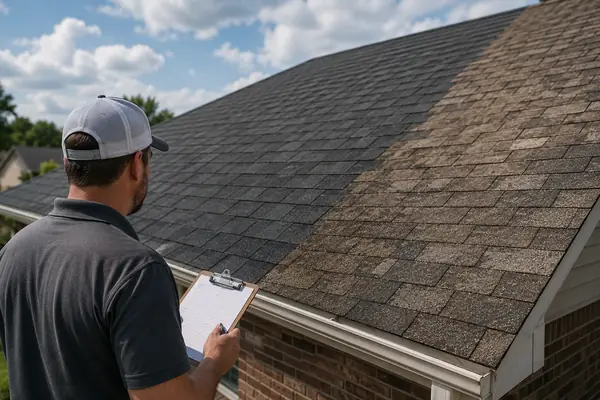
  • Roof damage was classified as cosmetic, old or repairable
  • Interior water damage was included but the exterior source was omitted
  • The claim was denied based on wear, deterioration or maintenance
  • Several rooms or building components were left off the estimate
  • The carrier applied depreciation that the owner does not understand
  • Repair bids are much higher than the insurance estimate
  • A commercial loss is disrupting normal operations
  • The claim requires extensive inventories, measurements or supporting records
  • Communication with the carrier has stalled
  • A supplemental claim needs to be prepared
  • The property owner does not have time to manage inspections and negotiations

Public adjusting is not simply about asking for more money. It is about identifying covered damage, connecting that damage to the reported event, documenting the necessary work and presenting the claim in an organized format.

Our team has reviewed thousands of property claims and understands how residential and commercial losses can be undervalued when important details are missed during the first inspection.

Common Insurance Claims in Manor

Manor sits within a Central Texas weather environment where severe thunderstorms can produce large hail, damaging winds, lightning, flash flooding and tornadoes. The Austin–San Antonio National Weather Service office regularly identifies these hazards across its forecast area, and past Central Texas events have included outbreaks involving tornadoes and large hail.

Local claims are not limited to major storms. Pipe leaks, electrical fires, appliance failures and ordinary household accidents can also produce significant covered losses.

Hail Damage Claims

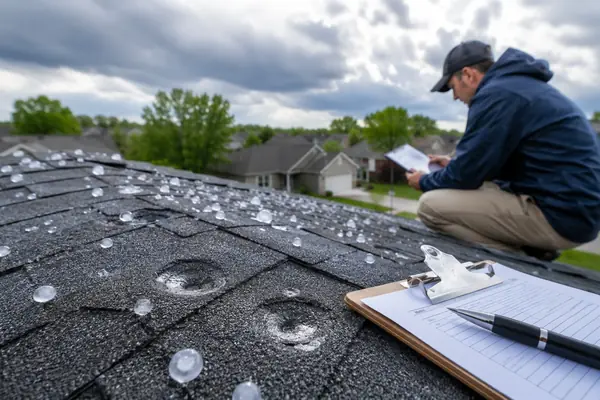
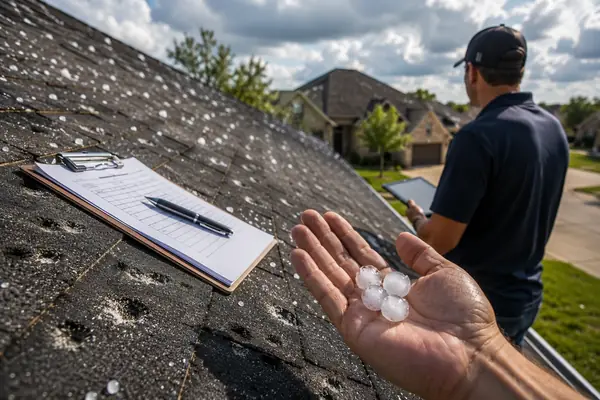
Hail is one of the most common reasons Manor property owners file roof and exterior claims. Our guide to a hail damage roof insurance claim explains how roofing materials, exterior components and related interior damage should be evaluated after a Texas hailstorm. Damage may affect more than the shingles.

A complete hail inspection may need to address:

  • Asphalt shingle bruising or fractured mats
  • Metal roof dents and coating damage
  • Cracked tile or specialty roofing
  • Gutters and downspouts
  • Roof vents, flashing and soft-metal components
  • Window screens and glazing
  • Siding, paint and exterior trim
  • Fences, gates and detached structures
  • HVAC condenser fins
  • Solar equipment
  • Commercial rooftop units and membrane roofing

Property owners should also document hail damage for an insurance claim before temporary repairs, cleanup or changing weather conditions affect the available evidence. Hail impacts can be subtle from ground level. A roof may not leak immediately, and damage may be distributed unevenly across different slopes. We document test areas, directional impacts, collateral damage and related exterior conditions so the roof is evaluated as part of the full storm loss.

Wind and Storm Damage Claims

Strong thunderstorm winds can lift shingles, crease tabs, loosen flashing and open pathways for rainwater. Commercial roofs may experience displaced membrane sections, damaged seams, flashing failures or impact from airborne debris.

Wind claims can become disputed when the carrier attributes the condition to installation, age or ordinary wear. Those issues require careful documentation. The claim should distinguish storm-created damage from pre-existing conditions and explain why related repairs are necessary.

Properties near open fields and developing areas around Manor may have greater exposure to wind-driven debris and fewer surrounding structures to reduce direct wind pressure. Damage can involve roofing, fences, exterior cladding, doors, windows and accessory buildings.

Water Damage Claims

Water losses in Manor may result from:

  • Burst or leaking supply lines
  • Failed water heaters
  • Appliance hoses
  • Plumbing backups
  • Roof leaks after wind or hail
  • Wind-driven rain
  • Failed shower pans
  • HVAC condensate problems
  • Fire-suppression systems
  • Overflowing fixtures

A water damage public adjuster can help identify affected materials, review mitigation records and compare the carrier’s scope with the actual areas damaged by the loss. A small visible stain does not always show the full extent of a water loss. Moisture may move behind cabinets, beneath flooring, through insulation and into wall cavities.

Water claim documentation may include moisture readings, photographs, affected-area diagrams, mitigation records, repair estimates and evidence concerning the source of the water. The source matters because policies often treat sudden plumbing events differently from surface flooding, long-term seepage or maintenance-related conditions.

Fire and Smoke Damage Claims

A fire claim may involve much more than the room where the flames originated. A fire insurance adjuster working for the policyholder can document structural damage, smoke contamination, damaged contents and covered loss-related expenses. Heat, smoke, soot and suppression water can affect areas throughout a house or commercial building.

Covered components may include:

  • Structural framing and finishes
  • Roofing and exterior openings
  • Electrical wiring and fixtures
  • HVAC systems and ductwork
  • Cabinets and built-ins
  • Flooring and wall coverings
  • Furniture, electronics and personal property
  • Smoke-contaminated contents
  • Debris removal
  • Temporary repairs
  • Additional living expenses
  • Business interruption expenses, when covered

Smoke particles may travel through return-air systems and settle in areas far from the fire. The estimate should address cleaning, testing, sealing, deodorization and replacement when materials cannot be reasonably restored.

Roof Damage Claims

Roof claims frequently become underpaid because the carrier’s inspection focuses on a narrow portion of the system. Property owners dealing with a disputed or incomplete estimate may benefit from working with a public adjuster for a roof claim

A proper scope may need to consider:

  • Roofing material
  • Underlayment
  • Decking
  • Flashing
  • Valleys and penetrations
  • Drip edge
  • Vents and accessories
  • Gutters
  • Code-related work when covered
  • Access requirements
  • Matching concerns
  • Interior damage caused by the opening

A repair recommendation is not always practical. The proposed repair must account for material availability, roof condition, installation requirements and whether adjoining materials can be manipulated without causing further damage.

Winter Freeze and Pipe Claims

Although Manor is known for hot summers, Central Texas properties can also experience freezing conditions. Frozen plumbing may burst in attics, exterior walls, garages or vacant spaces.

These claims may involve emergency plumbing, water extraction, drywall removal, insulation, flooring, cabinets, electrical components and temporary housing. Commercial freeze losses may also damage inventory, equipment and fire-suppression lines.

The full claim should document both the failed plumbing component and the resulting damage throughout the building.

Commercial Property Claims

Manor’s continuing development along US 290 and nearby transportation routes has brought additional retail, multifamily, industrial and service properties to the area. Commercial claims may involve larger roof systems, specialized equipment, tenant improvements, inventory and interruption to normal operations.

Our team assists with commercial property claims involving: 

  • Retail buildings
  • Restaurants
  • Offices
  • Churches
  • Schools and educational facilities
  • Apartment and multifamily properties
  • Warehouses
  • Self-storage facilities
  • Industrial buildings
  • Mixed-use properties

Commercial losses require careful coordination. The building claim, contents claim, equipment damage and potential business-income documentation may each follow different policy provisions.

Concerned that your Manor insurance estimate is missing damage? Request a free claim review from TX Public Adjusting.

Manor Storm Risks and Their Effect on Property Claims

Manor Storm Risks and Their Effect on Property Claims

Manor’s location east of Austin places it within an area exposed to severe spring thunderstorms and periods of intense rainfall. Local property losses may involve several causes at once: hail damages the roof, wind loosens flashing, rain enters the structure and water affects insulation, ceilings, flooring or electrical components.

This chain of damage matters. An estimate that includes only interior drywall but leaves out the storm-created roof opening does not address the entire loss.

Large Hail

Central Texas storms can produce hail large enough to damage roofs, exterior metals, vehicles, HVAC equipment and commercial roofing systems. Damage may be scattered across a neighborhood, with one property affected differently from the next because of roof orientation, storm path and building exposure.

Damaging Straight-Line Wind

Straight-line winds can cause substantial property damage even when no tornado occurs. Common issues include lifted roofing, broken tree limbs, fence damage, shattered windows and wind-driven rain.

Tornado Activity

Tornadoes are less frequent than ordinary thunderstorms, but Central Texas tornado events are a recognized regional hazard. A March 21, 2022 outbreak in the broader Austin–San Antonio forecast area included six tornadoes and numerous reports of large hail.

Tornado-related claims may include structural movement, roof and wall damage, debris impact, broken glazing, utility damage and extensive contents losses.

Flash Flooding and Heavy Rain

The National Weather Service warns that heavy rainfall in Central and South-Central Texas can produce rapid flash and urban flooding.

Standard property insurance often treats floodwater differently from rain entering through a storm-created opening or water released by a plumbing failure. Determining the source and sequence of the water is critical. Property owners should avoid assuming that every water loss is excluded merely because flooding occurred nearby.

Why Manor Insurance Claims Become Underpaid

An underpaid claim does not always result from one obvious error. More often, several small omissions reduce the total estimate. Understanding the difference between a public adjuster and an insurance company adjuster can help property owners understand why the two estimates may contain different scopes, quantities and conclusions. 

Missed or Hidden Damage

A brief inspection may not identify moisture behind walls, damage beneath roofing materials, affected insulation or problems on less-visible roof slopes.

Incomplete Scope of Work

The estimate may include the primary damaged item but omit related work. Replacing a roof, for example, may require flashing, vents, underlayment, edge metal, access, disposal and protection of surrounding areas.

Low Measurements or Quantities

Incorrect room dimensions, roof measurements or material quantities can affect nearly every line item that follows.

Repair Instead of Replacement

A carrier may propose spot repairs without addressing whether the materials are available, whether they can be matched or whether the repair can be completed without disturbing adjacent materials.

Depreciation Problems

Depreciation may be applied to building materials or personal property. Some amounts may be recoverable after repairs, depending on the policy and claim circumstances. Property owners should understand what was depreciated, why it was depreciated and what documentation is required to recover eligible amounts.

Pricing Differences

Contractor bids may be substantially higher than the carrier’s estimate because the estimate uses different labor rates, material assumptions or scope items.

Documentation Gaps

A valid loss can still be difficult to prove when photographs, inventories, mitigation records or repair estimates are incomplete. Clear documentation helps connect the claimed work to the covered event.

Our Public Adjusting Process

Every Manor property claim is different, but our work follows a disciplined process.

1. Claim Review

We review the policy information, carrier correspondence, estimates, payment records, photographs and contractor documents already available.

We identify questions involving coverage, deductibles, depreciation, deadlines, exclusions and post-loss duties. A public adjuster does not provide legal advice, but policy language guides how the claim must be documented and presented.

2. Property Inspection

We inspect accessible areas of the property and look for damage associated with the reported event.

Depending on the loss, the inspection may include:

  • Roof slopes and exterior elevations
  • Attic and insulation
  • Interior rooms
  • Flooring and cabinetry
  • Windows and doors
  • Detached structures
  • Commercial equipment
  • Contents or inventory
  • Moisture-affected areas

3. Damage Documentation

We organize photographs, measurements, notes, inventories and supporting records. When appropriate, we prepare a detailed estimate reflecting the observed scope of covered damage.

4. Claim Presentation

We present the documented claim to the insurance carrier and explain the basis for requested corrections, additions or supplemental payment.

5. Communication and Negotiation

We communicate with the carrier’s representatives, respond to claim questions and participate in additional inspections when necessary. Property owners experiencing delays can also review how long an insurance adjuster has to contact you after a claim is reported. 

6. Settlement Review

When the carrier issues a revised estimate or coverage decision, we review it with the policyholder and compare it with the documented claim.

Why Choose TX Public Adjusting

Licensed Texas Representation

TX Public Adjusting is operated by Rise Public Adjusting LLC, Texas License #3356839.

We Work for Policyholders

Insurance company adjusters work within the carrier’s claim process. Public adjusters represent the insured property owner.

Our responsibility is to document and present the policyholder’s claim—not protect the insurance company’s financial interests.

Residential and Commercial Experience

We assist with homes, rental properties, multifamily buildings, retail locations, offices, restaurants, warehouses and other commercial properties.

Texas-Focused Claim Knowledge

Texas properties face hail, wind, tornadoes, freeze events, fire and water losses. Our work is focused on the claim conditions, construction practices and weather patterns Texas property owners regularly encounter.

Detailed Claim Preparation

We do more than forward a contractor invoice. Our work may include inspection, measurements, photographs, scope preparation, contents support, estimate review and carrier communication.

Free Initial Claim Review

Property owners can speak with our team before deciding whether public adjusting services are appropriate. There are no upfront fees for the initial review.

Areas We Serve Near Manor

Areas We Serve Near Manor

TX Public Adjusting assists property owners throughout Manor and nearby Central Texas communities, including:

  • Austin
  • Pflugerville
  • Elgin
  • Webberville
  • Taylor
  • Hutto
  • Round Rock
  • Del Valle
  • Hornsby Bend
  • Wells Branch
  • Dessau
  • Coupland
  • Bastrop
  • Cedar Creek

Within Manor, we serve property owners near Downtown Manor, ShadowGlen, Presidential Heights, Stonewater, Bell Farms, Lagos, Carriage Hills, Wildhorse Creek and developing areas along US 290, FM 973 and Parmer Lane.

Local references such as the historic downtown area, Manor City Hall, East Metro Park and the city’s recognizable water tower reflect a community that retains its railroad-town identity while continuing to expand. The city itself highlights the water tower as part of Manor’s visual identity.

Frequently Asked Questions

What does a public adjuster in Manor do?

A public adjuster represents the policyholder during a property insurance claim. The work may include reviewing the policy and carrier estimate, inspecting the property, documenting damage, preparing an estimate and communicating with the insurance company.

Unlike an insurance company adjuster, a public adjuster is hired by the insured property owner.

When should I hire a public adjuster after property damage?

The strongest time to involve a public adjuster is often early in the claim, before damage is repaired or evidence is removed. However, assistance may still be available after an estimate, payment, denial or partial settlement has been issued.

The available options depend on the policy, claim status, deadlines and documentation that remains available. Our guide explains when it is too late to hire a public adjuster and why early claim review is usually preferable. 

Can you help if my Manor hail claim was underpaid?

Yes. We can review the carrier’s inspection, estimate and payment to identify possible omissions involving the roof, gutters, flashing, exterior finishes, windows, HVAC equipment and interior water damage.

An underpaid claim may require additional photographs, measurements, estimates or a supplemental claim package.

Can a public adjuster reopen a closed insurance claim?

A claim marked closed by the carrier may still be eligible for review or supplementation in some circumstances. Closure in the insurer’s system does not necessarily determine every contractual right under the policy.

We review the loss date, policy language, prior communications, payments and applicable deadlines before determining what claim assistance may remain available.

How much does a public adjuster cost in Manor?

Public adjusters commonly work for a fee tied to the insurance recovery. The exact fee and services should be explained in a written contract before work begins.

TX Public Adjusting offers a free initial claim review and does not charge an upfront fee for that review.

Can you help with a denied roof claim?

We can review the denial letter, inspection findings, photographs, policy provisions and available evidence. Roof claims are often denied based on wear, deterioration, faulty installation or lack of storm damage.

A review does not guarantee that a denial will be reversed, but it can identify whether damage or claim evidence was overlooked.

Does homeowners insurance cover flood damage in Manor?

Standard homeowners policies generally distinguish external surface flooding from other types of water damage. A separate flood policy may be required for rising water that enters from outside.

Water entering through a storm-created roof opening, a burst pipe or another covered source may be handled differently. The cause and sequence of the water should be documented before conclusions are made about coverage.

Can you help Manor business owners with storm claims?

Yes. We assist with commercial roofing, water damage, fire losses, equipment damage, inventory claims and other covered commercial property losses.

When applicable, we can also help organize information associated with business interruption or extra-expense portions of the claim.

What should I do immediately after discovering property damage?

Protect people first. Contact emergency services when needed and take reasonable steps to prevent additional damage. Photograph conditions before moving or discarding damaged property when it is safe to do so.

Save receipts for emergency repairs, temporary lodging, mitigation and other loss-related expenses. Avoid permanent repairs until the damage has been documented and the insurer has had a reasonable opportunity to inspect.

Will hiring a public adjuster guarantee a larger settlement?

No ethical public adjuster should guarantee a particular payment. The result depends on the policy, cause of loss, extent of covered damage, documentation and carrier decisions.

The value of representation is having an experienced professional identify the scope, prepare the claim and advocate for a fair evaluation under the policy.

Get a Free Manor Insurance Claim Review

A low estimate does not always reflect the true cost of restoring damaged property. Missing roof components, unrecorded moisture, incomplete room measurements, omitted contents and unsupported repair assumptions can leave a Manor homeowner or business owner responsible for expenses that should have been evaluated as part of the claim.

TX Public Adjusting helps policyholders understand what the carrier included, what may have been missed and what documentation is needed to move the claim forward.

Contact TX Public Adjusting for a free review of your Manor residential or commercial property claim. 

  • Licensed Texas public adjuster
  • Residential and commercial claims
  • No upfront review fees
  • Independent policyholder representation
  • Rise Public Adjusting LLC
  • Texas License #3356839

Learn More About Public Adjusting Services