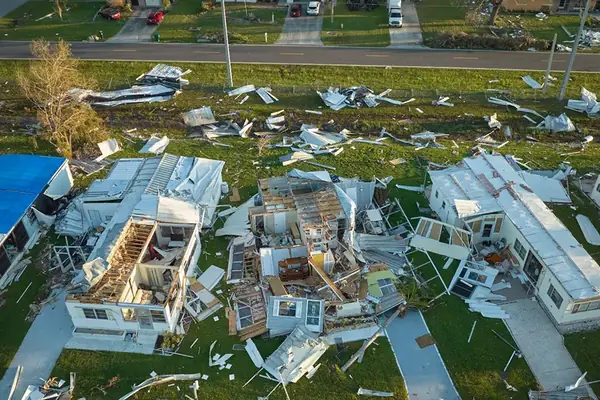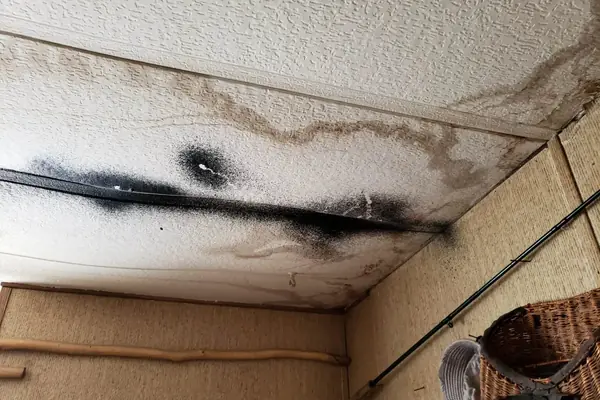
Property damage in Dayton can turn into an insurance dispute quickly. A severe thunderstorm can damage a roof in River Ranch, wind-driven rain can reach the interior of a home near downtown, or a commercial building along the U.S. 90 corridor can suffer roof, water, and equipment damage from the same storm. For property owners trying to determine what their policy covers and whether the carrier’s estimate accounts for the full loss, working with a public adjuster in Dayton, TX can provide experienced representation on the policyholder’s side.
TX Public Adjusting, operated by Rise Public Adjusting LLC, provides residential and commercial insurance claim assistance throughout Dayton, Liberty County, and surrounding Southeast Texas communities. We are a licensed Texas public adjusting firm, Texas License #3356839, helping property owners inspect damage, review insurance estimates, document covered losses, and negotiate property claims.
Dayton is growing beyond its traditional small-town footprint. The city sits about 30 miles east of downtown Houston, where U.S. Highway 90, SH 146, SH 321, and FM 1960 converge. River Ranch is adding substantial new residential and commercial development, while established homes, acreage properties, businesses, and industrial facilities remain part of Dayton’s property mix. The demographic source provided for this page estimates Dayton’s 2026 population at 9,562, up from 9,058 in 2024.
Need help with an insurance claim in Dayton? Contact TX Public Adjusting for a Free Claim Review. There are no upfront fees for the initial claim review.
Why Dayton Property Owners Hire a Public Adjuster
An insurance company sends an adjuster to investigate its claim obligations. A public insurance adjuster has a different role: the policyholder hires the public adjuster to assist with the claim and negotiate with the insurer. Property owners who are unclear about these roles can also review the difference between a public adjuster vs. independent adjuster before deciding who represents whose interests during the claim. The Texas Department of Insurance specifically notes that public adjusters work for the policyholder, not the insurance company, and public insurance adjusters must be licensed in Texas.
That distinction can become significant when a Dayton property has multiple layers of damage.
A windstorm, for example, might not simply create a few missing shingles. The loss can involve roofing materials, flashing, vents, gutters, siding, fencing, exterior finishes, interior ceilings, insulation, flooring, and personal property. A commercial loss can involve roof systems, mechanical equipment, inventory, tenant improvements, and business-related expenses.
Property owners often contact TX Public Adjusting when:
- An insurance estimate appears too low.
- The adjuster did not include all visible damage.
- Hidden or secondary damage is discovered after the first inspection.
- The carrier recommends repairs where the owner believes replacement is required.
- A roof claim is disputed or partially denied.
- Water entered through storm-created openings.
- Damage affects several buildings or structures.
- A commercial claim contains complicated scopes and estimates.
- The claim has stalled or communication has become difficult.
- The owner wants an experienced professional reviewing the documentation before accepting a settlement.
Our job is to identify what the property actually sustained, compare that damage with the carrier’s scope, and present the claim as thoroughly as the policy and facts support.
Dayton’s Storm and Property-Damage Risks Are Different From Much of Texas
Dayton sits in Liberty County in Southeast Texas, so its claim environment is different from a city in North or West Texas. Local owners have to think about tropical weather and heavy rainfall in addition to thunderstorms, hail, tornadoes, and damaging straight-line wind.
The National Weather Service describes Southeast Texas as exposed to floods, hurricanes, tornadoes, severe thunderstorms, extreme heat, and extreme cold. Historical records also show that Dayton itself has experienced serious weather impacts.
In May 2000, extreme rainfall produced major flash flooding in western Liberty County, including widespread street flooding in Dayton. The NWS reported water reaching approximately 18 feet at the SH 321 underpass, while hundreds of homes and dozens of businesses were damaged countywide.
Severe convective weather is another concern. In May 1995, a supercell moving through Liberty County produced four tornadoes, with damage reported near Dayton, Daisetta, and Liberty.
Hurricane and Tropical-Storm Damage
Dayton is inland, but that does not remove hurricane risk. Tropical systems moving through Southeast Texas can bring powerful wind, prolonged heavy rain, falling trees, wind-driven rain, and widespread roof damage well away from the immediate coast.
After a tropical system, a Dayton insurance claim may involve:
- Missing or creased shingles
- Damaged metal roofing
- Lifted flashing
- Tree impact
- Broken windows
- Exterior siding damage
- Water intrusion
- Ceiling and drywall damage
- Wet insulation
- Damaged fencing and detached structures
The cause of water intrusion can be especially important because coverage can differ depending on whether water entered through storm damage or came from rising floodwater.
Flash Flooding and Heavy Rain
Flood history makes water-related losses particularly relevant to Dayton and the broader Liberty County area. The National Weather Service has documented repeated flooding along the Trinity River basin and within Liberty County, including roads and subdivisions becoming inaccessible during major events.
One coverage distinction matters: most standard Texas homeowners policies do not cover damage caused by rising floodwater. Separate flood insurance is generally needed for that exposure. Sudden water damage from certain covered events may be treated differently depending on the policy.
That is why determining the source and path of water is an important part of documenting a Dayton property claim.
Severe Thunderstorms, Wind, Hail, and Tornadoes
Thunderstorms moving through Liberty County can produce several types of damage simultaneously. Wind can lift roof materials while hail impacts shingles, vents, gutters, metal components, siding, and exterior equipment. Falling limbs can cause structural openings that allow rain inside.
Texas Department of Insurance guidance recommends photographing storm damage, preventing additional damage when safely possible, keeping receipts, and making damaged property available for inspection.
For a significant Dayton loss, thorough documentation from the beginning can make a substantial difference in how clearly the claim is presented.
Common Insurance Claims in Dayton, TX

The combination of Southeast Texas weather, new construction, acreage properties, older housing, and expanding commercial development creates a broad range of claims.
| Claim Type | Damage We Review |
| Hail Damage | Shingles, metal roofing, gutters, vents, siding, windows and exterior finishes |
| Wind & Storm Damage | Lifted roofing, missing materials, flashing, fences, trees and exterior components |
| Water Damage | Ceilings, drywall, insulation, flooring, cabinetry and concealed moisture |
| Fire & Smoke Damage | Structure, contents, smoke residue, odor and related property damage |
| Roof Claims | Shingle, metal, membrane and other residential or commercial roofing systems |
| Commercial Claims | Buildings, roofing systems, interiors, equipment, inventory and related property loss |
Hail Damage Claims
Dayton may not experience the frequency of giant hail associated with parts of North Texas, but Southeast Texas thunderstorms can still produce damaging hail.
Roof hail damage is not always obvious from the ground. Property owners dealing with a hail damage insurance claim may need to evaluate shingles or roofing membranes as well as vents, soft metals, gutters, downspouts, window components, fences, HVAC equipment, and other exterior surfaces.
If the insurance company includes only a limited repair while storm impacts appear more extensive, TX Public Adjusting can compare the insurer’s scope with the observed property damage.
Water Damage Claims
Water losses can become complicated because the cause matters.
A burst supply line, sudden plumbing failure, storm-created opening, long-term seepage, and rising floodwater may be treated differently under an insurance policy. TDI notes that most home policies generally cover some sudden and accidental water losses but typically do not cover gradual leakage or ordinary flood damage.
Our documentation may include affected rooms, materials, moisture-related damage, demolition requirements, contents, and repairs needed to return covered portions of the property to their pre-loss condition. Property owners facing a significant loss can learn more about working with a water damage public adjuster during the insurance claim process.
Fire Damage Claims
Fire claims often extend far beyond the area where flames were visible.
Smoke can travel through a building. Heat can affect nearby materials. Water used during firefighting can create additional damage. Personal property can require extensive inventory documentation.
For Dayton homeowners and commercial property owners dealing with a major fire, we organize the claim around the structure, damaged contents, smoke effects, and other applicable policy benefits. Our guide to working with a fire insurance adjuster explains additional issues property owners may encounter during a fire claim.
Storm Damage Claims
A storm claim frequently combines wind, hail, rain, trees, and debris impact.
That makes accurate causation and documentation especially important. One building might have roof damage and interior water intrusion while another structure on the same property has damaged siding, doors, fencing, or exterior equipment.
We inspect the loss as a property system rather than looking only at the most obvious damaged component.
Roof Damage Claims
Roof claims are among the most disputed property claims because repair scope, matching, damage causation, material quantities, and replacement requirements can significantly affect an estimate. If the carrier’s roof estimate appears incomplete, learn more about when a public adjuster for a roof claim can review the damage, insurance scope, and supporting documentation.
Dayton has a mixture of traditional residential roofing, newer homes in expanding developments, acreage properties with multiple structures, and commercial roofing systems.
TX Public Adjusting reviews what the carrier included, what may have been omitted, and whether the estimate reflects the documented damage.
Commercial Property Claims
Dayton’s location at the crossroads of major highways and rail infrastructure has helped position the community for continued commercial and industrial growth. The city identifies transportation and logistics as an important part of the local economy and notes substantial rail-served industrial development.
Working with a commercial public adjuster can be especially valuable when a loss affects multiple building components, locations, equipment, or business property. Dayton commercial claims can involve:
- Retail property
- Warehouses and industrial buildings
- Restaurants
- Offices
- Apartment or multifamily property
- Churches
- Farm and ranch property
- Mixed-use buildings
A commercial loss can require detailed roofing, structural, equipment, interior, and contents documentation. The larger the property, the easier it can be for a limited initial inspection to overlook portions of the damage.
Claim Help Across Dayton Neighborhoods and Growing Communities
Dayton is not one uniform housing market.
River Ranch represents the city’s large-scale new-development side. The City of Dayton describes it as a 7,000-acre master-planned project with residential and commercial components.
Encino Estates, north of Dayton near Kenefick, includes newer homes on larger wooded homesites and provides access back toward Dayton through the area’s highway network.
The city also recognizes Fordland Estates among its local community locations. Other properties range from established homes closer to central Dayton to houses and outbuildings on larger tracts outside the denser city core.
Those differences matter during inspections. A newer subdivision home, an older residence near downtown, a rural acreage property with several structures, and a commercial building on a highway corridor may require very different claim scopes.
A City With Recognizable Local Landmarks and a Growing Footprint
Dayton’s local character is visible around the Dayton Old School Building/Museum, Colbert-Rosenwald School Museum, Parker Park, and The Crossroads. The city also maintains murals and public art around locations including Main and Cook Streets.
That established historic core now exists alongside rapid residential and commercial expansion.
For insurance claims, that means Dayton contains properties of very different ages, construction methods, roof types, and uses within a relatively compact service area. An accurate claim scope has to reflect the specific building in front of us rather than relying on a generic estimate.
Why Insurance Claims Become Underpaid
An underpaid claim does not always begin with an outright denial. More often, portions of the loss simply fail to make it into the estimate.
Missed Damage
The first inspection may focus on the roof while overlooking gutters, vents, siding, interior finishes, fencing, detached buildings, or additional rooms.
Scope Omissions
Damage might be acknowledged, but necessary labor, materials, accessories, or related repair operations may not appear in the estimate.
Depreciation Issues
Property estimates can include depreciation depending on the policy and damaged item. Owners should understand what was withheld, why, and what requirements apply to recoverable depreciation.
Low Repair Estimates
Prices, quantities, measurements, and repair methodology can affect the estimated value of a claim. We compare the carrier’s estimate against the actual scope of documented work.
Documentation Problems
Photos taken too late, discarded materials, missing inventories, incomplete estimates, and unclear descriptions of the loss can make a claim more difficult.
TDI advises policyholders to photograph damage, save receipts for temporary repairs, and avoid throwing away damaged items before coordinating with the insurer.
If your Dayton insurance payment does not appear to match the damage, TX Public Adjusting can review the claim and carrier estimate before you decide what to do next.
Our Public Adjusting Process
1. Claim Review
We begin by reviewing the loss, available policy information, insurance correspondence, estimates, payments, photographs, and other relevant claim documents.
2. Property Inspection
We inspect the damaged property and identify affected building components and areas that require documentation.
3. Damage Documentation
We organize photographs, measurements, estimates, inventories, and other supporting materials needed to present the covered loss.
4. Scope and Estimate Review
Our team compares the insurance company’s scope against the property damage we documented and identifies potential omissions or differences.
5. Claim Negotiation
We communicate with the insurance company and advocate for the policyholder based on the policy, documented scope, and supporting claim information.
6. Settlement Review
When the carrier responds, we review the updated position with the owner so the claim and settlement can be evaluated with a clearer understanding of what was included.
Why Choose TX Public Adjusting in Dayton?

TX Public Adjusting is focused on Texas property insurance claims.
Our team has experience reviewing thousands of residential and commercial claims, including losses involving roofs, hail, wind, water, fire, storm damage, and complex commercial properties.
Property owners choose us for:
- Licensed Texas representation
- Rise Public Adjusting LLC
- Texas License #3356839
- Residential property claim experience
- Commercial property claim experience
- Detailed inspections and documentation
- Scope and estimate reviews
- Independent representation for policyholders
- Direct communication throughout the claim
- Free initial claim review
Texas regulates public insurance adjusters, and TDI confirms that policyholders may hire licensed public adjusters to negotiate property claims.
We do not work for the insurance carrier on your claim. Our role is to represent your interests as the policyholder.
Areas We Serve Near Dayton
TX Public Adjusting assists property owners throughout Dayton and surrounding Southeast Texas communities. Our service area includes property owners looking for a public adjuster in Liberty, TX, public adjuster in Mont Belvieu, TX, and public adjuster in Cleveland, TX, along with communities throughout Liberty County and the eastern Houston metropolitan area.
We also work with property owners around Kenefick and rural locations surrounding Dayton where homes, ranch properties, detached structures, workshops, barns, and commercial buildings can create more complicated insurance scopes.
Frequently Asked Questions About Public Adjusters in Dayton
What does a public adjuster in Dayton do?
A public adjuster represents the policyholder during a property insurance claim. That can include inspecting the property, documenting damage, reviewing estimates, communicating with the carrier, and negotiating the claim.
Texas Department of Insurance guidance confirms that public adjusters work for policyholders rather than the insurance company.
When should I call a public adjuster after storm damage in Dayton?
It is usually helpful to obtain advice early when the loss is significant, although public adjusters are also contacted after an estimate has been issued or when a claim appears underpaid. If your claim has already been open for some time, our guide explains when it is too late to hire a public adjuster and the situations in which claim assistance may still be possible.
If your property has just been damaged, document the conditions and report the loss promptly. Filing deadlines vary by policy, so delaying notice can create unnecessary problems.
Can you help if my insurance company already inspected my Dayton property?
Yes. An insurance company inspection does not prevent you from obtaining your own claim review.
We can examine the carrier’s estimate, inspect the property, and identify damage or repair components that may not have been included.
Can a public adjuster help with an underpaid roof claim?
Yes. Roof claims are a common reason property owners request a second review.
We can compare the carrier’s roofing scope with the documented storm damage, measurements, materials, associated components, and applicable policy provisions.
Does homeowners insurance cover flooding in Dayton?
Most Texas homeowners policies do not cover damage from rising floodwater. Separate flood insurance is typically required.
Water entering because a covered storm damaged the roof or another building component may involve different coverage considerations. The actual cause and your specific policy control.
How much does a public adjuster cost in Texas?
Texas Department of Insurance guidance states that public adjusters may charge up to 10% of the total amount the insurance company pays on a claim. The actual fee should be disclosed in the written contract.
TX Public Adjusting offers a free initial claim review with no upfront fee for that review, so you can discuss the loss before deciding on representation.
Can you help with commercial claims in Dayton?
Yes. We handle both residential and commercial property claims.
Dayton’s growing logistics, retail, industrial, and commercial corridors can involve larger buildings and more complex scopes than a typical residential claim. We can review roofing, interiors, equipment, inventory, and other documented property damage.
What should I do immediately after hail or wind damage?
When it is safe, photograph and video the property, prevent additional damage with reasonable temporary measures, save receipts, and report the claim promptly.
TDI also recommends keeping damaged items until the insurance company advises otherwise and being available when the insurer’s adjuster inspects the property.
Can you help with damage in River Ranch or newer Dayton developments?
Yes. We assist homeowners throughout Dayton, including growing communities such as River Ranch and properties around the city’s expanding residential corridors.
Newer construction can still suffer substantial roof, exterior, window, fencing, and interior damage during severe weather.
What if my Dayton insurance claim was denied?
A denial should be reviewed along with the written explanation, policy language, photographs, estimates, and facts surrounding the loss.
TDI requires insurers to provide a written reason when denying a claim. If you believe the damage was incorrectly excluded or the scope was misunderstood, TX Public Adjusting can review the claim and discuss the available adjusting options. For storm-related roof losses, see what to do if your hail claim was denied before accepting the carrier’s position as final.
Get a Free Dayton Insurance Claim Review
You pay premiums to protect your property. When serious damage occurs, you deserve a claim review based on the complete condition of the property—not only the portions that appeared on an initial estimate.
If your Dayton home, rental property, commercial building, ranch property, or other insured structure has suffered hail, wind, hurricane, water, fire, roof, or storm damage, contact TX Public Adjusting.
TX Public Adjusting
Rise Public Adjusting LLC
Texas Public Adjuster License #3356839
Request your Free Claim Review today. No upfront fees for the initial review. Let our team examine the damage, the documentation, and the insurance estimate before you accept less than the documented loss supports.