

Property damage in Cloverleaf can escalate quickly. A hard Gulf Coast thunderstorm may lift shingles, drive rain through flashing, damage fences, and leave moisture inside walls before the full extent of the loss is visible. When the insurance estimate does not reflect everything required to restore the property, a public adjuster in Cloverleaf, TX can help document the damage, review the policy, and present the claim from the policyholder’s side.
TX Public Adjusting represents residential and commercial property owners—not insurance companies. Our firm, Rise Public Adjusting LLC, is licensed in Texas under License #3356839. We review storm, hail, roof, water, fire, and commercial property claims throughout Cloverleaf and the surrounding east Harris County area.
Cloverleaf is an unincorporated, census-designated community in east-central Harris County, positioned north of Interstate 10 between Jacinto City and Channelview. The community developed from an early railroad stop and today includes a dense mix of homes, schools, small businesses, churches, warehouses, and highway-oriented commercial properties.
Has your insurance claim been delayed, denied, or underpaid? Contact TX Public Adjusting for a free claim review. There are no upfront fees.
Why Property Owners Hire a Public Adjuster in Cloverleaf
Insurance claims are often more involved than they appear during the first inspection. A visible roof leak may be connected to damaged shingles, vents, flashing, decking, insulation, drywall, paint, flooring, and personal property. A commercial wind claim may also include signage, rooftop equipment, electrical components, inventory, business interruption, and code-related repair requirements.
The insurance company assigns an adjuster to evaluate the loss on behalf of the carrier. A licensed public adjuster works for the policyholder. Our role is to independently inspect the property, identify covered damage, organize supporting documentation, prepare a detailed repair scope, and communicate with the insurer about the amount of the claim.
Cloverleaf property owners frequently seek professional insurance claim assistance when:
- The carrier’s estimate appears too low.
- Important rooms or building components were left out.
- Roof damage was classified as wear and tear.
- Interior water damage was documented without tracing the source.
- The claim was partially denied.
- Depreciation was applied incorrectly or not clearly explained.
- The insurer requested additional records or repair estimates.
- A supplemental claim needs to be prepared.
- The property owner does not have time to manage repeated inspections and negotiations.
- A commercial claim involves inventory, equipment, tenant improvements, or lost operations.
A public adjuster cannot change the policy or guarantee a result. However, complete documentation and a carefully prepared scope can make a meaningful difference when covered damage was overlooked or undervalued.
Property Damage Risks in Cloverleaf
Cloverleaf’s location east of Houston places local properties within the broader Southeast Texas storm environment. Heavy rainfall, tropical systems, severe thunderstorms, strong straight-line winds, lightning, hail, and occasional tornado conditions can all affect Harris County properties.
Heavy Rain and Drainage-Related Damage
Flooding and drainage are major concerns across Harris County. Research into Southeast Harris County flood claims has found that a substantial share of damage occurred outside mapped 100-year floodplains, showing that a property does not have to sit in a commonly recognized high-risk zone to experience damaging water.
Cloverleaf has also been the subject of a Harris County Flood Control District drainage-improvement project, reflecting the area’s need for better stormwater conveyance and reduced flood risk.
After intense rainfall, property owners may discover:
- Water entering through doors, walls, garages, or low openings
- Roof leaks caused by wind-driven rain
- Overflow from backed-up drainage systems
- Saturated drywall and insulation
- Warped flooring and damaged cabinets
- Electrical and appliance damage
- Mold or microbial growth
- Foundation or soil movement concerns
- Damaged business inventory
- Interrupted commercial operations
Floodwater and rainwater claims can involve different coverages. Standard property policies may exclude rising surface water while covering certain roof leaks, plumbing failures, or wind-created openings. The cause of loss matters, so documentation should begin before damaged materials are removed whenever it is safe to do so.
Tropical Storm and Hurricane Damage
Cloverleaf is inland, but it is still close enough to the Gulf Coast to experience the effects of tropical systems moving through the Houston region. Those effects may include high winds, prolonged rain, falling trees, power outages, roof damage, broken windows, and water intrusion.
A tropical-weather claim may involve several connected categories of damage:
- Missing or creased shingles
- Lifted roofing membranes
- Damaged flashing and roof penetrations
- Fence and gate damage
- Tree impact
- Window or door damage
- Siding and exterior finish damage
- Interior ceiling and wall staining
- Spoiled inventory or refrigerated goods
- Electrical surge damage
- Temporary repairs
- Debris removal
Insurance estimates sometimes address only the most obvious exterior damage. A proper claim review should also consider resulting interior damage, access requirements, matching concerns, labor, permits, debris handling, and other costs that may be covered under the policy.
Hail and Severe Thunderstorms
Severe thunderstorms can bring hail, high winds, lightning, and short bursts of intense rain. Hail damage is not always easy to identify from the ground. Asphalt shingles may show bruising or granule loss, while metal roofs, vents, gutters, siding, fencing, and rooftop equipment may display dents or impact marks.
A roof may remain functional immediately after the storm but deteriorate faster because of compromised materials. That is one reason property owners should not rely only on whether the roof is actively leaking.
For more information about documenting this type of loss, see the Hail Damage Roof Insurance Claim Guide and How to Document Hail Damage for an Insurance Claim.
Fire, Smoke, and Electrical Losses
Residential and commercial fires may begin with cooking equipment, faulty wiring, overloaded circuits, mechanical failures, vehicle fires, or neighboring structures. Even when flames are limited to one room, smoke and heat can affect the rest of the building.
Fire insurance claims may include:
- Structural repairs
- Smoke and soot cleaning
- Odor treatment
- HVAC cleaning or replacement
- Electrical repairs
- Personal property damage
- Demolition and debris removal
- Temporary housing
- Business interruption
- Code upgrades
- Professional cleaning and restoration
Smoke can travel through wall cavities, ductwork, attics, and adjoining rooms. A narrow estimate that focuses only on burned materials may fail to account for widespread contamination.
Property owners dealing with a fire loss can also review our Fire Insurance Adjuster Guide and House Fire Debris Removal Cost Guide.
Common Insurance Claims in Cloverleaf
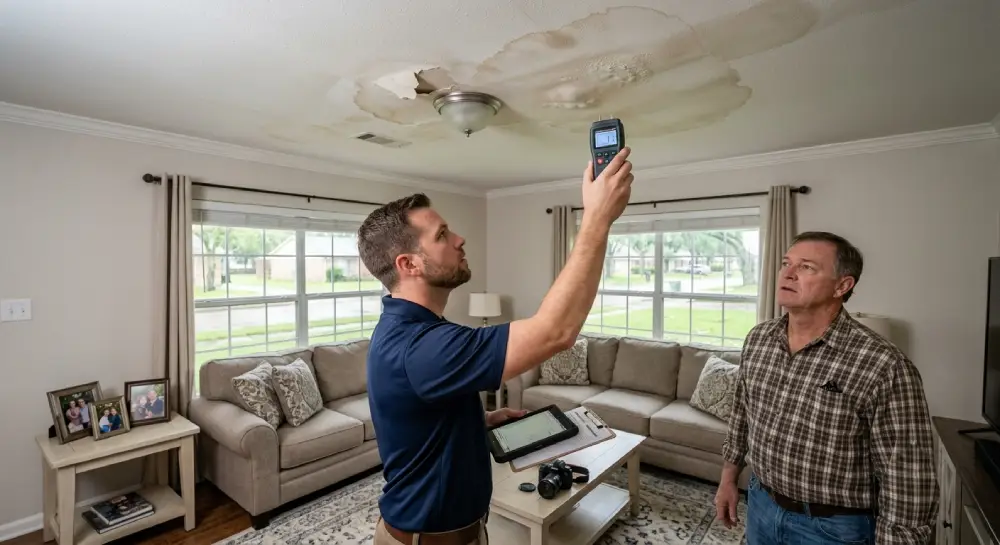
Hail Damage Claims
Hail claims frequently involve more than shingles. Gutters, vents, soft metals, siding, window screens, air-conditioning fins, fences, detached structures, and commercial rooftop equipment should also be inspected.
Disagreements often arise over the date of loss, whether marks were caused by hail, whether damage is cosmetic or functional, and whether repair or replacement is required. We review the available evidence, inspect affected components, and prepare documentation that connects the observed damage to the reported storm.
Water Damage Claims
Water damage may come from a plumbing failure, appliance line, roof opening, HVAC system, drain backup, fire-suppression system, or wind-driven rain. Determining the source is essential because policy coverage depends on how the loss happened.
Water can travel beyond the visible stain. Moisture may be present behind baseboards, under flooring, inside cabinets, or within insulation. We review the damaged area, mitigation records, moisture documentation, repair estimates, and applicable policy language.
Our Water Damage Public Adjuster Guide explains common problems that arise during these claims.
Fire Damage Claims
Fire claims require detailed documentation because the loss may affect the structure, contents, temporary living arrangements, cleanup, and code compliance. Commercial fires can also involve damaged machinery, tenant improvements, inventory, and lost income.
TX Public Adjusting helps organize the various parts of the claim so that fire, smoke, heat, water, and suppression-related damage are not treated as unrelated issues.
Storm and Wind Damage Claims
Wind can lift roofing materials without removing them completely. It may also damage fences, siding, windows, gutters, trees, carports, awnings, and detached buildings.
One common dispute is whether the damage came from a recent storm or long-term deterioration. Clear photographs, weather information, repair records, inspection findings, and a consistent timeline can help support the claim.
Roof Damage Claims
Roof claims can become underpaid when the estimate includes spot repairs but does not address the full repair method. The scope may omit steep charges, access costs, underlayment, flashing, vents, drip edge, decking, code requirements, waste, or interior water damage.
Roof materials also vary across Cloverleaf’s mix of older homes, remodeled properties, retail buildings, warehouses, schools, churches, and multifamily structures. The correct repair scope should reflect the actual roof system and the conditions found during inspection.
Read more about disputed roof claims in our Public Adjuster for Roof Claims Guide and Roof Claim Second Inspection Guide.
Commercial Property Claims
Cloverleaf’s proximity to Interstate 10, Beltway 8, Uvalde Road, Channelview, Galena Park, and Houston’s industrial east side creates a varied commercial property environment. The area includes neighborhood retail, restaurants, service businesses, warehouses, office space, churches, schools, automotive properties, and light-industrial operations.
Commercial claims may include:
- Roof and building-envelope damage
- Inventory loss
- Machinery or equipment damage
- Electrical system damage
- Tenant improvements
- Signage
- Refrigerated or temperature-sensitive goods
- Cleanup and debris removal
- Extra expenses
- Business interruption
- Loss of rental income
These claims require close coordination between the physical damage scope, financial documentation, leases, inventory records, repair schedules, and policy conditions.
Why Cloverleaf Insurance Claims Become Underpaid
Damage Is Missed During the First Inspection
Carrier inspections may be brief, especially after a widespread storm generates thousands of claims. The inspection may identify obvious roof damage but miss interior moisture, detached structures, fencing, HVAC damage, or the full extent of commercial loss.
The Scope Leaves Out Necessary Work
An estimate can include the right damaged item but the wrong repair method. Replacing a roof covering may require removal, disposal, underlayment, flashing work, ventilation components, permits, access, and protection of surrounding property.
When these operations are missing, the total estimate may be significantly lower than the actual cost of completing the work.
Depreciation Is Misunderstood
Many replacement-cost policies initially pay an actual-cash-value amount after depreciation, with some withheld funds potentially recoverable after repairs and proper documentation. Other policies may settle certain items only at actual cash value.
Property owners should understand:
- Which items were depreciated
- Whether depreciation is recoverable
- What deadlines apply
- What documents are required
- How the carrier calculated age and condition
Low Pricing or Incorrect Quantities
Insurance estimates may contain inaccurate measurements, low labor assumptions, missing material taxes, outdated pricing, or quantities that do not match the property.
A detailed scope comparison can identify these discrepancies.
Documentation Is Incomplete
Claims are easier to dispute when photographs, repair records, invoices, damaged-item inventories, moisture readings, and communication logs are incomplete.
After a loss, property owners should preserve:
- Wide-angle and close-up photographs
- Videos of affected areas
- Damaged materials when practical
- Emergency repair receipts
- Mitigation invoices
- Contractor estimates
- Prior maintenance records
- Emails and letters from the insurer
- A timeline of inspections and conversations
Wear and Tear Is Used to Explain Storm Damage
A roof or building can have age-related wear and still suffer new storm damage. The key question is not simply whether the property is old. It is whether a covered event caused direct physical damage.
We evaluate the observed conditions, repair history, reported date of loss, weather evidence, and policy language to help distinguish new damage from pre-existing conditions.
Our Public Adjusting Process
1. Free Claim Review
We begin by reviewing the facts of the loss, the current claim status, the carrier’s estimate, important correspondence, and available policy information.
This initial review helps determine whether there are signs of omitted, disputed, or underpriced damage.
2. Property Inspection
We inspect accessible damaged areas and document the property with photographs, measurements, notes, and supporting observations.
Depending on the claim, the inspection may include the roof, exterior elevations, interior rooms, detached structures, commercial equipment, inventory areas, or other affected components.
3. Scope and Documentation
We organize the evidence and prepare a detailed account of covered damage. This may include repair estimates, photographs, contents information, invoices, reports, contractor input, and other claim documents.
4. Claim Presentation
TX Public Adjusting submits documentation to the insurance company and communicates about disputed or missing items. We also help coordinate additional inspections when required.
5. Negotiation and Resolution
We compare the carrier’s position with the documented loss and negotiate within the public adjuster’s licensed role. The objective is to reach a properly supported claim resolution under the policy.
Already received a low estimate? A claim may still be reviewable. Request a free claim review before signing final paperwork or accepting that nothing else can be done.
Why Choose TX Public Adjusting
Licensed Texas Representation
TX Public Adjusting is operated by Rise Public Adjusting LLC under Texas License #3356839.
We Represent Policyholders
Insurance company adjusters work for insurers. Public adjusters represent insured property owners. Our responsibility is to evaluate and present the policyholder’s claim—not to protect the carrier’s financial interests.
Residential and Commercial Experience
Our team has experience reviewing thousands of insurance claims involving homes, commercial buildings, roofs, water losses, fires, storms, and complex property damage.
We understand that a family dealing with a damaged home has different needs from a business owner facing interrupted operations. Our claim strategy is adapted to the property, policy, and loss.
Texas-Focused Claim Knowledge
Texas claims involve recurring issues tied to hail, wind, tropical weather, freeze events, plumbing losses, roof disputes, appraisal provisions, depreciation, and policy deadlines.
Our work is focused on Texas property owners and Texas insurance claims.
Detailed Documentation
A strong claim is supported by evidence. We focus on inspection findings, repair scope, policy terms, photographs, records, and clear communication.
No Upfront Fees
Property owners can request a free initial claim review. Public adjusting services are generally handled under a written agreement with compensation tied to the claim, rather than requiring an upfront consulting payment.
Cloverleaf Areas and Nearby Communities We Serve
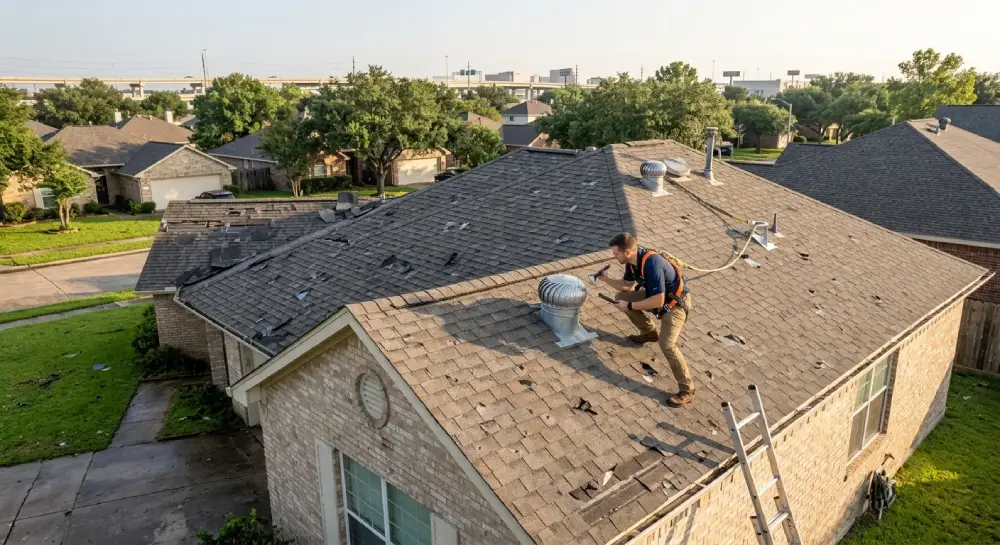
TX Public Adjusting assists policyholders throughout Cloverleaf and surrounding east Harris County communities.
Our service area includes properties near:
- Uvalde Road
- Freeport Street
- Woodforest Boulevard
- Interstate 10
- Beltway 8
- North Shore
- Channelview
- Jacinto City
- Galena Park
- Sheldon
- Greens Bayou
- Songwood
- Northshore
- Pleasantville
- Northeast Houston
- East Houston
- Baytown
- Pasadena
- Deer Park
Cloverleaf is bordered by major transportation corridors and lies between Jacinto City and Channelview, with convenient access to Houston’s eastern industrial and commercial areas.
We handle claims for single-family homes, rental properties, apartment buildings, churches, retail properties, restaurants, offices, warehouses, automotive businesses, and other insured buildings throughout the area.
Frequently Asked Questions
What does a public adjuster in Cloverleaf do?
A public adjuster represents the policyholder during a property insurance claim. The adjuster reviews the policy and carrier estimate, inspects the damage, prepares supporting documentation, and negotiates disputed claim items.
Unlike the insurance company’s adjuster, a public adjuster does not work for the carrier. TX Public Adjusting works for Cloverleaf homeowners and business owners.
When should I hire a public adjuster?
Property owners often hire a public adjuster when a claim is large, complicated, denied, delayed, or underpaid. You may also benefit from help when the carrier’s estimate leaves out visible damage or does not match contractor findings.
It is generally easier to document a loss before repairs are completed, but assistance may still be available after an estimate or payment has been issued. See our guide on When It Is Too Late to Hire a Public Adjuster.
Can a public adjuster help after my Cloverleaf claim was denied?
A denied claim can be reviewed to determine why the insurer declined coverage. We examine the denial letter, policy language, inspection findings, photographs, repair records, and available evidence.
Not every denial can be reversed. However, some denials are based on incomplete documentation, disputed causation, or a narrow interpretation of the damage.
Can you help if the insurance company already paid me?
Yes. An issued payment does not always mean every part of the claim has been resolved. Many claims involve supplements, recoverable depreciation, additional damage, or reconsideration of omitted items.
The policy, claim documents, release language, and applicable deadlines should be reviewed before further action is taken.
How much does a public adjuster cost in Cloverleaf?
Public adjusting fees are explained in a written contract and are commonly based on a percentage of the claim recovery, subject to Texas law and the specific agreement.
TX Public Adjusting offers a free initial claim review and does not require upfront fees for that review. The fee structure is discussed before representation begins.
Do I need a public adjuster for a small roof leak?
A minor, straightforward repair may not require professional representation. However, what appears to be a small leak may involve broader roof, insulation, ceiling, wall, or flooring damage.
A claim review may be worthwhile when the leak followed a storm, the insurer denied roof coverage, or the repair estimate is materially higher than the carrier’s estimate.
Does homeowners insurance cover flooding in Cloverleaf?
Standard homeowners policies commonly treat rising surface water differently from water entering through a storm-created roof opening or resulting from a covered plumbing failure. Flood damage often requires separate flood coverage.
Because the source of water determines which coverage may apply, preserve evidence and avoid assuming that every water loss is either covered or excluded.
What should I do immediately after storm damage?
First, protect people from electrical hazards, unstable structures, contaminated water, and fallen trees. Make reasonable temporary repairs when safe, such as covering an opening or stopping an active leak.
Photograph the damage before cleanup, save receipts, keep damaged materials when practical, report the loss promptly, and avoid permanent repairs until the property has been documented.
Can you handle commercial claims near Interstate 10 and Beltway 8?
Yes. We assist with commercial property claims involving retail buildings, warehouses, offices, restaurants, churches, multifamily properties, and other insured facilities.
Commercial claims may include building damage, inventory, equipment, tenant improvements, debris removal, extra expenses, and business interruption.
How long does a Cloverleaf insurance claim take?
The timeline depends on the size of the loss, the insurer’s response, the number of inspections, documentation requirements, coverage disputes, contractor availability, and whether the claim requires supplementation or appraisal.
A well-organized claim can reduce avoidable delays, but no public adjuster can promise a specific completion date or settlement amount.
Request a Free Cloverleaf Claim Review
A low insurance estimate does not always reflect the full cost of restoring a damaged property. Missing roof components, interior water damage, debris removal, labor, code requirements, commercial equipment, and other necessary items can add substantial cost to a repair.
TX Public Adjusting helps Cloverleaf property owners understand what was included, what may have been missed, and what documentation may support the claim.
Contact TX Public Adjusting today for a free claim review.
- Licensed Texas Public Adjuster
- Rise Public Adjusting LLC
- Texas License #3356839
- Residential and Commercial Claims
- No Upfront Fees
- Independent Policyholder Representation