Serving homeowners and commercial property owners across Texas.
Call a Professional NOW!
Licensed Texas Public Adjuster

Public Adjuster Hewitt, TX

Roof

Hail, wind, leaks, matching disputes

Water

Burst pipes, mitigation, interior loss

Fire

Smoke, contents, structure, ALE

Storm

Hurricane, tornado, wind-driven rain

Free Texas Claim Review

Tell us what happened. We will help you understand whether the carrier’s estimate, denial, delay, or payment deserves a second look.

Fast response during business hours. No obligation.
Licensed Public Adjuster
Roof Claims
Hail Claims
Fire Claims
Storm Claims
Commercial Claims
Table of Contents

Property damage in Hewitt can happen fast. A spring thunderstorm can leave shingles bruised by hail, high winds can lift roofing along exposed edges, and a plumbing failure can spread water through walls and flooring before anyone notices. When the resulting insurance estimate does not reflect the full damage, a public adjuster in Hewitt can help the property owner document the loss and present a detailed claim.

TX Public Adjusting is a licensed Texas public adjuster representing residential and commercial policyholders—not insurance companies. Our team reviews policies, inspects damaged property, prepares claim documentation, identifies missing scope items, and communicates with the carrier throughout the claim process.

TX Public Adjusting is operated by Rise Public Adjusting LLC, Texas License #3356839.

Free Claim Review Available

If your Hewitt property has sustained hail, storm, roof, water, or fire damage, contact TX Public Adjusting for a free claim review. There are no upfront fees.

Insurance Claim Help for Hewitt Property Owners

Hewitt is a growing McLennan County community within the greater Waco area. The city recorded 16,026 residents in the 2020 Census and is closely connected with Woodway, South Waco, Robinson, Lorena, and other Central Texas communities.

That suburban setting creates a broad mix of insurance claims. Hewitt includes established homes, newer subdivisions, rental properties, schools, retail spaces, offices, restaurants, warehouses, churches, and other commercial buildings. Damage that appears minor from the ground may affect several building components and lead to a more complicated claim than the owner initially expects.

A carrier’s adjuster investigates the claim for the insurance company. Property owners who want a fuller explanation can review our guide to what a public adjuster does. That distinction matters when the scope, estimate, repair method, or amount offered by the insurer does not match the actual condition of the property.

Property owners commonly contact us when:

  • The insurance company’s estimate seems too low.
  • Visible roof or exterior damage was omitted.
  • Interior water damage was only partially included.
  • The carrier applied depreciation that is difficult to understand.
  • A contractor found additional damage after the initial inspection.
  • The claim involves several structures, rooms, or building systems.
  • The claim has stalled or communication has become inconsistent.
  • A commercial loss is disrupting normal operations.
  • The property owner wants professional representation from the beginning.

A public adjuster does not guarantee a particular outcome. The goal is to make sure the claim is investigated, documented, and presented as thoroughly as the policy and facts support.

Why Hewitt Properties Face Serious Storm Risks

Hewitt sits in Central Texas, where property owners may experience severe thunderstorms, hail, damaging straight-line winds, lightning, tornado conditions, heavy rainfall, and occasional winter weather.

McLennan County’s hazard-planning materials identify thunderstorms, hail, tornadoes, flooding, and winter storms among the natural hazards affecting the area.

Hail and Severe Thunderstorms

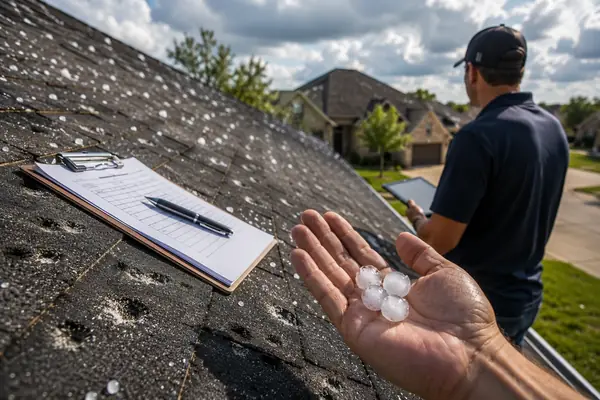
Hail is one of the most common sources of roof and exterior damage in the Waco–Hewitt area, and a properly documented hail damage insurance claim may involve much more than visible shingle damage. A single storm may affect asphalt shingles, metal roofing, gutters, vents, window screens, fencing, siding, HVAC fins, and detached structures.

Hail damage is not always obvious. Shingles may remain in place while their protective granules are displaced or the underlying mat becomes fractured. Metal components may show small dents that are easy to overlook during a rushed inspection.

Properties near North Hewitt Drive, Sun Valley Boulevard, Spring Valley Road, Panther Way, and the residential streets surrounding Hewitt Park may all experience different wind and hail conditions during the same storm. Roof age, slope, material, tree cover, and storm direction can change the damage pattern from one property to the next.

High-Wind and Tornado Damage

Severe thunderstorms can produce strong straight-line winds even when no tornado is confirmed. Wind may lift shingles, loosen flashing, damage ridge caps, tear gutters away from fascia, break tree limbs, and drive rain beneath roofing materials.

Tornado conditions can create more concentrated damage. In addition to roofing and structural concerns, a tornado-related claim may involve broken windows, damaged doors, debris impact, electrical damage, detached structures, fencing, contents, and emergency mitigation work.

After a high-wind event, an inspection should look beyond missing shingles. Creased tabs, loosened fasteners, displaced flashing, damaged vents, compromised seals, and water entry points may be just as important.

Heavy Rain and Water Intrusion

Heavy rain can enter through storm-damaged roofing, flashing, windows, doors, or exterior wall openings. Plumbing leaks, appliance failures, drain backups, and failed supply lines can also cause substantial water damage inside Hewitt homes and businesses.

McLennan County provides floodplain guidance concerning designated Special Flood Hazard Areas, but not every water loss is a flood claim. Insurance policies often distinguish between water entering from outside at ground level and water damage caused by a covered roof opening, plumbing failure, appliance leak, or another source. Property owners facing a sudden interior loss can also review our guide to handling a water damage insurance claim

Determining the cause of loss is critical. It affects which policy provisions may apply and what documentation the carrier will request.

Winter Freeze Damage

Central Texas winters are usually moderate, but a hard freeze can still damage plumbing systems, fire-suppression lines, water heaters, exterior pipes, and commercial equipment. A frozen pipe may burst after temperatures rise, spreading water into walls, cabinets, ceilings, flooring, insulation, or inventory.

Freeze claims can become complicated when the visible water damage is addressed but hidden moisture, access costs, insulation removal, or matching materials are left out of the estimate.

Common Insurance Claims in Hewitt

Hail Damage Claims

Hail claims often involve more than the roof surface. A complete inspection may need to address:

  • Asphalt shingles, metal panels, or tile
  • Ridge caps and roofing accessories
  • Gutters and downspouts
  • Roof vents, turbines, and flashing
  • Window screens and glazing
  • Siding and exterior finishes
  • Fences, sheds, and detached structures
  • HVAC condenser fins
  • Interior leaks related to storm-created openings

TX Public Adjusting compares the observed damage with the insurance company’s scope and estimate. When supported by the facts, we document omitted items and prepare a detailed claim presentation.

Roof Damage Claims

Roof claims in Hewitt may result from hail, wind, falling branches, lightning, fire, or water intrusion. Roof damage can also create secondary interior problems that appear days or weeks later.

A carrier estimate may include a small repair without addressing whether the repair is practical, whether surrounding materials were affected, or whether related items must be removed and reset. The claim should be based on the policy, the actual damage, applicable repair methods, and reasonable documentation—not a quick visual assumption. Learn more about when it may help to hire a public adjuster for a roof claim

Water Damage Claims

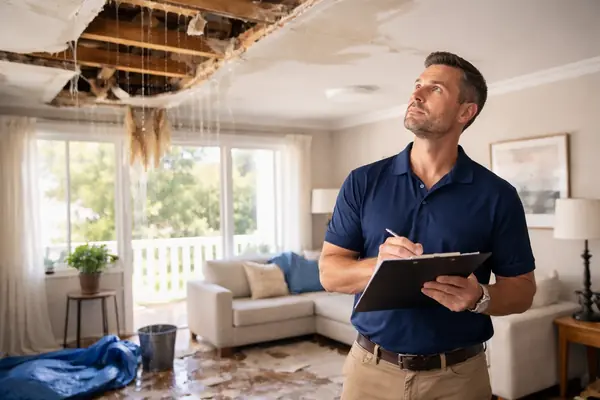
Water damage can spread well beyond the visible stain or wet flooring. Moisture may travel behind baseboards, under cabinets, beneath tile, through insulation, and into adjacent rooms.

A water-damage claim may include:

  • Emergency extraction
  • Drying and dehumidification
  • Moisture mapping
  • Removal of damaged materials
  • Access to failed plumbing
  • Cabinet and countertop work
  • Flooring replacement
  • Drywall, texture, and painting
  • Contents handling
  • Mold-related evaluation when applicable

Our guide to dealing with an insurance adjuster after water damage explains several issues property owners may encounter during the claim process. The source of the water and the wording of the policy must be reviewed carefully. Coverage varies, and flood-related losses are generally handled differently from sudden plumbing or storm-entry claims.

Fire and Smoke Damage Claims

Fire losses can affect far more than the area where flames were visible, which is why working with an experienced fire insurance adjuster can be valuable on a large or complicated loss. Smoke, soot, heat, firefighting water, and corrosive residue may spread through multiple rooms and building systems.

A fire claim may require documentation of:

  • Structural damage
  • Smoke and soot contamination
  • Contents damage
  • Electrical components
  • HVAC systems and ductwork
  • Demolition and debris removal
  • Water used during suppression
  • Temporary repairs
  • Additional living expenses
  • Business interruption expenses
  • Code-related repairs where covered

Because fire claims often involve many categories of damage, missing even a few scope sections can materially affect the estimate.

Storm Damage Claims

A Central Texas storm may combine hail, wind, heavy rain, lightning, and falling debris. Treating the loss as a single isolated roof repair may overlook damage to siding, windows, gutters, fences, detached buildings, interiors, and mechanical equipment.

A detailed claim review helps connect related damage across the property and establish a clearer timeline of what occurred. Property owners can also review our Texas hurricane property damage guide for a broader explanation of storm-related roof, interior, structural, and water damage. 

Commercial Property Claims

Commercial claims in Hewitt can involve office buildings, retail spaces, restaurants, churches, schools, multifamily properties, warehouses, medical offices, and service businesses.

These losses may include:

  • Building damage
  • Roof and exterior systems
  • Interior finishes
  • Equipment
  • Inventory
  • Tenant improvements
  • Emergency mitigation
  • Temporary relocation
  • Business income impacts
  • Extra expenses
  • Code upgrades where covered

Commercial policies often contain detailed conditions, limits, deductibles, endorsements, and reporting requirements. A claim should be organized early so that physical damage and operational consequences are properly documented.

Why Insurance Claims Become Underpaid

Why Insurance Claims Become Underpaid

An underpaid claim does not always result from one large mistake. It may develop through several common property insurance claim mistakes, scope omissions, or documentation gaps. More often, the estimate contains a series of omissions or assumptions that reduce the total scope.

Damage Was Missed During the Initial Inspection

A brief inspection may not capture damage on every roof slope, exterior elevation, interior room, detached structure, or mechanical component. Some issues are difficult to see from the ground. Others appear only after materials are removed or moisture is measured.

The Scope Is Too Narrow

The carrier may acknowledge the damaged item but omit work required to complete the repair. Common examples include access, removal, disposal, protective measures, material manipulation, detach-and-reset work, texture blending, painting, or adjacent finishes.

Depreciation Is Misunderstood

Insurance estimates may show replacement cost value, actual cash value, depreciation, deductibles, and recoverable amounts. Property owners sometimes believe the first payment is the entire settlement when additional funds may depend on completing repairs and submitting documentation.

The policy controls how depreciation is handled.

Repair Pricing Is Too Low

Material prices, labor costs, specialty trades, overhead, and local availability can affect the true repair cost. An estimate based on incomplete quantities or unrealistic labor assumptions may not reflect the work required.

Documentation Is Incomplete

Photographs alone may not be enough. A well-supported claim can require measurements, moisture readings, contractor estimates, inventories, invoices, receipts, engineering information, repair methodology, and policy analysis.

Additional Damage Was Found Later

Hidden damage may become visible during demolition or repairs. When that happens, the new condition should be documented promptly and presented through the carrier’s supplement process before the work continues too far.

Our Public Adjusting Process

1. Claim Review

We begin by discussing what happened, when the damage occurred, what the carrier has done, and what concerns the property owner has. We may review the policy, claim correspondence, payment documents, estimates, photographs, and contractor information.

2. Property Inspection

We inspect accessible areas related to the reported loss. Depending on the claim, this may include the roof, exterior elevations, interior rooms, contents, detached structures, commercial equipment, or affected building systems.

3. Damage Documentation

We organize photographs, measurements, estimates, inventories, invoices, and supporting records. For complex claims, documentation may need to be divided by room, trade, building, or coverage category.

4. Scope and Estimate Review

We compare the insurance company’s scope with the observed conditions. The review focuses on missing damage, incomplete quantities, omitted repair operations, inconsistent pricing, and other differences supported by the claim evidence.

5. Claim Presentation and Negotiation

TX Public Adjusting communicates with the insurance carrier and presents the policyholder’s documented position. We respond to questions, provide supporting materials, discuss disputed scope items, and participate in additional inspections when appropriate.

6. Settlement Support

When the carrier issues a revised decision or payment, we help the property owner understand the documentation and remaining claim requirements. The insurance company makes the final coverage and payment decisions under the policy.

Why Choose TX Public Adjusting

Licensed Texas Representation

TX Public Adjusting is operated by Rise Public Adjusting LLC, Texas License #3356839.

We Represent Policyholders

Insurance-company adjusters work for the carrier. Public adjusters represent insured property owners. Our responsibility is to document and present the policyholder’s claim—not protect the insurance company’s financial interests.

Residential and Commercial Experience

Our team has experience reviewing thousands of property claims involving homes, businesses, multifamily properties, churches, retail buildings, warehouses, and other structures.

Texas-Focused Claim Knowledge

Texas claims often involve hail, wind, freeze, fire, water, and severe-storm damage. We understand how these losses affect different roofing systems, building materials, and property types.

Detailed Documentation

A strong claim depends on evidence. We focus on scope development, damage documentation, estimate comparison, policy review, and organized communication.

No Upfront Fees

Your initial claim review is free. Public adjusting services are generally provided on a contingency basis under a written agreement, so there are no upfront fees.

Concerned That Your Hewitt Claim Is Too Low?

Do not assume the first estimate includes everything required to repair the property. Contact TX Public Adjusting for a free claim review.

Serving Neighborhoods and Properties Throughout Hewitt

Serving Neighborhoods and Properties Throughout Hewitt

Hewitt does not have the same sharply defined neighborhood boundaries found in larger cities, but its residential areas and commercial corridors have distinct property characteristics.

We assist property owners near:

  • Hewitt Park and Warren Park
  • North Hewitt Drive
  • Sun Valley Boulevard
  • Spring Valley Road
  • Panther Way
  • Old Temple Road
  • Estates and subdivisions near Castleman Creek
  • Residential areas bordering Woodway
  • Properties near Robinson and South Waco
  • Homes within the Midway ISD community
  • Retail and commercial properties near Interstate 35

Hewitt Park and Warren Park are established city recreation locations used for community activities throughout the year. Midway ISD serves Hewitt along with Woodway, west Waco, Speegleville, and portions of nearby communities, reinforcing the city’s close connection to the larger Waco area.

Older homes may have repair concerns involving discontinued roofing, flooring, tile, or siding materials. Newer properties may involve builder-grade products, complex roof designs, or multiple exterior finishes. Commercial buildings may have flat or low-slope roofing systems that require a different inspection and estimating approach.

Areas We Serve Near Hewitt

TX Public Adjusting assists property owners in Hewitt and surrounding McLennan County communities, including:

  • Waco
  • Woodway
  • Robinson
  • Lorena
  • Bellmead
  • Beverly Hills
  • Lacy Lakeview
  • China Spring
  • McGregor
  • Moody
  • Bruceville-Eddy
  • Crawford
  • Elm Mott
  • Speegleville

Our service area extends throughout Texas for qualifying residential and commercial property claims.

Frequently Asked Questions

What does a public adjuster in Hewitt do?

A public adjuster represents the policyholder during a property insurance claim. The adjuster reviews the loss, documents damage, evaluates the insurer’s estimate, prepares supporting materials, and communicates with the insurance company.

Unlike the carrier’s adjuster, a public adjuster does not work for the insurance company.

When should I hire a public adjuster after property damage?

You may hire a public adjuster soon after the loss, after receiving an estimate, or when problems arise during the claim. Early involvement can help preserve evidence and organize documentation before repairs begin.

A public adjuster may also be helpful when a claim is underpaid, delayed, complicated, or disputed. Our guide explaining when to hire a public adjuster covers situations involving delayed, underpaid, disputed, and previously inspected claims. 

Can you help with a Hewitt hail-damage claim?

Yes. TX Public Adjusting handles residential and commercial hail claims involving roofs, gutters, siding, windows, HVAC systems, fencing, detached structures, and related interior water damage.

We review the carrier’s scope and document additional damage when supported by the property conditions.

What should I do immediately after storm damage?

Protect people first. After the area is safe, take photographs and video, prevent additional damage when reasonably possible, save receipts, and report the loss according to your policy.

Avoid permanently repairing or discarding damaged materials before they have been documented, unless emergency action is necessary for safety or to prevent further damage.

Can a public adjuster reopen an underpaid claim?

In some cases, an underpaid claim can be supplemented or reopened. The answer depends on the policy, claim status, loss date, prior payments, deadlines, and available evidence.

A claim review can help determine what options may still be available.

Does homeowners insurance cover flood damage in Hewitt?

Standard homeowners policies generally treat rising surface water differently from sudden water damage caused by plumbing failures or storm-created openings. Flood coverage is commonly provided through a separate flood policy.

Coverage always depends on the policy language and cause of loss. Property owners should avoid describing all water damage as “flooding” before the source has been properly identified.

How much does a public adjuster charge in Texas?

Public adjusters commonly work for a percentage of the claim recovery under a written contract. The fee structure should be explained before the agreement is signed and must comply with applicable Texas requirements.

TX Public Adjusting offers a free initial claim review and does not charge an upfront fee.

Can you help with a commercial insurance claim?

Yes. We assist with commercial building, contents, equipment, inventory, tenant improvement, business income, and extra-expense documentation when those coverages apply.

Commercial claims benefit from early organization because multiple coverage sections and operational records may be involved.

What happens if the insurance company already inspected my property?

You may still obtain an independent claim review. The carrier’s first inspection does not prevent the policyholder from documenting additional damage, questioning the scope, or submitting supporting information.

We compare the carrier’s findings with the observed conditions and available records. It may also help to understand the difference between a public adjuster and an insurance company adjuster before deciding how to proceed. 

How long does a property insurance claim take?

The timeline depends on the type of loss, extent of damage, documentation, carrier response, contractor involvement, and whether the claim is disputed. A simple claim may move faster than a large fire, water, or commercial loss.

A public adjuster cannot control every deadline, but organized documentation and consistent communication can help reduce avoidable delays.

Get a Free Hewitt Insurance Claim Review

You paid for property insurance to protect your home or business. When the damage is significant and the claim does not appear to cover the full loss, you deserve a careful review.

TX Public Adjusting helps Hewitt property owners document hail, storm, roof, fire, water, freeze, and commercial property claims. We represent policyholders throughout the claim process and communicate directly with the insurance carrier.

TX Public Adjusting
Rise Public Adjusting LLC
Texas License #3356839

Free Claim Review
No Upfront Fees
Residential and Commercial Claims

Request a free claim review from TX Public Adjusting to discuss your Hewitt property damage claim. 

Learn More About Public Adjusting Services