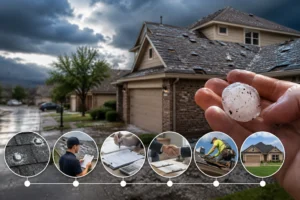

Roof claims rarely become stressful because homeowners ignore damage. Most problems start when critical details get missed during the inspection process. That happens more often than people realize. Understanding what insurance adjusters miss on roof claims can help homeowners avoid underpaid settlements, incomplete repairs, and expensive surprises months later. After major Texas storms, roof systems may suffer hidden damage that never appears on the first estimate. And once moisture starts moving beneath roofing materials, problems can spread fast. Some homeowners assume the insurance inspection is automatically comprehensive. Sometimes it is. Sometimes it is not. That distinction matters enormously when protecting your home.
Why Roof Claims Are Frequently Underestimated
Roof systems are more complicated than they look from the street. Shingles are only one part of the structure. Beneath them are underlayment layers, flashing systems, ventilation components, decking, moisture barriers, fasteners, and drainage systems that all work together to protect the property. When storms hit, damage may affect several layers simultaneously. Insurance adjusters often inspect large numbers of homes after hailstorms or wind events. Time pressures increase. Inspection schedules become crowded. Some claims receive highly detailed evaluations while others move quickly through the process. That is one reason homeowners researching what insurance adjusters miss on roof claims often discover major scope differences between contractor reports and carrier estimates.
Common Reasons Damage Gets Missed
| Issue | Why It Matters |
|---|---|
| Limited inspection time | Smaller damage indicators may be overlooked |
| Steep roof slopes | Certain areas may not be safely accessible |
| Hidden moisture intrusion | Water damage may exist beneath roofing materials |
| Older roofing systems | Storm damage may resemble weathering |
| High claim volume | Adjusters may handle excessive workloads after storms |
Not every missed item results from negligence.
But incomplete inspections still create serious financial consequences.
Visible Damage vs Functional Damage
This distinction creates confusion during many roof claims.
Visible damage is easy to identify:
- Missing shingles
- Bent gutters
- Broken tiles
- Torn flashing
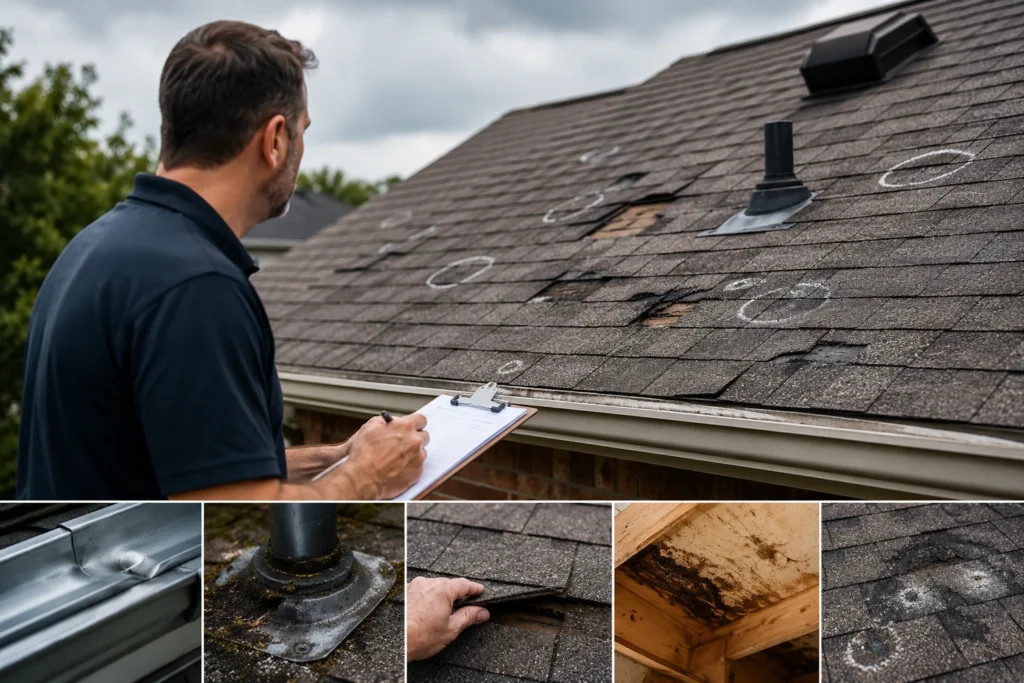
Functional damage is different. A roof may appear relatively intact while its protective performance has already been compromised. Hail impacts can fracture fiberglass mats beneath shingles. Wind may loosen flashing connections without fully detaching them. Water barriers can weaken long before visible leaks appear. That hidden deterioration matters. And it often becomes central to disputes involving what insurance adjusters miss on roof claims.
Soft Metal Damage Often Tells the Bigger Story
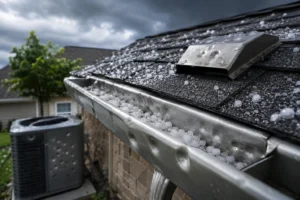
Experienced roofing professionals pay close attention to soft metal impacts after storms. Why? Because soft metals frequently reveal storm severity even when roofing materials show less obvious signs. Important inspection areas include:
- Gutters
- Downspouts
- Roof vents
- Flashing
- Window screens
- AC condenser fins
Soft metals dent more easily than shingles, making them useful storm indicators. If heavy impacts appear throughout soft metal components but the roof receives only minimal damage consideration, additional inspection may become necessary.
Why Soft Metal Evidence Matters
Soft metal damage can help establish:
- Hail size
- Storm direction
- Impact severity
- Exposure patterns across the property
These details influence claim evaluations significantly.
Granule Loss Creates Long-Term Roofing Problems
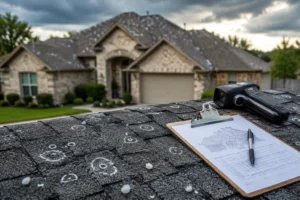
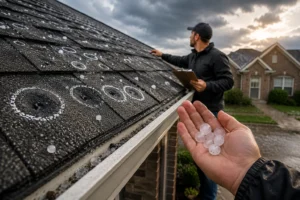
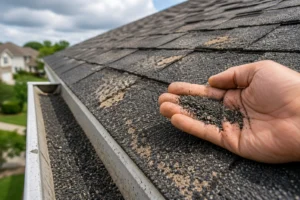
Granules protect shingles from ultraviolet deterioration and weather exposure. When hail removes those granules, the roofing material begins aging faster. Fresh hail impacts often appear as dark circular areas where protective granules have been displaced. Over time, those weakened spots may crack, dry out, or develop leaks. Insurance carriers sometimes classify granule loss as normal aging rather than storm damage. That disagreement creates many claim disputes.
Signs of Potential Hail-Related Granule Damage
- Random impact patterns
- Sharp granule displacement
- Exposed asphalt substrate
- Bruising beneath impact areas
- Damage consistent with recent storm timing
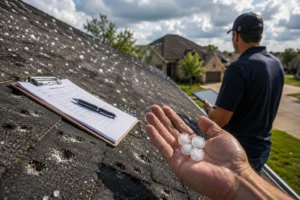
Homeowners should photograph roof conditions quickly after major weather events whenever possible. Strong documentation changes outcomes.
Hidden Underlayment Damage Can Be Expensive
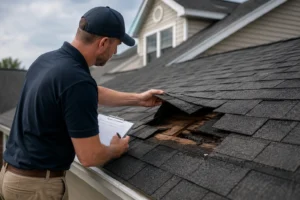
Some of the most serious roof problems remain invisible during initial inspections. The outer roofing material may survive the storm reasonably well while the underlayment system beneath it becomes compromised. That hidden moisture exposure can eventually lead to:
- Interior leaks
- Saturated insulation
- Mold growth
- Wood rot
- Structural weakening
Over time, prolonged moisture exposure can even contribute to structural Delamination within certain roofing materials and decking layers. The challenge is timing. Homeowners may not discover the problem until weeks or months later, long after the initial claim inspection ends.
Flashing Damage Frequently Gets Overlooked
Flashing protects vulnerable roof transitions. And those transitions often fail during severe weather. The highest-risk areas usually include:
- Chimneys
- Skylights
- Valleys
- Plumbing vents
- Roof-to-wall intersections
Even small flashing separations can allow water intrusion over time. The frustrating part? Homeowners often cannot see these problems from the ground. Everything appears normal until interior staining or attic moisture develops during later rainstorms.
Roof Ventilation Damage Matters More Than Homeowners Think
Ventilation systems regulate heat and moisture inside the attic space. Storm damage can compromise that airflow surprisingly fast. Common ventilation-related problems include:
- Cracked vent housings
- Bent turbine vents
- Detached vent caps
- Reduced attic airflow
- Moisture accumulation
Some homeowners also notice attic staining or signs of Efflorescence near masonry areas after prolonged water intrusion develops around flashing failures. Poor ventilation accelerates roof aging. That is why ventilation systems deserve close attention during inspections.
Structural Decking Damage May Remain Hidden
Roof decking supports the entire roofing system. When moisture reaches the decking, structural problems can begin developing beneath the surface. Common hidden issues include:
| Problem | Potential Consequence |
|---|---|
| Moisture saturation | Structural weakening |
| Delamination | Reduced roof stability |
| Rot development | Unsafe support conditions |
| Fastener pull-through | Reduced wind resistance |
Contractors often discover these conditions during tear-off rather than during the original inspection. That frequently triggers supplemental claim requests later in the repair process.
Why Insurance Adjusters Sometimes Miss Roof Damage
Several factors contribute to incomplete inspections. Some involve safety limitations. Others involve roofing complexity.
Safety Restrictions
Not every roof can be safely inspected under all conditions. Steep slopes, wet surfaces, fragile materials, and multi-story structures may limit direct roof access. In those situations, adjusters may rely heavily on ladder observations or drone photography. That can reduce inspection detail.
Roofing Systems Require Specialized Experience
Roofing materials fail differently. Metal roofing behaves differently than asphalt shingles. Tile roofs experience different impact patterns than composite systems. Flat roofs create unique moisture concerns. General adjusters often handle many claim categories, including:
- Fire losses
- Water damage
- Liability claims
- Wind damage
- Hail losses
Roofing expertise varies significantly from one inspector to another. That reality directly affects what insurance adjusters miss on roof claims.
Weathering vs Storm Damage Creates Major Disputes
This disagreement appears constantly during Texas roof claims. Insurance companies may argue:
- The roof is simply old
- Damage developed gradually
- Granule loss resulted from aging
- Cracking existed before the storm
- Previous repairs caused the problems
Sometimes those arguments are reasonable. Sometimes they are not. Distinguishing fresh storm damage from long-term weathering requires detailed inspection experience and careful documentation. Older roofs create especially complicated disputes.
Roof Components Frequently Missing From Estimates
Many homeowners assume the estimate covers the entire roofing system. That assumption is risky. Several critical components often get excluded from initial claim scopes.
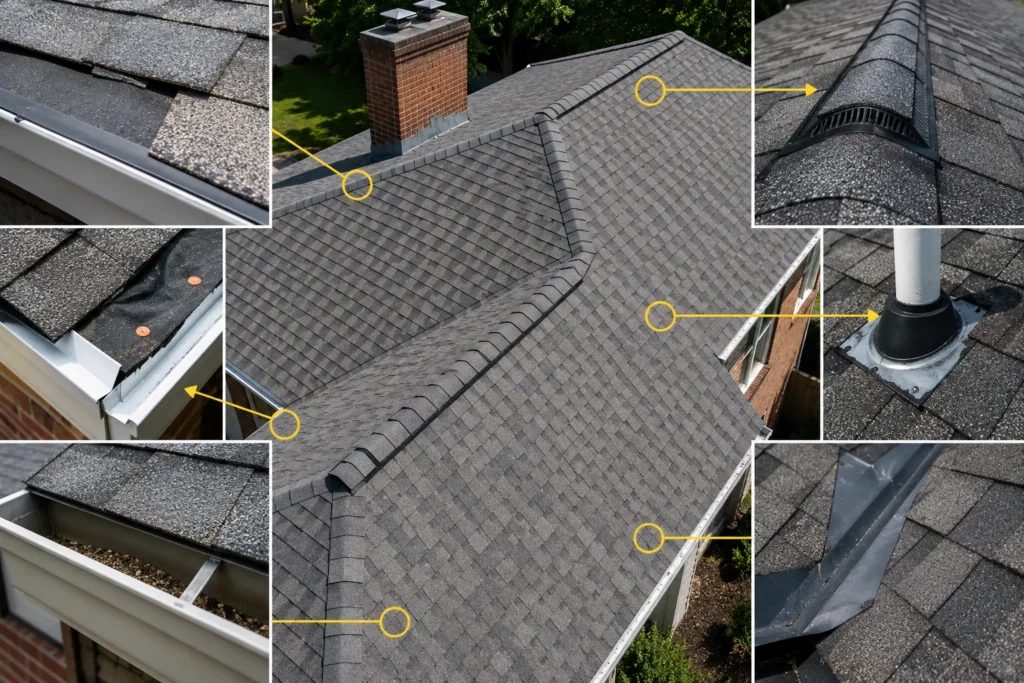
Commonly Missed Roofing Components
| Roofing Component | Why It Gets Missed |
|---|---|
| Starter shingles | Hidden beneath edge rows |
| Drip edge | Older systems may lack compliant installation |
| Ridge caps | Sometimes excluded from calculations |
| Ice and water shield | Hidden beneath roofing materials |
| Flashing replacement | Partial repairs may be assumed |
| Ventilation upgrades | Existing systems may be outdated |
Detach-and-reset items also get overlooked frequently, including:
- Solar panels
- Satellite dishes
- Gutters
- HVAC components
These missing items often create major pricing differences between contractor estimates and insurance estimates.
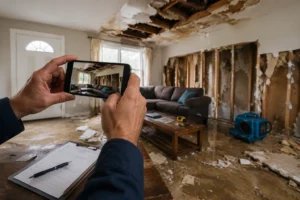
Interior Damage Is Commonly Connected to Roof Claims
Many homeowners focus only on the roof exterior after storms. That is understandable. But hidden interior damage often develops simultaneously. Water intrusion may spread into:
- Attic insulation
- Ceiling cavities
- Drywall
- Electrical systems
- HVAC areas
The roof itself may appear stable while moisture continues spreading internally.
Warning Signs Homeowners Should Watch Closely
- Ceiling discoloration
- Bubbling paint
- Damp insulation
- Musty odors
- Warped drywall
- Visible mold growth
These symptoms may indicate hidden roofing failures that were missed during the initial inspection.
Texas Building Codes Add Claim Complexity
Texas roofing claims often involve code upgrade requirements. And those upgrades can significantly increase repair costs. Examples include:
- Deck renailing requirements
- Drip edge installation
- Ventilation corrections
- Updated underlayment systems
- Flashing upgrades
Older roofing systems frequently fail to meet current building standards during replacement projects. That creates supplemental negotiations after contractors begin construction.
Why Code Upgrades Trigger Supplements
| Code Requirement | Potential Impact |
|---|---|
| Deck renailing | Increased labor and material costs |
| Drip edge installation | Additional perimeter work |
| Ventilation correction | New vent systems required |
| Waterproofing updates | Additional underlayment expenses |
Many of these issues only become visible after tear-off begins.
Independent Roof Inspections Can Reveal Missed Damage
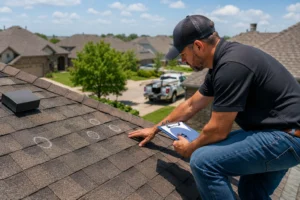
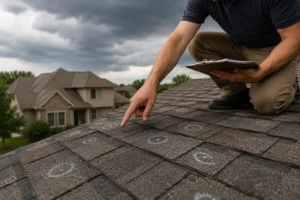
Second opinions matter on complex roof claims. Experienced roofing contractors often identify issues that were overlooked during the original inspection process. Thorough evaluations may include:
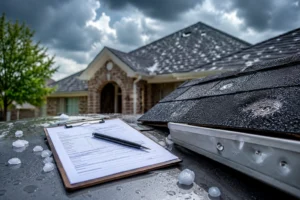
- Detailed photo evidence
- Moisture readings
- Test squares
- Attic inspections
- Structural assessments
- Material matching reviews
That documentation can strengthen claim negotiations dramatically.
How Public Adjusters Help With Roof Claims
Public adjusters represent policyholders. Not insurance carriers. That distinction changes the approach. When evaluating what insurance adjusters miss on roof claims, public adjusters often focus heavily on scope completeness, documentation quality, and supplemental negotiations.
Common Public Adjuster Responsibilities
- Reviewing carrier estimates
- Comparing contractor findings
- Documenting overlooked damage
- Organizing claim evidence
- Negotiating supplements
- Managing communication records
Many roof disputes become documentation battles more than inspection battles. The stronger the evidence, the stronger the claim position usually becomes.
Signs Your Roof Claim May Be Incomplete
Homeowners should pay attention to warning signs after inspections. Especially when something feels inconsistent.
Red Flags Include
- Extremely low repair estimates
- Missing roofing components
- No attic inspection performed
- Very short inspection times
- Minimal photo documentation
- Obvious leaks excluded from coverage
- Contractor estimates dramatically higher than carrier estimates
These situations deserve closer review before repairs begin.
Steps Homeowners Should Take After the Inspection
The inspection itself is only part of the process. What happens afterward matters just as much.
Smart Next Steps
Photograph Everything
Take wide-angle and close-up photos immediately after storms and throughout repairs.
Request the Full Estimate
Review every line item carefully. Missing components matter.
Compare Contractor Findings
Independent contractor evaluations may reveal overlooked damage.
Keep Communication Records
Save emails, inspection dates, estimate revisions, invoices, and photographs. Organization becomes incredibly valuable during disputes.
Request Reinspection If Necessary
Additional inspections sometimes lead to very different outcomes when stronger evidence becomes available later.
Final Thoughts
Roof claims are rarely simple. Storm damage spreads beyond visible shingles more often than homeowners expect, and understanding what insurance adjusters miss on roof claims can help property owners avoid major financial problems later. Some inspections are extremely thorough. Others miss critical details. The key is staying proactive. Inspect carefully. Document early. Compare estimates. Pay attention to hidden warning signs. Ask questions before repairs begin. And if the claim becomes complicated, seek experienced guidance before small roofing problems turn into expensive structural damage later. Because once moisture enters a roofing system, the clock starts ticking.
FAQs
Yes. Some roof damage is hidden beneath shingles, flashing, or underlayment and may not appear during a quick inspection.
Flashing damage, soft metal impacts, ventilation problems, underlayment damage, and code-required upgrades are frequently overlooked.
Yes. Independent roofing contractors often identify damage or missing estimate items that may not appear in the original insurance scope.
Absolutely. Moisture intrusion can slowly spread beneath roofing materials before visible interior leaks appear.
Contractors may include code upgrades, hidden structural issues, and full roofing system components that were omitted from the initial inspection.
Review the estimate carefully, compare it with contractor findings, and request a reinspection if important items appear missing.
Some policies include ordinance or law coverage that may help pay for required building code upgrades during roof replacement.
Photos are extremely important because they help document roof conditions before temporary repairs, weather exposure, or deterioration changes the evidence.
Yes. Older roofs can still sustain legitimate storm damage even if insurance companies argue that some wear existed beforehand.
Homeowners often consider public adjusters when claims become disputed, underpaid, delayed, or when significant roof damage appears overlooked.