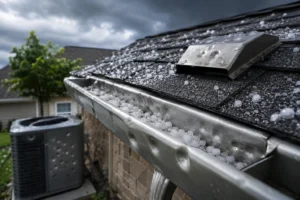

Insurance claims often look complete on paper. Then repairs begin. Contractors uncover additional damage. Roofing components are missing from the estimate. Code upgrades appear unexpectedly. Suddenly, homeowners realize what carriers commonly miss in their scope can create serious financial problems during the repair process. This happens far more often than most people expect. An incomplete scope can delay repairs, increase out-of-pocket costs, and create disputes between contractors, adjusters, and property owners. That is why understanding how scopes work and where omissions commonly happen is extremely important after property damage.
Understanding the Insurance Scope of Work
The scope of work is the insurance company’s detailed breakdown of approved repairs for a claim. It includes:
- Materials
- Labor
- Measurements
- Removal work
- Installation procedures
- Cleanup
- Safety requirements
Many homeowners confuse the scope with the final settlement amount. They are connected, but not identical. The scope determines what repairs are included. If items are missing from the scope, they may also be missing from the payment calculation. That is where problems begin. Insurance adjusters often inspect properties under tight timelines, especially after hailstorms, hurricanes, fires, or widespread weather events. During these large-loss periods, inspections may move quickly, increasing the likelihood that important details get overlooked. And unfortunately, small omissions can create major financial consequences.
Why Initial Insurance Scopes Are Often Incomplete
Most initial scopes are not intentionally inaccurate. But they are often incomplete. Several common factors contribute to missing items:
| Common Cause | Impact on the Claim |
|---|---|
| Limited inspection time | Important details may be missed |
| Hidden damage | Problems behind walls or roofing stay concealed |
| Safety restrictions | Steep roofs or dangerous areas may not be fully inspected |
| High claim volume | Faster inspections reduce detail accuracy |
| Generic estimating templates | Property-specific items may be omitted |
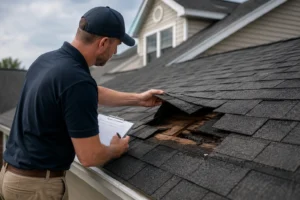
Some damage simply cannot be discovered during the first inspection. This is especially common in roofing and water damage claims. For example, a roof may appear repairable initially. But once shingles are removed, contractors may uncover deteriorated decking, hidden moisture, or structural damage underneath. That is why supplements are often necessary later in the process.

Roofing Components Frequently Overlooked
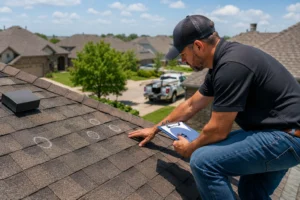
Roof claims generate some of the most common scope omissions in the insurance industry. Roofing systems are layered. Every component works together. Missing even a few line items can dramatically change repair costs. When discussing what carriers commonly miss in their scope, roofing accessories consistently rank near the top. Frequently overlooked roofing items include:
- Starter shingles
- Ridge caps
- Drip edge
- Valley metal
- Flashing
- Pipe jacks
- Ice and water shield
- Underlayment replacement
- Steep roof charges
- High-access labor costs
At first glance, these items may not seem expensive individually. Together, they add up fast.
| Roofing Component | Potential Additional Cost |
|---|---|
| Starter shingles | $250–$600 |
| Ridge cap replacement | $300–$900 |
| Flashing replacement | $400–$1,200 |
| Underlayment replacement | $800–$2,500 |
| Steep roof labor | $500–$2,000 |
This is one reason supplemental claims become so common during roof repairs. Contractors frequently discover omitted items after work begins.
Hidden Structural Damage Creates Major Problems
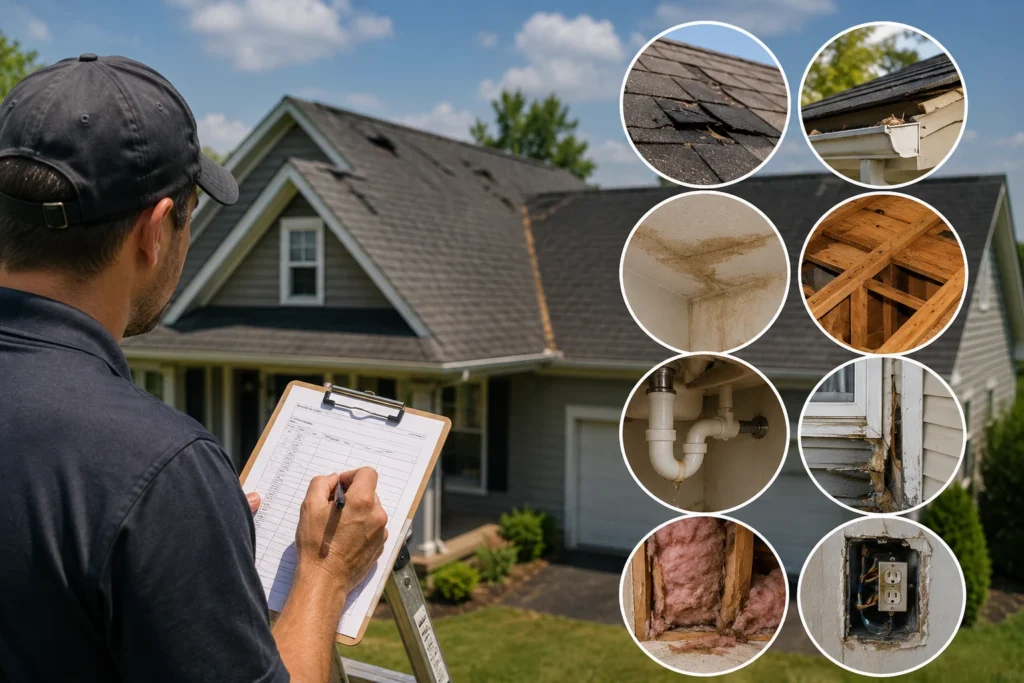
Surface-level inspections rarely tell the full story. Some of the most expensive property damage is hidden beneath visible materials. This is another major category involving what carriers commonly miss in their scope. Hidden damage may include:
- Roof decking deterioration
- Structural framing damage
- Water intrusion behind drywall
- Saturated insulation
- Softened subflooring
- Hidden electrical issues
- Moisture trapped inside walls
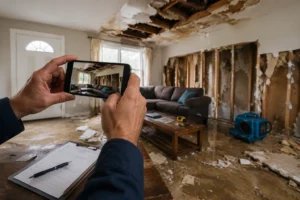
These problems often remain invisible until demolition starts. And once hidden damage appears, the original scope may no longer reflect the true repair cost. This is where documentation becomes critical. Detailed photos, contractor reports, moisture readings, and inspection notes help support supplemental requests during negotiations with the carrier. During large-loss investigations, adjusters sometimes rely on highly detailed inspection methods similar to photogrammetry to analyze measurements, structural conditions, and damage patterns more accurately.
Interior Damage Is Commonly Undervalued
Interior damage creates another area where scope omissions frequently happen. Especially after water losses. Insurance estimates sometimes focus only on visible staining while overlooking surrounding materials affected by moisture. That creates restoration problems later. Frequently missed interior items include:
- Insulation replacement
- Texture matching
- Paint blending
- Baseboard replacement
- Cabinet damage
- Flooring transitions
- Trim replacement
- Odor remediation
Texture matching becomes a major issue in many claims. A small drywall repair may technically address the damaged area, but perfectly matching surrounding textures can become nearly impossible. That often requires larger repair areas than the original estimate anticipated. The same issue occurs with flooring and roofing materials. Partial replacements may create obvious color mismatches between old and new materials. Those visual inconsistencies matter to homeowners. And they often become major negotiation points during supplemental claim discussions.
Building Code Upgrades Are Frequently Missed
Building codes change constantly. Roof ventilation requirements evolve. Fastener standards get updated. Energy efficiency rules become stricter. Safety regulations improve over time. Older homes may not meet current code standards during reconstruction. That creates another major category involving what carriers commonly miss in their scope. Common code-related omissions include:
- Ridge vent upgrades
- Deck re-nailing
- Ice barrier requirements
- Electrical improvements
- Plumbing updates
- Fire separation upgrades
These upgrades can become expensive quickly. Some insurance policies include Ordinance and Law coverage that helps pay for mandatory code upgrades. Others provide limited protection. Some disputes arise over whether the upgrades are actually required. That is why contractor documentation and local code expertise matter so much during claims.
Detach and Reset Items Are Often Forgotten
Roof replacement rarely involves only shingles. Other property components often require temporary removal during repairs. This process is commonly called detach and reset work. And yes, it is another area where carriers commonly miss items in their scope. Frequently overlooked detach and reset items include:
- Gutters
- Solar panels
- Satellite dishes
- HVAC equipment
- Security cameras
- Patio covers
- Window screens
Each item requires labor. Sometimes specialized labor. If these operations are missing from the estimate, contractors may later request additional payment or homeowners may face unexpected expenses. Neither situation helps an already stressful claim process.
Why Small Omissions Become Expensive Problems
One missing line item may not seem significant. Multiple missing items absolutely are. Insurance estimates often contain dozens or even hundreds of individual repair entries. Small omissions accumulate rapidly across labor, materials, code upgrades, disposal fees, and specialty work.
| Missing Category | Potential Financial Impact |
|---|---|
| Roofing accessories | $1,000–$4,000 |
| Interior repairs | $2,000–$8,000 |
| Code upgrades | $3,000–$15,000 |
| Structural repairs | $5,000–$20,000+ |
| Detach & reset operations | $500–$5,000 |
This is exactly why understanding what carriers commonly miss in their scope matters so much for homeowners. Small details often determine whether a settlement truly covers the full repair cost.
How Public Adjusters Identify Missing Scope Items
Public adjusters spend enormous amounts of time reviewing estimates line by line. Not casually. Carefully. They compare carrier scopes against contractor findings, site inspections, local building requirements, and restoration standards. The process may include:
- Detailed property inspections
- Moisture mapping
- Photo documentation
- Contractor coordination
- Code research
- Xactimate estimate reviews
- Supplemental claim preparation
Experienced adjusters understand where omissions commonly happen. They recognize overlooked roofing accessories, missing labor categories, code-related upgrades, and hidden repair costs that many homeowners would never notice. That expertise becomes extremely valuable during large or technically complicated claims. Some restoration disputes also involve highly technical moisture behavior concepts related to hygroscopy, particularly when evaluating water intrusion hidden inside porous building materials.
Common Red Flags in an Incomplete Scope
Homeowners can often identify warning signs themselves. Several red flags may indicate incomplete scoping.
Generic Repair Language
Vague descriptions often create problems. Examples include:
- “Repair as needed”
- “Patch drywall”
- “Replace damaged roofing”
Detailed scopes reduce confusion and disputes.
Missing Measurements
If quantities seem unusually low, additional review may be necessary. Always compare contractor measurements against the carrier estimate.
No Safety Charges
Steep roofs and difficult-access areas often require additional labor and safety equipment. If those costs are missing, the estimate may be incomplete.
Missing Matching Considerations
Roofing, siding, flooring, and paint matching issues frequently become major disputes later in the repair process.
How Homeowners Can Protect Themselves
Property owners are not powerless during insurance claims. Several proactive steps help improve claim accuracy.
Review the Scope Carefully
Never assume the estimate is automatically complete. Read it line by line. Ask contractors to review it too.
Document Everything
Strong documentation changes claim outcomes. Helpful records include:
- Wide-angle photos
- Close-up damage images
- Videos
- Moisture readings
- Contractor notes
- Receipts
- Inspection reports
The stronger the documentation package becomes, the easier supplemental negotiations often become.
Request Reinspections When Necessary
Additional inspections are common during large claims. Especially when hidden damage appears after demolition begins. Do not panic if supplements become necessary. They are a normal part of many property claims.
Consider Professional Claim Assistance
Some claims remain manageable independently. Others become highly technical. When repeated omissions or major disputes appear, professional representation may help protect the policyholder’s interests more effectively.
Understanding the Supplemental Claim Process
Supplements are simply additions to the original estimate. They exist because additional covered damage or required work was discovered after the initial inspection. Supplements commonly involve:
- Hidden structural damage
- Additional demolition findings
- Code upgrades
- Material price increases
- Additional labor requirements
Successful supplements usually require detailed supporting evidence. That evidence may include:
- Contractor estimates
- Engineering reports
- Photos
- Material invoices
- Manufacturer specifications
- Code documentation
Organization matters enormously during this phase. The better the documentation, the stronger the supplemental request usually becomes.
Accurate Scoping Protects Final Settlements
At the center of every insurance claim is one critical goal: Proper restoration. That only happens when scopes are accurate and complete. Incomplete scopes can lead to:
- Delayed repairs
- Financial stress
- Contractor disputes
- Out-of-pocket expenses
- Incomplete restoration
- Long-term property issues
This is why understanding what carriers commonly miss in their scope matters so much during property damage claims. The scope is not just paperwork. It directly affects repair quality, project timelines, and final settlement value.
Final Thoughts
Insurance claims are rarely as simple as they first appear. Especially large property losses. When homeowners understand what carriers commonly miss in their scope, they place themselves in a much stronger position during the claims process. They ask better questions, review estimates more carefully, recognize omissions earlier. Most importantly, they protect the long-term value of their property. Because accurate scoping is not about inflating claims. It is about complete repairs. And complete repairs matter.
FAQs
The scope of work is the insurance company’s detailed list of approved repairs, materials, labor, and restoration tasks related to the claim.
Carriers may miss items due to rushed inspections, hidden damage, safety limitations, or large claim volumes after storms and disasters.
Yes. Hidden damage discovered during demolition or repairs is commonly added through a supplemental claim process.
Starter shingles, flashing, underlayment, ridge caps, drip edge, and steep roof labor charges are frequently omitted.
A supplement is an additional request for payment when new covered damage or repair requirements are discovered after the original estimate.
Some policies include Ordinance and Law coverage that may help pay for required building code upgrades during reconstruction.
Partial repairs can create visible color or texture differences in roofing, flooring, siding, and paint, affecting the property’s appearance and value.
Absolutely. Comparing both documents can help identify missing line items, inaccurate measurements, or overlooked repairs.
Detailed photos, contractor reports, invoices, moisture readings, and organized documentation help support stronger supplemental negotiations.
Homeowners often seek public adjuster assistance when claims become large, technical, delayed, or involve repeated scope omissions and disputes.