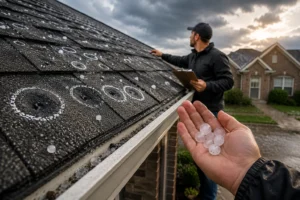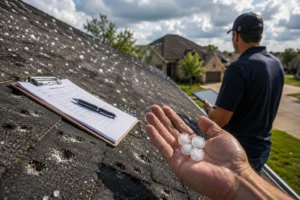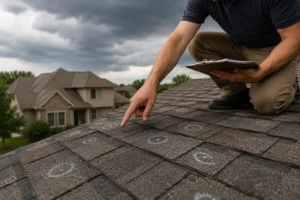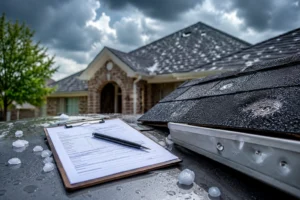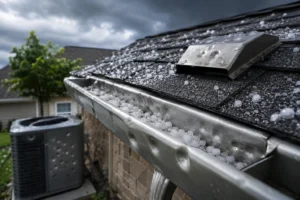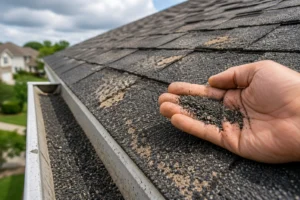

Tile roofs look strong. And they are. They handle heat well, last for decades, add serious curb appeal to homes across Texas. But even durable roofing systems can suffer major problems after severe weather. That is why understanding the signs of hail damage on tile roofs is so important for homeowners. The challenge? Tile roof hail damage is not always obvious. Some problems appear immediately. Broken tiles. Cracks. Missing sections. Others stay hidden for months. A tiny fracture from one hailstorm can slowly allow moisture underneath the roofing system. Over time, leaks develop. Interior stains appear. Repair costs increase fast. I have seen homeowners assume their tile roof survived perfectly because everything looked fine from the driveway. Then a professional inspection revealed widespread hidden cracking. That happens more than people realize. If you own a tile roof in Texas, knowing the warning signs early can save thousands of dollars later.
Understanding How Hail Affects Tile Roofs
Not all tile roofs react the same way during a hailstorm. The material matters. The age matters. The size of the hail matters. Clay tiles, concrete tiles, and slate-style systems all respond differently under impact pressure. Common tile roof materials include:
| Tile Type | Characteristics | Hail Risk |
|---|---|---|
| Clay Tile | Traditional and brittle | Higher crack potential |
| Concrete Tile | Heavy and durable | Surface damage possible |
| Slate-Style Tile | Premium appearance | Fracture risk under severe hail |
| Synthetic Tile | Lightweight alternative | Depends on product quality |
Texas storms often combine large hail with strong wind. That combination creates problems. Wind-driven hail strikes roofing surfaces at aggressive angles. Damage spreads unevenly across the roof. Some slopes may suffer extensive impacts while others appear untouched. And unfortunately, tile systems do not always show immediate visible failure.
Cracked Roof Tiles
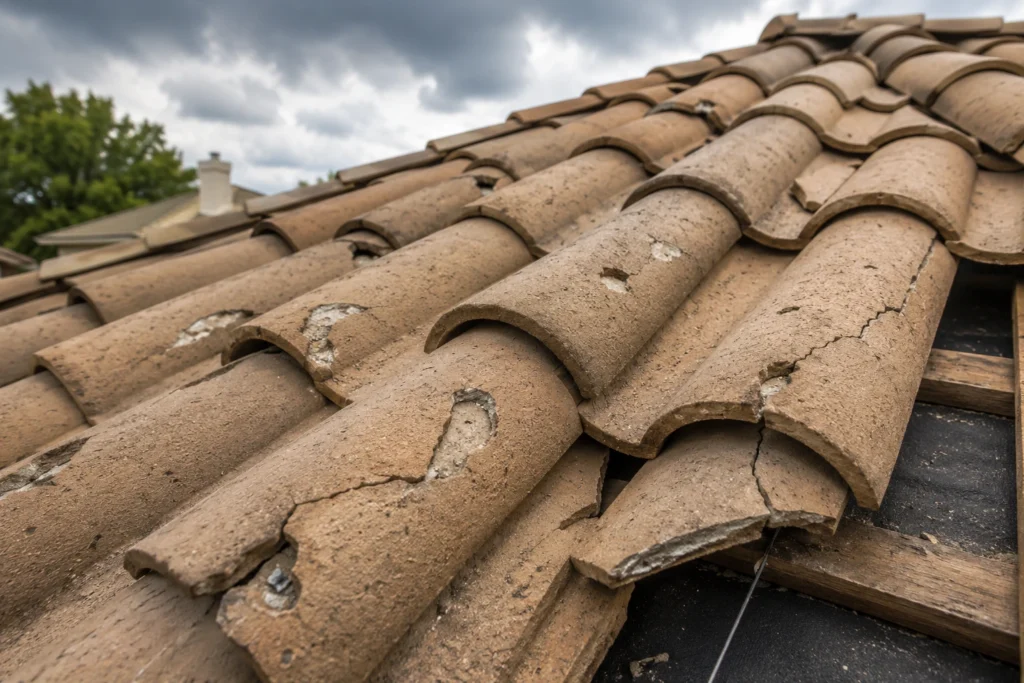
One of the clearest signs of hail damage on tile roofs is cracking. Some fractures are obvious. Others are tiny. Small hairline cracks may not leak immediately, but they weaken the roofing system significantly over time. Common crack patterns include:
- Hairline fractures
- Corner breaks
- Circular impact cracks
- Full tile splits
- Stress fractures near fastening areas
The real danger often comes later. Water enters the fracture. Heat expansion worsens the separation. Moisture slowly spreads beneath the surface. A small crack today can become a major roofing problem months later.
Chipped Tile Edges
Hail frequently damages tile corners and exposed edges first. You may notice:
- Rough impact marks
- Missing corners
- Surface chips
- Uneven edges
- Exposed material beneath coatings
Concrete tile roofs sometimes lose portions of their outer surface after repeated impacts. Even minor edge damage matters. Because once the protective layer weakens, moisture intrusion becomes more likely.
Broken or Missing Tiles
Severe storms can create immediate catastrophic damage. Large hail combined with heavy wind can fracture tiles completely or even displace them from the roof. Broken tile pieces may appear:
- In gutters
- Around landscaping
- On patios
- Near downspouts
- Along driveways
Once tiles become displaced, the underlayment beneath the roofing system becomes vulnerable. And that creates serious risk.
Circular Impact Marks
One of the more noticeable signs of hail damage on tile roofs involves random circular strike patterns across the surface. These impacts may look like:
- Dark bruises
- Small craters
- Surface compression spots
- Random dents
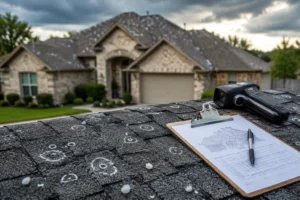
Unlike foot traffic damage, hail impacts appear scattered naturally across multiple roof slopes. Pattern consistency matters during inspections. Professional roof inspectors often analyze impact distribution carefully during insurance claims.
Surface Spalling on Concrete Tiles
Concrete tile roofs sometimes experience a condition called spalling after hailstorms. Spalling occurs when the outer layer of the tile begins breaking away from the surface. The result? Flaking. Surface deterioration. Gradual weakening. This kind of damage should never be ignored because it exposes the roofing material underneath to additional moisture and weather exposure.
Hidden Hail Damage Most Homeowners Miss
Visible damage is only part of the problem. Some of the most expensive roofing issues stay hidden beneath the surface.
Microfractures
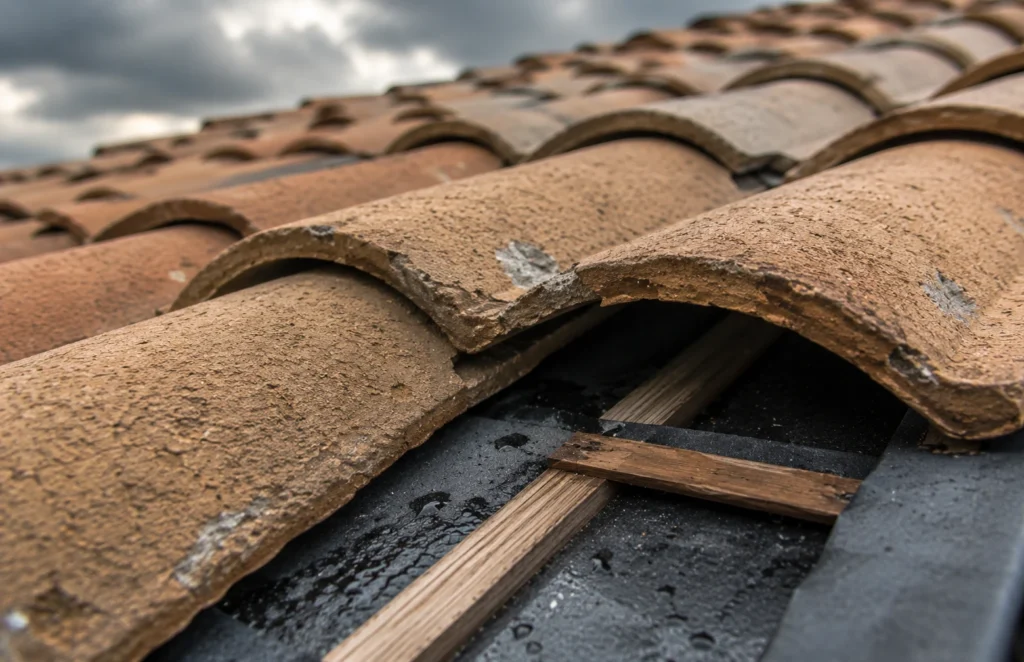
Tiny fractures can develop underneath tile surfaces without becoming immediately visible. These microfractures often spread gradually over time. That delayed damage is dangerous because homeowners may assume the roof survived without problems while hidden deterioration continues underneath.
Underlayment Damage
Tile roofs rely heavily on the waterproof barrier beneath the tile system itself. Large hail impacts can damage both the tile and the underlayment below it. Once compromised, moisture may travel beneath roofing materials for extended periods before leaks appear inside the home. In some situations, hidden moisture spread behaves almost like Capillary action, moving farther beneath the roofing system than many homeowners expect.
Flashing Damage Around Roof Features
Roof transitions are especially vulnerable during hailstorms. That includes areas around:
- Chimneys
- Skylights
- Roof vents
- Valleys
- Wall connections
Hail impacts can loosen or damage flashing materials even when nearby tiles appear relatively intact. And flashing failures often create some of the most frustrating roof leaks homeowners experience.
How to Inspect a Tile Roof After a Hailstorm
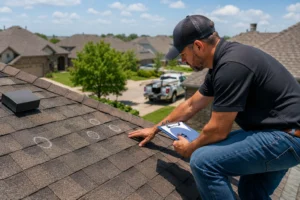
Walking directly on tile roofs can create additional damage. Avoid it whenever possible. Start from the ground first.
Look for These Warning Signs
| Inspection Area | What to Check |
|---|---|
| Gutters | Broken tile fragments |
| Landscaping | Roofing debris |
| Attic | Moisture or stains |
| Ceilings | Water discoloration |
| Exterior Walls | Water streaking |
Binoculars can help identify visible damage safely. But professional inspections remain the safest and most accurate option after severe hailstorms.
Interior Signs of Tile Roof Damage
Homeowners sometimes focus only on exterior roofing issues. That is a mistake. Interior symptoms often reveal roofing failures before major leaks become obvious. Watch for:
- Ceiling stains
- Damp insulation
- Musty odors
- Bubbling paint
- Mold growth
- Peeling drywall
Roof damage and interior symptoms do not always appear at the same time. That delay creates confusion during many insurance claims.
Hail Damage vs Normal Wear
Insurance disputes often focus on one major question. Is the damage storm-related? Or simply age-related deterioration? The distinction matters.
Normal Wear Usually Includes:
- Uniform fading
- Gradual weathering
- Consistent aging
- Predictable material wear
Hail Damage Usually Includes:
- Random impacts
- Sharp fractures
- Sudden break patterns
- Storm-facing damage concentration
Large hail events sometimes require a near Forensic engineering approach during inspections to properly evaluate the full scope of the roof damage.
Why Tile Roof Hail Damage Gets Expensive Quickly
Tile roofs are premium roofing systems. And repairs can become expensive fast. Especially when matching issues appear. Older tile products may no longer exist. Manufacturers discontinue colors and profiles regularly. Even slight variations become visually noticeable after repairs. That creates complications during insurance claims.
Water Intrusion Problems
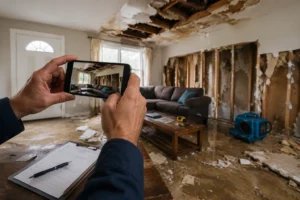
Small roofing failures rarely stay small. Water spreads. It reaches underlayment materials. Decking systems. Insulation. Drywall. Framing components. One cracked tile can eventually contribute to major interior damage if ignored long enough. That is why early action matters after severe storms.
The Insurance Claim Process for Tile Roof Damage
Tile roof claims can become complicated quickly. Documentation matters enormously. After a hailstorm:
- Take clear photos
- Save broken tile fragments
- Record storm dates
- Keep inspection reports
- Document interior damage carefully
Strong documentation creates stronger claim support.
Why Professional Roof Inspections Matter
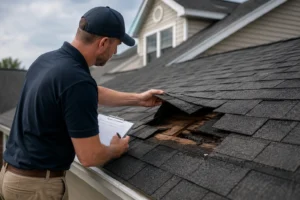
Professional inspectors can identify hidden roofing issues homeowners would never recognize themselves. That includes:
- Hidden fractures
- Underlayment damage
- Flashing failures
- Structural movement
- Impact pattern analysis
Detailed inspection reports also help support insurance negotiations later.
Common Insurance Challenges With Tile Roof Claims
Tile roof claims often involve technical disputes. Common issues include:
| Claim Challenge | Why It Happens |
|---|---|
| Partial repair disputes | Matching concerns |
| Cosmetic damage disagreements | Coverage interpretation |
| Underpayment problems | Hidden damage overlooked |
| Supplemental claim denials | Incomplete inspections |
These situations become especially common on older or high-end tile roofing systems.
How Public Adjusters Help With Tile Roof Claims
Public adjusters represent policyholders during the claim process. Not insurance companies. That distinction matters when disputes arise regarding repair scope or overlooked storm damage. Public adjusters often assist with:
- Damage documentation
- Estimate reviews
- Supplemental negotiations
- Complex roofing claims
- Matching disputes
In complicated situations, detailed documentation can dramatically improve claim outcomes.
Preventing Future Tile Roof Problems
You cannot stop hailstorms. But you can reduce long-term roofing risks.
Smart Preventive Maintenance
- Schedule yearly roof inspections
- Replace cracked tiles early
- Maintain flashing systems
- Clear gutters regularly
- Address leaks immediately
- Upgrade aging underlayment when needed
Preventive maintenance usually costs far less than emergency repairs later.
When to Call a Roofing Professional Immediately
Some situations require immediate action. Do not delay if you notice:
- Active roof leaks
- Large visible cracks
- Multiple broken tiles
- Interior water damage
- Sagging ceilings
- Mold growth after storms
Fast response can dramatically reduce secondary property damage. Especially during Texas storm season.
Final Thoughts
The signs of hail damage on tile roofs are not always obvious. Sometimes the damage is dramatic. Other times it hides quietly beneath the surface while moisture slowly spreads underneath the roofing system. That is what makes professional inspections so important after severe weather. The earlier damage gets identified, the easier repairs usually become. Wait too long, and costs often increase quickly. Tile roofs remain one of the most durable and visually appealing roofing systems available today. But even strong roofing materials require careful evaluation after major hailstorms. Inspect carefully. Document everything. Act quickly after severe weather. And if the insurance process becomes complicated, seek experienced guidance before small roofing problems become major financial problems.
FAQs
Look for cracked tiles, chipped edges, circular impact marks, or broken roofing pieces around your property after a storm.
Yes. Even tiny fractures can allow moisture underneath the roofing system and eventually create interior water damage.
Tile roofs are durable, but they are not completely hail-proof. Large hailstones and strong wind-driven storms can still create serious damage.
No. Walking on tile roofs can crack additional tiles and create safety risks. Ground-level inspections and professional evaluations are safer.
Many homeowner policies cover storm-related roof damage, but claim outcomes depend on policy terms and the extent of the damage.
Cracked tiles and chipped edges are among the most common problems after severe hailstorms.
Yes. Hidden fractures and underlayment damage may not show visible symptoms immediately but can worsen over time.
Matching older tile styles and colors can be difficult, and hidden underlayment damage may increase repair costs significantly.
It is best to schedule an inspection as soon as possible after severe weather to prevent hidden damage from worsening.
Yes. Public adjusters can help document damage, review estimates, and negotiate with insurance companies during complex claims.