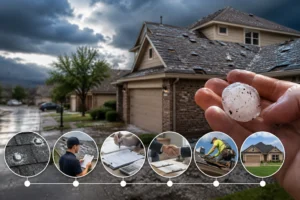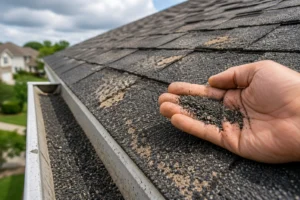

Metal roofs are built to handle tough weather. But Texas hailstorms can still leave serious damage behind. Some impacts are obvious. Others stay hidden for months before leaks, corrosion, or insurance problems appear. That is why understanding the signs of hail damage on metal roofs matters so much. Early detection helps property owners protect the roof, document insurance claims properly, and avoid long-term structural problems later. Many homeowners assume metal roofing systems cannot be damaged by hail. That assumption creates expensive mistakes.
Why Metal Roofs Respond Differently to Hail
Metal roofing systems absorb impact differently than asphalt shingles or tile roofs. Instead of cracking immediately, metal panels often dent, flex, or develop coating damage after hail impacts. Several factors influence how severe the damage becomes.
| Factor | Why It Matters |
|---|---|
| Hail Size | Larger hail creates deeper impact damage |
| Wind Speed | Increases impact force dramatically |
| Roof Age | Older roofs may have weakened coatings |
| Metal Thickness | Thicker panels resist dents better |
| Roof Design | Standing seam systems react differently than exposed-fastener systems |
Even durable roofing systems can suffer damage during severe storms. Especially in Texas.
Visible Dents Across Metal Panels
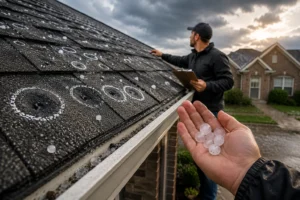
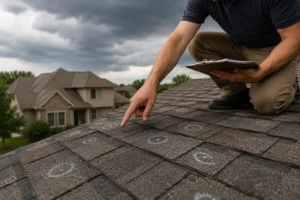
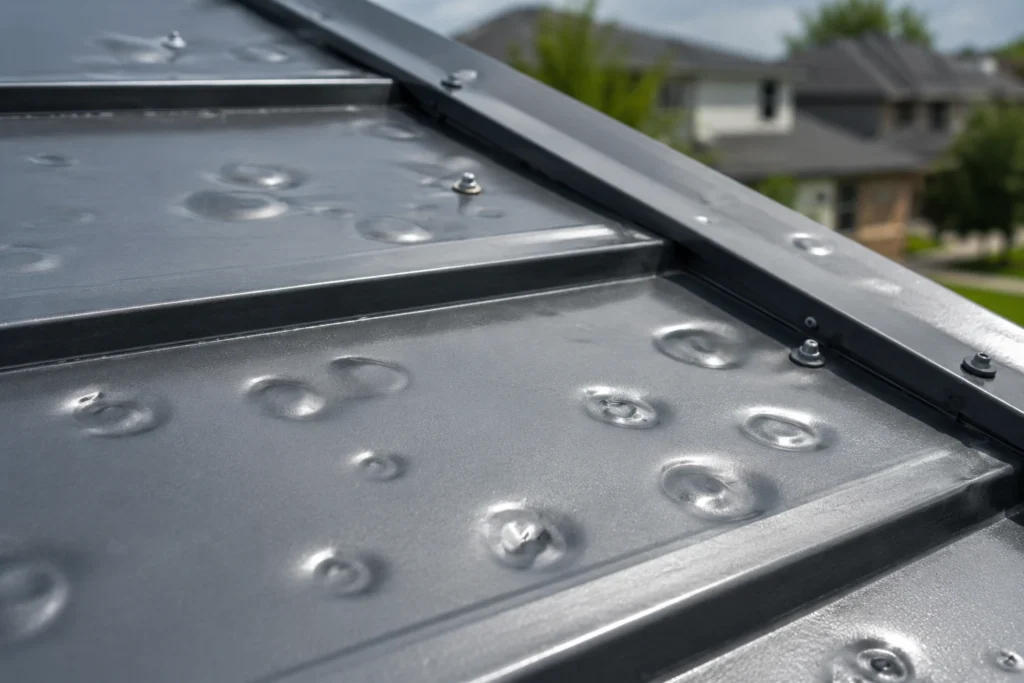
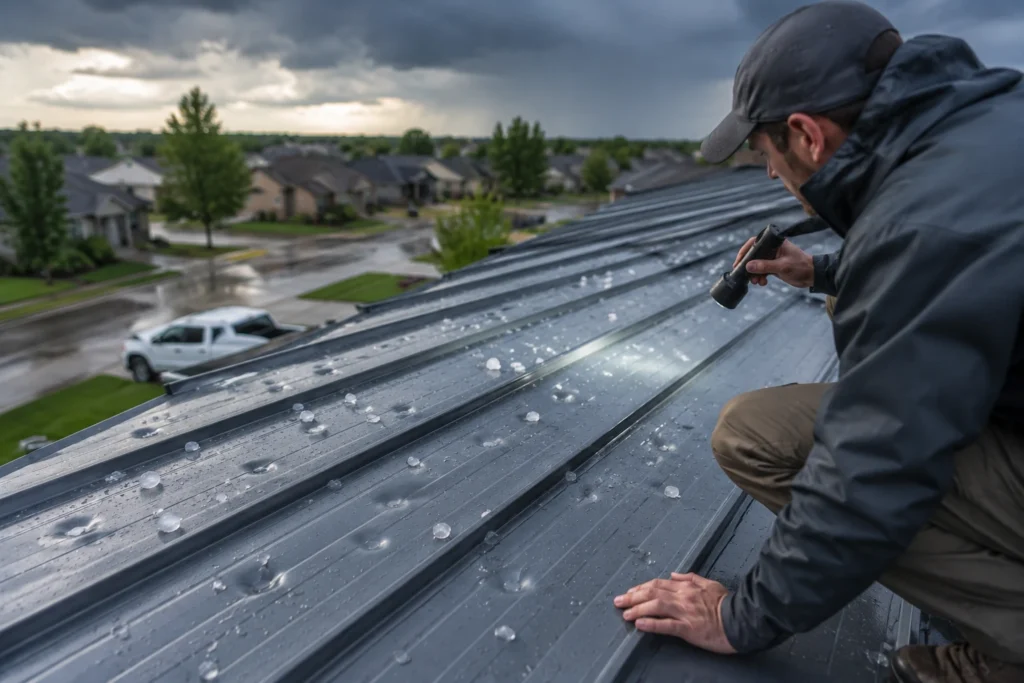
The most common signs of hail damage on metal roofs are visible dents and impact marks scattered across the roof surface. Some dents are shallow. Others distort the metal enough to become noticeable from the ground. The challenge is that dents often appear differently depending on lighting conditions. Early morning and late evening inspections usually reveal impacts more clearly because shadows highlight surface irregularities. Watch for:
- Circular impact marks
- Random dent patterns
- Distortion near roof ridges
- Clusters of impacts on wind-facing slopes
Professional inspectors sometimes use advanced lighting analysis techniques similar to Photogrammetry to identify subtle impact distortions across metal roof panels.
Damage Around Seams and Fasteners
This type of damage gets missed constantly. Metal roofs rely heavily on seams, clips, and fasteners to maintain waterproof protection. Hail impacts near these areas can loosen attachment points or create movement within the roofing system. Common warning signs include:
- Loose fasteners
- Shifted washers
- Distorted standing seams
- Small panel gaps
- Misaligned fastener locations
These problems may not cause immediate leaks. But over time, thermal expansion and contraction can worsen the damage significantly.
Scratches and Protective Coating Damage
Most metal roofs include protective finishes designed to resist moisture and corrosion. Hail impacts can fracture or scrape those coatings even if the panel itself remains intact. That creates long-term risk. At first, the damage may look cosmetic only. Small scratches. Minor paint loss. Tiny scuffs. Then oxidation begins. In severe cases, repeated hail impacts may accelerate surface Galvanic corrosion when protective coatings become compromised.
Look for:
- Paint chips
- Surface scratches
- Exposed bare metal
- Coating fractures
- Faded impact areas
Small coating failures today can become expensive roof deterioration later.
Punctures and Cracks in Metal Roofing
This type of damage is less common but far more serious. Large hail combined with strong winds can crack thin-gauge metal panels or puncture weakened roofing sections. Older roofs become especially vulnerable during severe storms. Areas at higher risk include:
- Roof edges
- Older repairs
- Corroded sections
- Thin metal panels
Even tiny punctures matter because water intrusion rarely stays isolated. Moisture spreads beneath the roofing system quickly. That can eventually damage insulation, decking, ceilings, and interior finishes.
Don’t Ignore Roof Accessories
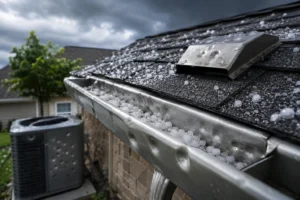
Some of the clearest storm evidence appears outside the main roofing panels. After a hailstorm, inspect:
- Gutters
- Downspouts
- Flashing
- Roof vents
- Skylights
- HVAC units
- Metal fencing
- Window screens
Collateral damage helps establish storm consistency during insurance claims. If gutters and metal fixtures show heavy impact marks, there is a strong chance the roof experienced similar damage. That documentation matters.
Cosmetic Damage vs Functional Damage
This is where many insurance disputes begin. Insurance carriers sometimes classify dents on metal roofs as cosmetic damage rather than functional damage. In simple terms, they argue the roof still performs properly despite visible impacts. But cosmetic damage is not always harmless.
Why Cosmetic Damage Still Matters
Even when dents do not immediately leak, they can still affect:
- Property value
- Roof appearance
- Manufacturer warranties
- Protective coatings
- Long-term durability
And once coatings become compromised, corrosion risks increase dramatically.
What Functional Damage Looks Like
Functional damage affects the roof’s performance. Examples include:
- Seam separation
- Punctures
- Fastener failure
- Water intrusion
- Drainage disruption
- Structural movement
The problem is that functional damage may not appear immediately after the storm. Some issues develop slowly over time.
How to Inspect a Metal Roof After a Hailstorm
Safety comes first. Metal roofing becomes extremely slippery after storms, especially when moisture remains on the surface. Many inspections should begin from the ground.
Ground-Level Signs You Can Spot
Look around the property carefully. Visible evidence may include:
- Dented gutters
- Damaged AC fins
- Torn window screens
- Impacted mailbox surfaces
- Metal fence dents
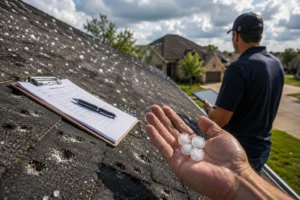
These clues help establish hail size and storm severity. Take photos immediately. Date-stamped documentation strengthens insurance claims later.
Why Lighting Conditions Matter During Inspections
Metal roof dents often disappear under direct midday sunlight. That is why professional inspectors prefer low-angle lighting conditions during sunrise or sunset. Shadows make dents easier to identify. Some inspectors also use:
- Drone photography
- Reflective lighting tools
- Infrared scanning
- Moisture detection equipment
Technology improves inspection accuracy significantly. Especially for large commercial roofing systems.
Hidden Signs of Hail Damage Most Owners Miss
Some of the worst damage remains invisible initially. That creates problems later.
Microfractures in Roof Coatings
- Hail impacts can create microscopic fractures in protective paint systems. You may not see them immediately. But moisture eventually penetrates those weakened areas and begins damaging the metal underneath.
Loosened Fasteners
- Fasteners absorb significant impact force during hailstorms. Even when panels survive, attachment systems may weaken over time. That creates future movement problems during temperature changes.
Standing Seam Separation
- Standing seam roofing systems contain interlocking vertical seams designed to channel water safely off the roof. Small hail distortions near these seams can eventually create moisture pathways beneath the panels. Leaks may not appear for months.
How Insurance Companies Evaluate Metal Roof Hail Claims
Metal roof insurance claims can become complicated quickly. Insurance adjusters usually inspect several factors during evaluations.
| Inspection Focus | Why It Matters |
|---|---|
| Impact Density | Helps determine storm severity |
| Functional Damage | Influences repair approval |
| Collateral Evidence | Supports storm consistency |
| Roof Age | Affects repairability |
| Existing Wear | Separates old damage from new |
The biggest disagreements often involve cosmetic damage interpretations. One inspector may consider the damage minor. Another may conclude the roofing system has been compromised. That difference can affect settlement outcomes dramatically.
Documentation Is Critical
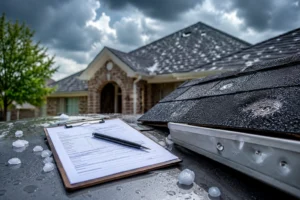
Strong hail claims rely on evidence. Not emotion. Helpful documentation includes:
- Date-stamped photos
- Wide-angle roof images
- Close-up impact photos
- Contractor reports
- Storm-date verification
- Repair estimates
- Maintenance records
Organized documentation improves negotiation strength significantly. Especially when inspections conflict.
Why Independent Roof Inspections Matter
Some hail damage requires specialized roofing expertise to identify properly. This is especially true for metal roofing systems. Independent inspections may uncover:
- Hidden seam damage
- Coating fractures
- Fastener movement
- Repairability concerns
- Panel matching issues
Many property owners accept the first insurance assessment immediately. That can become a costly mistake. Second opinions matter.
Common Mistakes Property Owners Make After Hailstorms
Waiting Too Long
- Delays create complications. Storm evidence fades. Additional weather exposure increases damage. Insurance disputes become harder to resolve. Schedule inspections early.
Assuming Metal Roofs Cannot Be Damaged
- This misconception causes major claim problems. Metal roofs are durable. Absolutely. But they are not immune to hail damage.
Failing to Document the Entire Property
- Roof damage rarely exists alone. Photograph everything. That includes siding, gutters, windows, HVAC systems, fences, and outdoor equipment. Collateral evidence strengthens claims significantly.
Long-Term Risks of Ignoring Hail Damage
Some property owners postpone repairs because the roof still “looks okay.” That approach creates risk. Unchecked hail damage can eventually lead to:
- Corrosion
- Moisture intrusion
- Mold growth
- Interior staining
- Structural decking damage
- Reduced roof lifespan
Small problems rarely stay small. Especially under Texas weather conditions.
When to Contact a Public Adjuster
Not every claim requires outside assistance. But some situations deserve additional review. You may want to contact a public adjuster if:
- The claim gets partially denied
- Damage gets labeled cosmetic only
- The repair estimate feels incomplete
- Important roof components are missing
- Multiple inspections disagree
Metal roofing claims often involve technical details that general inspections may overlook. Those details affect settlement outcomes directly.
Final Thoughts
Understanding the signs of hail damage on metal roofs helps property owners respond faster, document claims more effectively, and avoid expensive long-term problems. Do not assume a lack of leaks means the roof escaped damage. Do not assume dents are harmless. And do not assume every inspection catches everything correctly the first time. Texas hailstorms are powerful. Even durable metal roofing systems can suffer hidden damage that worsens over time. Inspect carefully. Document everything. Ask questions early. Because the faster hail damage gets identified, the easier it becomes to protect both the roof and the insurance claim outcome.
FAQs
Yes. Metal roofs are durable, but severe hailstorms can still create dents, coating damage, seam problems, and even punctures in some cases.
The most common signs include visible dents, scratched coatings, loose fasteners, seam distortion, and damage to gutters or flashing.
It can. Cosmetic damage may reduce property value, weaken protective coatings, and eventually contribute to corrosion or warranty issues.
You should inspect the property as soon as conditions are safe. Early documentation helps strengthen insurance claims and prevents hidden damage from worsening.
Many policies cover hail damage, but coverage depends on the policy language and whether the insurer classifies the damage as cosmetic or functional.
Yes. Small dents near seams or fasteners can gradually weaken the roofing system and create future moisture intrusion problems.
Usually, no. Metal roofs can become slippery and dangerous after storms, so professional inspections are often safer and more thorough.
Inspect gutters, downspouts, HVAC units, window screens, flashing, and other metal surfaces for collateral storm damage.
Disputes often happen when insurance companies classify the damage as cosmetic only or when inspections fail to identify hidden functional damage.
You may want professional help if the claim is delayed, partially denied, undervalued, or if the roof inspection feels incomplete.