
Houston storms can turn destructive fast. One strong hailstorm may damage roofs, gutters, siding, windows, and even interior structures in just minutes. That is why Houston hail damage insurance claims have become such an important issue for homeowners across the area. The insurance process is not always simple. Some claims move smoothly. Others become frustrating battles involving low estimates, missed damage, delays, or partial denials. The homeowners who document carefully and understand the process early often place themselves in much stronger positions financially.
Understanding Hail Damage in Houston
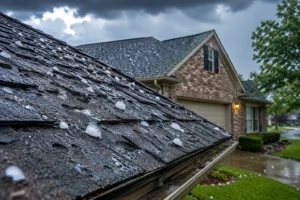
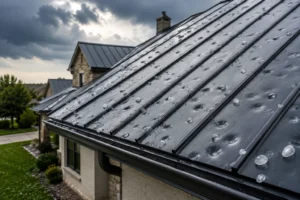
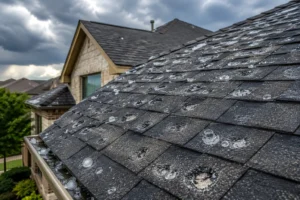
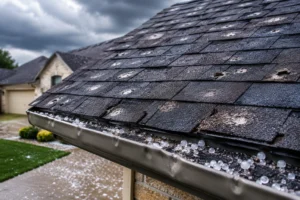
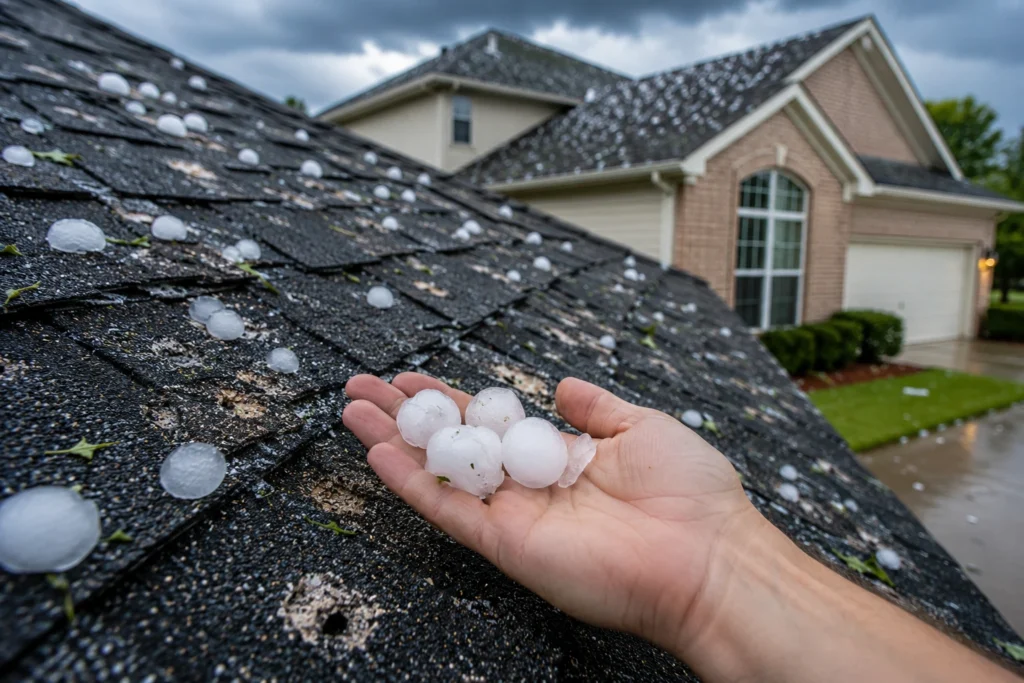
Houston experiences severe weather throughout the year, especially during storm season. Large hail combined with strong wind creates significant roofing and exterior damage across residential neighborhoods. Even smaller hailstones can create major problems. The size matters. But velocity matters too. Fast-moving hail striking roofing materials at sharp angles may weaken shingles, dent metal roofing, crack tiles, damage flashing, and loosen protective roof components underneath the surface. Common hail-related property damage includes:
- Bruised asphalt shingles
- Cracked tile roofing
- Dented metal roofing panels
- Damaged gutters and downspouts
- Broken siding
- Window seal damage
- HVAC dents
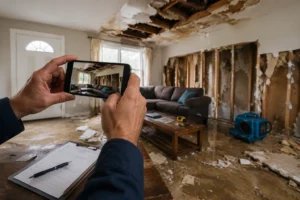
- Interior water intrusion
Some damage appears immediately. Other issues remain hidden until leaks develop later. That delayed discovery creates complications during Houston hail damage insurance claims because insurers sometimes argue the damage resulted from age or deterioration instead of the storm itself.
What To Do Immediately After a Hailstorm
The first few hours after a storm matter enormously. Organized homeowners often build stronger claims.
Prioritize Safety First
Never climb onto a wet or unstable roof after a hailstorm. Stay on the ground and inspect safely first. Look for:
- Fallen branches
- Broken windows
- Ceiling leaks
- Detached gutters
- Roof debris
- Water stains
- Damaged siding
If severe structural damage exists, contact emergency services or mitigation professionals immediately. Safety comes first.
Document Everything Carefully
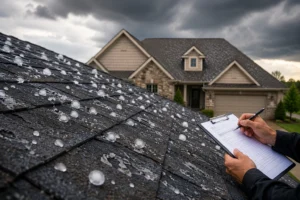
Documentation can dramatically affect Houston hail damage insurance claims. Take:
- Wide-angle property photos
- Close-up damage photos
- Video walkthroughs
- Interior leak photos
- Gutter damage photos
- Screenshots of weather reports
Keep timestamps whenever possible. Organize photos into folders immediately. That small step often helps later during inspections and negotiations.
Prevent Additional Damage
Insurance policies generally require homeowners to prevent worsening conditions after storms. Temporary tarping may become necessary. Emergency mitigation may also be needed if leaks appear quickly. Save every invoice and receipt.
| Emergency Expense | Why It Matters |
|---|---|
| Roof tarping | Shows mitigation efforts |
| Water extraction | Helps prevent further damage |
| Temporary repairs | Supports reimbursement requests |
| Contractor inspections | Strengthens documentation |
| Hotel stays | May qualify under policy coverage |
The Houston Hail Damage Insurance Claims Process
Many homeowners expect the process to move quickly. Sometimes it does. Sometimes it absolutely does not.
Filing the Initial Claim
Contact the insurance carrier as soon as possible after the storm. Be prepared to provide:
- Policy number
- Date of loss
- Description of damage
- Photos if available
- Emergency mitigation details
The insurer will typically assign a claim number and schedule an inspection. That inspection becomes extremely important.
The Insurance Adjuster Inspection
The adjuster determines what damage appears storm-related and what does not. Their report heavily influences:
- Repair approvals
- Payment amounts
- Scope of repairs
- Supplemental negotiations
But some inspections move very quickly. That creates problems. A rushed inspection may overlook:
- Soft hail bruising
- Flashing damage
- Lifted shingles
- Vent damage
- Hidden moisture intrusion
- Underlayment deterioration
This is one reason many homeowners obtain independent inspections during Houston hail damage insurance claims.
Understanding the Insurance Estimate
Insurance estimates contain far more detail than most homeowners expect. Important terms usually include:
| Insurance Term | Meaning |
|---|---|
| Replacement Cost Value (RCV) | Full repair cost before depreciation |
| Actual Cash Value (ACV) | Depreciated value after age/wear |
| Deductible | Homeowner out-of-pocket portion |
| Scope of Loss | Approved repair list |
| Depreciation | Reduction due to age and condition |
Most people focus only on the payment amount. The scope matters more. Missing items inside the scope often create underpaid claims later.
Common Problems During Houston Hail Damage Insurance Claims
This is where many frustrations begin.
Low Settlement Offers
One of the most common complaints involves underpaid repair estimates. Contractors may recommend full roof replacement while insurers approve only partial repairs. Several factors contribute:
- Pricing software differences
- Material shortages
- Labor cost increases
- Missing roofing components
- Limited inspection findings
Those differences create disputes quickly.
Cosmetic vs Functional Damage Disputes
Insurance companies sometimes classify hail damage as cosmetic rather than functional. Examples may include:
- Metal roof dents
- Surface granule loss
- Gutter dents
- Minor shingle bruising
Homeowners often disagree because cosmetic damage can still reduce property value or shorten roof lifespan. These disputes commonly affect Houston hail damage insurance claims.
Delays and Communication Problems
Storm seasons overwhelm insurance systems. Claim delays may happen because of:
- High regional claim volume
- Reinspection requests
- Documentation issues
- Contractor estimate disputes
- Internal claim reviews
Always keep written communication records. Emails help tremendously later if disagreements arise.
What Insurance Companies Commonly Miss in Their Scope
Small omissions become expensive problems. Especially on roofing systems.
Roofing Components Often Overlooked
Some repair scopes focus heavily on visible shingles while overlooking surrounding roofing components. Frequently missed items include:
- Flashing
- Ridge caps
- Starter shingles
- Roof vents
- Pipe jacks
- Drip edge
- Ice and water barriers
Roof systems work together. Replacing shingles alone may not fully restore storm-damaged roofing systems properly.
Interior and Hidden Damage
Leaks do not always appear immediately after hailstorms. Moisture sometimes moves slowly through attic spaces before visible staining appears. Hidden damage may involve:
- Wet insulation
- Mold growth
- Ceiling stains
- Decking deterioration
- Electrical risks
One area many homeowners overlook during Houston hail damage insurance claims involves moisture intrusion and long-term structural weakening. In some severe situations, prolonged water exposure may even contribute to delamination within roofing materials and structural components over time.
Building Code Requirements
Houston building requirements can affect repair costs substantially. Updated codes may require:
- Improved underlayment
- Additional flashing
- Ventilation upgrades
- Deck attachment improvements
Some policies include Ordinance and Law coverage that helps pay for code-required upgrades. Many homeowners never realize this coverage exists until someone reviews the policy carefully.
How To Strengthen Houston Hail Damage Insurance Claims
Strong claims rely on organization. Not emotion.
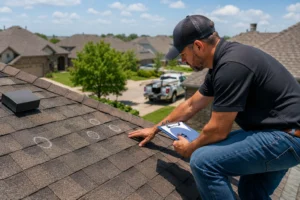
Get an Independent Inspection
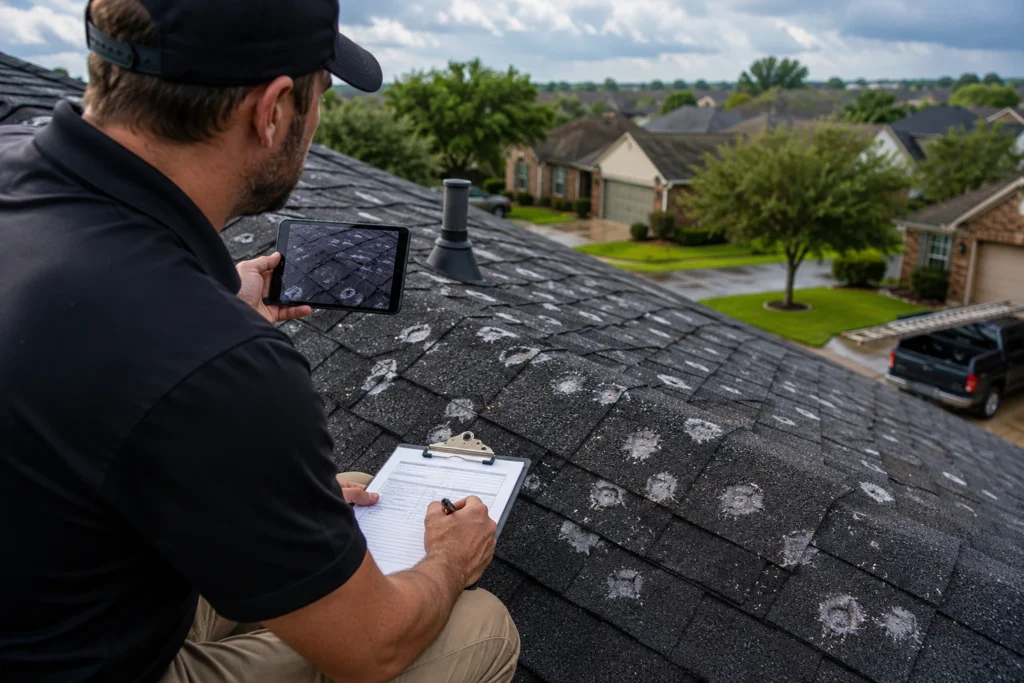
Independent roofing inspections often provide detailed evidence insurers may initially overlook. Strong inspection reports may include:
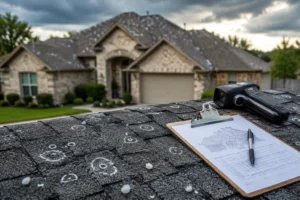
- Detailed photos
- Measurement data
- Moisture readings
- Marked damage areas
- Material analysis
That documentation can strengthen negotiations significantly.
Organize Your Claim File
Disorganized claims create confusion and delays. Create folders for:
- Inspection reports
- Emails
- Photos
- Estimates
- Receipts
- Policy documents
- Adjuster notes
The homeowners who stay organized usually navigate Houston hail damage insurance claims more effectively.
Understand Your Policy
Policies contain critical details many homeowners never review until disaster strikes. Pay close attention to:
- Deductibles
- Coverage limits
- Exclusions
- Cosmetic endorsements
- Matching limitations
- Filing deadlines
Small wording differences may affect settlements dramatically.
How Public Adjusters Help With Houston Hail Damage Insurance Claims
Public adjusters work for policyholders rather than insurance companies. That distinction matters.
What Public Adjusters Actually Do
Public adjusters may assist with:
- Policy review
- Damage documentation
- Scope analysis
- Negotiation support
- Supplemental claims
- Communication management
Their goal is to help ensure covered damages receive proper consideration.
Why Local Houston Experience Matters
Houston storms create unique claim challenges. Local experience helps because professionals understand:
- Regional weather patterns
- Local construction practices
- Roofing material trends
- Area labor pricing
- Texas carrier claim behavior
Large-scale storm systems moving through Texas can also produce highly localized hail patterns caused by atmospheric instability and rapid pressure changes associated with mesocyclone development during severe thunderstorms.
Situations Where Public Adjusters May Help Most
Public adjusters may become especially valuable when:
- Claims are partially denied
- Settlement offers appear too low
- Commercial properties are involved
- Multiple structures were damaged
- Large losses exist
- Communication stalls completely
Complex Houston hail damage insurance claims often require deeper documentation and negotiation strategies.
The Role of Supplements in Hail Claims
Supplements are extremely common after hailstorms. And for good reason.
Why Supplements Become Necessary
Initial inspections rarely uncover every issue immediately. Additional damage may appear later during repairs. Common supplement reasons include:
- Hidden decking damage
- Additional flashing replacement
- Water intrusion discovery
- Code compliance upgrades
- Material price increases
Supplements allow repair scopes to evolve as new information emerges.
What Makes Supplements Stronger
Successful supplements rely on evidence. Not frustration. Helpful supplement documentation includes:
- Updated contractor reports
- Additional photographs
- Manufacturer specifications
- Code references
- Revised measurements
- Moisture testing results
Detailed evidence changes negotiations dramatically.
Mistakes Homeowners Should Avoid
Some mistakes weaken otherwise legitimate claims. Avoid them whenever possible.
Waiting Too Long To File
Delayed claims create evidence problems. Weather exposure can worsen conditions over time. Insurers may argue the damage developed after the storm rather than because of it.
Accepting the First Offer Too Quickly
Initial offers are not always final. Review the scope carefully before agreeing to settlements. Missing items sometimes appear later once repairs begin.
Throwing Away Damaged Materials
Damaged roofing materials may later serve as valuable evidence. Preserve shingles, flashing, or vents whenever possible until inspections conclude.
Relying Only on Verbal Conversations
Always maintain written records. Phone conversations fade quickly. Emails create clarity and accountability.
Hiring Contractors Without Documentation
Contractors should provide:
- Written estimates
- Inspection photos
- Material specifications
- License details
- Insurance information
Professional documentation strengthens Houston hail damage insurance claims considerably.
Final Thoughts
Houston storms are unpredictable. Insurance claims can become equally unpredictable. That is why homeowners should approach Houston hail damage insurance claims strategically from the very beginning. Fast documentation, organized records, independent inspections, and careful policy review all play major roles in protecting financial interests after severe storms. Small details matter. A missing photo matters. A delayed inspection matters. An overlooked roofing component matters. Strong evidence changes outcomes. The homeowners who prepare thoroughly often place themselves in stronger positions throughout inspections, negotiations, supplements, and repairs. Especially in hail-prone areas like Houston where severe storms create legitimate property damage every year. Act quickly. Stay organized. Document everything carefully. And never assume the first inspection tells the full story.
FAQs
Most insurance policies have specific deadlines for reporting storm damage, so homeowners should file claims as quickly as possible after discovering the damage.
Coverage depends on the extent of the damage, the policy terms, and the insurer’s inspection findings. Severe functional damage may justify full replacement.
Homeowners can request additional inspections or independent evaluations if they believe cosmetic damage is affecting the roof’s lifespan or functionality.
Yes. An independent inspection may help identify damage that could otherwise be overlooked during the insurance adjuster’s inspection.
Absolutely. Some hail damage weakens roofing materials slowly, allowing leaks and moisture intrusion to develop over time.
Save photos, repair estimates, emails, invoices, inspection reports, and any communication related to the claim.
Many policies may reimburse reasonable emergency mitigation expenses such as tarping or water extraction if the damage is covered.
A supplement is a request for additional payment when hidden damage or additional repair needs are discovered after the initial estimate.
Yes. Public adjusters may assist with documentation, policy review, negotiations, and disputed or underpaid claims.
Avoid delaying inspections, throwing away damaged materials, relying only on verbal conversations, or accepting settlements before reviewing the full repair scope carefully.