
A commercial hail damage insurance claim can become expensive very quickly. One severe storm can damage roofing systems, HVAC equipment, siding, skylights, and even business operations themselves. And commercial claims are rarely simple. Large repair costs, delayed inspections, disputed damage, and underpaid estimates often create major financial pressure for business owners across Texas. That is why understanding the process early matters. The businesses that document carefully and act quickly usually place themselves in much stronger positions during negotiations and repairs.
Understanding Commercial Hail Damage
Commercial properties often experience far more complicated storm damage than residential homes. Flat roofs, large square footage, rooftop equipment, drainage systems, and multiple building sections all increase claim complexity. Some damage appears immediately. Other problems stay hidden until leaks or structural deterioration finally appear weeks later.
Common Types of Commercial Hail Damage
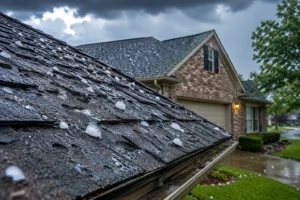
Hailstorms can damage nearly every exposed area of a commercial building, including:
- Roofing membranes
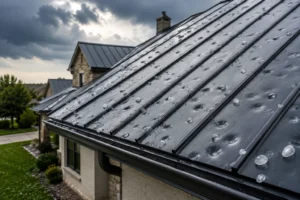
- Metal roof panels
- HVAC systems
- Skylights
- Gutters and drains
- Exterior siding
- Windows
- Flashing systems
- Solar panels
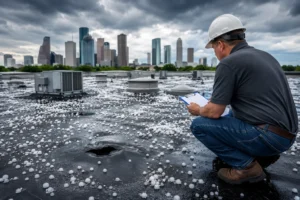
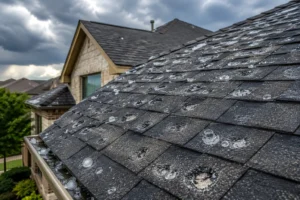
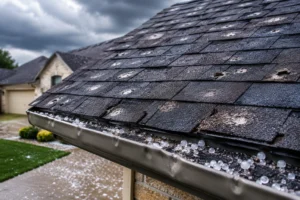
Flat roofing systems are especially vulnerable because hail can weaken seams, puncture membranes, or damage protective coatings that keep moisture out.
Commercial Roofing Systems Frequently Affected
Different roofing systems respond differently during hailstorms.
| Roofing Type | Common Hail Damage |
|---|---|
| TPO Roofing | Membrane punctures and seam separation |
| EPDM Roofing | Tearing, cracking, and compression damage |
| Metal Roofing | Denting and coating failures |
| Modified Bitumen | Granule loss and punctures |
| Built-Up Roofing | Surface fractures and trapped moisture |
Commercial roofing inspections sometimes involve advanced moisture detection technologies and material analysis methods similar to concepts studied in Spectroscopy, especially when identifying hidden water intrusion beneath roofing systems.
Cosmetic Damage vs Functional Damage
This becomes one of the largest disputes during a commercial hail damage insurance claim. Insurance carriers sometimes classify visible dents or impacts as cosmetic only. Property owners and contractors may strongly disagree because even minor-looking impacts can shorten roof lifespan or create future leak risks. Functional damage may include:
- Membrane punctures
- Broken seams
- Moisture infiltration
- Coating deterioration
- Structural weakening
- Reduced waterproofing capability
And that distinction matters financially. A roof with “cosmetic damage” may still require replacement to prevent larger problems later.
Immediate Steps After a Hailstorm
The first few hours after a storm matter more than many business owners realize. Quick action strengthens documentation and helps preserve evidence before conditions change.
Prioritize Safety First
Before inspections begin:
- Restrict dangerous areas
- Protect employees and customers
- Address active leaks
- Shut down electrical hazards if needed
Safety always comes first.
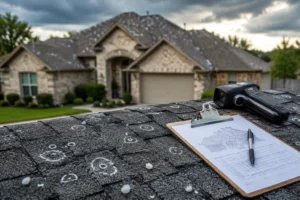
Document Damage Immediately
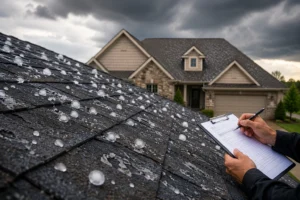
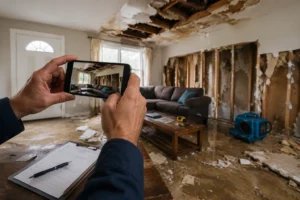
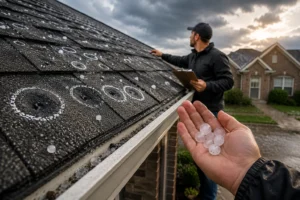
Strong commercial hail damage insurance claims rely heavily on evidence. Take:
- Wide-angle exterior photos
- Close-up hail impact photos
- Interior leak photos
- Ceiling stain images
- Rooftop equipment photos
- Video walkthroughs
- Timestamped documentation
Do not wait several days. Storm evidence changes quickly.
Schedule a Professional Inspection
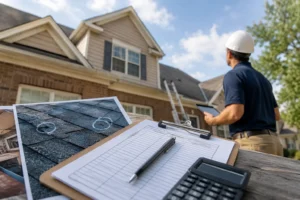
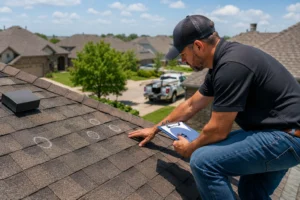
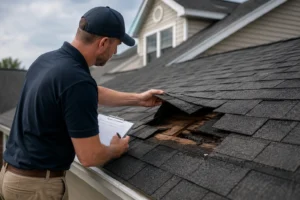
Commercial roofs require experienced inspections. Not all damage is visible from ground level. Some hail impacts affect insulation layers, membrane seams, rooftop units, or drainage systems that only trained commercial roofing professionals recognize properly. Independent inspections often uncover hidden issues missed during initial carrier evaluations.
Understanding Commercial Insurance Coverage
Many business owners discover policy limitations only after a storm happens. That creates expensive surprises.
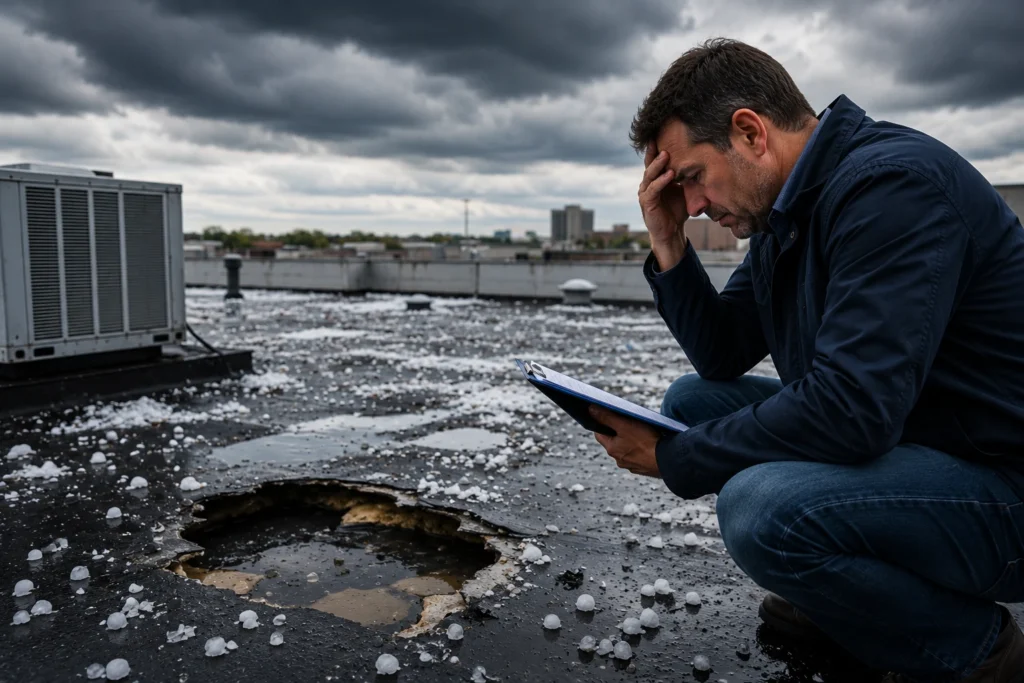
What Commercial Policies Commonly Cover
A commercial hail damage insurance claim may include coverage for:
- Roof replacement
- Exterior repairs
- Interior water damage
- HVAC systems
- Temporary repairs
- Business personal property
- Business interruption losses
Coverage always depends on policy wording. And wording matters tremendously.
Common Coverage Limitations
Insurance carriers frequently point to exclusions involving:
- Cosmetic damage
- Roof aging
- Deferred maintenance
- Wear and tear
- Prior storm damage
- Installation defects
This is where disputes often begin. Detailed maintenance records and inspections become critical evidence during negotiations.
Replacement Cost vs Actual Cash Value
This distinction affects settlement values significantly.
| Coverage Type | Meaning |
|---|---|
| Replacement Cost Value (RCV) | Pays for new replacement materials |
| Actual Cash Value (ACV) | Pays depreciated value based on age and condition |
Older commercial roofs under ACV policies may face substantial depreciation reductions. That can leave property owners paying large out-of-pocket costs.
The Commercial Hail Damage Insurance Claim Process
A commercial hail damage insurance claim involves multiple stages, and each one affects the final settlement outcome.
Filing the Initial Claim
Business owners should:
- Notify the carrier quickly
- Gather storm dates
- Provide preliminary photos
- Request inspections immediately
- Preserve damaged materials when possible
Delays weaken claims. Insurance companies may argue damage worsened after the storm instead of during it.
The Insurance Adjuster Inspection
This inspection carries enormous importance. The adjuster evaluates:
- Roof condition
- Storm-related impacts
- Repairability
- Prior damage
- Estimated scope of repairs
Commercial roofing systems are complicated. Large properties may require extensive inspections to fully evaluate all affected areas. And sometimes important details get missed.
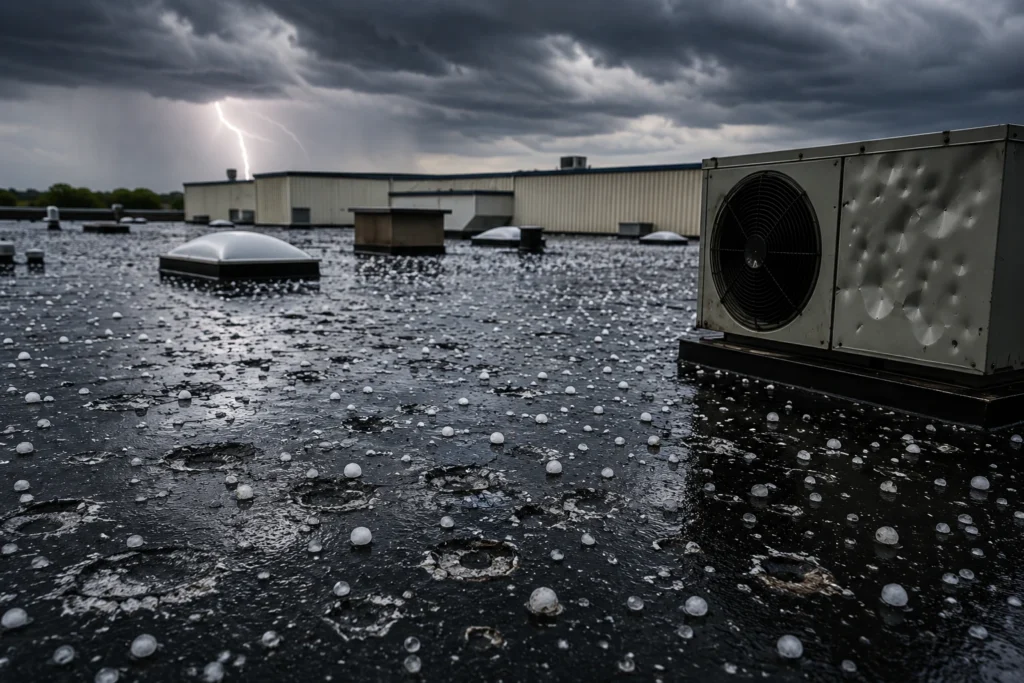
Estimating the Damage
Most insurers use estimating software platforms like Xactimate to generate repair scopes. But software estimates are not automatically complete. Common omissions include:
- Flashing systems
- Edge metals
- Fasteners
- Tear-off labor
- Code upgrades
- Drainage components
- Roofing accessories
Small omissions create massive financial differences on large commercial projects.
Common Problems During Commercial Hail Damage Insurance Claims
Disputes happen often during commercial claims. Very often.
Underpaid Estimates
Commercial roofs are expensive to repair properly. Even small pricing discrepancies multiply quickly across large square footage areas.
Claim Delays
Delays commonly involve:
- Engineering reviews
- Reinspection requests
- Documentation disputes
- Contractor disagreements
- Internal approval processes
Meanwhile, business operations continue under damaged conditions.
Partial Denials
Some claims receive only partial approval. Examples include:
- Approving soft metal damage only
- Denying roof replacement
- Covering limited repairs
- Rejecting interior damages
This creates major financial pressure for property owners facing extensive repairs.
Low Settlement Offers
Initial offers may fail to reflect actual repair costs when:
- Material prices increase
- Labor shortages exist
- Hidden damage appears
- Code upgrades apply
- Multiple roofing systems are involved
Business owners should review all estimates carefully before accepting settlements.
How to Strengthen a Commercial Hail Damage Insurance Claim
Strong claims are organized claims. Documentation changes everything.
Maintain Detailed Records
Keep:
- Roof inspection reports
- Maintenance records
- Repair invoices
- Contractor estimates
- Emails and communications
- Photos and videos
- Leak documentation
Organized evidence improves claim credibility significantly.
Use Independent Roofing Experts
Independent inspections often identify:
- Hidden membrane damage
- Moisture intrusion
- Impact fractures
- Drainage failures
- Rooftop equipment damage
Large commercial properties may also use predictive maintenance systems influenced by Telemetry to monitor HVAC performance and identify storm-related operational issues after severe weather events. Third-party documentation often strengthens negotiations during disputed claims.
Understand Building Code Requirements
Commercial repairs frequently trigger code upgrades involving:
- Insulation standards
- Wind uplift requirements
- Drainage systems
- Flashing improvements
- Energy code compliance
These upgrades increase project costs substantially. Business owners should review whether their policies include Ordinance and Law coverage for code-related expenses.
Business Interruption Losses
Property damage is only part of the financial problem. Operational disruption creates additional losses.
Understanding Business Interruption Coverage
Some policies may cover:
- Lost revenue
- Temporary relocation costs
- Additional operating expenses
- Payroll continuation
- Reduced occupancy losses
This coverage becomes extremely important after major commercial storm damage.
Delays Increase Financial Pressure
Commercial properties often involve:
- Tenant obligations
- Lease agreements
- Inventory protection
- Customer access concerns
- Operational continuity
Every repair delay creates additional financial strain beyond physical damage alone.
The Role of a Public Adjuster
Commercial claims often become technical disputes involving complicated documentation and negotiations. That is where public adjusters may help.
What Public Adjusters Do
A public adjuster works on behalf of the policyholder rather than the insurance company. Responsibilities may include:
- Reviewing policy language
- Documenting damages
- Analyzing repair estimates
- Managing communications
- Negotiating settlements
- Supporting supplemental claims
Why Commercial Claims Become Complex
Commercial properties often involve:
- Multiple buildings
- Large roofing systems
- High-value equipment
- Tenant improvements
- Complex business interruption calculations
That complexity increases the likelihood of disputes during a commercial hail damage insurance claim.
Public Adjuster vs Insurance Adjuster
| Role | Represents |
|---|---|
| Insurance Adjuster | Insurance company |
| Public Adjuster | Policyholder |
Understanding this distinction helps business owners navigate claim negotiations more strategically.
Commercial Roof Supplements
Many commercial roofing projects require supplemental requests once repairs begin. That is common.
Why Supplements Become Necessary
Hidden problems frequently appear during tear-off, including:
- Wet insulation
- Rusted decking
- Additional membrane damage
- Structural deterioration
- Code upgrade requirements
Original estimates rarely capture every condition perfectly.
Supporting Supplemental Claims
Strong supplements usually include:
- Updated photos
- Revised contractor estimates
- Moisture reports
- Manufacturer documentation
- Code references
- Additional inspection findings
Detailed evidence improves supplement negotiations dramatically.
Preventing Future Commercial Claim Problems
Preparation before storms matters too.
Schedule Routine Roof Inspections
Routine inspections help:
- Identify existing damage early
- Create baseline roof condition records
- Support future storm claims
- Extend roof lifespan
Pre-storm documentation becomes valuable evidence later.
Maintain Organized Property Records
Business owners should organize:
- Warranty information
- Roof plans
- Maintenance histories
- Prior repair invoices
- Contractor records
Organized files speed up future claims significantly.
Review Insurance Policies Annually
Coverage needs change over time. Annual reviews help identify:
- Coverage gaps
- Deductible concerns
- Exclusions
- Insufficient limits
Waiting until after a storm is far too late.
Final Thoughts
A commercial hail damage insurance claim involves far more than simply reporting storm damage after a hail event. It requires organization. Documentation. Careful inspections. Strategic negotiations. The business owners who approach claims proactively often place themselves in much stronger financial positions throughout repairs and settlement discussions. Independent inspections matter. Written records matter. Understanding policy language matters even more. Commercial roofing systems are expensive. Business interruptions create enormous financial pressure. Delays increase costs quickly. That is why careful preparation and detailed claim management make such a major difference after severe Texas hailstorms. Act quickly after storms. Document everything thoroughly. Review estimates carefully. And never assume the first inspection captures every problem hiding on a commercial roof. Because sometimes the most expensive damage is the damage nobody noticed initially.
FAQs
Most policies require claims to be reported within a specific timeframe, so business owners should notify the carrier as soon as possible after a hailstorm.
Yes. Some hail impacts weaken roofing systems gradually, allowing moisture intrusion to develop long after the storm passes.
Coverage depends on policy language. Some policies exclude cosmetic damage if the roof’s functionality is not considered affected.
Commercial roofs are large and complex, which can create disagreements over repair scope, hidden damage, depreciation, and code requirements.
Independent inspections often identify damage missed during initial insurance inspections and provide stronger documentation for negotiations.
Replacement cost pays for new materials, while actual cash value factors in depreciation based on the roof’s age and condition.
Some commercial policies include business interruption coverage for lost income, temporary relocation, and additional operating expenses during repairs.
Additional hidden damage frequently appears after roofing materials are removed, leading to revised repair scopes and supplemental requests.
Business owners should save inspection reports, maintenance records, repair invoices, contractor estimates, photos, and all written communications.
A public adjuster may assist by documenting damages, reviewing policy coverage, analyzing estimates, and negotiating with the insurance company on behalf of the policyholder.