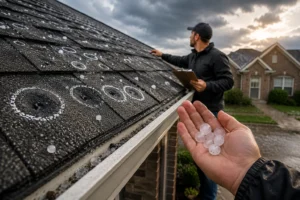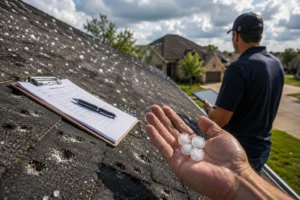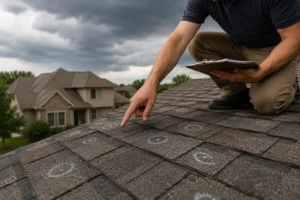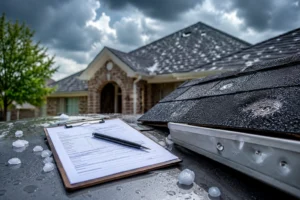

Many homeowners discover roof damage long after the storm has passed. A small leak appears. A roofer spots bruised shingles during an inspection. Suddenly, the question becomes urgent: does insurance cover old hail damage? Sometimes yes. But delayed hail claims face more scrutiny from insurance companies. The older the damage appears, the harder it often becomes to prove exactly when the storm impacts occurred. That does not mean coverage is impossible. It simply means documentation, inspections, and timing matter far more than most homeowners realize. Understanding how insurers evaluate older hail damage can make a major difference in whether a claim succeeds or gets denied.
Understanding Old Hail Damage
What Counts as Old Hail Damage?
Insurance companies do not always define old hail damage by a specific timeline. Instead, they evaluate whether the roof damage appears weathered, aged, or difficult to connect to a recent storm event. Old hail damage may include:
- Roof impacts discovered months later
- Previously unnoticed shingle bruising
- Slow-developing roof leaks
- Hidden moisture intrusion
- Damage uncovered during home inspections
Some homeowners never realize their roof was damaged because hail impacts are not always obvious from the ground. That creates problems later.
Why Homeowners Often Miss Hail Damage
Hail damage can remain hidden for months. Especially on asphalt shingles. The roof may not leak immediately. Granule loss may look minor at first. Flashing damage may stay concealed beneath roofing materials until moisture begins spreading deeper into the system. Common reasons hail damage goes unnoticed include:
| Reason | Why It Happens |
|---|---|
| No Immediate Leak | Water intrusion develops slowly |
| Minor Surface Damage | Impacts initially appear cosmetic |
| Hidden Roof Areas | Valleys and flashing are hard to inspect |
| Delayed Structural Problems | Moisture spreads over time |
| Multiple Storms | Damage blends together gradually |
That delayed discovery often leads homeowners to ask again: does insurance cover old hail damage after months have passed? The answer depends heavily on the evidence available.
Does Insurance Cover Old Hail Damage?
The Short Answer
Yes, insurance can cover old hail damage under certain conditions. However, approval depends on several factors:
- Policy language
- Roof condition
- Inspection findings
- Storm documentation
- Reporting timelines
- Ability to connect the damage to a covered hail event
Older claims are not automatically denied. But they are investigated much more carefully.
Key Factors Insurance Companies Evaluate
Date of the Storm
Adjusters usually begin by confirming whether a significant hailstorm occurred near the property. They may review:
- Local weather records
- Storm tracking reports
- Hail maps
- Radar data
Verified storm activity strengthens the claim immediately.
Roof Condition Before the Storm
Insurance companies also evaluate whether the roof already showed signs of aging or deterioration before the hailstorm occurred. Inspectors may look for:
- Prior repairs
- Existing leaks
- Thermal cracking
- Roof maintenance history
- Previous insurance claim
Older roofs naturally create more disputes during inspections.
Evidence Linking Damage to the Storm
Documentation matters tremendously. Strong evidence often includes:
- Roof inspection reports
- Contractor evaluations
- Time-stamped photos
- Repair records
- Weather reports
The more organized the documentation becomes, the stronger the claim usually is.
Policy Time Limits
Most insurance policies include deadlines for reporting damage. Some policies allow delayed claims. Others contain stricter notice requirements. That is why homeowners researching does insurance cover old hail damage should review their policy carefully before waiting too long.
How Insurance Companies Determine the Age of Hail Damage
Insurance adjusters spend significant time evaluating whether hail damage appears recent or aged. That distinction matters.
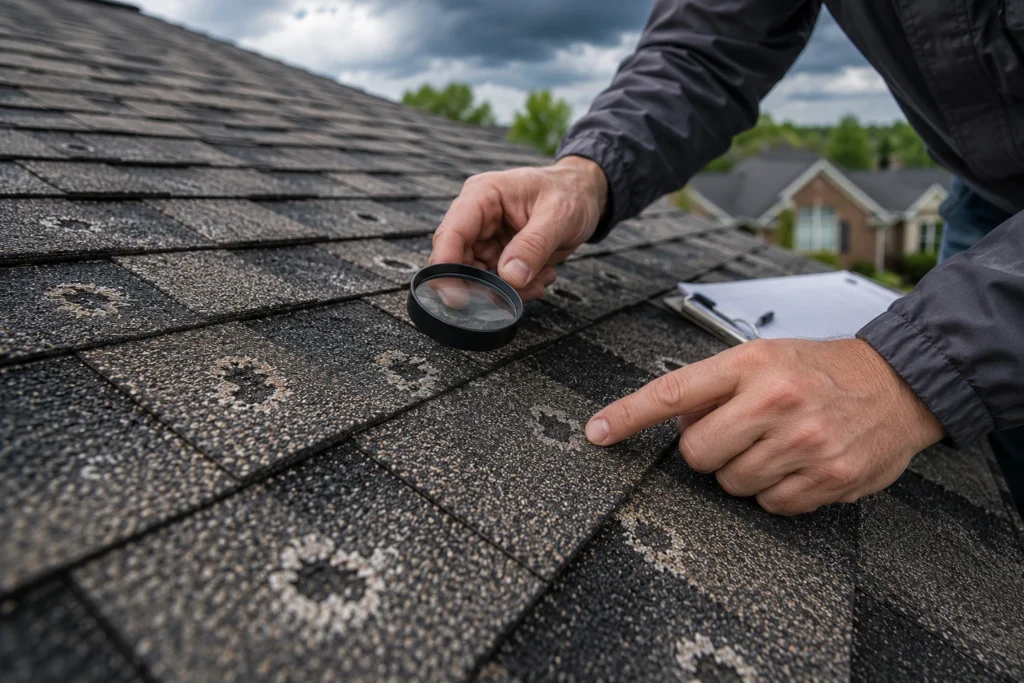
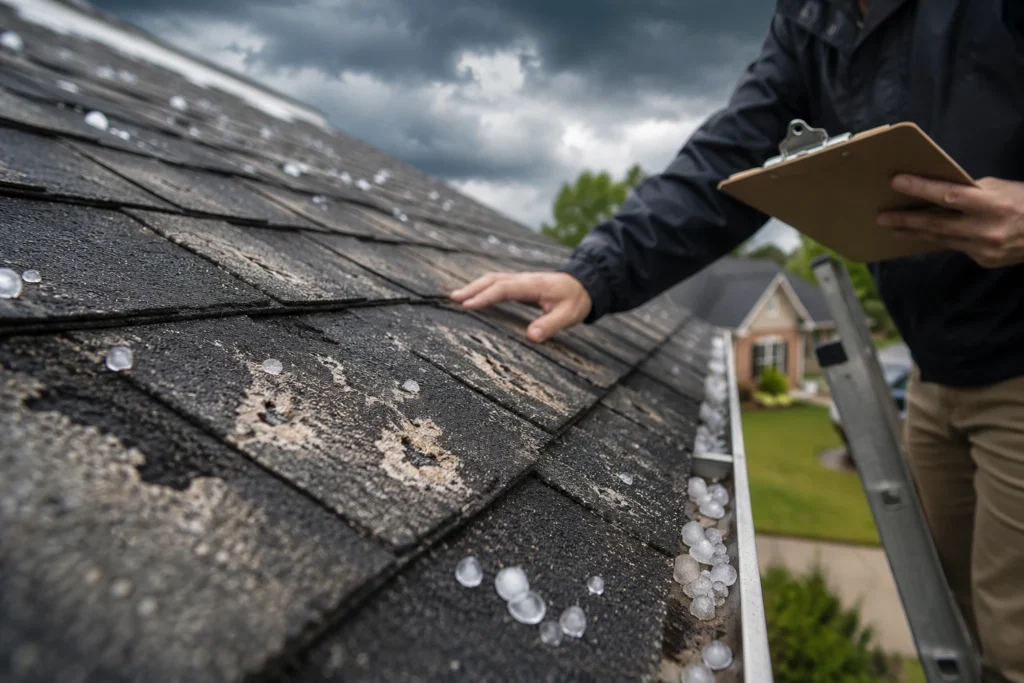
Signs Adjusters Use During Inspections
Adjusters commonly examine:
- Oxidation patterns
- Granule loss consistency
- Rust development
- UV exposure around impacts
- Weathering on exposed materials
Fresh damage usually appears cleaner and sharper. Older impacts tend to blend into surrounding roof wear over time.
Recent vs Older Hail Damage
Here is a simplified comparison insurers often use during evaluations:
| Fresh Hail Damage | Older Hail Damage |
|---|---|
| Sharp impact edges | Rounded weathered edges |
| Dark exposed asphalt | Faded discoloration |
| Limited oxidation | Visible oxidation |
| Clean fractures | Dirt accumulation |
| New granule displacement | Long-term wear patterns |
The longer the delay between the storm and inspection, the harder these distinctions become.
Why Delayed Inspections Become Complicated
Roofs continue aging after storms occur. Additional weather exposure changes the appearance of damage over time. Heat, wind, moisture, and sunlight all affect roofing materials differently. In rare cases, inspections become almost Forensic engineering because experts must reconstruct storm evidence from weather history, material behavior, and roof deterioration patterns. That complexity explains why older hail claims often become disputed.
Common Reasons Old Hail Damage Claims Get Denied
Not every denial means the insurance company acted improperly. But older hail claims commonly face several challenges.
Lack of Documentation
Missing documentation creates immediate problems. If homeowners lack:
- Photos
- Inspection reports
- Contractor records
- Storm timelines
The insurance company may argue the damage cannot confidently be tied to a covered storm event.
Delayed Reporting
Waiting too long to report damage increases claim difficulty. Insurance companies may argue the homeowner failed to prevent additional deterioration after the original storm. That issue appears frequently in delayed roof claims.
Wear and Tear Arguments
Most homeowners insurance policies cover sudden storm damage. They do not cover normal roof aging. As a result, adjusters often separate:
- Storm-created damage
- Material deterioration
- Maintenance problems
- Long-term aging
Older roofs naturally make this process more complicated.
Multiple Storm Events
Texas properties often experience repeated hailstorms over several years. That creates another challenge. Insurance companies may question which storm caused the visible damage, especially if multiple events occurred after the original hailstorm.
Previous Unrepaired Damage
Some homeowners receive earlier claim payments but delay repairs. Later, insurers may argue that current roof problems resulted from unrepaired prior damage rather than a newly covered loss. That situation complicates claims quickly.
Can You Still File a Claim for Old Hail Damage?
Yes. Many homeowners successfully file claims months after discovering storm damage. But evidence becomes increasingly important over time.
Situations Where Older Claims May Still Be Approved
Delayed hail claims may succeed when:
- Hidden damage is discovered later
- Roof leaks develop gradually
- Home inspections uncover impacts
- Weather records strongly support the timeline
- Professional inspections document storm-related damage clearly
Slow moisture intrusion often plays a major role in these claims. Some roofs conceal water damage surprisingly well before visible interior signs appear.
When Filing Late Becomes Risky
Delayed claims become harder when:
- The roof is heavily aged
- Storm evidence is weak
- Multiple hailstorms occurred later
- The roof nears the end of its lifespan
- Documentation is limited
That does not guarantee denial. But it does increase scrutiny significantly.
How to Strengthen an Old Hail Damage Insurance Claim
Homeowners asking does insurance cover old hail damage should focus heavily on evidence collection as soon as possible. Strong documentation changes outcomes.
Schedule a Professional Roof Inspection
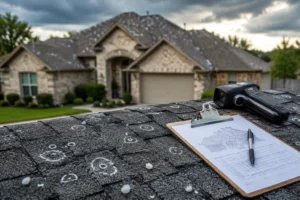
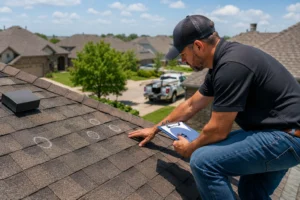
Experienced hail inspectors can identify storm damage that homeowners often miss. A detailed inspection should include:
- High-resolution roof photos
- Shingle impact analysis
- Flashing evaluations
- Moisture findings
- Vent inspections
- Damage measurements
Detailed reports carry far more weight than vague summaries.
Gather Storm Evidence
Helpful supporting evidence includes:
- Weather data
- Hail reports
- Inspection timelines
- Contractor findings
- Neighboring claim activity
Objective evidence strengthens claim credibility.
Document Interior Damage
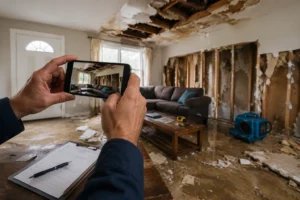
Interior signs often support delayed hail claims because they demonstrate active moisture intrusion. Photograph:
- Ceiling stains
- Attic moisture
- Bubbling paint
- Mold growth
- Drywall discoloration
Water damage spreads quickly. Documentation should begin immediately.
Keep Communication Organized
Insurance claims frequently become documentation battles rather than roofing battles. Keep records of:
- Emails
- Inspection dates
- Claim numbers
- Photos
- Contractor estimates
- Phone conversations
Organization matters more than most homeowners expect.
Understand the Insurance Policy
Policy language affects claim outcomes significantly. Key terms include:
| Policy Term | Why It Matters |
|---|---|
| Replacement Cost | Pays for full replacement value |
| Actual Cash Value | Depreciation lowers payouts |
| Deductible | Impacts out-of-pocket costs |
| Exclusions | Limits certain damage types |
| Reporting Requirements | Affects eligibility timelines |
Carefully reviewing the policy before filing can prevent major misunderstandings later.
Hidden Problems Caused by Old Hail Damage
Small hail impacts rarely stay small forever. That is the danger.
Slow Roof Leaks
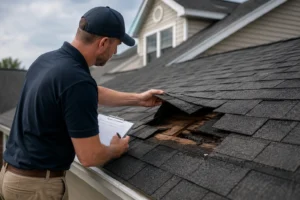
Tiny fractures gradually allow moisture beneath roofing materials. Months later, homeowners may suddenly notice:
- Ceiling stains
- Mold odors
- Wet insulation
- Attic moisture
By then, the original storm may feel far removed from the current damage.
Structural Deterioration
Moisture intrusion can weaken:
- Roof decking
- Underlayment
- Structural framing
- Fasteners
Once rot begins spreading, repair costs climb rapidly.
Reduced Roof Lifespan
Even minor hail damage accelerates roof aging. Granule loss increases UV exposure. Protective layers weaken. Cracks expand over time. The roof deteriorates faster than expected.
Insurance Problems During Home Sales
Old hail damage often creates issues during property sales. Buyer inspections may uncover:
- Roof deterioration
- Active leaks
- Storm damage history
- Coverage concerns
That can delay closings and trigger repair negotiations quickly.
What Happens If the Insurance Company Denies the Claim?
A denial does not always end the process. Homeowners still have options.
Request a Detailed Explanation
Understand exactly why the claim was denied. Possible reasons may include:
- Delayed reporting
- Wear and tear
- Insufficient evidence
- Policy exclusions
Specific denial reasoning matters.
Consider a Second Inspection
Independent roofing evaluations sometimes uncover damage overlooked during earlier inspections. Different inspectors may interpret roof conditions differently. That happens often.
Review the Policy Carefully
Insurance language can become highly technical. Even concepts tied to Actuarial science influence how insurers structure risk evaluations, depreciation calculations, and claim handling standards over time. Careful policy review becomes extremely important during disputed claims.
When a Public Adjuster May Help
Some older hail claims become highly complicated. Especially when:
- The payout feels too low
- Damage appears overlooked
- Coverage disputes arise
- Multiple inspections disagree
Public adjusters help document damage, review estimates, and negotiate claim scope with the insurance company. That support can become valuable in complex situations.
Preventing Problems With Future Hail Claims
The best strategy is always early action. Every time.
Inspect the Roof After Major Storms
Professional inspections help identify hidden damage before it worsens. Early discovery reduces claim complications later.
Take Photos Immediately
Photo evidence becomes extremely valuable months later if disputes arise. Especially before weather exposure changes the appearance of the damage.
Keep Maintenance Records
Save:
- Roof inspection reports
- Repair invoices
- Contractor notes
- Maintenance documentation
Organized records strengthen future claims significantly.
Don’t Ignore Minor Warning Signs
Small symptoms often become major repairs later. Pay attention to:
- Dented roof vents
- Missing granules
- Flashing damage
- Ceiling spots
- Minor leaks
Quick action prevents larger structural problems.
Final Thoughts
So, does insurance cover old hail damage? Sometimes it does. Sometimes it does not. Coverage depends on evidence, timing, roof condition, inspection findings, and policy language. Older hail claims face greater scrutiny because the damage becomes harder to separate from normal aging over time. Still, homeowners should never assume delayed discovery automatically means denial. Strong inspections, organized documentation, professional evaluations, and timely action can dramatically improve the chances of a successful claim. The worst mistake is ignoring possible roof damage for too long. Storm damage rarely improves with time.
FAQs
Yes, insurance may still cover old hail damage if you can show evidence linking the roof damage to a covered storm event. Documentation and inspection reports become extremely important in delayed claims.
Adjusters evaluate weathering patterns, oxidation, granule loss, and the overall roof condition to estimate the age of the damage. They also review storm history and inspection findings.
Yes. Small hail impacts can weaken roofing materials over time, eventually allowing moisture intrusion that leads to leaks months or even years later.
Not automatically. However, older roofs often face more scrutiny because insurance companies may argue the damage resulted from normal wear and tear instead of a hailstorm.
The deadline depends on your insurance policy and state regulations. Some policies allow delayed claims, while others require prompt reporting after the storm.
Schedule a professional roof inspection immediately and gather any available storm documentation, photos, or repair records. Acting quickly helps preserve evidence.
Yes. Multiple storms can complicate the claim because insurers may question which storm caused the current roof condition or damage.
In many cases, yes. Hidden hail damage may still qualify for coverage if professional inspections show the damage was caused by a covered storm event.
Yes. Public adjusters can help document damage, review insurance estimates, and negotiate disputed or underpaid hail claims with the insurance company.
You can request a detailed explanation, seek a second inspection, review your policy carefully, and explore additional claim review options if you believe the denial was incorrect.