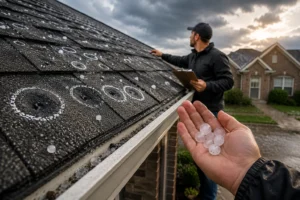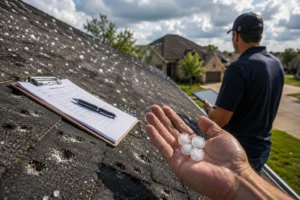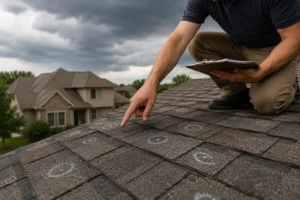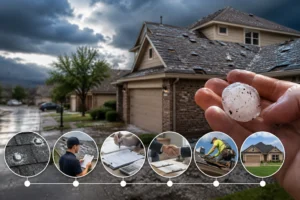

Most homeowners think the first insurance inspection settles everything. It doesn’t. A roof claim second inspection becomes necessary more often than people expect, especially after Texas hailstorms and severe wind events. Damage gets overlooked. Leaks appear later. Contractors discover hidden issues beneath shingles. Sometimes adjusters simply do not have enough time to fully inspect every roofing component after major storms. That can cost homeowners thousands. A second inspection may uncover missing damage, moisture intrusion, structural concerns, or repair items excluded from the original estimate. In many cases, a roof claim second inspection leads to supplemental payments and more accurate claim settlements. If your roof damage estimate feels incomplete, this process matters.
What Is a Roof Claim Second Inspection?
A roof claim second inspection is a follow-up insurance inspection requested after the original roof evaluation. The goal is to reassess damage that may have been missed, underestimated, or disputed during the first inspection. The request may come from:
- The homeowner
- A roofing contractor
- A public adjuster
- The insurance company
Second inspections are common after large storm events because roofing damage is not always immediately visible. Some problems appear later. Others require closer inspection. A second inspection may focus on:
- Hail damage
- Wind damage
- Interior leaks
- Flashing issues
- Moisture intrusion
- Structural concerns
- Code-related upgrades
For homeowners dealing with questionable claim decisions, a roof claim second inspection can completely change the outcome of the insurance process.
Why Initial Roof Inspections Sometimes Miss Damage
Insurance inspections move fast after storms. Really fast. After severe hail events, adjusters may inspect dozens of homes daily. Tight schedules, weather conditions, and limited inspection time can all affect the accuracy of the initial evaluation. That does not automatically mean the adjuster is inexperienced. It simply means storm claim environments become extremely demanding.
Catastrophe Claim Volume Creates Pressure
After major storms, insurers process enormous numbers of claims within days. This often leads to:
| Common Inspection Challenges | Impact on the Claim |
|---|---|
| Limited inspection time | Small damage gets overlooked |
| Poor weather conditions | Visibility becomes harder |
| Steep roof access issues | Certain areas remain unchecked |
| High claim volume | Documentation may become incomplete |
| Hidden roof damage | Interior problems appear later |
Fast inspections increase the risk of missing subtle roofing damage.
Some Roofing Damage Is Difficult to Detect
Not all roof damage looks dramatic. In fact, some of the most expensive issues are nearly invisible during quick inspections. Examples include:
- Bruised shingles
- Lifted seal strips
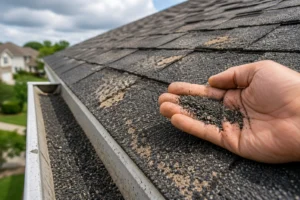
- Granule loss
- Underlayment moisture
- Minor flashing separation
- Decking deterioration
These problems often require closer physical inspection to identify correctly.
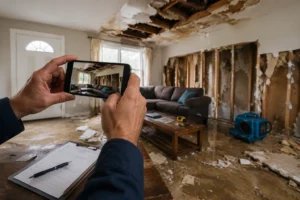
Interior Damage Can Develop Weeks Later
Water intrusion does not always appear immediately. A roof may survive the initial storm, then begin leaking after additional rainfall. Homeowners suddenly notice:
- Ceiling stains
- Damp insulation
- Mold odors
- Bubbling paint
- Warped drywall
At that point, the original claim may already be partially closed. That is one reason roof claim second inspection requests become necessary.
Common Reasons Homeowners Request Another Roof Inspection
Every claim differs, but several situations repeatedly lead to reinspections.
The Insurance Estimate Looks Too Low
This happens constantly. The insurer provides an estimate, and contractors immediately notice missing repairs or unrealistic pricing. Commonly overlooked items include:
- Flashing replacement
- Drip edge repairs
- Underlayment replacement
- Ventilation components
- Code-required upgrades
- Full roof replacement requirements
Even small omissions can dramatically affect settlement amounts.
Contractors Discover Additional Damage
Roofing contractors often identify issues during repairs that were not visible during the first inspection. Examples include:
- Saturated decking
- Hidden hail bruising
- Fastener movement
- Structural weakness
- Moisture beneath shingles
When contractors document those conditions properly, insurers may approve supplemental inspections.
The Claim Was Partially Denied
Partial denials create major frustration for homeowners. The carrier may approve one portion of the roof while denying another. Sometimes cosmetic damage gets acknowledged while functional damage gets disputed. This often triggers a roof claim second inspection request supported by contractor documentation and updated evidence.
New Technology Reveals More Damage
Modern roof inspections are changing quickly. Some professionals now use:
- Drone photography
- Moisture detection equipment
- Thermal imaging
- Digital roof measurements
- High-resolution aerial reports
Advanced inspection tools can reveal damage missed during the initial inspection. Some moisture detection systems even use principles related to Thermography to identify hidden water intrusion beneath roofing materials and insulation layers.
Signs Your Roof Claim May Need a Second Inspection
Certain warning signs should never be ignored.
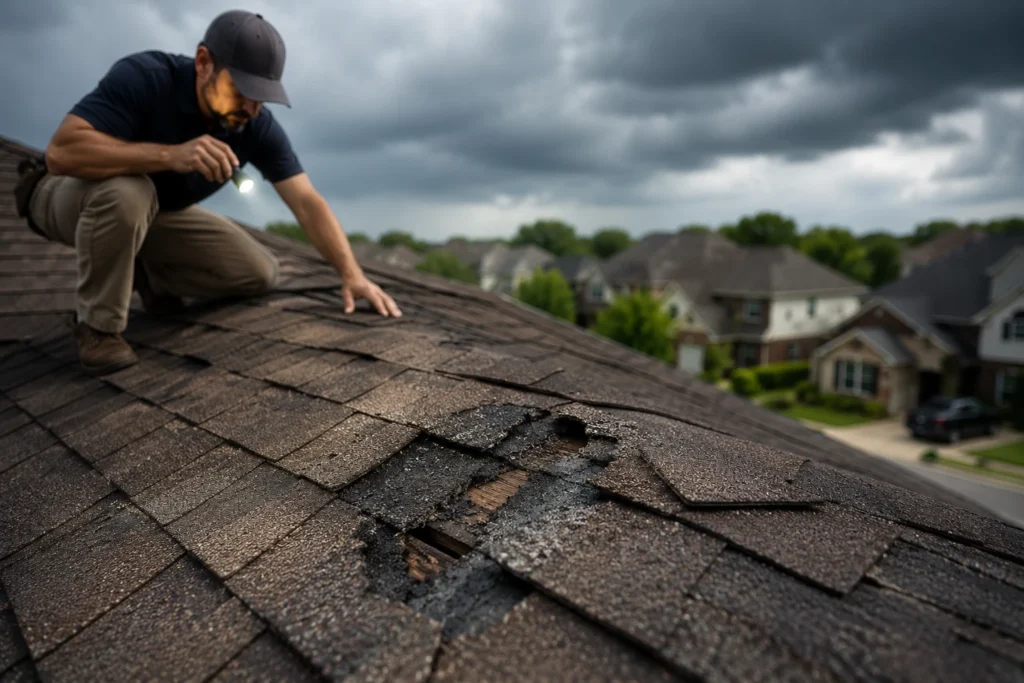
Active Leaks Continue
If leaks continue after the claim process begins, additional roofing damage may exist. Persistent water intrusion often signals broader roofing problems.
Granules Are Collecting in Gutters
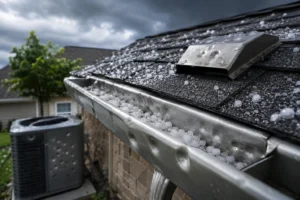
Heavy granule loss after hailstorms can indicate shingle deterioration. When gutters begin filling with visible granules, the roof may require closer inspection.
Roofing Contractors Disagree With the Estimate
Contractors and adjusters do not always see the same damage. If experienced roofing professionals repeatedly identify missing repairs, homeowners should investigate further.
Interior Moisture Keeps Expanding
Water spreads quietly through building materials. Watch for:
- Expanding ceiling stains
- Damp attic insulation
- Mold growth
- Musty odors
- Soft drywall
These symptoms may indicate hidden roof failure.
How the Roof Claim Second Inspection Process Works
The process is usually straightforward when documentation is organized properly.
Review the Original Claim
Start by reviewing:
- The insurance estimate
- Adjuster photos
- Claim notes
- Coverage explanations
- Approved repair scope
Look carefully for missing components or unexplained denials.
Gather Supporting Evidence
Documentation is critical. Helpful evidence includes:
- Roofing contractor reports
- Storm verification data
- Moisture readings
- Close-up damage photos
- Drone imagery
- Interior leak documentation
The stronger the evidence, the stronger the reinspection request becomes.
Submit a Reinspection Request
Homeowners or representatives can request another inspection directly from the insurance carrier. Keep communication professional and specific. Focus on:
- Missing damage
- New evidence
- Contractor findings
- Areas requiring reevaluation
Detailed requests are far more effective than emotional complaints.
Attend the Inspection
Homeowners should attend whenever possible. Having the contractor or public adjuster present can also help clarify:
- Damage locations
- Roofing system concerns
- Code upgrade requirements
- Repair scope disagreements
Collaborative inspections often lead to more productive outcomes.
Documents That Strengthen a Roof Claim Second Inspection
Strong documentation changes claims. Here are some of the most valuable materials homeowners can provide.
| Document | Why It Helps |
|---|---|
| Roofing contractor reports | Provides technical findings |
| Storm verification reports | Confirms storm severity |
| Roof photos | Creates visual evidence |
| Moisture readings | Supports hidden water damage |
| Repair invoices | Shows mitigation expenses |
| Communication records | Documents claim history |
Organization matters. Insurance carriers respond more effectively to structured evidence than scattered information.
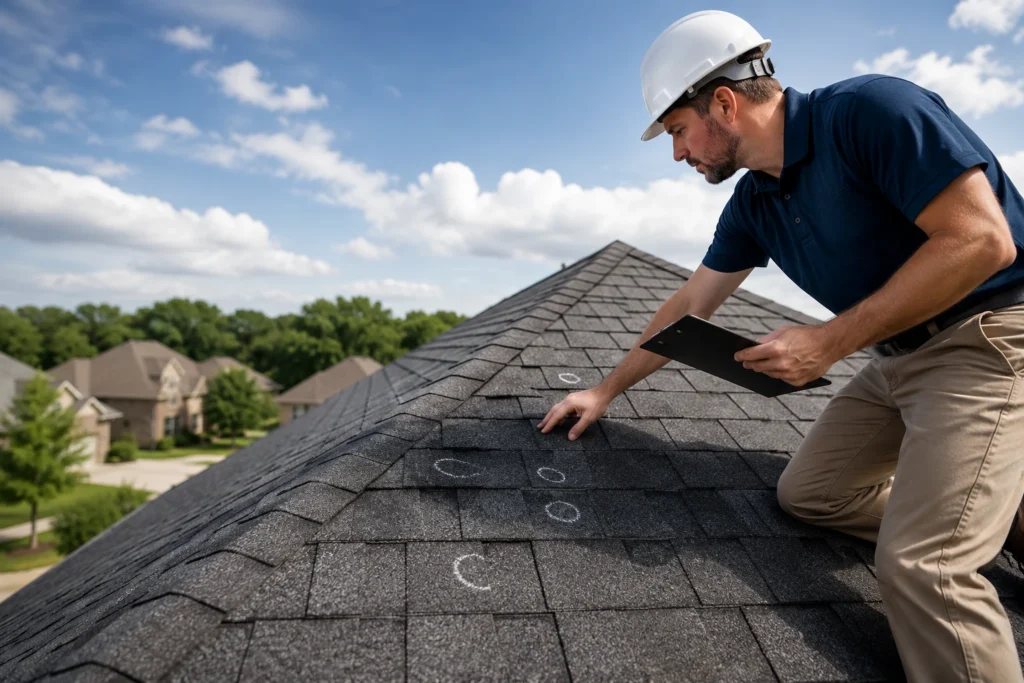
The Role of a Public Adjuster During a Roof Claim Second Inspection
Many homeowners become overwhelmed once disputes begin. That is understandable. Roof claims involve technical roofing terminology, insurance policy interpretation, and detailed documentation requirements. Public adjusters help organize the process and advocate for the homeowner during claim negotiations. They often assist with:
- Reviewing estimates
- Identifying missing repairs
- Organizing documentation
- Negotiating supplemental payments
- Communicating with insurers
- Managing claim timelines
For complex storm claims, professional guidance can improve claim clarity and reduce unnecessary delays.
Common Damage Found During Roof Reinspections
Some roofing issues appear repeatedly during second inspections.
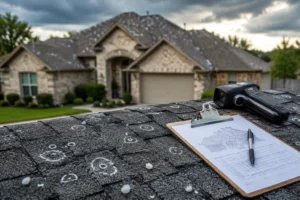
Hail Damage
Hail damage can be difficult to identify during rushed inspections. Common findings include:
- Shingle bruising
- Soft metal dents
- Granule displacement
- Fractured matting
- Vent cover impacts
Roof inspectors sometimes rely on concepts similar to Tribology when evaluating surface wear patterns and impact-related material deterioration on roofing systems.
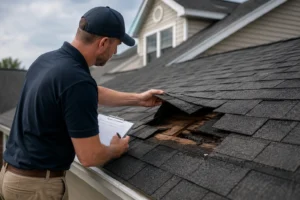
Wind Damage
Wind damage extends beyond missing shingles. It may include:
- Lifted tabs
- Broken seal strips
- Damaged flashing
- Loose fasteners
- Future leak points
Wind-related problems often worsen over time.
Moisture Intrusion
Hidden moisture spreads quietly behind roofing materials and insulation. This can damage:
- Roof decking
- Framing
- Insulation
- Interior drywall
- Ventilation systems
That is why attic inspections are extremely important during a roof claim second inspection.
Mistakes Homeowners Should Avoid
Some mistakes weaken roofing claims significantly.
Waiting Too Long
Evidence changes quickly after storms. Rain, heat, and temporary repairs may alter roofing conditions within weeks. Act early.
Completing Permanent Repairs Too Soon
Emergency mitigation is fine. Permanent repairs before documentation can create problems. Photograph everything before major work begins.
Accepting the First Decision Immediately
Initial inspections are not always complete. Review estimates carefully before agreeing to final settlements.
Hiring Inexperienced Contractors
Weak contractor documentation can weaken the claim itself. Choose roofing professionals familiar with storm restoration and insurance claim inspections.
Why Texas Roof Claims Become So Complex
Texas weather creates layered roofing damage. Hail, wind, heavy rain, and extreme heat combine to stress roofing systems in ways many homeowners underestimate. One storm can cause:
- Hail impact damage
- Wind uplift
- Flashing separation
- Moisture intrusion
- Ventilation problems
That complexity explains why roof claim second inspection requests happen so frequently throughout Texas. Local storm experience matters.
What Happens After the Second Inspection?
Several outcomes are possible after the reinspection process.
Supplemental Payments May Be Approved
If additional damage gets verified, insurers may issue:
- Increased repair payments
- Full roof replacement approvals
- Interior repair coverage
- Code upgrade compensation
Additional Engineering Reviews May Occur
Some disputed claims require engineering evaluations. These reviews may focus on:
- Storm causation
- Material lifespan
- Installation quality
- Structural integrity
Disputes May Continue
Not every claim resolves immediately. Additional steps may include:
- Appraisal
- Further inspections
- Independent evaluations
- Legal consultation
Still, a strong roof claim second inspection often improves the homeowner’s position substantially.
Tips for Preparing for a Roof Claim Second Inspection
Preparation helps inspections run smoothly. Before the inspection:
- Organize all claim documents
- Print contractor reports
- Photograph all visible damage
- Create a written concern checklist
- Ensure attic access is available
- Save repair receipts
- Review the original estimate carefully
Simple preparation creates better communication during the inspection.
Why Documentation Changes Claim Outcomes
Insurance claims rely on evidence. The strongest claims are organized, detailed, and professionally documented. Good documentation helps:
- Validate damage severity
- Establish repair scope
- Support supplemental requests
- Reduce claim disputes
- Improve settlement accuracy
This becomes especially important during a roof claim second inspection because the entire process focuses on reevaluating overlooked or disputed damage. Detailed evidence creates credibility. And credibility matters.
Final Thoughts
A roof claim second inspection is not unusual after severe storms. In many situations, it becomes necessary because roofing damage evolves, hidden moisture spreads, and initial inspections may miss critical problems. Homeowners should never assume the first inspection is automatically final. Review estimates carefully. Document everything thoroughly. Work with experienced roofing professionals. Ask questions whenever repair scope feels incomplete. Most importantly, act quickly. Because once repairs begin and evidence disappears, proving missed roof damage becomes much harder.
FAQs
A roof claim second inspection is a follow-up inspection requested when homeowners, contractors, or adjusters believe damage was missed or underestimated during the original inspection.
Yes. Homeowners can request another inspection if new damage is discovered or if the original estimate appears incomplete.
Insurance carriers may approve reinspection when contractors provide additional evidence, hidden damage appears later, or claim disputes arise after the initial inspection.
Most reinspection’s take between 30 minutes and a few hours depending on the roof size, storm severity, and complexity of the claim.
Yes. Having your contractor present can help explain overlooked damage and clarify repair scope directly with the adjuster.
Absolutely. Moisture intrusion, leaks, and weakened roofing materials may not become visible until after additional rain or weather exposure.
It can. If additional covered damage is documented, the insurer may approve supplemental payments or expanded repair coverage.
Helpful documents include contractor reports, roof photos, moisture readings, repair invoices, weather reports, and communication records with the insurance company.
Further steps may include appraisal, engineering evaluations, additional negotiations, or legal consultation depending on the dispute.
Yes. Texas experiences frequent hailstorms and severe weather events, making roof claim second inspection requests very common after major storms.