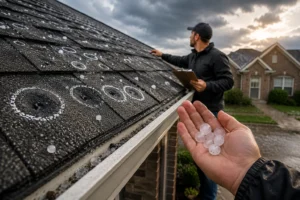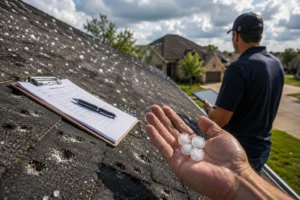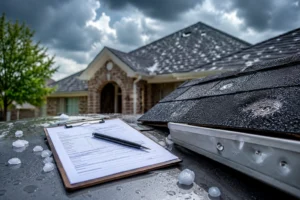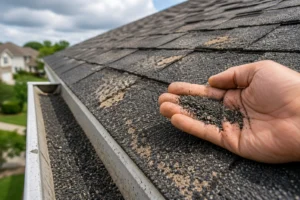

Texas hailstorms can damage a roof in minutes. Insurance claims usually take much longer. That surprises many homeowners. The hail damage claim timeline in Texas often involves inspections, documentation, negotiations, contractor scheduling, and payment reviews that can stretch over weeks or even months. One delay can slow everything down. And if mistakes happen early, the claim can become far more difficult to resolve later. Understanding the process helps homeowners move faster, avoid common problems, and protect their financial recovery after a storm.
Why Hail Damage Claims Take Time in Texas
Texas handles an enormous number of hail-related insurance claims every year. After a major storm, insurance carriers may receive thousands of claims at once. That creates immediate pressure on the system. Adjusters become overloaded. Roofing contractors fill their schedules quickly. Material shortages appear. Communication delays increase. The hail damage claim timeline in Texas becomes even longer when homeowners fail to document damage properly or wait too long to begin the process.
High Storm Volume Creates Delays
After severe storms, insurance companies often bring in catastrophe teams and independent adjusters to handle claim volume. Even then, delays remain common. Several factors affect timing:
- Number of damaged homes in the area
- Insurance carrier staffing levels
- Severity of roof damage
- Availability of contractors
- Complexity of the claim
Large metro storms can overwhelm claim systems for weeks.
Documentation Takes Time
Insurance carriers require evidence before approving major repairs or full roof replacement. That usually includes:
- Roof inspection reports
- Photos
- Contractor estimates
- Interior leak documentation
- Weather reports
The stronger the documentation becomes, the smoother the claim process usually moves.
Roof Damage Is Not Always Obvious
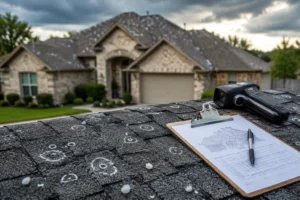
Some hail damage is easy to identify. Other damage remains hidden until water intrusion or deterioration begins later. Adjusters often inspect:
| Roof Area | Damage Indicators |
|---|---|
| Shingles | Bruising, cracking, granule loss |
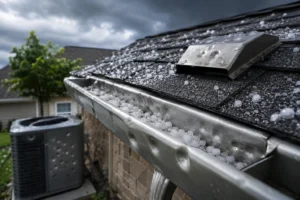
| Gutters | Dents and impact marks |
| Flashing | Separation or punctures |
| Roof vents | Metal impacts |
| Interior ceilings | Water stains and leaks |
Disagreements over cosmetic versus functional damage can significantly extend the hail damage claim timeline in Texas.
Immediate Steps After a Hailstorm
The first few days after a storm matter more than most homeowners realize. Fast action protects both the property and the insurance claim.
Prioritize Safety
Before inspecting anything, look for immediate hazards. Watch for:
- Fallen power lines
- Structural instability
- Active leaks
- Slippery surfaces
- Broken glass
Avoid climbing onto the roof immediately after a storm. Wet roofing systems can become dangerous quickly.
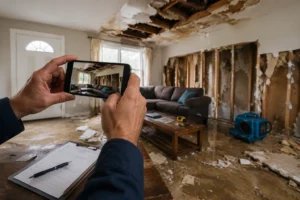
Document Damage Immediately
Take photos as soon as possible. Capture:
- Roof impacts
- Dented gutters
- Damaged siding
- Broken window screens
- HVAC unit damage
- Interior water stains
Early documentation helps preserve evidence before weather exposure worsens conditions.
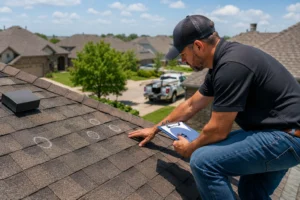
Schedule a Professional Roof Inspection
Professional inspections often identify damage homeowners miss entirely. That may include:
- Hidden shingle bruising
- Flashing damage
- Soft metal impacts
- Ventilation issues
- Granule displacement
Many homeowners accidentally delay the hail damage claim timeline in Texas simply because they wait too long to schedule inspections.
The Typical Hail Damage Claim Timeline in Texas
Every insurance claim is different. Still, most hail claims follow a fairly consistent pattern.

Day 1–3: Initial Inspection and Emergency Repairs
Immediately after the storm:
- Damage gets photographed
- Temporary repairs may begin
- Leaks are stabilized
- Inspection appointments are scheduled
If emergency tarping or mitigation becomes necessary, keep all invoices and receipts for reimbursement purposes.
Day 3–7: Filing the Insurance Claim
Once damage is confirmed, the claim gets reported to the insurance carrier. Homeowners usually receive:
- Claim number assignment
- Initial instructions
- Adjuster contact information
- Policy guidance
This stage moves quickly in smaller storms. During major catastrophe events, response times may slow considerably. Strong communication becomes important here. Missed calls and delayed responses often stretch the hail damage claim timeline in Texas unnecessarily.
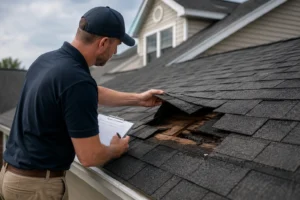
Week 1–3: Insurance Adjuster Inspection
The insurance adjuster visits the property to inspect the damage directly. During inspections, adjusters may examine:
- Roof slopes
- Soft metal damage
- Vent impacts
- Flashing condition
- Interior water intrusion
- Gutters and siding
Roofing contractors often attend these inspections as well. That can help prevent overlooked damage from being missed entirely.
Common Inspection Problems
Several issues frequently slow claims:
- Incomplete inspections
- Weather interruptions
- Limited attic access
- Damage age disputes
- Cosmetic damage arguments
This stage often becomes one of the biggest turning points in the hail damage claim timeline in Texas.
Week 2–6: Estimate Review and Negotiation
After inspections conclude, repair estimates begin circulating between contractors and insurance carriers. Sometimes both sides agree quickly. Sometimes they do not. Common negotiation topics include:
| Claim Issue | Why It Matters |
|---|---|
| Full vs partial replacement | Major cost difference |
| Code upgrades | Compliance expenses |
| Flashing replacement | Water protection concerns |
| Ventilation corrections | System performance |
| Labor pricing | Regional market differences |
Supplement requests often appear during this phase. A supplement is an additional repair cost discovered after deeper inspection or repair work begins. Supplements are extremely common during the hail damage claim timeline in Texas.
Complex Negotiations Often Delay Claims
Insurance negotiations can sometimes resemble an operational anastomosis, where multiple systems and moving parts must connect efficiently for the process to function smoothly. Poor communication between contractors, adjusters, and homeowners often slows approvals significantly.

Week 4–8: Claim Approval or Partial Denial
At this stage, homeowners generally receive one of several outcomes:
- Full approval
- Partial approval
- Request for additional information
- Partial denial
- Full denial
Payment structure also becomes very important here.
Understanding ACV and RCV Payments
Many policies initially pay actual cash value first before releasing recoverable depreciation later. Here is a simplified breakdown:
| Payment Type | Meaning |
|---|---|
| ACV | Depreciated initial payment |
| Deductible | Homeowner out-of-pocket amount |
| Recoverable depreciation | Released after repairs finish |
Many homeowners mistakenly expect one full payment immediately. That rarely happens. Understanding these payment stages helps homeowners better manage the hail damage claim timeline in Texas.
Month 2–4: Roof Repairs or Replacement
Once the claim receives approval, repair scheduling begins. This phase depends heavily on contractor availability. After large storms, roofing schedules fill quickly. Several factors can delay repairs:
- Permit approvals
- Material shortages
- Labor availability
- HOA requirements
- Weather interruptions
Texas weather itself can create additional complications. New storms sometimes hit before repairs are even completed.
Final Payment and Claim Closure
Once repairs finish, final documentation gets submitted. That may include:
- Completion invoices
- Final photos
- Contractor certifications
- Material receipts
The insurance carrier then reviews the documentation before releasing recoverable depreciation. Only after final payment does the hail damage claim timeline in Texas officially conclude.
Common Delays That Slow Down Texas Hail Claims
Not all delays come from insurance carriers. Homeowners unintentionally create many problems themselves.
Waiting Too Long to File
Older hail damage becomes harder to prove over time. Exposure to sun, rain, and wind can gradually alter roof conditions and weaken visible evidence. Fast reporting helps preserve claim credibility.
Contractor Availability Problems
Reputable roofing contractors often become fully booked after major storms. Unfortunately, rushed homeowners sometimes hire inexperienced crews simply to move faster. That can create major workmanship issues later.
Weak Documentation
Claims supported by poor evidence usually move slower. Strong documentation should include:
- Date-stamped photos
- Inspection reports
- Weather verification
- Contractor estimates
- Communication records
Organization matters.
Insurance Disputes
Some delays become unavoidable because disagreements emerge during inspections or estimate reviews. Common disputes include:
- Matching issues
- Scope disagreements
- Code upgrades
- Pricing conflicts
- Cosmetic damage exclusions
Insurance negotiations sometimes involve balancing repair evidence and policy interpretation in ways similar to financial isostasy, where competing pressures gradually seek equilibrium.
Texas Insurance Deadlines Homeowners Should Know
Texas law imposes deadlines on both homeowners and insurance carriers. Understanding them helps avoid preventable claim problems.
Prompt Notice Requirements
Most insurance policies require homeowners to report damage promptly. Delays may allow carriers to argue that damage worsened because repairs or inspections were postponed.
Texas Prompt Payment of Claims Act
Texas law generally requires insurers to:
- Acknowledge claims
- Begin investigations
- Request supporting information
- Issue claim decisions within required timelines
Catastrophe events can complicate scheduling, but insurers still remain subject to legal obligations.
Legal Time Limit Considerations
Homeowners should not ignore unresolved disputes for extended periods. Waiting too long to challenge underpaid or denied claims can limit future legal options.
How Public Adjusters Help Speed Up Hail Claims
Some claims remain straightforward. Others become extremely complex. Public adjusters often help organize and manage difficult claims more efficiently.
Organizing Documentation
Public adjusters help structure claims professionally by organizing:
- Photos
- Inspection reports
- Estimates
- Policy documents
- Communication records
Strong organization often improves claim efficiency dramatically.
Identifying Missed Damage
Experienced claim professionals frequently identify:
- Flashing problems
- Ventilation deficiencies
- Hidden roof impacts
- Code upgrade requirements
- Underestimated repair scope
Those details can materially affect settlement amounts.
Negotiating with Insurance Carriers
Negotiation becomes difficult when homeowners are unfamiliar with roofing systems or policy language. Experienced adjusters understand how to present supporting evidence effectively.
Signs Your Hail Claim Is Stalling
Some delays are normal. Others signal bigger problems.
Repeated Inspection Requests
Multiple reinspections may indicate internal disagreement regarding coverage.
Long Communication Gaps
Weeks without updates often signal claim handling delays. Consistent follow-up matters.
Extremely Low Settlement Offers
Low initial estimates sometimes reflect incomplete scopes rather than final claim value.
Delayed Final Payments
Final depreciation payments should not remain unresolved indefinitely after repairs finish.
Tips to Keep Your Texas Hail Claim Moving Faster
Homeowners can improve claim efficiency significantly by staying proactive.
Stay Organized
Keep all claim-related materials together:
- Emails
- Photos
- Receipts
- Estimates
- Inspection reports
Simple organization prevents major confusion later.
Respond Quickly
Fast responses help keep claims moving smoothly. Delays in communication often create additional bottlenecks.
Keep All Repair Records
Save:
- Contractor invoices
- Material receipts
- Completion photos
- Warranty information
Detailed records protect homeowners long after repairs finish.
Work with Reputable Professionals
Experienced local roofing contractors usually understand Texas storm claims far better than temporary storm-chasing crews. That experience matters during the hail damage claim timeline in Texas.
What Happens If a Hail Claim Gets Denied?
A denial does not always mean the process is over.
Review the Denial Letter Carefully
Understand why the claim was denied. Common reasons include:
- Wear and tear exclusions
- Insufficient evidence
- Prior damage
- Cosmetic damage limitations
Request a Reinspection
Additional inspections sometimes uncover overlooked damage. Especially when stronger documentation becomes available later.
Submit Supplemental Evidence
Additional photos, contractor reports, and weather data may strengthen the claim significantly.
Consider Professional Assistance
Complex disputes often benefit from experienced claim representation, particularly when major roof replacement costs are involved.
Conclusion
The hail damage claim timeline in Texas can move quickly or stretch across several months depending on storm severity, documentation quality, contractor availability, and insurance negotiations. Preparation makes a major difference. Homeowners who document damage early, communicate consistently, stay organized, and understand the claim process usually avoid many of the delays that create frustration later. Texas storms may arrive suddenly. But handling the insurance process carefully and strategically helps homeowners protect both their property and their financial recovery throughout the entire hail damage claim timeline in Texas.
FAQs
Most claims take several weeks to a few months depending on storm severity, inspection schedules, and repair complexity.
Document visible damage, protect the property from further leaks, and schedule a professional roof inspection as soon as possible.
Yes. Insurance carriers may argue the damage resulted from wear, aging, or delayed reporting if too much time passes before filing.
Coverage depends on the policy terms, exclusions, deductible, and whether the damage is considered functional or cosmetic.
Large storm volume, contractor shortages, documentation issues, and claim disputes can all delay the process.
Recoverable depreciation is the withheld portion of a replacement cost claim that is typically released after repairs are completed.
A public adjuster may help when claims become complicated, underpaid, delayed, or disputed.
Yes. Homeowners generally have the right to select the contractor they want for roof repairs or replacement.
You can request a supplement, submit contractor estimates, or seek additional claim review if the scope appears incomplete.
Fast documentation, organized records, quick communication, and working with experienced professionals can help keep the claim moving efficiently.