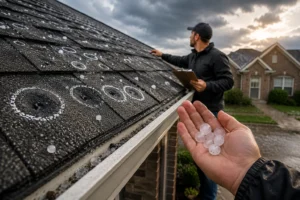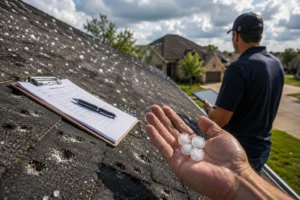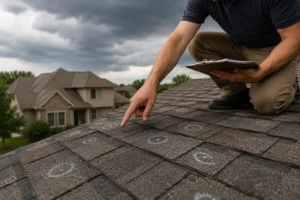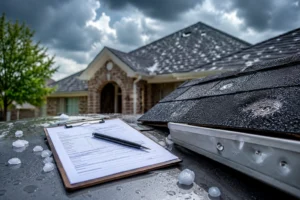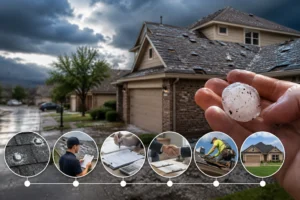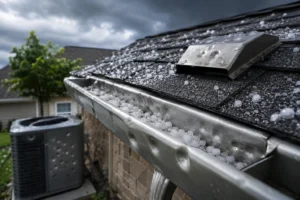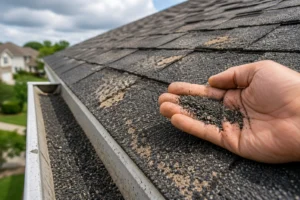

Roof damage claims in Texas can become complicated fast. One of the biggest disputes homeowners face involves matching laws for roof replacement in Texas and whether insurance companies must replace the full roof or only the damaged section. That disagreement can dramatically affect the appearance, value, and long-term performance of a home. After hailstorms and wind events, many Texas homeowners discover that replacement shingles no longer match the existing roof due to fading, discontinued products, or aging materials. Insurance companies may approve partial repairs while homeowners are left with a roof that looks patched together. And honestly? That frustration is extremely common across Texas. Understanding matching laws for roof replacement in Texas helps homeowners navigate insurance claims more effectively, protect property value, and avoid costly mistakes during negotiations.
Understanding Roof Matching Problems
What Roof Matching Means
Roof matching refers to replacing damaged roofing materials with products that closely resemble the existing roof in:
- Color
- Texture
- Shape
- Thickness
- Material style
- Weathered appearance
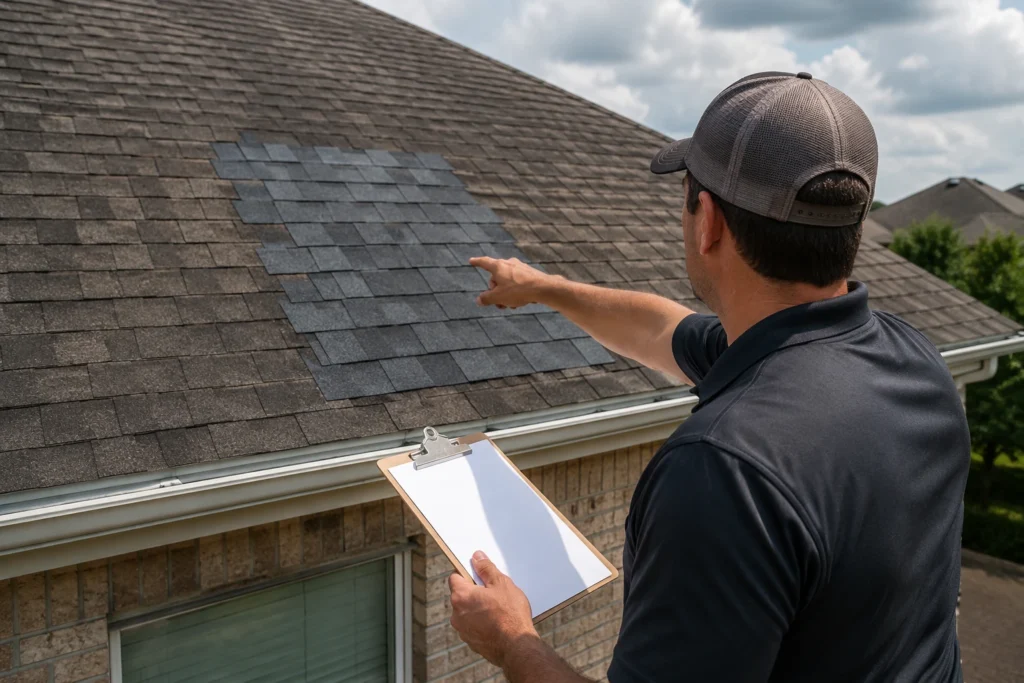
That sounds simple. But roofing systems age differently over time. Texas heat, UV exposure, heavy rain, and hailstorms create uneven fading across roof slopes. Manufacturers also discontinue shingles regularly, making exact replacements difficult or impossible to locate years later. A roof repaired with non-matching materials can stand out immediately from the street. Homeowners notice it. Neighbors notice it. Buyers notice it.
Why Matching Problems Are So Common in Texas
Texas weather accelerates roof deterioration faster than many other regions. Constant sun exposure weakens shingles gradually while hailstorms create sudden impact damage that may affect only one section of the roof. Wind-driven rain and heat expansion also contribute to uneven aging patterns. Several factors increase roof matching disputes across Texas:
| Roofing Issue | Why It Creates Problems |
|---|---|
| Sun fading | Changes shingle color over time |
| Hail damage | May affect only certain slopes |
| Discontinued shingles | Exact replacements unavailable |
| Extreme heat | Weakens older shingles |
| Wind damage | Causes isolated repairs |
Texas homeowners frequently encounter situations where one roof slope requires replacement while the remaining roof appears noticeably older. That creates the core issue behind matching laws for roof replacement in Texas.
Does Texas Have a Roof Matching Law?
This is where confusion starts. Texas does not have a strict statewide law automatically requiring insurance companies to replace an entire roof whenever matching materials cannot be found. Instead, many claim outcomes depend heavily on:
- Insurance policy language
- Repair feasibility
- Local building requirements
- Manufacturer availability
- Scope of damage
Some policies contain language supporting “uniform appearance” considerations. Others specifically exclude cosmetic matching concerns. That distinction matters enormously during roof claim negotiations.
How Insurance Policies Handle Matching
Insurance carriers rely heavily on policy wording when evaluating roof claims. Common policy provisions may include:
- Replacement cost coverage
- Cosmetic damage exclusions
- Actual cash value settlements
- Roof surface limitations
- Matching endorsements
- Uniform appearance clauses
Homeowners often assume matching is automatically covered. Unfortunately, that is not always true. The exact wording inside the policy can determine whether the carrier approves full replacement or only limited repairs.
When Full Roof Replacement May Be Approved
Even without a strict statewide matching statute, insurance companies sometimes approve complete roof replacement under certain conditions. Examples include:
- Matching shingles are discontinued
- Repairs damage surrounding brittle shingles
- Roof appearance becomes severely inconsistent
- HOA requirements apply
- Local building codes trigger upgrades
- Damage affects multiple elevations
Documentation becomes critical during these situations. Manufacturer letters confirming discontinued shingles can strengthen claims significantly.
Cosmetic vs Functional Roof Damage
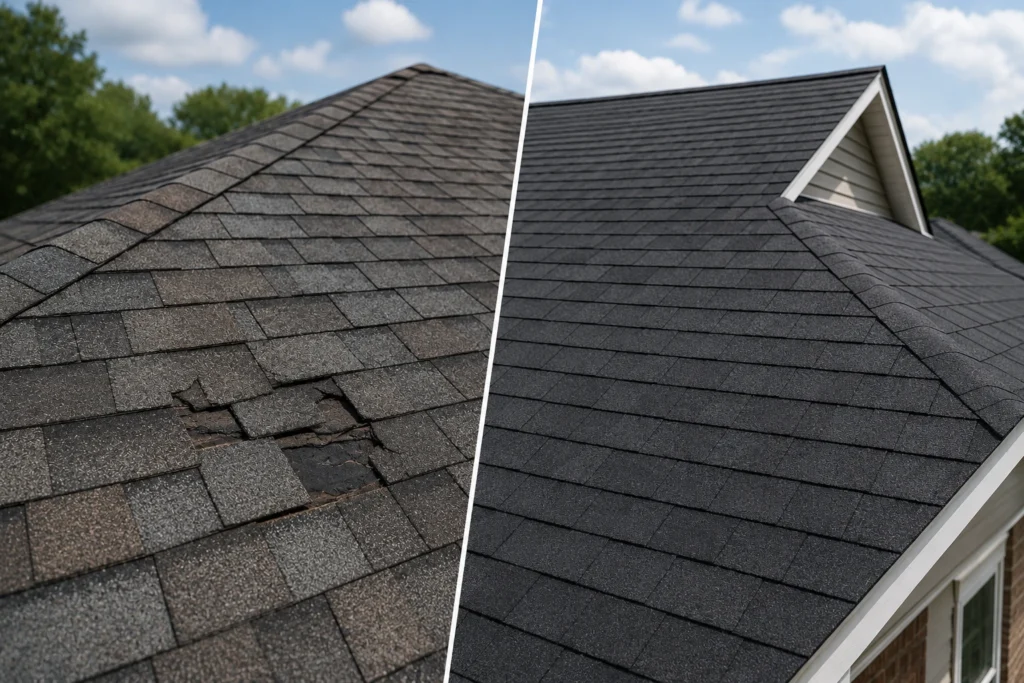
One of the largest disputes involving matching laws for roof replacement in Texas centers around cosmetic versus functional damage. Insurance carriers frequently argue that mismatched shingles are cosmetic only. Homeowners usually disagree.
Why Insurers Use Cosmetic Damage Arguments
From the insurance company’s perspective, a roof may still function properly even if replacement shingles differ slightly in appearance. Adjusters may argue:
- The roof still sheds water
- Structural integrity remains intact
- Repairs restore functionality
- Appearance differences are acceptable
But homeowners are not simply protecting waterproofing performance. They are protecting:
- Property value
- Home appearance
- Marketability
- Neighborhood standards
- Long-term investment value
And a patchwork roof absolutely affects those concerns.
Why Cosmetic Damage Still Matters
Visible mismatching can create real financial consequences. For example:
- HOA complaints
- Reduced curb appeal
- Lower resale value
- Buyer hesitation
- Future repair complications
In some neighborhoods, appearance standards are taken very seriously. A visibly mismatched roof can quickly become a source of frustration after what should have been a straightforward insurance repair.
Can Insurance Replace Only Part of a Roof?
Yes. Insurance companies approve partial roof replacements regularly. But partial repairs often create additional complications.
Problems Created by Partial Roof Repairs
Replacing only one slope or section of a roof may result in:
- Obvious color differences
- Uneven weathering
- Patchwork appearance
- Warranty concerns
- Repair compatibility issues
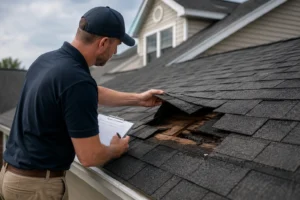
And older roofs create even bigger challenges. Aged shingles exposed to years of Texas heat often become brittle. During repairs, surrounding shingles may crack repeatedly when contractors attempt removal. That can expand repair areas quickly.
When Partial Repairs Become Impractical
Certain roofing situations make partial repairs unrealistic.
| Roof Condition | Why Full Replacement May Be Necessary |
|---|---|
| Brittle shingles | Repairs damage surrounding areas |
| Discontinued materials | Exact match unavailable |
| Extensive fading | New shingles highly visible |
| Multiple storm events | Widespread roof deterioration |
| Structural concerns | Larger repair scope required |
This is why detailed roofing inspections matter during Texas insurance claims. Experienced contractors can identify repair limitations that insurance adjusters may initially overlook.
Texas Building Codes and Roof Matching
Local building requirements also affect roof claims significantly. Many Texas municipalities enforce updated roofing standards that older roofs may not meet.
Ordinance and Law Coverage
Some homeowners policies include Ordinance and Law coverage. This coverage may help pay for additional expenses required to meet current building codes during repairs. Examples include:
- Deck renailing
- Updated flashing
- Ventilation improvements
- Underlayment upgrades
- Wind resistance requirements
Without this coverage, homeowners may face substantial out-of-pocket expenses during repairs.
Why Code Upgrades Increase Claim Costs
Older roofs often require more than basic shingle replacement. Once contractors remove damaged roofing materials, additional deficiencies become visible. Municipal inspections may require upgrades before work can continue. That increases repair costs quickly. And honestly? Many homeowners never realize code issues exist until the roof replacement process begins.
How Insurance Companies Evaluate Matching Claims
Insurance companies follow a structured process during roof inspections. But inspection quality varies. Some adjusters perform detailed evaluations while others work under heavy claim volume after major storms.
What Adjusters Typically Review
Insurance inspections often include:
- Roof photographs
- Storm impact patterns
- Material condition
- Repair feasibility
- Manufacturer availability
- Functional performance
Some adjusters also rely on visual comparison methods and forms of interpolation when evaluating whether replacement shingles appear reasonably similar to existing materials. The insurer then determines whether repairs can restore the roof adequately without full replacement.
Common Reasons Matching Claims Get Denied
Several arguments appear repeatedly in Texas roof disputes.
Frequent Insurance Carrier Arguments
- Damage is cosmetic only
- Similar shingles remain available
- Roof remains functional
- Repairs are technically possible
- Policy excludes matching requirements
- Color variation is acceptable
Homeowners often feel shocked after learning their insurer may only approve partial repairs despite obvious visual inconsistencies.
How Homeowners Can Strengthen a Roof Matching Claim
Preparation matters. Strong documentation improves negotiating power dramatically.
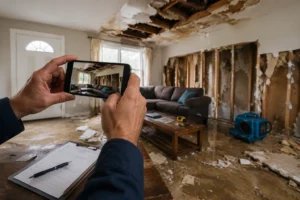
Document Damage Immediately
After storms, homeowners should gather:
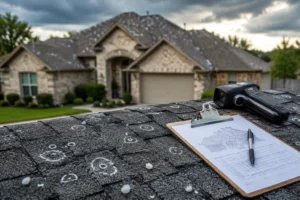
- Wide-angle roof photos
- Close-up hail impact images
- Interior leak photos
- Contractor inspection reports
- Storm dates
- Repair estimates
The longer homeowners wait, the harder proving storm-related damage becomes.
Request Manufacturer Availability Letters
Manufacturer documentation can become one of the strongest tools during roof matching disputes. These letters may confirm:
- Shingle discontinuation
- Material shortages
- Color unavailability
- Incompatible replacement products
Insurance carriers pay attention to objective manufacturer evidence.
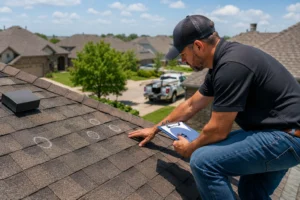
Work With Experienced Roofing Contractors
Not all roofing contractors understand insurance claims properly. Experienced professionals can help:
- Identify functional damage
- Document brittle shingles
- Prepare supplement requests
- Explain repair limitations
- Support code upgrade claims
Detailed inspections create leverage during negotiations. Weak inspections weaken claims. Simple as that.
The Role of a Public Adjuster in Roof Matching Disputes
Public adjusters represent policyholders during insurance claims. That matters. Especially during disputes involving matching laws for roof replacement in Texas.
How Public Adjusters Help Homeowners
A public adjuster may assist with:
- Claim evaluations
- Policy interpretation
- Damage documentation
- Settlement negotiations
- Scope review
- Supplement preparation
Their goal is to pursue fair settlement outcomes based on policy coverage and documented damage.
When Public Adjusters Become Especially Valuable
Some claim situations become more complicated quickly. Examples include:
- Large hail claims
- Partial denial disputes
- Matching disagreements
- Underpaid settlements
- Multi-slope damage
Insurance paperwork alone can overwhelm homeowners after severe storms. Professional guidance often helps simplify the process.
Real-World Roof Matching Situations in Texas
Roof matching disputes happen constantly after major Texas storms.
Scenario: Discontinued Shingles
A homeowner experiences hail damage on one roof slope. The insurer initially approves replacement for that section only. Problem? The original shingles were discontinued years earlier. The contractor provides manufacturer documentation confirming no matching materials exist. Additional inspection photos show severe color differences between new and old shingles. The carrier eventually approves full replacement after supplement negotiations.
Scenario: HOA Appearance Standards
A subdivision HOA requires consistent roof appearance throughout the neighborhood. Partial roof repairs create obvious color inconsistencies visible from the street. The homeowner submits HOA documentation supporting uniform appearance requirements. That evidence strengthens the claim considerably.
Scenario: Uneven Weather Exposure
Texas weather affects roofing materials differently depending on slope direction, heat exposure, and storm impact. These uneven wear patterns can resemble anisotropy, where surfaces react differently based on directional conditions. That uneven aging often makes roof matching far more difficult than homeowners initially expect.
Mistakes Homeowners Should Avoid
Some claim mistakes weaken negotiating power immediately.
Waiting Too Long After Storm Damage
Evidence fades over time. Insurance carriers may argue delayed claims involve wear and tear rather than storm-related damage. Quick inspections matter.
Accepting the First Settlement Too Quickly
Initial estimates sometimes omit important repair items. Examples may include:
- Flashing replacement
- Ventilation corrections
- Underlayment upgrades
- Additional damaged slopes
- Code compliance costs
Careful review helps homeowners avoid underpaid claims.
Hiring Inexperienced Contractors
Roof installation skill alone is not enough during insurance claims. Contractors unfamiliar with supplements and claim documentation may overlook important details affecting settlement value. That can become expensive fast.
Future Trends in Texas Roof Matching Claims
Roof insurance claims continue evolving.
Material Discontinuations Are Increasing
Manufacturers update roofing products constantly. Older shingles become harder to source every year, increasing matching disputes across Texas.
Insurance Policies Are Becoming More Restrictive
Some carriers now include:
- Cosmetic damage exclusions
- Roof depreciation schedules
- Matching limitations
- Actual cash value endorsements
Policy reviews are becoming increasingly important for homeowners.
Technology Is Changing Roof Inspections
Modern inspections increasingly involve:
- Drone photography
- AI-assisted analysis
- Moisture mapping
- High-resolution imaging
These tools improve documentation but also create more detailed claim evaluations.
Final Thoughts on Matching Laws for Roof Replacement in Texas
Roof matching disputes are becoming more common after Texas storms. And the issue of matching laws for roof replacement in Texas continues creating confusion for homeowners navigating insurance claims. Insurance companies may focus primarily on functionality. Homeowners often focus on appearance, property value, and long-term protection. That gap creates disputes. The strongest claims usually involve detailed inspections, manufacturer documentation, clear policy review, and experienced negotiation support. Homeowners who understand matching laws for roof replacement in Texas before filing claims often place themselves in a much stronger position during settlement discussions. Because once storm damage happens, preparation and documentation can make all the difference.
FAQs
Texas does not have a strict statewide matching law, but policy language and claim circumstances can sometimes support full roof replacement.
Yes, insurers often approve partial repairs if they believe the damaged section can be repaired without affecting roof functionality.
If matching shingles are no longer manufactured, homeowners may use manufacturer letters and contractor documentation to support a full replacement request.
Insurance companies often classify mismatched shingles as cosmetic, although homeowners may argue it affects property value and curb appeal.
Some HOAs require uniform roof appearance, which can strengthen arguments for full roof replacement during matching disputes.
This coverage may help pay for additional repairs or upgrades required to meet current building codes during roof replacement.
Yes, older brittle shingles may crack during repairs, making partial replacement difficult or impractical.
A public adjuster may help review policy language, document damage, and negotiate with the insurance company during complex claims.
Adjusters evaluate material availability, roof condition, repair feasibility, and whether replacement materials appear reasonably similar.
Homeowners should document damage immediately, schedule professional inspections, and review their insurance policy carefully before accepting settlements.