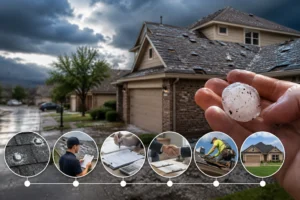

Roof damage can get expensive fast. One storm hits, shingles disappear, leaks start forming, and suddenly homeowners are asking the same urgent question: will insurance pay for a full roof replacement? In many cases, yes. But approval depends on several factors including the cause of damage, policy coverage, roof condition, and documentation. Insurance companies may pay for complete roof replacement after hailstorms, wind events, fallen trees, or other sudden losses, especially when repairs are no longer practical. Understanding how insurers evaluate roofing claims can help homeowners avoid costly mistakes and improve their chances of securing proper coverage.
Understanding When Insurance Covers Roof Replacement
Homeowners insurance is designed to protect against sudden and accidental damage. That distinction matters. Insurance companies usually look closely at what caused the roof problem before approving major payouts.
What Homeowners Insurance Typically Covers
Most policies commonly cover roof damage caused by:
- Hailstorms
- Wind damage
- Falling trees
- Fire damage
- Lightning strikes
- Sudden water intrusion caused by storm-related roof damage
If severe weather creates immediate roof damage, the policy may cover either repairs or full replacement depending on the extent of loss.
What Insurance Usually Will Not Cover
Insurance carriers generally deny claims tied to long-term deterioration or preventable problems. Common exclusions include:
- Wear and tear
- Old age deterioration
- Lack of maintenance
- Improper installation
- Existing unresolved damage
- Cosmetic-only issues in some policies
A roof nearing the end of its lifespan may face more scrutiny during inspections, even after a major storm.
Actual Cash Value vs. Replacement Cost Coverage
Policy type significantly affects payouts.
| Coverage Type | What It Means | Homeowner Impact |
|---|---|---|
| Actual Cash Value (ACV) | Depreciation deducted from payout | Lower reimbursement |
| Replacement Cost Value (RCV) | Full replacement cost after deductible | Higher reimbursement |
RCV policies are usually better for homeowners because they help cover the actual cost of installing a new roof after damage occurs. ACV policies often leave homeowners paying large out-of-pocket expenses.
Will Insurance Pay for a Full Roof Replacement After Hail Damage?
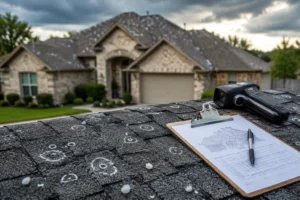
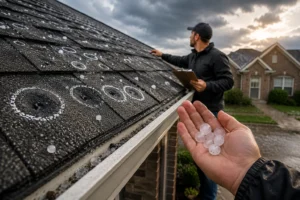
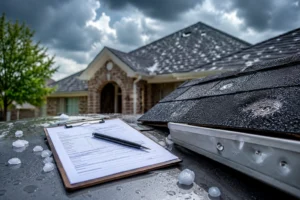
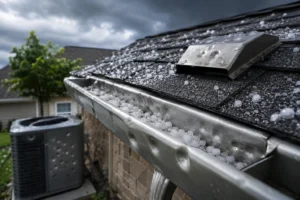
Hail is one of the leading causes of roof replacement claims across Texas and other storm-prone regions. And yes, hail damage frequently leads to full replacement approvals.
How Hail Damage Affects Roofing Systems
Different roofing materials respond differently to hail impacts.
Asphalt Shingles
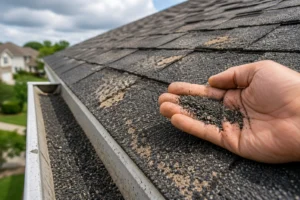
- Granule loss
- Bruising
- Cracking
- Creased shingles
Metal Roofs
- Dents
- Coating damage
- Fastener issues
Tile Roofs
- Fractures
- Broken corners
- Exposed underlayment
Some storm damage remains hidden after impact. Moisture intrusion may develop slowly beneath the roofing surface before visible leaks appear inside the home. Certain inspection technologies even rely on concepts tied to Piezoelectricity when evaluating structural responses and hidden moisture issues after severe weather events.
When Partial Repairs Are No Longer Practical
Insurance companies may initially recommend repairs instead of replacement. But repairs are not always enough. Full replacement becomes more likely when:
- Multiple roof slopes are damaged
- Roofing materials are discontinued
- Matching shingles are unavailable
- Structural integrity is compromised
- Repairs create future leak risks
Patchwork roofing systems often age unevenly, leading to additional maintenance issues later.
Why Insurance Companies Sometimes Approve Full Replacements
Several conditions may justify full roof replacement coverage.
Common Approval Factors
- Widespread hail damage
- Wind uplift damage
- Code compliance requirements
- Manufacturer installation standards
- Safety concerns
- Functional damage across roofing systems
Local building codes can also affect decisions. If partial repairs trigger mandatory upgrades, replacement costs can rise quickly.
How Insurance Adjusters Evaluate Roof Damage
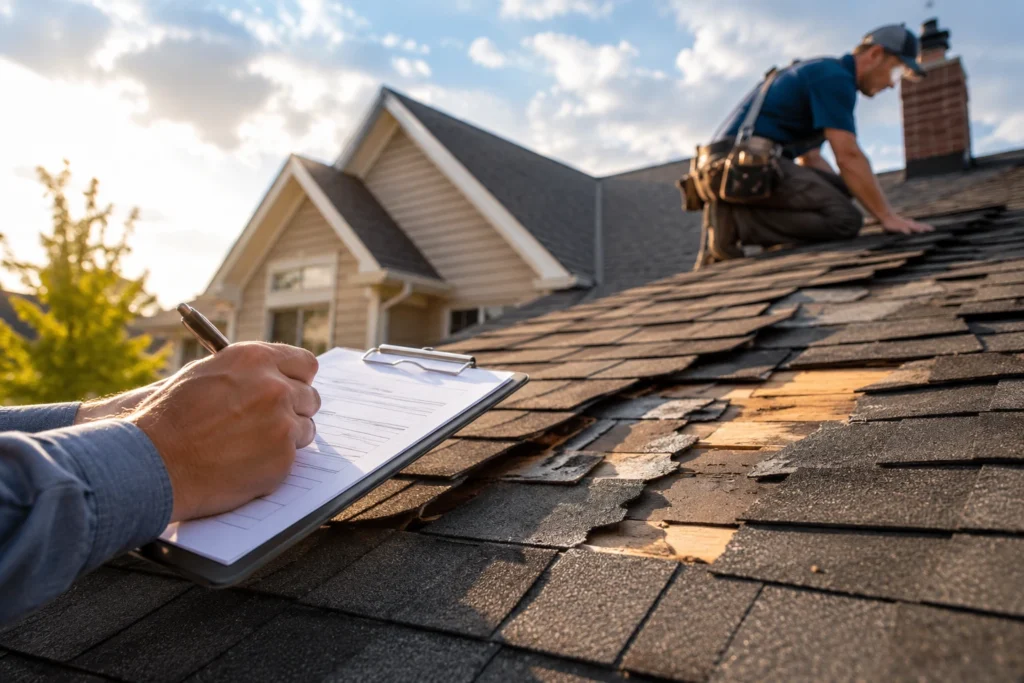
The insurance inspection stage often determines how successful a roof claim becomes. Small details matter here. Very small details.
What Adjusters Look For During Inspections
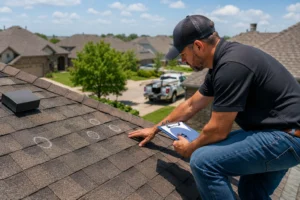
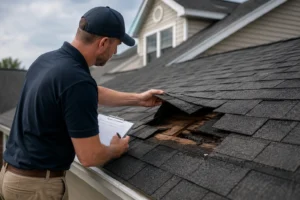
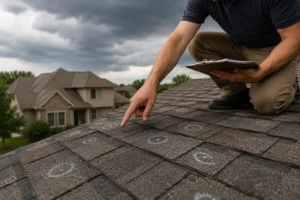
Insurance adjusters typically inspect for:
- Missing shingles
- Granule displacement
- Impact marks
- Soft decking
- Water intrusion
- Flashing damage
- Creased shingles
They also attempt to separate storm-related damage from normal aging. That distinction becomes the center of many disputes.
Documentation That Strengthens Roof Claims
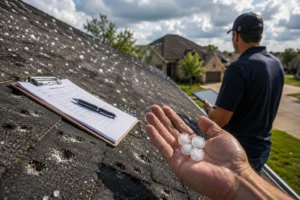
Strong claims are built on strong documentation. Homeowners should gather:
- Date-stamped photos
- Contractor inspection reports
- Drone imagery if available
- Weather reports
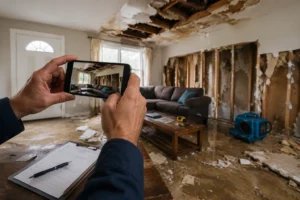
- Interior leak photos
- Maintenance records
- Repair estimates
The more organized the evidence, the stronger the negotiation position becomes.
Common Reasons Roof Claims Get Denied
Roof claims are denied for many reasons.
| Reason for Denial | Why It Happens |
|---|---|
| Delayed reporting | Storm evidence becomes harder to verify |
| Lack of documentation | Insufficient proof of damage |
| Maintenance concerns | Damage viewed as preventable |
| Prior unresolved damage | Timeline disputes arise |
| Cosmetic-only damage | No functional impairment found |
Quick action matters after storms. Delays can complicate even legitimate claims.
Can Insurance Pay for a Full Roof Replacement if Only One Area Is Damaged?
This is one of the most common homeowner questions. The answer depends on several factors.
The Matching Problem
Suppose one roof slope suffers major hail damage while the remaining sections stay intact. The challenge becomes matching materials. If shingles are discontinued or unavailable, repairs may create noticeable inconsistencies across the roof. Some states require insurers to maintain reasonably uniform appearances. That can influence replacement approvals.
Local Building Codes Matter
Building codes evolve over time. Older roofing systems may not comply with current requirements involving:
- Underlayment
- Ventilation
- Fasteners
- Flashing
- Deck attachment
- Ice barrier standards
If repairs trigger mandatory code upgrades, insurers may need to cover additional replacement-related costs depending on policy language.
When Partial Repairs Create Bigger Problems
Partial repairs sometimes create long-term issues instead of solving them. Potential problems include:
- Uneven roof lifespan
- Increased leak risks
- Warranty conflicts
- Inconsistent weather resistance
Many contractors argue that heavily damaged roofs perform better with full replacement rather than isolated patch repairs.
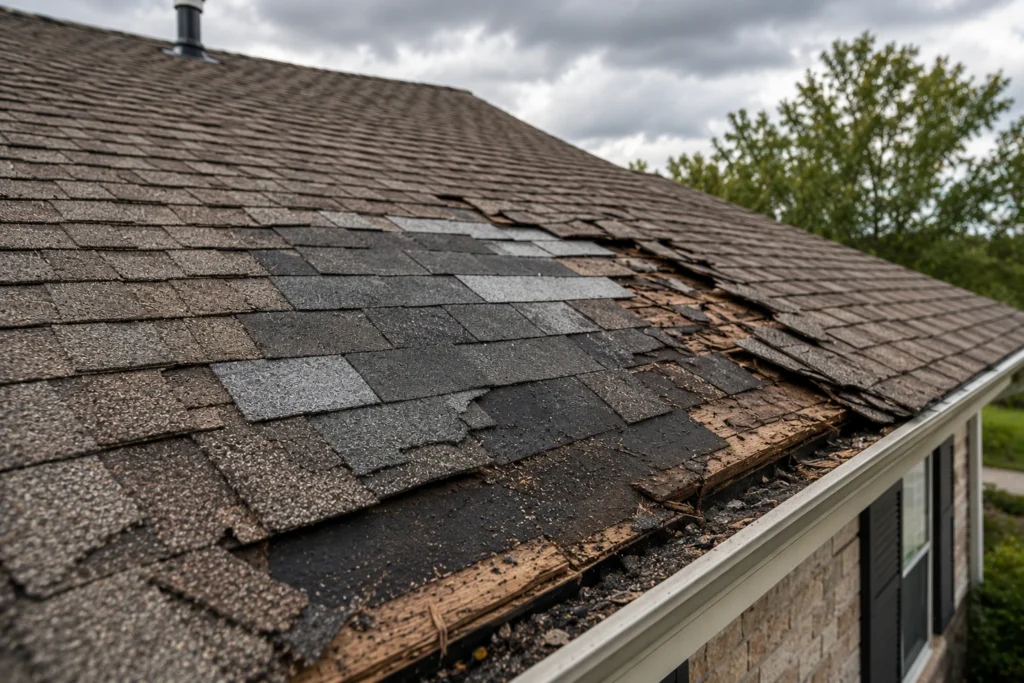
Roof Age and Its Impact on Insurance Coverage
Roof age influences almost every insurance claim. But older roofs are not automatically excluded from coverage.
Does Roof Age Automatically Disqualify Coverage?
No. A well-maintained older roof may still qualify for full replacement if storm damage is severe enough. Condition matters more than age alone.
Why Older Roofs Face More Scrutiny
As roofing materials age, they naturally develop:
- Granule loss
- Thermal cracking
- Brittleness
- Seal deterioration
Insurance adjusters often investigate whether the storm directly caused the damage or simply exposed pre-existing wear. That distinction affects payouts significantly.
Why Some Insurers Restrict Older Roof Coverage
Insurance companies have tightened roof coverage in recent years due to rising replacement costs. Some carriers now apply:
- ACV-only endorsements
- Roof schedules
- Reduced reimbursement percentages
Homeowners should review roof endorsements carefully before storm season arrives.
The Roof Replacement Insurance Claim Process
Understanding the process helps homeowners avoid costly mistakes.
Step One: Inspect the Roof Quickly
After severe weather:
- Take photos immediately
- Document visible damage
- Check ceilings for leaks
- Schedule professional inspections
Waiting too long can weaken claims.
Step Two: Contact the Insurance Company
When filing the claim:
- Describe the storm clearly
- Provide inspection findings
- Save all communication records
- Ask about claim timelines
Organization helps throughout the process.
Step Three: Meet the Insurance Adjuster
This inspection is critical. Many homeowners choose to have a roofing contractor or public adjuster present during inspections to help identify all damaged areas. Sometimes important damage gets overlooked. It happens more often than people think.
Step Four: Review the Insurance Estimate
Never assume the first estimate is complete. Carefully review:
- Roofing measurements
- Material quantities
- Ventilation items
- Flashing systems
- Underlayment
- Code upgrades
Missing line items can dramatically reduce claim payouts.
Step Five: Complete the Roof Replacement
After approval:
- Hire qualified contractors
- Keep invoices organized
- Submit completion documents
- Recover withheld depreciation when applicable
Final payments are often released after work is completed.
Common Roof Replacement Costs Insurance May Cover
Roofing systems involve far more than shingles alone. Insurance estimates may include several related components.
Materials and Labor
| Roofing Component | Possible Coverage |
|---|---|
| Shingles | Yes |
| Underlayment | Yes |
| Flashing | Yes |
| Ridge caps | Yes |
| Ventilation | Often |
| Drip edge | Often |
| Labor costs | Yes |
Additional Covered Items
Depending on the claim, insurance may also cover:
- Interior water damage
- Temporary tarping
- Debris removal
- Gutters
- Fence staining caused by runoff
Each policy differs, but comprehensive claims often extend beyond surface roofing materials.
Code Upgrade Coverage
Ordinance and law coverage can become extremely important during large claims. This coverage may help pay for:
- Deck renailing
- Ventilation upgrades
- Ice barriers
- Flashing improvements
Without proper endorsements, homeowners may absorb certain upgrade costs themselves. Different roofing materials also react differently under stress because of structural characteristics tied to Anisotropy, which influences how cracks and fractures spread after impact events like hailstorms.
Signs You May Need a Full Roof Replacement Instead of Repairs
Some warning signs should never be ignored.
Visible Exterior Warning Signs
Look for:
- Large missing shingle areas
- Widespread hail impacts
- Curling shingles
- Sagging rooflines
- Heavy granule loss
Damage across multiple slopes often signals broader system failure.
Interior Signs of Serious Roof Damage
Inside the home, warning signs include:
- Ceiling stains
- Mold growth
- Peeling paint
- Wet insulation
- Attic moisture
Water intrusion can spread silently for months before becoming visible.
Hidden Problems That Become Expensive Later
Minor leaks rarely stay minor. Untreated roof damage can lead to:
- Deck rot
- Structural weakening
- Mold remediation
- Insulation replacement
Early inspections often prevent larger repair costs later.
How Public Adjusters Help With Roof Replacement Claims
Some roof claims become complicated quickly. Especially after severe storms.
What a Public Adjuster Does
Public adjusters work on behalf of homeowners during the insurance process. They assist with:
- Policy analysis
- Damage documentation
- Scope review
- Claim negotiation
- Supplemental estimates
Their role is to help ensure losses are properly evaluated.
Situations Where Homeowners Often Seek Help
Public adjusters are commonly involved when:
- Claims are denied
- Settlements appear too low
- Damage is extensive
- Commercial roofing systems are involved
- Insurers dispute replacement necessity
Not every claim requires outside representation, but larger claims often benefit from professional review.
Benefits of Professional Claim Support
Experienced claim professionals frequently identify:
- Missing estimate items
- Hidden storm damage
- Code-related costs
- Improper depreciation calculations
Better documentation often leads to stronger claim negotiations.
Mistakes Homeowners Should Avoid During Roof Claims
Mistakes during the claim process can become expensive. Very expensive.
Waiting Too Long to File
Storm evidence becomes harder to verify over time. Delayed claims often trigger disputes.
Accepting the First Estimate Without Review
Initial estimates are not always complete. Supplemental requests are common in roofing claims.
Ignoring Interior Damage
Roof claims may involve:
- Drywall damage
- Flooring damage
- Insulation replacement
- Attic repairs
Document every affected area carefully.
Hiring Unqualified Contractors
Storm-chasing contractors frequently appear after major weather events. Verify licensing, insurance, and references before signing agreements.
Failing to Document Damage Properly
Photos, inspection reports, weather records, and communication logs can significantly strengthen claims. Good documentation changes outcomes.
Final Thoughts
So, will insurance pay for a full roof replacement? In many situations, yes. Insurance companies may approve complete roof replacement when storm damage is widespread, repairs are impractical, materials cannot be matched, or local code upgrades increase repair complexity. But successful claims rarely happen automatically. Homeowners who move quickly, document thoroughly, review estimates carefully, and understand their policy coverage are usually in a stronger position throughout the process. A roof protects everything beneath it. That makes understanding the insurance claim process one of the smartest investments a homeowner can make after severe weather strikes.
FAQs
Yes, insurance may pay for a full roof replacement if hail damage is widespread and repairs are no longer practical or safe.
Older roofs can still qualify for coverage, but insurers may reduce payouts based on depreciation or policy limitations.
Yes, claims may be denied if the damage is linked to wear and tear, poor maintenance, or insufficient documentation.
Most roof claims take a few weeks to several months depending on inspection schedules, claim complexity, and repair timelines.
Insurance policies often cover hail, wind, fire, fallen trees, and sudden storm-related roof damage.
Insurance may cover roof leaks if they were caused by a covered event such as a storm or accidental damage.
Yes, homeowners usually have the right to select their preferred roofing contractor for repairs or replacement work.
Homeowners can request a supplemental claim review and provide additional documentation or contractor estimates.
Filing claims may affect future premiums depending on claim frequency, location, and the insurer’s underwriting guidelines.
A public adjuster may help if the claim is denied, underpaid, or involves extensive storm damage and complex negotiations.