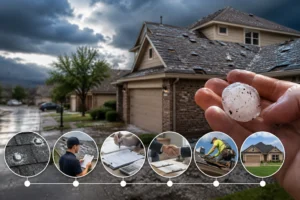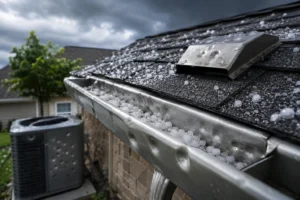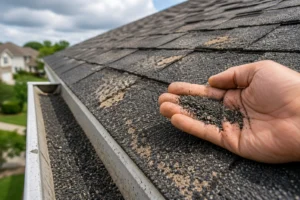

Roof damage rarely improves with time. In fact, one of the biggest mistakes homeowners make after a storm is waiting too long to act. When people ask what happens if you delay a roof claim, the answer usually involves larger repairs, harder insurance negotiations, and rising out-of-pocket costs. A small leak can quietly spread through insulation, drywall, and attic spaces long before major signs appear inside the home. At the same time, delayed claims often face stricter scrutiny from insurance companies because storm evidence becomes harder to verify over time. That is why fast inspections, strong documentation, and prompt claim reporting matter so much after hail or wind damage in Texas.
Understanding Roof Insurance Claims
A roof insurance claim helps homeowners recover financially after covered storm damage affects the roofing system. Most policies typically cover sudden damage caused by:
- Hailstorms
- Windstorms
- Falling debris
- Heavy rain connected to roof failure
- Tornado-related damage
The process usually involves several stages.
| Step | Purpose |
|---|---|
| Roof Inspection | Identify and document damage |
| Claim Reporting | Notify insurance company |
| Adjuster Inspection | Carrier evaluates roof condition |
| Estimate Review | Scope and pricing are reviewed |
| Settlement | Payment is issued |
| Repairs | Roofing work begins |
Problems often begin when homeowners delay the first step. And unfortunately, delays are common.
Why Homeowners Delay Roof Claims
Many homeowners assume the roof can wait. Some worry about premium increases. Others think the damage looks minor. Some simply become overwhelmed after severe storms and postpone inspections. But roofing systems are constantly exposed to weather. That matters. Common reasons homeowners delay filing include:
- Unsure whether the damage is serious
- Waiting for additional contractor opinions
- Temporary leaks appear manageable
- Fear of dealing with insurance paperwork
- Busy schedules after storms
- Believing repairs can wait until later
After major Texas hailstorms, contractor shortages and insurance backlogs can also contribute to delays. Still, waiting creates risk.
What Happens If You Delay a Roof Claim
When homeowners ask what happens if you delay a roof claim, they are usually thinking about insurance deadlines alone. But the roof itself changes over time too. Damage spreads.
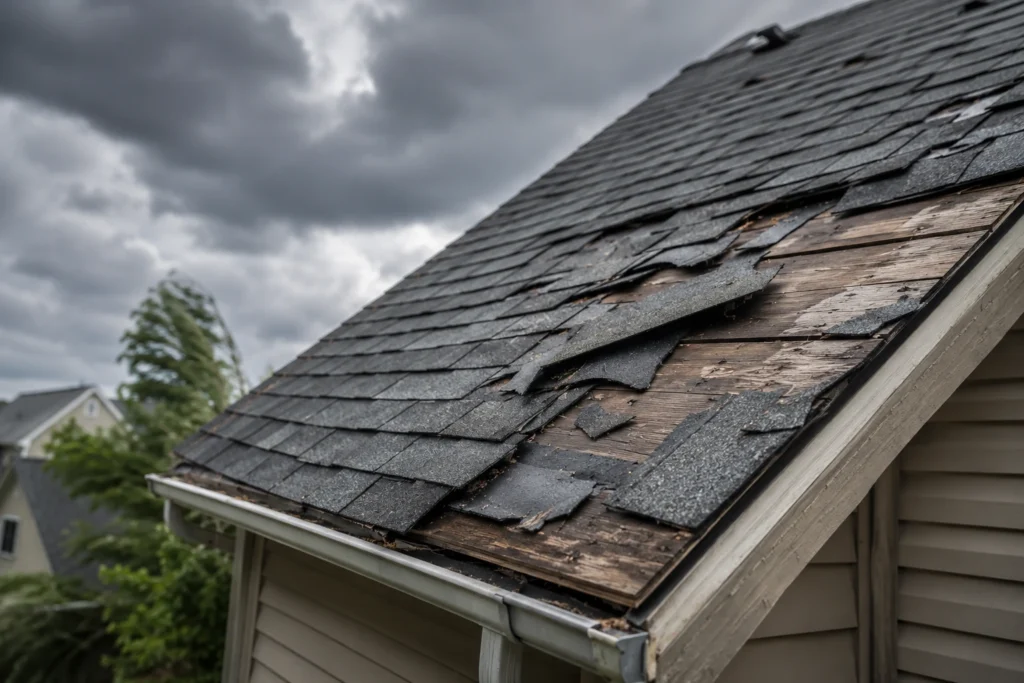
Small Problems Become Expensive Repairs
A few damaged shingles may not look alarming at first. Weeks later, water intrusion can begin affecting the structure beneath the roofing system.
That can lead to:
- Roof decking deterioration
- Wet attic insulation
- Ceiling stains
- Interior wall damage
- Mold growth
- Electrical hazards
Minor storm damage can evolve into a major restoration project surprisingly fast. Especially in Texas heat and humidity.
Interior Damage Often Expands Quickly
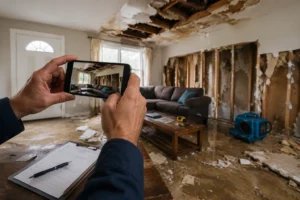
Water rarely stays in one place. Once moisture enters the attic or wall cavities, it can spread silently for weeks before homeowners notice obvious signs inside the home. By the time visible staining appears, deeper damage may already exist. Here is how delayed roof damage can escalate:
| Delayed Issue | Possible Result |
|---|---|
| Small roof leak | Interior drywall damage |
| Wet insulation | Reduced energy efficiency |
| Moisture buildup | Mold growth |
| Damaged decking | Structural weakening |
| Long-term exposure | Expensive repairs |
Texas weather accelerates many of these problems because repeated storms continue stressing already damaged roofing materials.
Insurance Companies May Question the Cause of Damage
This is one of the biggest problems tied to delayed roof claims. Insurance companies investigate timelines carefully. If a homeowner waits months before reporting damage, the carrier may question whether the original storm actually caused the condition being claimed. That creates complications.
Storm Evidence Becomes Harder to Verify
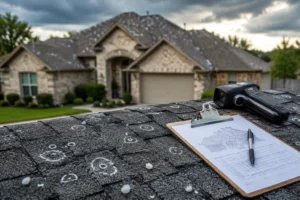
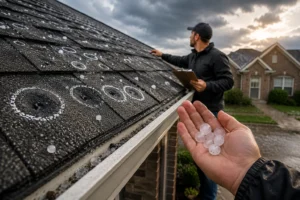
Fresh hail and wind damage are easier to identify during early inspections. Roofing professionals can often clearly spot:
- Hail bruising
- Granule displacement
- Wind creases
- Lifted shingles
- Fresh impact marks
Over time, exposure to sunlight, debris, oxidation, and material wear patterns similar to Tribology processes can make storm damage harder to distinguish from aging. That weakens the claim.
Documentation Problems Increase
Delayed claims often suffer from missing records. Homeowners may no longer have:
- Immediate roof photos
- Storm dates
- Inspection reports
- Emergency repair invoices
- Interior damage timelines
Without organized evidence, insurance disputes become more likely.
Your Roof Claim Could Be Partially Denied
Many homeowners assume any roof damage automatically guarantees full coverage. That is not always how insurance works. When delays occur, carriers may approve only portions of the claim while denying secondary damages that developed afterward. Examples include:
- Roof approved but interior repairs denied
- Partial repairs approved instead of replacement
- Mold remediation excluded
- Water mitigation costs denied
Why? Because most policies require homeowners to prevent additional damage whenever reasonably possible.
Neglect Clauses Can Affect Coverage
Insurance policies often contain language requiring homeowners to protect the property after storm damage occurs. If a roof leak continues for months without mitigation efforts, the carrier may argue neglect contributed to worsening conditions. That can reduce settlement amounts significantly.
Texas Roof Claim Deadlines Matter
Every insurance policy contains reporting requirements. Some homeowners mistakenly believe they can wait indefinitely as long as the roof damage still exists. That assumption can become dangerous.
Waiting Too Long Creates Multiple Problems
Even before official filing deadlines expire, delays can weaken claims because:
- Storm evidence fades
- Roof materials continue deteriorating
- Additional storms complicate timelines
- Inspection clarity decreases
Texas weather patterns create overlapping storm events throughout the year. A roof damaged during spring hail season may experience additional wind or rain damage months later. That complicates claim investigations.
Review the Insurance Policy Carefully
Homeowners should understand:
- Reporting deadlines
- Mitigation obligations
- Documentation requirements
- Coverage exclusions
Too many people wait until leaks worsen before reading their policy details. By then, problems may already be more difficult to resolve.
Hidden Roof Damage Gets Harder to Prove Over Time
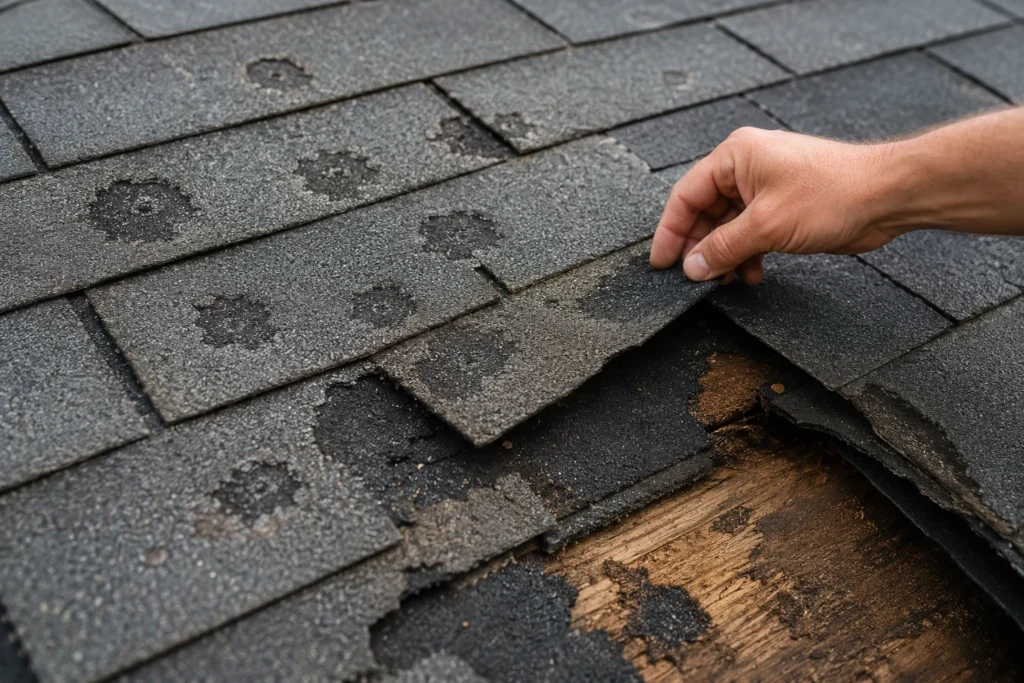
Not all storm damage is immediately visible from the ground. Some of the most serious roofing problems remain hidden beneath the surface for weeks or months.
Hail Damage
Hail can fracture shingles internally without creating dramatic visible holes. Common hidden hail damage includes:
- Granule loss
- Asphalt bruising
- Cracked tile edges
- Fractured seal strips
- Coating damage on metal roofing
Over time, these weakened areas become vulnerable to moisture intrusion.
Wind Damage
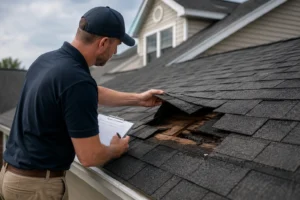
Wind may loosen shingles without completely tearing them away. Broken seal strips often allow future storms to lift roofing materials more aggressively. Leaks may not appear until much later.
Moisture Damage Beneath the Roof
By the time homeowners notice visible ceiling stains, moisture may already exist behind walls or inside attic spaces. Mold growth can begin surprisingly fast under the right conditions, especially when insulation materials experience prolonged Hygroscopy from trapped humidity and water intrusion.
Hidden moisture can affect:
- Roof decking
- Rafters
- Insulation
- Ventilation systems
- Fasteners
And much of it develops quietly.
Delayed Claims Often Increase Repair Costs
Roofing prices rarely stay flat for long. Material costs rise. Labor shortages affect availability. Emergency repairs become more expensive after large storm seasons. Waiting often increases total restoration costs.
Roofing Inflation Adds Up Quickly
| Cost Factor | Financial Impact |
|---|---|
| Material price increases | Higher replacement costs |
| Labor shortages | Delayed scheduling |
| Temporary repairs | Added expenses |
| Interior damage spread | Larger restoration scope |
Temporary fixes also create problems when left too long. A tarp installed for emergency protection is not designed to remain in place indefinitely. Patchwork repairs may hide deeper structural deterioration underneath the roof surface.
What Insurance Adjusters Look for in Delayed Claims
Insurance adjusters evaluate more than visible roof damage. They also examine timing, maintenance history, and claim consistency.
Common Red Flags in Delayed Roof Claims
Adjusters may look for:
- Multiple storm events after the reported date
- Signs of long-term deterioration
- Poor roof maintenance
- Previous repair attempts
- Inconsistent damage patterns
These factors do not automatically result in denial. But they often increase scrutiny.
Strong Documentation Strengthens Older Claims
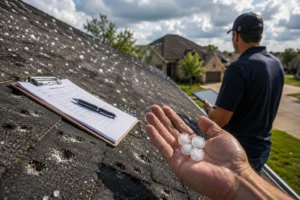
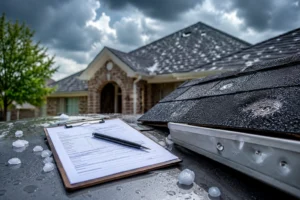
Organized records can make a major difference during delayed roof claims. Helpful documentation includes:
- Timestamped roof photos
- Contractor inspection reports
- Weather data
- Leak timelines
- Emergency repair receipts
The stronger the evidence, the easier it becomes to support the claim timeline.
What Homeowners Should Do Immediately After Roof Damage
Fast action protects both the roof and the insurance claim. That is the most important takeaway when discussing what happens if you delay a roof claim.
Schedule a Professional Roof Inspection
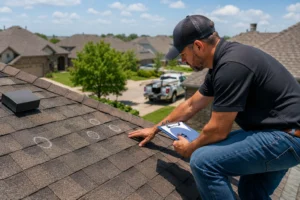
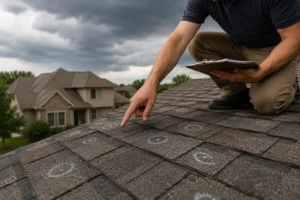
Professional inspections help identify hidden storm damage before leaks worsen. Roofing professionals can often detect:
- Hail bruising
- Wind-lifted shingles
- Flashing separation
- Soft decking
- Ventilation damage
Small problems identified early are usually easier to manage.
Document Everything
Photos matter. Take pictures of:
- Roof surfaces
- Gutters
- Ceiling stains
- Attic moisture
- Temporary repairs
- Exterior property damage
Keep records organized from the beginning.
Prevent Additional Damage
Insurance carriers expect homeowners to protect the property after storm damage occurs. Temporary mitigation may include:
- Roof tarping
- Water extraction
- Debris removal
- Emergency drying
Waiting while damage spreads can create major claim disputes later.
Contact the Insurance Company Promptly
Early reporting creates a clearer claim timeline and preserves important storm evidence. Save every communication related to the claim, including:
- Emails
- Claim numbers
- Inspection notes
- Estimate revisions
- Repair invoices
Those records become extremely valuable if disagreements arise later.
When a Public Adjuster May Help
Some delayed roof claims become far more complicated than homeowners expect. Especially when disputes begin over timing, causation, or repair scope.
Signs the Claim Has Become Complicated
Homeowners may need additional support if:
- The claim is partially denied
- The estimate appears too low
- Interior damage is excluded
- Multiple inspections produce conflicting opinions
- Delays created documentation challenges
How Public Adjusters Help With Delayed Claims
Public adjusters often assist homeowners by:
- Reviewing documentation
- Comparing repair scopes
- Evaluating estimates
- Organizing evidence
- Negotiating with carriers
Texas storm claims can become technical quickly. Experienced professionals understand how to structure supporting documentation effectively.
Mistakes Homeowners Should Avoid
Several homeowner mistakes appear repeatedly during delayed roof claims. Avoiding them can protect both the property and the insurance settlement.
Waiting Until Leaks Become Severe
Small leaks rarely remain small for long.
Ignoring Ceiling Stains
Even minor discoloration may indicate deeper attic moisture problems.
Throwing Away Damaged Roofing Materials
Damaged shingles or flashing may later support claim evidence.
Accepting the First Estimate Without Review
Not every estimate includes the full scope of storm damage. Review carefully.
Failing to Keep Documentation
Strong records often become the deciding factor during disputed claims.
Conclusion
So, what happens if you delay a roof claim? Usually, repair costs increase while insurance complications grow. Storm evidence becomes harder to prove. Interior damage spreads. Roofing materials continue deteriorating. And insurance carriers may question whether the damage came from the original storm event at all. That is why acting quickly matters so much after hail or wind damage in Texas. Inspect the roof early. Document everything. Prevent further damage. Report the claim promptly. Because protecting the roof is only part of the battle. protecting the claim matters too.
FAQs
You should report roof damage as soon as possible after discovering it. Waiting too long can complicate inspections and weaken supporting evidence.
Yes, delayed reporting can lead to partial or full denial if the insurance company believes the damage worsened over time or cannot verify the original cause.
Additional interior damage may develop, including mold, drywall damage, and insulation issues. Insurance carriers may not fully cover damage caused by delayed action.
Prompt reporting usually helps because fresh storm damage is easier to inspect and document accurately.
Yes, additional storms can make it harder to determine which event caused the damage, especially if the claim was delayed for several months.
A professional roof inspection can help identify hidden storm damage and provide documentation that supports the claim process.
No, temporary repairs are often encouraged to prevent further damage. Just keep receipts and photos of all mitigation work.
Save inspection reports, photos, repair invoices, weather reports, emails, and all communication related to the damage and claim.
Yes, hail damage may weaken roofing materials over time, leading to leaks or visible deterioration long after the original storm.
You may want professional assistance if the claim becomes disputed, partially denied, underpaid, or difficult to document after delays.