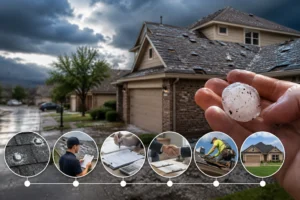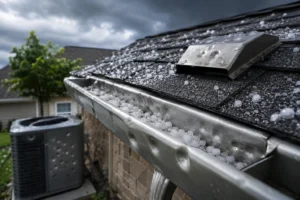

Yes and many Texas homeowners eventually need to. A hail claim may appear finished at first. Then the leaks start. Contractors uncover hidden roof damage. Repair costs climb far beyond the original estimate. Suddenly, homeowners begin asking an important question: can you reopen a hail damage insurance claim? In many situations, the answer is yes. The process depends on timing, documentation, policy language, and the strength of the new evidence. Some claims reopen smoothly. Others become complicated fast. That is why understanding how reopened hail claims work can make a major difference before problems escalate.
Understanding What It Means to Reopen a Hail Damage Insurance Claim
Many homeowners assume reopening a claim means starting completely over. Not necessarily. A reopened hail claim usually means the insurance company reviews the original storm damage file again because additional damage, repair costs, or evidence has appeared after the initial inspection. That can happen for several reasons. Sometimes contractors discover hidden roofing issues during repairs. Sometimes leaks develop later. In other situations, homeowners realize important components were omitted from the original estimate entirely. There is also confusion between reopened claims and supplemental claims. They are related. But not identical.
| Claim Type | Meaning |
|---|---|
| Reopened Claim | The original hail claim gets reviewed again after closure |
| Supplemental Claim | Additional repair costs are requested during repairs |
| New Claim | A completely separate storm event with a new date of loss |
This distinction matters because insurance carriers may handle each situation differently. The stronger the documentation, the easier the process usually becomes.
Common Reasons Homeowners Reopen Hail Damage Claims
Most reopened claims happen because the original scope of damage was incomplete. That is extremely common after severe Texas hailstorms. High claim volume creates fast inspections. Fast inspections sometimes miss important details.
Hidden Roof Damage Appears Later
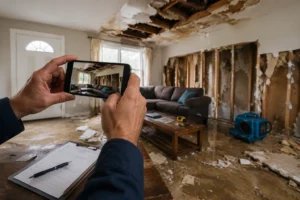
Not all hail damage becomes obvious immediately. Some roofing systems continue deteriorating over time after impacts weaken shingles, flashing, or underlayment components. Homeowners often notice:
- Ceiling stains
- Attic moisture
- Slow leaks
- Mold growth
- Soft decking areas
In some roofing systems, moisture intrusion can eventually contribute to material Delamination, especially after repeated weather exposure. At that point, homeowners often revisit the original question: can you reopen a hail damage insurance claim after leaks appear months later? In many cases, yes. But proving the damage ties directly to the original storm becomes critically important.
The Original Estimate Was Incomplete
Some carrier estimates miss substantial roofing components. Especially after widespread storm events. Commonly omitted items include:
- Flashing replacement
- Ridge vents
- Drip edge
- Starter shingles
- Underlayment
- Gutters
- Interior repairs
- Code-required upgrades
Those missing items create serious pricing gaps once repairs begin.
Additional Damage Gets Discovered During Repairs
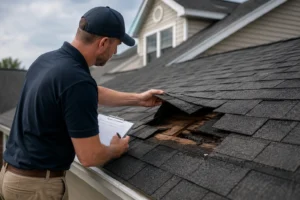
Roof tear-offs reveal damage surface inspections cannot always detect. Contractors may uncover:
- Rotten decking
- Moisture intrusion
- Ventilation problems
- Structural movement
- Fastener failures
Repair costs rise quickly when those conditions appear. That is where supplemental requests often become necessary.
Contractors Disagree With the Insurance Estimate
This happens constantly in Texas hail claims. Insurance adjusters may recommend spot repairs while roofing contractors recommend full replacement. The disagreement usually centers around repairability, material matching, or hidden system damage. That alone sometimes leads homeowners to reopen a hail damage insurance claim for further review.
How Long Do You Have to Reopen a Hail Damage Insurance Claim?
Timing matters enormously. And many homeowners wait too long. Insurance policies contain deadlines tied to supplemental requests and storm-related losses. Some allow extended reporting periods. Others contain stricter timelines. The longer the delay, the more difficult reopening the claim often becomes. Why? Because evidence changes over time. Roof conditions deteriorate. Weather exposure continues. Repairs alter the property condition. Insurance companies may argue the damage worsened due to unrelated causes or lack of mitigation. That does not automatically prevent reopening the claim. But it creates more challenges. Fast action helps preserve leverage. Especially after major Texas hailstorms.
Signs Your Original Hail Claim May Need Reopening
Some warning signs deserve immediate attention.
Interior Water Damage Appears Later
Water stains often indicate unresolved roof system damage. Even small stains matter.
Roof Leaks During Rainstorms
Leaks rarely resolve themselves. Minor hail impacts can gradually evolve into larger roofing failures over time.
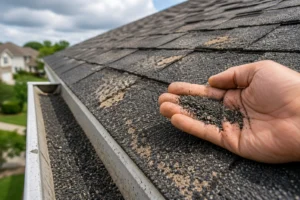
Granule Loss and Shingle Breakdown
Asphalt shingles may continue weakening after hail impacts compromise their protective surface.
Repair Costs Dramatically Increase
If contractor pricing greatly exceeds the original estimate, supplemental review may become necessary.
Contractors Identify Missing Roofing Components
Experienced contractors frequently discover omitted line items during repair preparation. Especially during full roof replacements.
The Difference Between Supplemental Claims and Reopened Claims
These terms overlap frequently. But they involve different situations. A supplemental claim usually addresses additional repair costs tied directly to ongoing work. Examples include:
| Supplemental Item | Why It Matters |
|---|---|
| Deck replacement | Hidden damage discovered during tear-off |
| Flashing upgrades | Existing materials fail current standards |
| Ventilation corrections | Improper airflow systems require repair |
| Drip edge installation | Current code requirements |
| Additional labor costs | Scope increases during repairs |
A reopened claim may involve broader re-evaluation of the original storm damage itself. Especially if major overlooked damage appears later. Both situations depend heavily on documentation.
Can Insurance Companies Deny a Reopened Hail Claim?
Absolutely. Not every reopened hail claim gets approved. Insurance carriers commonly deny reopened claims for reasons such as:
- Late reporting
- Insufficient evidence
- Wear and tear arguments
- Maintenance-related deterioration
- Prior roof damage
- Lack of storm causation evidence
This is why documentation becomes everything. Strong evidence matters more than frustration. The most successful reopened claims usually include:
- Professional inspections
- Contractor estimates
- Updated photographs
- Storm-date verification
- Repair invoices
- Communication records
Organization changes outcomes.
What Documentation Helps Reopen a Hail Damage Claim?
This is where strong claims separate themselves from weak ones. Detailed evidence creates credibility.
Professional Roof Inspections
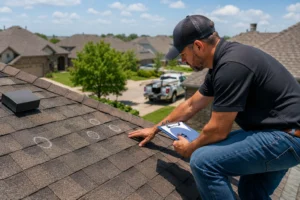
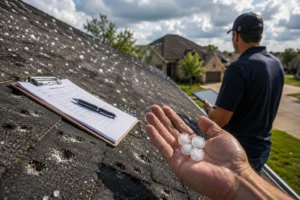
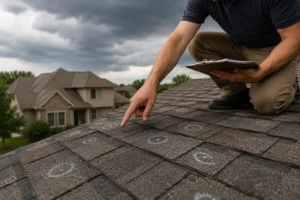
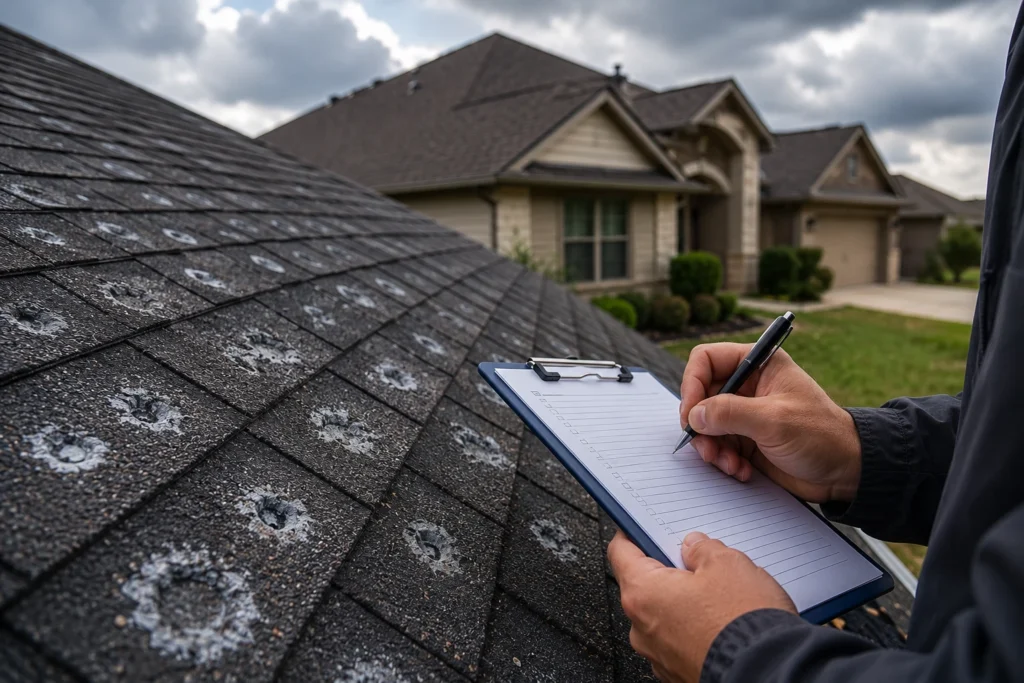
Updated roofing inspections help establish whether the damage relates to the original hail event. Detailed findings matter. Especially when hidden moisture or structural issues appear later.
Photos and Videos
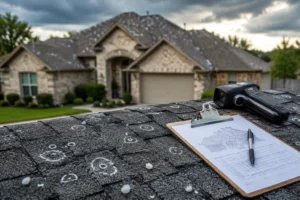
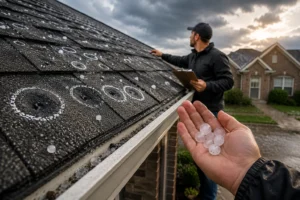
Visual documentation is incredibly valuable. Take both wide-angle and close-up photos showing:
- Shingle impacts
- Metal dents
- Flashing damage
- Ceiling stains
- Gutters
- Soft roofing areas
Large hail impacts can sometimes create subtle surface fractures or minor Spall conditions that are difficult to identify during fast-moving inspections. Visual timelines strengthen claims significantly.
Contractor Estimates
Detailed contractor scopes often identify items missing from original carrier estimates. Especially code-related upgrades.
Storm-Date Documentation
Weather reports and hail maps help confirm the storm timeline. That matters when claims reopen months later.
Communication Records
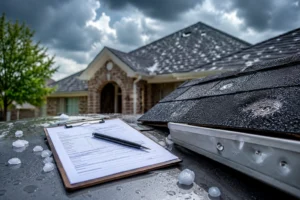
Save everything. Emails. Inspection appointments. Voicemails. Estimate revisions. Supplement requests. Claims often become documentation battles as much as inspection battles.
How to Reopen a Hail Damage Insurance Claim Successfully
There is no shortcut here. Strong reopened claims usually follow a structured process.
Review the Original Claim Carefully
Start with the original estimate. Understand exactly what was approved, denied, or omitted. Then compare it carefully against updated contractor findings.
Schedule a Professional Inspection
Do not rely on assumptions. Get updated roof evaluations if new leaks, deterioration, or repair issues appear.
Gather New Supporting Evidence
This may include:
- Updated photographs
- Moisture readings
- Repair invoices
- Contractor supplements
- Interior damage documentation
- Engineering evaluations
The more specific the evidence, the stronger the claim usually becomes.
Submit a Detailed Supplemental Request
Specificity matters enormously. General complaints rarely move claims forward. Detailed documentation tied directly to repair requirements works far better.
Stay Organized During Communication
Track:
- Claim numbers
- Inspection dates
- Emails
- Adjuster conversations
- Payment updates
- Supplement submissions
Clean organization prevents confusion later.
Why Hail Damage Often Gets Missed the First Time
Texas hailstorms generate massive claim volume. Adjusters move quickly. That environment sometimes leads to incomplete inspections. Particularly when hidden roof system damage exists beneath the surface. Commonly overlooked issues include:
- Flashing separation
- Underlayment damage
- Ventilation deficiencies
- Soft metal impacts
- Moisture intrusion
- Decking weakness
Some roofing systems conceal damage surprisingly well immediately after storms. Especially older layered systems. That is one reason homeowners frequently revisit the question: can you reopen a hail damage insurance claim after new damage appears later?
Texas Roofing Issues That Commonly Trigger Reopened Claims
Texas roofs face extreme conditions. Heat. UV exposure. Wind. Severe hail. Sudden temperature swings. That combination creates complicated repair environments after storms.
Code Compliance Upgrades
Older roofs often fail to meet current building requirements during replacement. Common upgrade issues include:
| Code-Related Issue | Why It Triggers Supplements |
|---|---|
| Deck renailing | Wind-resistance requirements |
| Drip edge installation | Current edge protection standards |
| Ventilation corrections | Improper airflow systems |
| Flashing upgrades | Older flashing no longer compliant |
| Underlayment requirements | Enhanced protection standards |
These costs frequently emerge after repairs begin.
Matching Roofing Materials
Discontinued shingles create serious repair complications. Partial repairs may become impossible when replacement materials no longer match existing roofing systems.
Hidden Underlayment Damage
Water intrusion beneath roofing materials may remain invisible until tear-off begins. Then repair costs increase rapidly.
Should You Hire a Public Adjuster to Reopen a Hail Claim?
Sometimes professional guidance becomes valuable. Especially during complicated disputes. Public adjusters typically assist homeowners with:
- Documentation organization
- Policy interpretation
- Scope review
- Supplemental negotiations
- Estimate comparisons
- Claim communication
That support can become particularly useful when:
- Large payment differences exist
- Supplements get denied
- Multiple inspections disagree
- Delays continue
- Hidden damage keeps appearing
Complicated Texas hail claims often involve far more documentation than homeowners initially expect.
Mistakes Homeowners Should Avoid
Certain mistakes weaken reopened claims quickly.
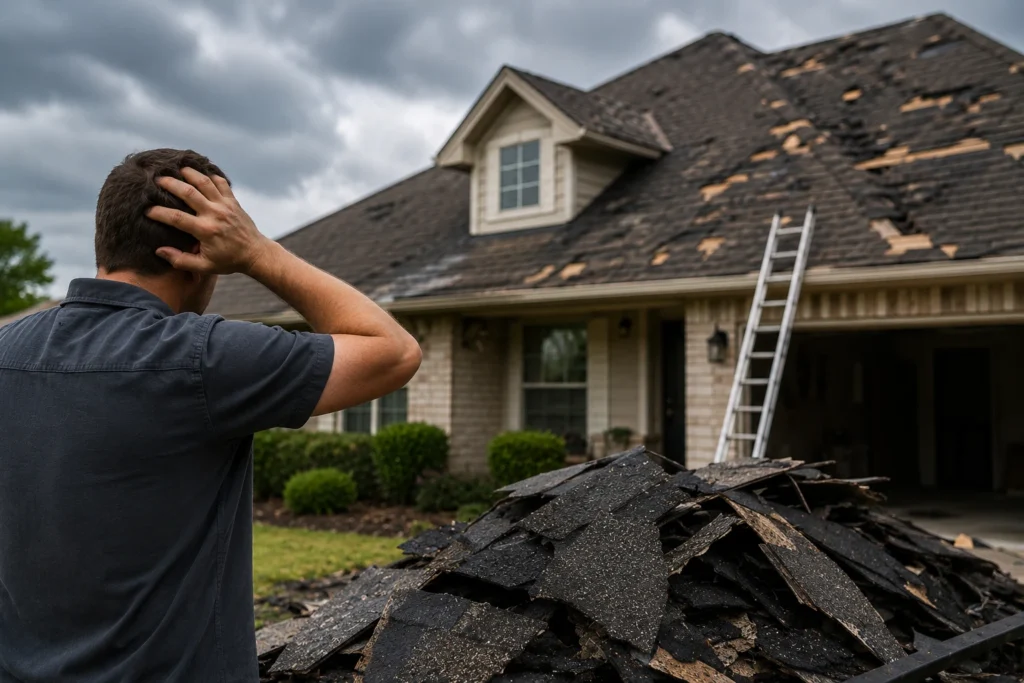
Waiting Too Long
Delays make storm causation harder to prove. Fast action preserves evidence.
Throwing Away Damaged Roofing Materials
Preserve damaged materials whenever possible until inspections conclude.
Starting Repairs Without Documentation
Emergency mitigation matters. But major repairs should still be documented carefully beforehand.
Accepting Incomplete Estimates Too Quickly
Review estimate line items carefully. Missing roofing components happen often after major storms.
Failing to Save Communication Records
Organized communication history becomes extremely valuable during disputes. Save everything. Seriously.
What Happens After a Hail Claim Gets Reopened?
The process usually involves several stages.
Reinspection
Insurance carriers often schedule another property inspection. Sometimes multiple inspections occur.
Supplemental Review
Updated contractor documentation gets evaluated carefully. This may include pricing analysis and scope review.
Estimate Revisions
Additional payments may be issued if the carrier approves new damage or repair requirements.
Negotiation
Disagreements sometimes continue regarding repair methods, pricing, or storm causation. This stage can take time.
Final Resolution
Outcomes generally include:
- Full approval
- Partial approval
- Denial
- Additional investigation requests
Every claim develops differently.
Final Thoughts
So, can you reopen a hail damage insurance claim? In many cases, yes. Especially when hidden damage appears later, contractors uncover missing roofing components, or repair costs rise beyond the original estimate. But success usually depends on preparation. The homeowners who navigate reopened hail claims most effectively are typically the ones who act quickly, stay organized, document thoroughly, and communicate clearly throughout the process. That preparation creates leverage. And leverage matters enormously when storm claims become complicated. If leaks appear, supplements get denied, or roofing contractors discover major hidden issues, do not assume the claim is automatically over. Review the file carefully. Gather updated evidence. Document everything. And approach the process strategically from the very beginning.
FAQs
Yes, many hail damage claims can be reopened if new damage, additional repair costs, or hidden issues are discovered later. Documentation is usually the key factor.
The timeline depends on your policy language and carrier requirements. Acting quickly helps preserve evidence and reduces claim disputes.
A supplemental claim requests additional repair costs tied to the original loss, while reopening a claim may involve broader re-evaluation of the damage after the file was closed.
Yes, delayed leaks may qualify if inspections show the damage connects to the original hailstorm. Strong inspection reports and photos help support the claim.
Premium changes usually depend more on regional storm losses and claim history rather than simply reopening a legitimate claim. Policies and carriers vary.
Helpful documentation includes contractor estimates, inspection reports, photos, weather records, invoices, and communication logs with the insurance company.
Yes, carriers may deny reopened claims if evidence is weak, reporting delays are significant, or the damage appears unrelated to the original storm event.
Absolutely. A detailed professional inspection often uncovers hidden roofing issues and provides updated documentation for supplemental requests.
Flashing damage, underlayment problems, ventilation deficiencies, decking deterioration, and soft metal impacts are commonly overlooked after large hailstorms.
Professional help may be valuable when supplements are denied, repair costs rise significantly, inspections disagree, or the claim becomes difficult to manage alone.