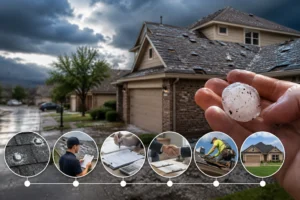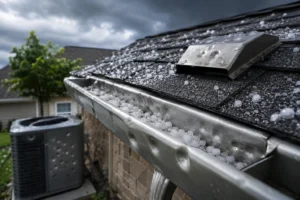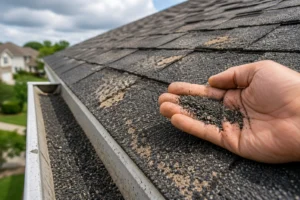

Hailstorms can leave homeowners staring at their roof wondering one thing: is this cosmetic vs functional hail damage? That distinction matters more than most people realize. Insurance companies often separate the two during claim evaluations, and the classification can dramatically affect whether repairs get approved, partially covered, or disputed. Some damage only affects appearance. Other damage compromises the roof’s ability to protect the property. Understanding cosmetic vs functional hail damage helps homeowners make smarter decisions after severe storms, avoid overlooked issues, and protect their insurance claim position before small roofing problems become expensive long-term repairs.
Understanding How Hail Damages a Roof
Hail hits hard. Even relatively small hailstones can damage roofing materials depending on wind speed, roof slope, material age, and storm intensity. Larger hail creates even more complicated impact patterns across the roof system. Different roofing materials respond differently to hail. Asphalt shingles may bruise or lose granules. Metal roofs may dent heavily without leaking. Tile roofs may crack in ways that remain hidden until moisture intrusion begins later. This is exactly why cosmetic vs functional hail damage becomes such a major issue during inspections. Some damage changes appearance only. Other damage weakens the roof itself.
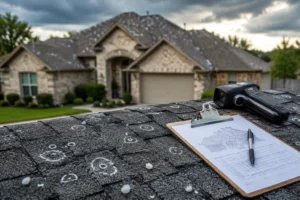
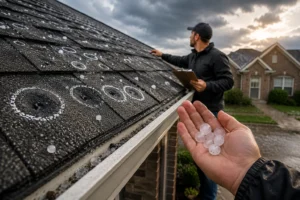
Common Signs of Hail Damage
Roof inspectors often look for:
- Bruised shingles
- Granule loss
- Circular impact marks
- Cracked tiles
- Dented flashing
- Damaged vents
- Punctures
- Soft spots
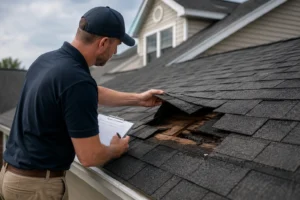
- Exposed underlayment
- Water intrusion signs
Some damage is obvious immediately. Some is not. And hidden hail damage causes far more problems than many homeowners expect.
What Is Cosmetic Hail Damage?
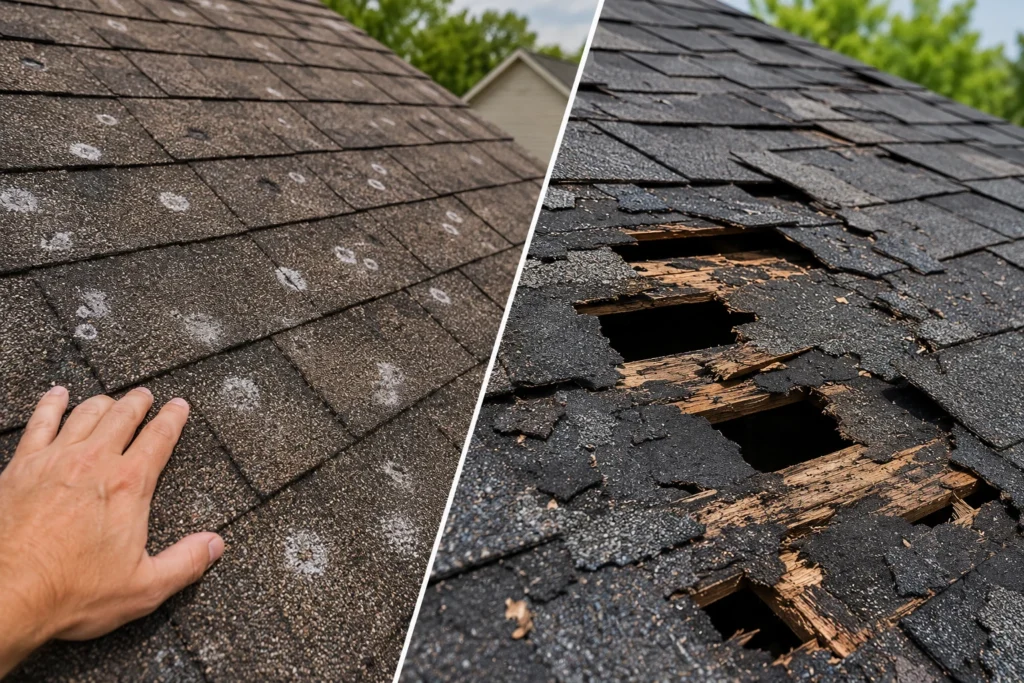
Cosmetic hail damage refers to visible storm damage that primarily affects the appearance of roofing materials without immediately reducing roof performance. The roof may still function normally. It may still prevent leaks. But visually, the roofing system no longer looks the same. This commonly happens on metal roofing systems after severe storms. A roof covered in dents may appear badly damaged from the ground, yet still remain structurally intact and watertight. That creates frustration. Homeowners see damage clearly. Insurance companies may classify it differently.
Examples of Cosmetic Hail Damage
| Cosmetic Damage Type | Description |
|---|---|
| Minor metal dents | Surface impacts without punctures |
| Light granule movement | Appearance changes without exposed substrate |
| Surface scuffs | Visible marks without leaks |
| Paint coating blemishes | Cosmetic finish damage only |
| Small impact marks | No immediate structural impairment |
While cosmetic damage may not immediately cause leaks, it can still affect:
- Property appearance
- Home resale value
- Neighborhood HOA concerns
- Future buyer negotiations
- Long-term roof aging
Those concerns are real. And many homeowners understandably dislike hearing that visible storm damage may not qualify for full replacement coverage.
Why Insurance Companies Often Limit Cosmetic Damage Coverage
Insurance policies frequently distinguish cosmetic vs functional hail damage because carriers focus heavily on whether the roof can still perform its intended function. That means one central question often drives the inspection: Does the damage impair the roof’s protective capability? If the answer is no, disputes often begin. Some policies now contain specific cosmetic damage exclusions, especially for metal roofs. Others require proof of functional impairment before approving major repairs or replacement. This creates gray areas. Two inspectors may evaluate the same roof and reach entirely different conclusions. One may see harmless dents. Another may argue the impacts accelerated deterioration or weakened protective coatings. These disagreements happen constantly after major Texas hailstorms.
What Is Functional Hail Damage?
Functional hail damage affects the roof’s ability to protect the structure from weather exposure and moisture intrusion. This type of damage compromises performance. And performance problems create risk. Leaks. Premature aging. Structural deterioration. Interior water damage. Once roofing materials lose their protective capability, problems often spread quickly across the system.
Common Examples of Functional Hail Damage
Functional hail damage often includes:
- Cracked shingles
- Torn membranes
- Broken tile systems
- Exposed fiberglass mat
- Punctured flashing
- Metal seam separation
- Water intrusion pathways
- Compromised seal strips
- Structural material fractures
These issues directly impact roofing performance. That distinction matters enormously during insurance evaluations because functional damage is far more likely to trigger coverage.
Cosmetic vs Functional Hail Damage: The Key Differences
The easiest way to understand cosmetic vs functional hail damage is to focus on one simple question: Has the roof lost its ability to properly protect the property? Here is a straightforward comparison.
| Cosmetic Hail Damage | Functional Hail Damage |
|---|---|
| Primarily visual | Impacts roof performance |
| Often aesthetic only | Creates leak risk |
| Surface-level impacts | Structural or waterproofing damage |
| Frequently disputed | More likely covered |
| May reduce curb appeal | May shorten roof lifespan |
| Usually no immediate leaks | Can allow water intrusion |
Simple in theory. Complicated in practice. Because roofing systems are not always easy to evaluate after severe hailstorms.
Why Functional Damage Is Sometimes Hidden
One of the biggest mistakes homeowners make is assuming that no visible leak means no serious damage exists. That assumption can become expensive. Some hail damage remains hidden beneath roofing materials long before interior problems appear. Shingles may fracture underneath the surface. Underlayment may weaken quietly. Metal seams may distort slightly while still appearing intact from ground level. Over time, weather exposure worsens these vulnerabilities. Moisture enters slowly. UV exposure weakens impacted materials further. Some advanced roofing evaluations become surprisingly technical. In certain engineering assessments, principles related to photoelasticity help experts understand how stress patterns form inside materials after high-impact hail events.
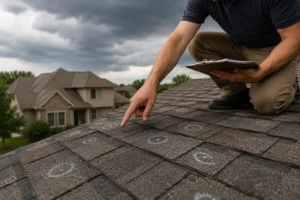
How Insurance Adjusters Evaluate Hail Damage
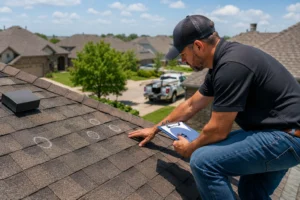
Most hail inspections follow a structured process. Adjusters commonly evaluate:
- Roofing material type
- Roof age
- Impact density
- Granule displacement
- Fractures
- Penetration evidence
- Soft metal damage
- Water intrusion indicators
- Repairability
Photos become extremely important during this process. Measurements matter too. And the adjuster’s interpretation heavily influences whether damage gets labeled cosmetic or functional.
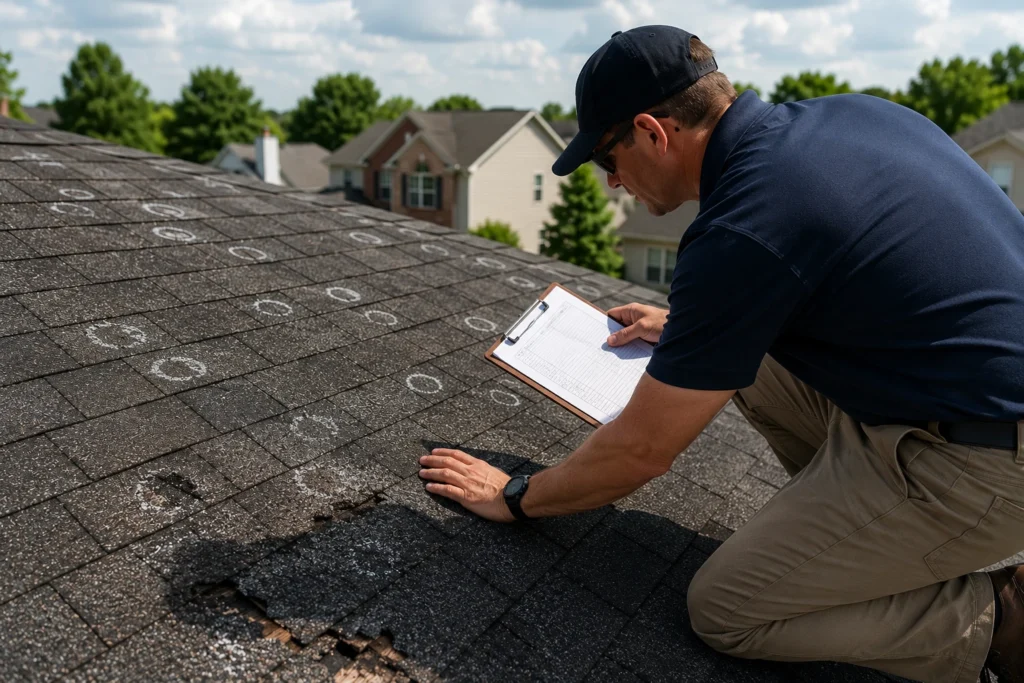
Areas Adjusters Commonly Inspect
| Roof Component | Why It Matters |
|---|---|
| Shingles | Bruising and fractures |
| Flashing | Leak vulnerability |
| Gutters | Storm impact confirmation |
| Roof vents | Soft metal damage indicators |
| Ridge caps | Wind and hail exposure |
| Valleys | Water concentration areas |
| Skylights | Seal failure risks |
Even experienced inspectors may disagree. That is where many claim disputes begin.
Why Homeowners Often Challenge Cosmetic Damage Determinations
Homeowners hear this phrase constantly: “It’s only cosmetic.” Sometimes that conclusion is accurate. Sometimes it is incomplete. The problem is that roofing materials do not always fail immediately after impact. Some damage evolves over time as materials continue expanding, contracting, and weathering under daily exposure. A roof that initially appears cosmetically damaged may later develop functional issues. That possibility creates conflict during claim evaluations.
Common Sources of Claim Disputes
- Incomplete inspections
- Conflicting contractor opinions
- Different engineering reports
- Missed roof elevations
- Repairability disagreements
- Policy interpretation disputes
- Matching concerns
This is why thorough documentation matters so much after hailstorms.
Why Documentation Strengthens Hail Claims
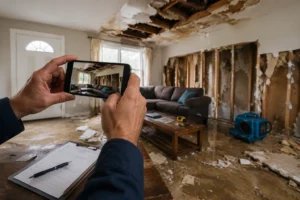
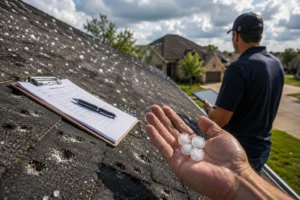
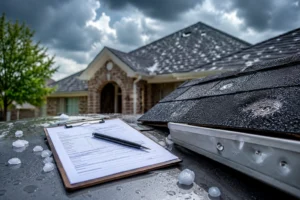
Strong documentation helps protect homeowners during claim negotiations. Weak documentation weakens claims quickly. After severe hailstorms, homeowners should begin collecting evidence immediately. Helpful documentation often includes:
- Date-stamped roof photos
- Close-up impact images
- Wide-angle roof shots
- Weather reports
- Contractor inspection findings
- Repair estimates
- Interior leak photos
- Communication timelines
The earlier evidence gets collected, the better. Because roofing conditions change quickly after storms. Especially in Texas heat and humidity.
Roofing Materials React Differently to Hail
Another reason cosmetic vs functional hail damage becomes complicated is that every roofing material responds differently to storm impacts.
Asphalt Shingles
Asphalt shingles commonly experience:
- Bruising
- Granule loss
- Seal strip separation
- Fiberglass fractures
Some damage may not become visible immediately.
Metal Roofs
Metal roofing creates major cosmetic disputes. Dents may look severe visually while remaining watertight structurally. However, some impacts weaken protective coatings or distort seams enough to create future performance concerns.
Tile Roofs
Tile roofs crack unpredictably. Small fractures may allow moisture intrusion beneath the surface while remaining difficult to detect from the ground.
Flat Roofing Systems
Flat roofs often experience:
- Membrane punctures
- Seam stress
- Drainage disruption
- Blistering
These systems require careful inspection after hailstorms because water pooling can accelerate deterioration rapidly.
Why Cosmetic Damage Can Become More Serious Over Time
A roof does not need to leak immediately to become a long-term problem. This is important. Repeated weather exposure slowly worsens impacted materials. Thermal expansion increases fractures. Moisture finds weak points. UV exposure accelerates deterioration. In some cases, concepts related to Tribology help explain how repeated surface wear and friction gradually weaken roofing materials after severe hail impacts. That does not automatically mean every cosmetic damage claim deserves full replacement coverage. But it does explain why some homeowners strongly challenge cosmetic-only conclusions after major storms.
When Public Adjusters Become Valuable
Some hail claims remain straightforward. Others become complicated quickly. Especially when cosmetic vs functional hail damage becomes heavily disputed. Public adjusters help homeowners evaluate policy language, organize documentation, review repair scopes, and negotiate disagreements with carriers. That support can become extremely valuable in complicated hail claims.
Public Adjusters Often Help By:
- Reviewing inspection reports
- Identifying overlooked damage
- Organizing evidence
- Challenging incomplete scopes
- Supporting reinspection requests
- Clarifying policy language
- Comparing contractor findings
Not every claim requires outside representation. But complicated disputes often benefit from experienced guidance.
Warning Signs Homeowners Should Never Ignore
Some post-storm warning signs deserve immediate attention regardless of what the initial inspection says. Pay close attention to:
- Ceiling stains
- Water spots in attics
- Missing granules
- Bent flashing
- Dented roof vents
- Cracked shingles
- Interior moisture odors
- Loose ridge caps
These signs may indicate functional impairment developing beneath the surface. And delays create risk.
Why Delayed Claims Become Harder
Time works against homeowners after hailstorms. Roofing materials continue aging. Storm evidence fades. Additional weather exposure complicates evaluations. Insurance companies often scrutinize delayed claims more aggressively because separating fresh storm damage from normal aging becomes more difficult over time. Early inspections help protect both the roof and the claim itself.
Reducing Future Hail Damage Risks
No roof is completely hail-proof. But some roofing systems perform better than others during severe storms.
Helpful Risk-Reduction Strategies
| Strategy | Benefit |
|---|---|
| Annual roof inspections | Identifies weak areas early |
| Class 4 impact-resistant shingles | Better hail resistance |
| Routine flashing maintenance | Reduces leak risks |
| Prompt repairs | Prevents worsening damage |
| Post-storm inspections | Detects hidden damage early |
Regular maintenance matters. So does material quality. Neglected roofs almost always perform worse during major hail events.
Final Thoughts
The debate surrounding cosmetic vs functional hail damage is rarely simple. Some roofs look terrible but remain functional. Others appear mostly fine while hidden fractures quietly compromise the system underneath. That is why inspections matter. Documentation matters. Timing matters too. Understanding cosmetic vs functional hail damage helps homeowners make smarter decisions after severe storms, avoid overlooked roofing problems, and protect their position during insurance claim negotiations. Inspect the roof carefully. Document everything early. Ask detailed questions during inspections. And if the claim becomes disputed, remember this: the first evaluation is not always the final word.
FAQs
Cosmetic hail damage affects the appearance of the roof, while functional hail damage affects the roof’s ability to protect the home from water intrusion and weather exposure.
Some policies may limit or exclude cosmetic hail damage coverage, especially on metal roofing systems. Coverage depends heavily on the specific policy language.
Yes. Minor-looking impacts can worsen over time due to UV exposure, moisture intrusion, and ongoing weathering that weakens roofing materials.
Adjusters typically look for fractures, punctures, granule loss, exposed underlayment, seam separation, and other signs that the roof’s performance has been compromised.
Not always. Many dented metal roofs are classified as cosmetic if the panels remain watertight and structurally sound.
Yes. Even small hailstorms can create hidden damage that may not become visible until months later.
They may interpret damage differently based on inspection methods, policy language, repairability opinions, and experience with roofing materials.
Absolutely. Some hail damage weakens roofing materials slowly, allowing moisture intrusion to develop long after the original storm event.
Photos, weather reports, contractor inspections, repair estimates, and written communication records can all strengthen a hail claim significantly.
Homeowners often consider contacting a public adjuster when claims become disputed, underpaid, delayed, or classified as cosmetic despite visible roofing concerns.