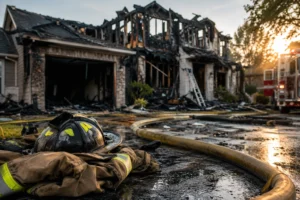

A fire can leave behind far more than visible damage. Beyond the burned materials and smoke-stained walls, homeowners often face a complicated insurance process that determines how quickly they can rebuild and recover. Understanding Texas Fire Damage Insurance Claims is critical because the decisions made during the first days and weeks after a fire can directly impact the amount of compensation received. Many policyholders assume their insurance company will identify every damaged item and include every necessary repair in the settlement. Unfortunately, that does not always happen. Hidden smoke contamination, water damage from firefighting efforts, structural weaknesses, and overlooked personal property losses can significantly affect claim values. Whether the fire affected a home, rental property, or commercial building, knowing how the claims process works can help protect your financial interests and improve your recovery.
Understanding Texas Fire Damage Insurance Claims
Texas experiences thousands of residential and commercial fire losses each year. While insurance coverage is designed to help property owners recover, filing Texas Fire Damage Insurance Claims can become a complicated process involving inspections, documentation, estimates, policy interpretation, and negotiations. Unlike hail claims or water damage claims, fire losses often affect multiple parts of a property simultaneously. Flames, smoke, soot, and water can create overlapping damages that require extensive evaluation before repairs begin.
Common Causes of Fire Damage in Texas
Several events commonly lead to fire insurance claims throughout Texas:
- Electrical failures
- Kitchen fires
- Wildfires
- Lightning strikes
- HVAC malfunctions
- Appliance failures
- Dryer vent fires
- Candle-related accidents
Regardless of the cause, homeowners should begin documenting damage immediately after the property is deemed safe to enter.
What Does Fire Insurance Typically Cover?
Most homeowners insurance policies provide coverage for several categories of fire-related losses.
Structural Damage
Structural coverage often includes:
- Roof systems
- Walls
- Ceilings
- Flooring
- Windows
- Doors
- Attached garages
When severe damage occurs, policies may also cover demolition and rebuilding expenses.
Personal Property Losses
Personal belongings often represent a substantial portion of Texas Fire Damage Insurance Claims. Common examples include:
- Furniture
- Clothing
- Electronics
- Appliances
- Tools
- Household items
Creating a complete inventory is one of the most important steps in maximizing a settlement.
Smoke and Soot Damage
Many homeowners focus on burn damage and overlook smoke contamination. Smoke can spread throughout a property and settle inside:
- Ductwork
- Insulation
- Furniture
- Electronics
- Clothing
- Carpeting
Professional cleaning may be necessary even in rooms untouched by flames.
Additional Living Expenses
When a property becomes uninhabitable, many policies provide Additional Living Expense (ALE) coverage. This may include:
- Hotel costs
- Temporary housing
- Restaurant meals
- Laundry services
- Increased transportation expenses
These benefits can be extremely valuable during lengthy restoration projects.
Immediate Steps After a Fire
The actions taken immediately after a fire often influence the success of Texas Fire Damage Insurance Claims.
Prioritize Safety
Never enter a damaged property until local authorities confirm it is safe.
Notify Your Insurance Company
Report the loss as quickly as possible and obtain a claim number.
Secure the Property
Take reasonable steps to prevent additional damage, including:
- Boarding broken windows
- Installing temporary tarps
- Securing entrances
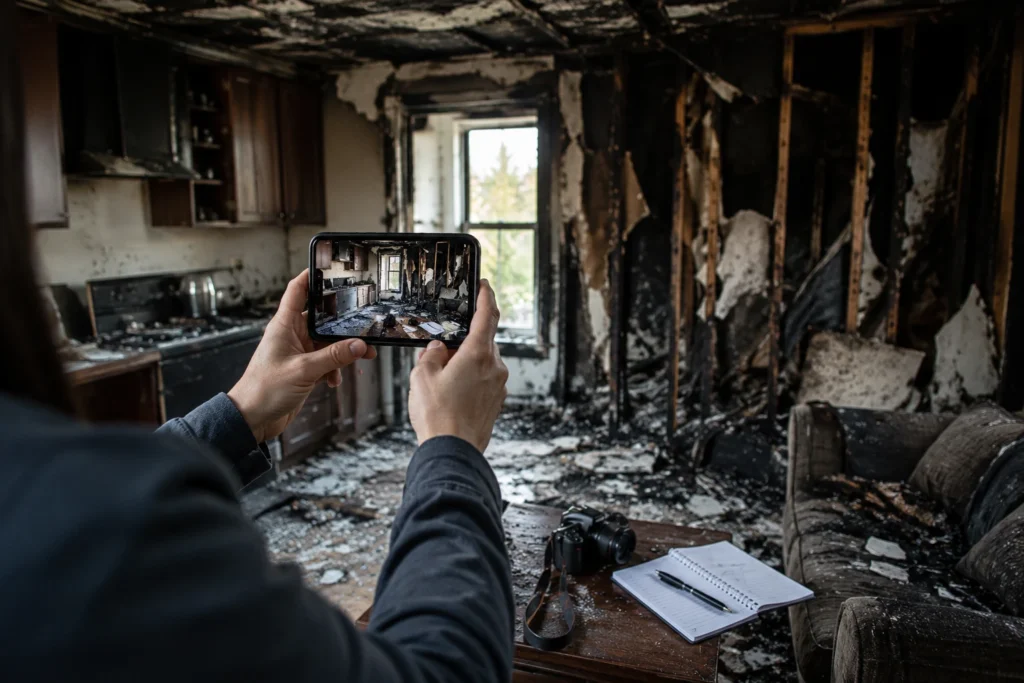
Document Everything
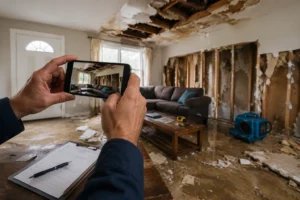
Photograph every damaged area before cleanup begins. Capture:
- Structural damage
- Smoke damage
- Water damage
- Personal belongings
- Exterior damage
Strong documentation often leads to stronger settlements.
Common Problems During Texas Fire Damage Insurance Claims
While every claim is different, several issues appear repeatedly.
Hidden Smoke Damage
Smoke frequently travels into areas not initially visible during inspections.
Incomplete Repair Scopes
Some estimates focus on obvious damage while overlooking hidden issues.
Personal Property Undervaluation
Belongings may be assigned lower values than required for replacement.
Delays in Claim Processing
Large fire losses often require multiple inspections and reviews.
Coverage Disputes
Policy language can create disagreements regarding covered damages.
Hidden Fire Damage Insurance Companies Sometimes Miss
One of the biggest challenges in Texas Fire Damage Insurance Claims is identifying damage that cannot be immediately seen. Examples include:
- HVAC contamination
- Electrical damage
- Structural weakening
- Water intrusion
- Mold development
- Lingering smoke odors
These issues frequently emerge after demolition or restoration begins.
Replacement Cost vs Actual Cash Value
Understanding your coverage can significantly impact your settlement.
| Coverage Type | Description |
|---|---|
| Replacement Cost | Pays the cost to replace damaged property with new items of similar quality |
| Actual Cash Value | Pays replacement cost minus depreciation |
Reviewing this distinction early in the claim process can prevent unpleasant surprises later.
How to Maximize Texas Fire Damage Insurance Claims
Property owners can improve outcomes by following several best practices.
Keep Detailed Records
Maintain copies of all:
- Photos
- Videos
- Receipts
- Emails
- Inspection reports
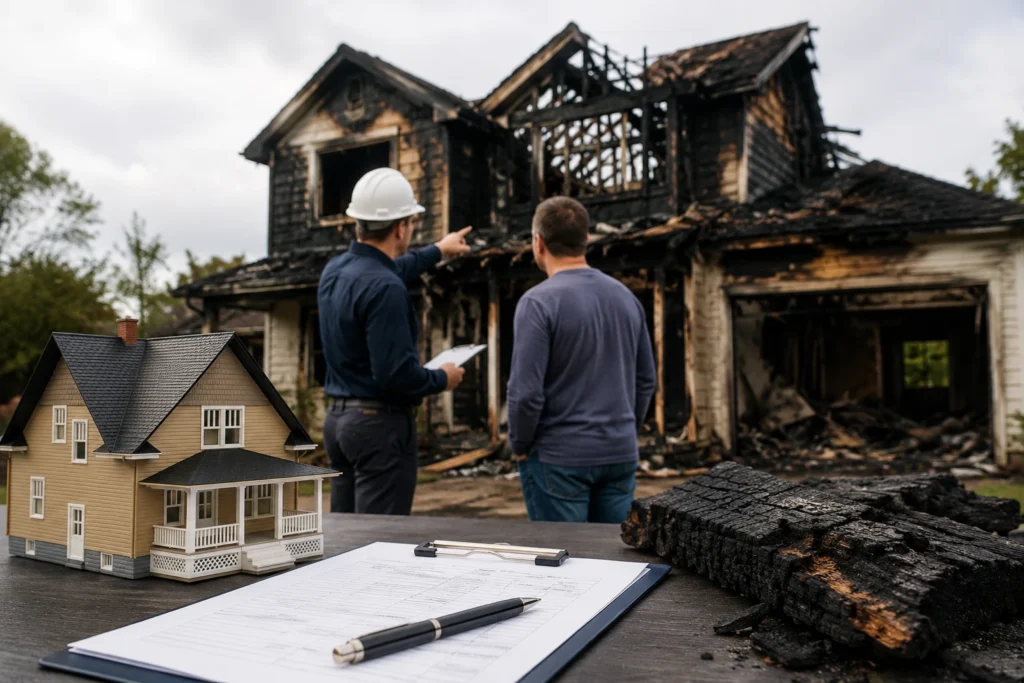
Obtain Independent Estimates
Independent evaluations often identify damages overlooked during initial inspections.
Track Additional Living Expenses
Save every receipt related to temporary housing and other fire-related expenses.
Review Settlement Offers Carefully
Never assume the first offer represents the full value of your claim.
How a Public Adjuster Can Help With Texas Fire Damage Insurance Claims
Large fire losses often involve complicated damage assessments and policy interpretation issues. A public adjuster may assist by:
- Documenting damages
- Reviewing coverage
- Preparing estimates
- Negotiating settlements
- Identifying overlooked damages
For significant losses, professional representation can help ensure all covered damages are properly considered.
Understanding the Science Behind Fire Damage
Fire damage continues long after the flames are extinguished. For readers interested in the science of heat-related material breakdown, the Wikipedia article on Pyrolysis explains how materials chemically decompose when exposed to extreme temperatures Another useful resource is Thermal Decomposition, which explores how heat affects building materials and structural components: These concepts help explain why hidden damages are so common in Texas Fire Damage Insurance Claims.
Final Thoughts
Recovering after a fire can feel overwhelming. However, homeowners who understand Texas Fire Damage Insurance Claims, document losses thoroughly, and actively participate in the claims process often place themselves in a much stronger position financially. Take photographs, Keep records, Save receipts, Review every estimate carefully. Most importantly, remember that the goal is not simply to repair a structure. The goal is to fully restore your property and recover the compensation your policy provides.
FAQs
The timeline varies depending on the severity of the damage and the complexity of the claim.
Most homeowners’ insurance policies cover smoke damage caused by a covered fire. Coverage may include cleaning, deodorization, and replacement of damaged items.
Many policies include Additional Living Expense coverage that helps pay for temporary housing, meals, and other necessary expenses while repairs are completed.
Prioritize safety, contact your insurance company, secure the property if possible, and document all visible damage with photos and videos.
In most cases, yes. Policyholders generally have the right to select their preferred contractor rather than using one recommended by the insurance company.
You can request a detailed explanation, obtain independent estimates, and provide additional documentation to support a higher settlement amount.
Most policies cover water damage resulting from efforts to extinguish a covered fire, including damage to walls, flooring, and personal property.
Receipts, photographs, credit card statements, owner manuals, and home inventory records can help establish ownership and value.
Yes. Smoke contamination, structural issues, electrical damage, and water-related problems sometimes become apparent only during repairs or demolition.
A public adjuster may be helpful when dealing with significant losses, disputed damages, delayed claims, or settlement offers that appear insufficient.